

Are Bath and Body Works Candles Really Toxic? What You Need to Know
If your Bath and Body Works candle gives you a dull headache halfway through the evening, the wax is doing more work than you think. Those three wick jars burn a blend of hydrogenated soy, palm oil, and paraffin, and paraffin is petroleum. When it burns, it releases the byproducts petroleum releases. That is the part nobody prints on the label.
You are not imagining the reaction, and you are not being dramatic. Plenty of people who love the way these candles smell also feel worse after burning them. If that is you, the good news is the fix is simple, and you do not have to give up scent to get there. Our full beeswax candle collection exists specifically for people who kept getting headaches and finally looked into why.
Let us break down what is actually happening, then what to do about it.

So, is Bath and Body Works toxic?
The honest answer is more useful than a yes or no. For a healthy adult burning one candle occasionally with a window cracked, occasional use is unlikely to cause acute harm. Toxicologists generally agree the trace amounts released are low.
The problem is that most people do not burn candles occasionally. They burn them nightly, in a closed bedroom or a small apartment, for hours at a time. That is where the trace amounts start to add up, and where the headaches, scratchy throats, and stuffy noses come from.
Bath and Body Works maintains their candles are safe when used as directed, and they do meet applicable industry standards. That can be true and you can still feel awful. Both things happen at once.
Why paraffin candles trigger symptoms
Bath and Body Works and White Barn candles use a proprietary wax blend that is primarily hydrogenated soy, paraffin, and palm oil. A lot of shoppers assume they are buying soy candles. They are buying a soy paraffin blend, and the paraffin part matters.
Paraffin is a petroleum byproduct. When it burns, it can release volatile organic compounds, including the BTEX group: benzene, toluene, ethylbenzene, and xylenes. Benzene is classified as a known human carcinogen by the WHO's IARC. These are the same categories of compounds you would associate with, well, burning petroleum.
The Cleveland Clinic covers this ground plainly in their breakdown of scented candles and indoor air: emissions from conventional candles can irritate sensitive people, and ventilation matters a lot.
Then there is the fragrance. Commercial paraffin blend candles often carry a fragrance load of roughly 9 to 12 percent by weight, which is a heavy dose of scent chemistry going into your air. The word "fragrance" on a label can legally cover hundreds of undisclosed compounds, including potential phthalates. Companies are not required to tell you what is in there, because the blend is a trade secret.
Toxic fragrances plus paraffin soot plus a closed room is the recipe for the headache. Once you know what triggers it, the solution gets obvious.
The real risk factors (it is ingredient specific)
The problem is not "candles." A candle can be a clean object or a chemistry set depending on what it is made of. Here is what actually causes trouble.
- Paraffin wax. Petroleum derived, releases VOCs and visible soot as it burns.
- Toxic fragrance. High concentration scent oils that can contain phthalates and other undisclosed irritants.
- Chemical dyes. Added color that gives you nothing and adds more to combust.
- Metal core wicks. Older or cheaper wicks that can burn dirtier.
Notice none of those are inherent to the flame itself. Swap the ingredients and the symptoms tend to fade. If you have a diagnosed respiratory condition like asthma, this is worth raising with your doctor, and follow their guidance on what you burn indoors.
Paraffin vs soy vs beeswax, side by side
| Wax type | Source | Burn quality | Common concerns |
|---|---|---|---|
| Paraffin | Petroleum byproduct | Burns fast, sooty | Releases VOCs including benzene and toluene |
| Soy | Soybean oil | Cleaner than paraffin | Often blended with paraffin, may carry toxic fragrance |
| Beeswax | Byproduct of honey production | Cleanest, longest burn | Naturally occurring, no chemical processing |
Beeswax is the oldest candle material humans have used, going back roughly 7,000 years, and it wins on melting point too. A higher melting point means a slower, longer burn. That is why our candles run up to 80 hours.
"I absolutely love these candles! I instantly notice the difference in the air quality, in comparison to the Bath & Body scented candles. I love Bath & Body's candles but I acknowledge that it caused a slight headache and other minor respiratory discomfort. Awesome products. Totally addicted." Jason H.
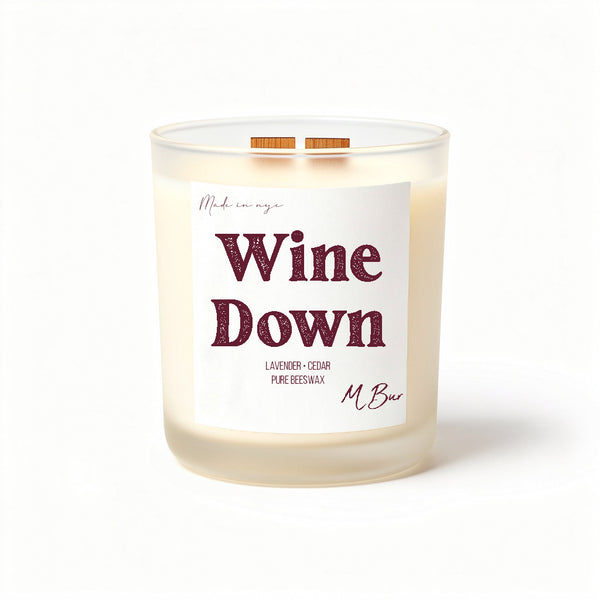
Jason is not alone. Nicole D. told us she used to get headaches from other candles and had none with our Wine Down candle, a soft lavender, chamomile, sage, and rosemary blend built for the end of the day. If strong scents usually get you, a lighter clean burning candle is the move.
The clean candle checklist
Here is what to look for, so you never have to guess again. A genuinely clean candle should check every one of these:
- 100 percent single ingredient wax, not a blend hiding paraffin
- Phthalate free fragrance, stated plainly
- No chemical dyes
- A clean wick (wood or cotton, no metal core)
- Full ingredient transparency, not a mystery "fragrance" word
MBur checks every box. Our candles are 100 percent beeswax, a single ingredient rather than a blend. We use wooden wicks that crackle and burn evenly. The fragrance is phthalate free, there are no chemical dyes, and everything is handmade in small batches in New York City. Beeswax is also naturally hypoallergenic, which is a real advantage if you are the one who reacts to everything.
If you want a starting point, browse the full beeswax candle collection and pick by mood. Sizes start at the 20 hour at $20 and go up to the 80 hour at $65, so you can test a scent before committing to the big jar.

If you want to keep burning what you have
Not ready to toss your current candles? Fair. You can cut the risk considerably with a few habits.
- Ventilate. Crack a window while burning and for a while after. This is the single biggest lever.
- Trim the wick to a quarter inch before every burn. Long wicks make soot.
- Limit burn time. Keep three wick candles to three or four hour sessions, not all evening.
- Skip the small closed room. A tightly sealed bedroom concentrates everything you are trying to avoid.
These help with any candle, clean or not. They help even more once the wax underneath is beeswax instead of petroleum.
The bottom line
Bath and Body Works candles are a soy paraffin blend with heavy fragrance loads, and for sensitive people that combination causes the headaches and irritation you have been feeling. You do not have to accept it, and you do not have to give up scent. Switching to a clean burning beeswax candle keeps the ritual and drops the compounds your body reacts to.
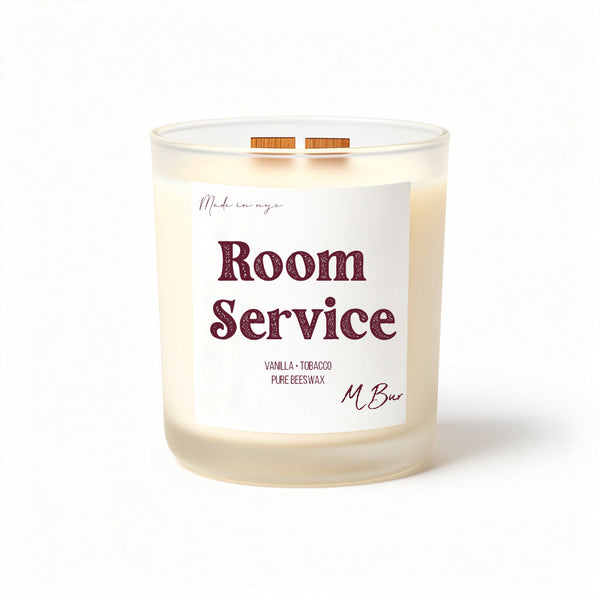
Our candles carry hundreds of reviews from people who made exactly this switch. If you want the easiest place to start, the crowd favorite is Room Service, our bestseller with that white tea, peony, and vanilla hotel lobby feel. Start there, or browse the full beeswax candle collection and find the one that fits your space.
Related reading

