

Is a Candle Warmer Better Than Burning? A Side-by-Side Breakdown
Ask ten candle people whether a warmer beats a flame and you will get eleven answers. One camp swears the warmer lamp made their favorite jar last twice as long. Another says nothing hits like the moment a wick catches and the room fills with scent. Both are right, which is exactly why this question keeps circling the internet.
So let us settle it with actual numbers instead of vibes. Below is a real side by side on cost per hour, scent throw, safety, and air quality, plus a clear winner for a few common situations. If you already know you want a candle worth warming or burning either way, you can skip ahead to our full beeswax candle collection, but stick around, because the method matters less than what is in the wax.
The core question: warmer or flame?
A traditional flame heats to roughly 1,400 degrees Celsius. That intense heat vaporizes wax and pushes fragrance out fast through combustion. It is the reason a freshly lit candle can scent a room in minutes.
A candle warmer, most often a top down halogen lamp these days, gently melts the wax to around 50 to 65 degrees Celsius. No open flame, no burning wick, no combustion. Just warm wax slowly releasing its scent.
The catch that most "warmers are safer" articles skip: neither method fixes a bad candle. A cheap paraffin jar full of toxic fragrance is still releasing petroleum derived compounds whether you set it on fire or gently warm it. The heat source is one variable. The wax and fragrance are the bigger one.

Side by side: the full comparison
| Factor | Burning (open flame) | Candle warmer lamp |
|---|---|---|
| Heat source | Flame, roughly 1,400 C | Halogen bulb, wax melts at 50 to 65 C |
| Fire risk | Open flame, real hazard if left unattended | No flame, far lower fire risk |
| Scent throw | Fast, strong initial hot throw | Steadier and more consistent over time, slower to fill a room |
| Candle lifespan | Wax is consumed as fuel | Wax lasts roughly 30 to 50 percent longer |
| Soot and smoke | Some, depending on wax and wick quality | None |
| Air quality | Combustion byproducts if paraffin or metal wick | No combustion, but still emits VOCs from fragrance and wax |
| Upfront cost | Just the candle | Candle plus a lamp, roughly $10 to $30 |
| The crackle | Wooden wicks give you the sound | Silent |
Cost per hour: the warmer wins, sort of
Because a warmer melts wax slowly instead of burning it as fuel, your candle lasts significantly longer. Reports put the gain at roughly 30 to 50 percent more hours from the same jar. Over a year of regular use, that adds up.
Warmer lamps themselves are cheap. Most electric top down models run about $10 to $30, with budget options like the Banbanda around $14 and design forward wooden base models like the Briever near $20. So the lamp pays for itself if you burn through candles fast.
One quiet downside: top down warmers lose fragrance over time. Once the top layer of wax stops smelling like anything, you have to pour it off to reach fresh scent underneath. Not a dealbreaker, just a chore.
Scent throw: the flame wins for impact
If you want a room to smell incredible the second guests walk in, a flame does it faster. That high heat produces an immediate, powerful hot throw. A warmer builds more gradually and stays even, which some people actually prefer for all day background scent.
The wax matters here too. Beeswax carries fragrance beautifully because it burns clean and slow, so the scent stays true whether you are burning or warming. Our customers notice the difference in how far the scent travels.
"This scent has me in a chokehold. I burn it in my room and my living room and it fills my space SOOOOO nicely. I've tried quite a few scents from them and they all have different vibes... and they all smell amazing. Theres nothing I hate more than a candle that can't fill the room and baby this is NOT that."
Tiffany Gordon, on Retail Therapy
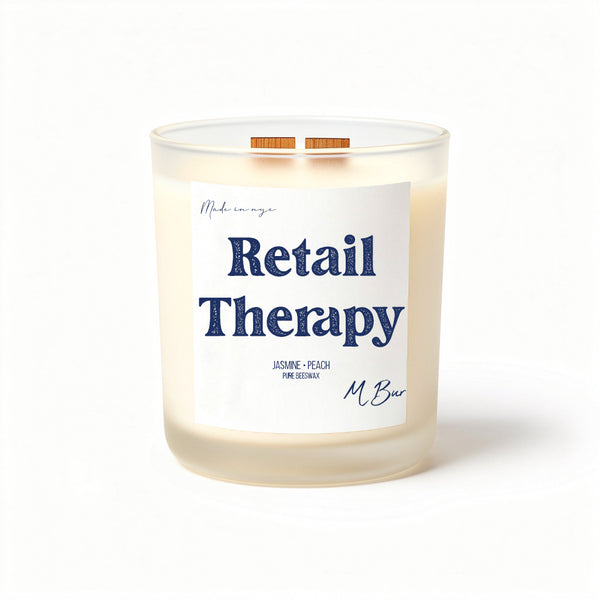
That is the kind of throw you want from either method. If you are chasing that fill the whole room effect, Retail Therapy with its notes of red currant, black currant, jasmine, peach, black tea, amber, and anise tonka bean is a good place to start.

The health question, handled honestly
This is where most "warmers are healthier" claims fall apart, so let us be careful. The concern about candle emissions is legitimate, and you are right to ask.
Warmers do have a real advantage: no combustion means no carbon monoxide, no black soot on your walls, and no smoke. That is a genuine win, especially in a small or poorly ventilated space.
But flameless does not mean pollution free. Research shared through the National Institutes of Health has shown that heated scented wax can release volatile organic compounds, and terpenes from that wax can react with indoor ozone to form fine particles. You can read more in the NIH study on scented wax melts and indoor nanoparticles. The takeaway is simple: the fragrance and wax you choose drive your air quality more than the heat source does.
Where the real risk lives
The problem is ingredient specific, not candle category wide. The usual culprits are:
- Toxic fragrances containing phthalates and parabens
- Metal core wicks that can release trace metals
- Paraffin, a petroleum byproduct that releases VOCs like benzene and toluene when heated
- Chemical dyes added purely for color
Put a cheap paraffin candle loaded with toxic fragrance on the fanciest warmer lamp in the world and you are still slowly heating petroleum and phthalates into your air. The lamp does not change the recipe.
A quick checklist for a cleaner candle
Whether you burn or warm, look for:
- 100 percent single ingredient wax, not a blend
- Phthalate free fragrance
- No chemical dyes
- A wooden or cotton wick with no metal core
This is where beeswax earns its reputation. It is a naturally occurring wax, a byproduct of honey production, with no chemical processing. MBur candles are 100 percent beeswax with wooden wicks, phthalate free fragrance, no dyes, and they are naturally hypoallergenic. You can see the whole lineup in our full beeswax candle collection. If scent sensitivity is your main worry, that clean build is exactly the point.
One honest note: if you have a diagnosed respiratory condition, follow your doctor's guidance on what belongs in your air. A cleaner candle is less likely to irritate, and that is the claim, nothing more.
Practical tips for either method
Ventilation helps more than people think. Crack a window or leave a door open, especially in a small room. Trim your wooden wick to about a quarter inch before each burn for a cleaner, steadier flame. And do not run a warmer lamp unattended overnight, because even flameless electrical heat carries some risk near flammable clutter. The USFA candle fire safety guide is a solid refresher.
So which one should you pick?
Here is the verdict, sorted by who you are.
Pick a candle warmer if...
You have kids, pets, or a rental or dorm with no flame rules. You want your candles to last longer and you do not mind a slower scent build. You like the idea of ambient lamp light without a live flame.
Pick burning if...
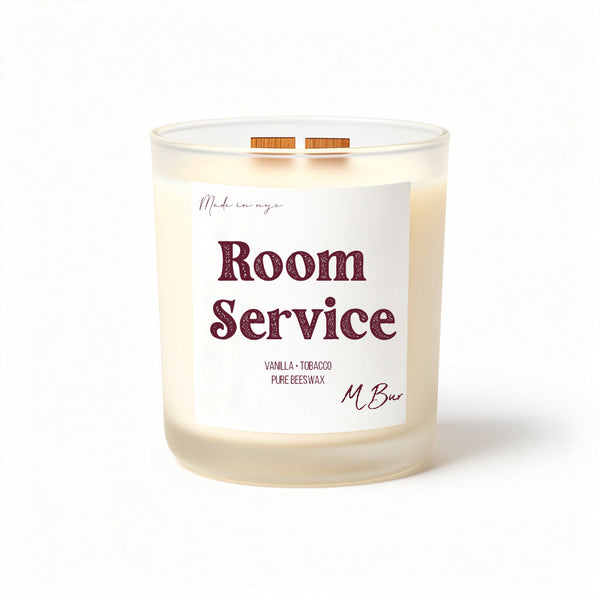
You love the ritual, the crackle of a wooden wick, and a fast, powerful scent throw the moment you light it. A quality beeswax candle like Room Service, our bestseller with saffron, white tea, peony, orchid, tobacco, vanilla, almond milk, and tonka bean, delivers that fancy hotel lobby moment no warmer can replicate.
The real winner across both camps is the same thing: a clean candle. Method is preference. Ingredients are health.
Frequently asked questions
Is a candle warmer better than burning for safety?
For fire safety, yes. A warmer has no open flame, which drops the risk of accidental fires considerably. That said, quality still matters, so start with a clean candle from our beeswax collection no matter how you plan to heat it.
Do candle warmers make scent last longer?
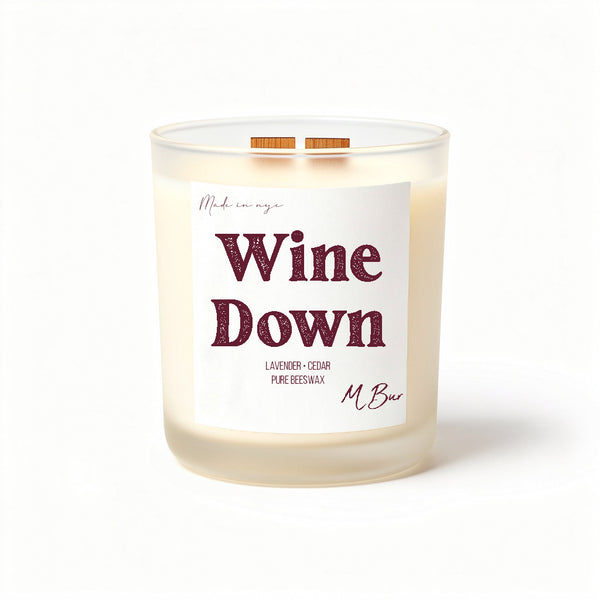
Yes. Because the wax melts gently instead of being consumed as fuel, warmers typically stretch a candle roughly 30 to 50 percent longer. A slow, clean burning beeswax candle like Wine Down already lasts a long time on its own, so on a warmer it goes even further.
Do candle warmers release indoor air pollution?
They avoid combustion smoke and soot, but heated wax still emits VOCs from the fragrance and wax itself. That is why the recipe matters more than the heat. Choosing 100 percent beeswax with phthalate free fragrance, like the candles in our collection, keeps the ingredient list clean either way.
Can I use any candle on a candle warmer?
Top down lamp warmers are built for jar candles, while hot plate warmers want container candles or dedicated wax melts. Our jar candles work well with top down lamps, and you can browse sizes in the full beeswax candle collection.
Does burning give a stronger scent than a warmer?
The initial throw is stronger with a flame because of the higher heat. A warmer trades that punch for a steadier, longer scent. If immediate impact is your goal, burn it.
The bottom line
A warmer wins on safety and longevity, a flame wins on instant scent and ritual, and neither one saves you from a bad candle. The single decision that actually protects your air is what is in the wax. Start with a 100 percent beeswax candle, wooden wick, phthalate free fragrance, no dyes, then heat it however you like.
MBur candles earn glowing reviews across 57 and counting, with customers pointing to clean scent, long burn, and zero headaches. If you only change one thing, change the candle. Browse our full beeswax candle collection and pick your first one.

Related reading

