

Are Candle Warmers Better for Air Quality? A Clean Burning Comparison
The pitch for candle warmers sounds airtight: no flame, no smoke, no black soot on your ceiling, so no air quality problem. That last leap is where the logic wobbles. A 2025 study out of Purdue, published in Environmental Science and Technology Letters, put flame free wax warmers to the test in a model house and found something the marketing never mentions. So before you swap your candles for a heated dish, it is worth understanding what actually changes when you take away the flame, and what does not.
If you already care about what you are breathing, that instinct is a good one. It is also why the wax and fragrance you choose matter more than the heating method. Our full beeswax candle collection is built around single ingredient wax and phthalate free fragrance, which is the part of this equation most people skip.
The core question, answered up front
Yes, candle warmers are better on one specific measure: combustion byproducts. No flame means no soot, no smoke, no carbon monoxide, and none of the benzene or toluene that paraffin wicks throw off when they burn. That is a real and meaningful win.
But cleaner is doing a lot of work in that sentence. Heating scented wax still releases volatile organic compounds into your air. The Purdue researchers found that warmers can push out high concentrations of terpenes and VOCs, which then react with indoor ozone to form microscopic airborne nanoparticles. Their measured particle counts rivaled what you get from a gas stove.
So the honest headline is this. A warmer removes the smoke problem and keeps the fragrance problem. Which one matters more to you depends on what is in the wax you are heating.

Candle warmers vs. burning, side by side
Here is how the two methods stack up across the factors people actually weigh. Note that the wax you use changes every row, which is exactly the point.
| Factor | Candle warmer | Burning a candle |
|---|---|---|
| Soot and smoke | None (no combustion) | Depends on wax and wick; paraffin produces the most |
| Combustion toxins (benzene, toluene, CO) | None | Present with paraffin, minimal with clean beeswax |
| Fragrance VOCs | Still released, sometimes higher due to constant surface heat | Released; amount depends on fragrance quality |
| Secondary nanoparticles | Yes, when VOCs meet indoor ozone | Yes, plus combustion particles |
| Scent throw | Strong, but varies with melt pool depth | Strong and steady once the pool forms |
| Ambiance | No flame, no crackle | Flame, and a wooden wick adds a soft crackle |
| Cost of the device | $10 to $40 for the warmer, plus wax | Just the candle |
| Fire risk | Lower, many have auto shut off timers | Open flame, requires attention |
Popular warmer lamps like the Innqoo timer model or the Briever walnut base sell for roughly $20, and budget units from brands like Banbanda run closer to $14. They do their job. What they cannot do is fix the wax you put in them.
Why the wax matters more than the method
This is the part the flame free crowd tends to gloss over. A warmer heats whatever wax sits on it, and heat vaporizes whatever that wax contains. Melt cheap paraffin loaded with toxic fragrance and you are aerosolizing the same phthalates and petroleum compounds, just without the smoke.
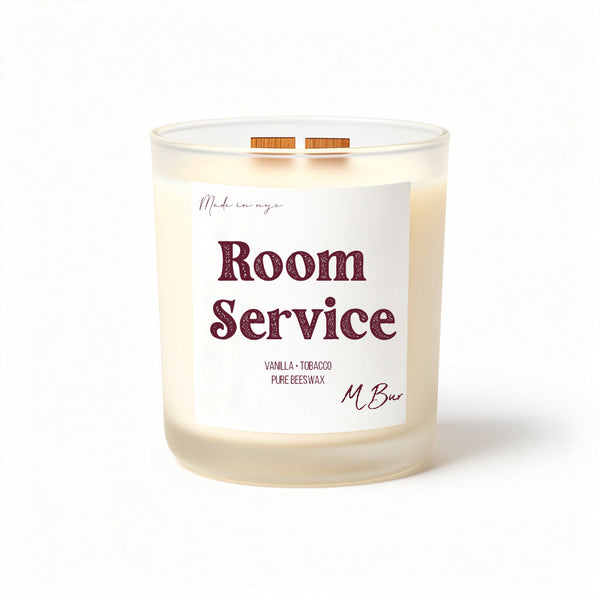
Paraffin is a petroleum byproduct, full stop. It off gasses under a flame and it off gasses under a warmer. Soy is a step up, though it is frequently blended with paraffin and often carries toxic fragrances containing phthalates and parabens. Beeswax is the cleanest of the three: a naturally occurring wax, no chemical processing, and it burns with the highest melting point of any candle wax, which is why our 80 hour size actually lasts 80 hours.
The takeaway is simple. If you switch to a warmer to protect your air, but you keep melting paraffin with cheap fragrance, you have solved the smaller half of the problem. Pair a warmer with a clean wax and non toxic fragrance and now you are getting the real benefit.

"I absolutely love these candles! I instantly notice the difference in the air quality, in comparison to the Bath and Body scented candles. I love Bath and Body's candles but I acknowledge that it caused a slight headache and other minor respiratory discomfort. Awesome products. Totally addicted." Jason H.
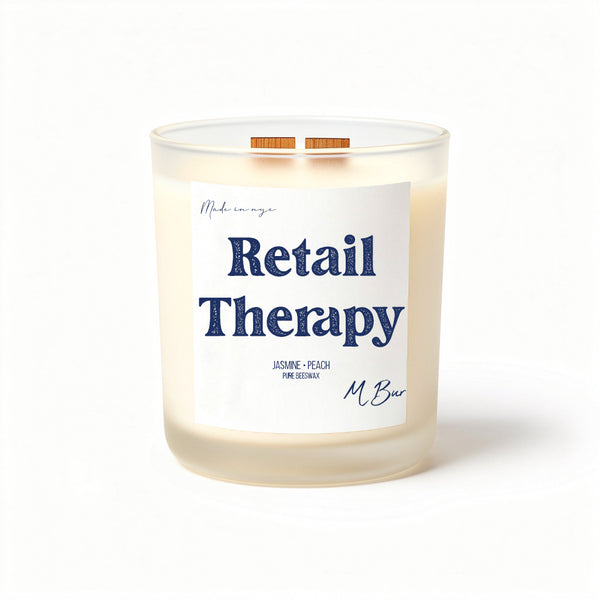
That difference Jason noticed is the fragrance story more than the flame story. Our Retail Therapy candle uses phthalate free fragrance and no chemical dyes, so whether you burn it or warm it, you are not vaporizing the stuff that gives sensitive people headaches. The 40 hour size runs $32, and the 80 hour is $65.
The real risk factors, named
If you want cleaner indoor air, aim at the ingredients, not the heat source. The things worth avoiding are consistent across warming and burning:
- Toxic fragrances containing phthalates and parabens, which vaporize under any kind of heat
- Paraffin wax, a petroleum byproduct that releases VOCs whether melted or burned
- Metal core wicks, an issue only when burning, but worth knowing
- Chemical dyes mixed into colored wax
A clean candle drops these from the equation. That matters for everyone, and it matters more if you have asthma or sensitive airways, since aerosolized fragrance and secondary nanoparticles can still irritate sensitive lungs. If you have a diagnosed respiratory condition, follow your doctor's guidance on what belongs in your home.
Who should use what
Different setups win for different people, so here is the plain recommendation.
Choose a warmer if you want zero flame risk, you live with kids or pets who could knock a candle over, or you simply prefer no open flame. Just fill it with clean wax, not bargain paraffin.
Choose burning if you want the full experience, flame, glow, and the soft crackle of a wooden wick, and you are using a clean single ingredient wax that does not throw combustion toxins. This is where beeswax earns its keep.
The overlooked winner in both cases is the wax itself. A warmer with clean beeswax and a beeswax candle with a clean burn land in roughly the same place on air quality, because you have removed the ingredients that cause trouble either way. Our Wine Down candle is a good example, and one reviewer put it better than we could.
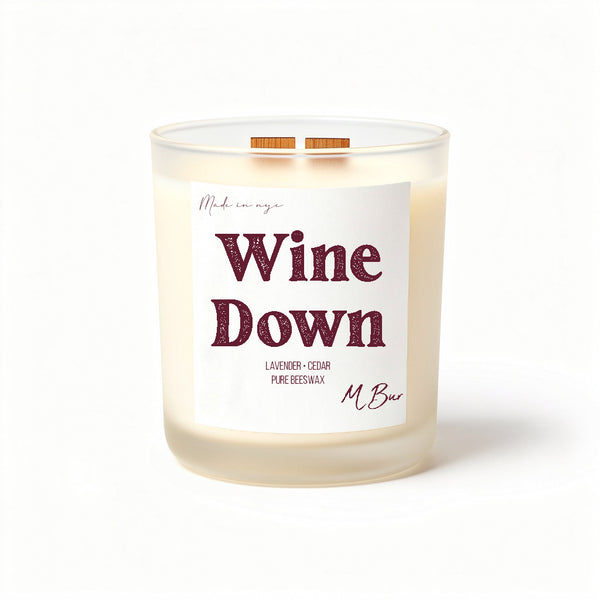
"Absolutely loved the Wine Down candle! The scent is so light and clean, not overpowering at all, which is exactly what I look for. A lot of other candles tend to give me headaches, but this one was a total game changer. I was able to enjoy the calming aroma without any discomfort." Nicole D.
Practical tips for cleaner air either way
Whichever method you land on, a few habits go a long way. Crack a window or run a fan so VOCs and ozone do not build up and react in still air. If you are burning, trim the wooden wick to about a quarter inch before each light for an even, low soot flame. Keep sessions reasonable rather than running a scent all day, since constant surface heat is exactly what pushes fragrance compounds into the air fastest. And read the label. If a candle will not tell you what is in the wax or the fragrance, that silence is your answer.

The bottom line
Candle warmers genuinely beat burning on soot and combustion toxins, and that is a fair reason to like them. They do not, however, make scented wax pollution proof, because heat releases fragrance VOCs no matter what. The variable that decides your air quality is the wax and fragrance you choose. Start with a clean 100% beeswax candle and phthalate free fragrance, then warm it or burn it, your call. Ready to upgrade what you are heating? Browse our full beeswax candle collection, loved by hundreds of reviewers who noticed the difference in their own homes.
Related reading

