

Wooden Wick vs Cotton Wick Candles: Which Burns Better?
Wooden Wick vs Cotton Wick Candles: Which Burns Better?
The internet has opinions about wick type. Strong ones. Some candle fans swear by the classic cotton wick, others say the crackling wooden wick changed their entire relationship with candles. Both camps have a point. But most of the comparison content out there was written by people who have never actually committed to one side of the debate.
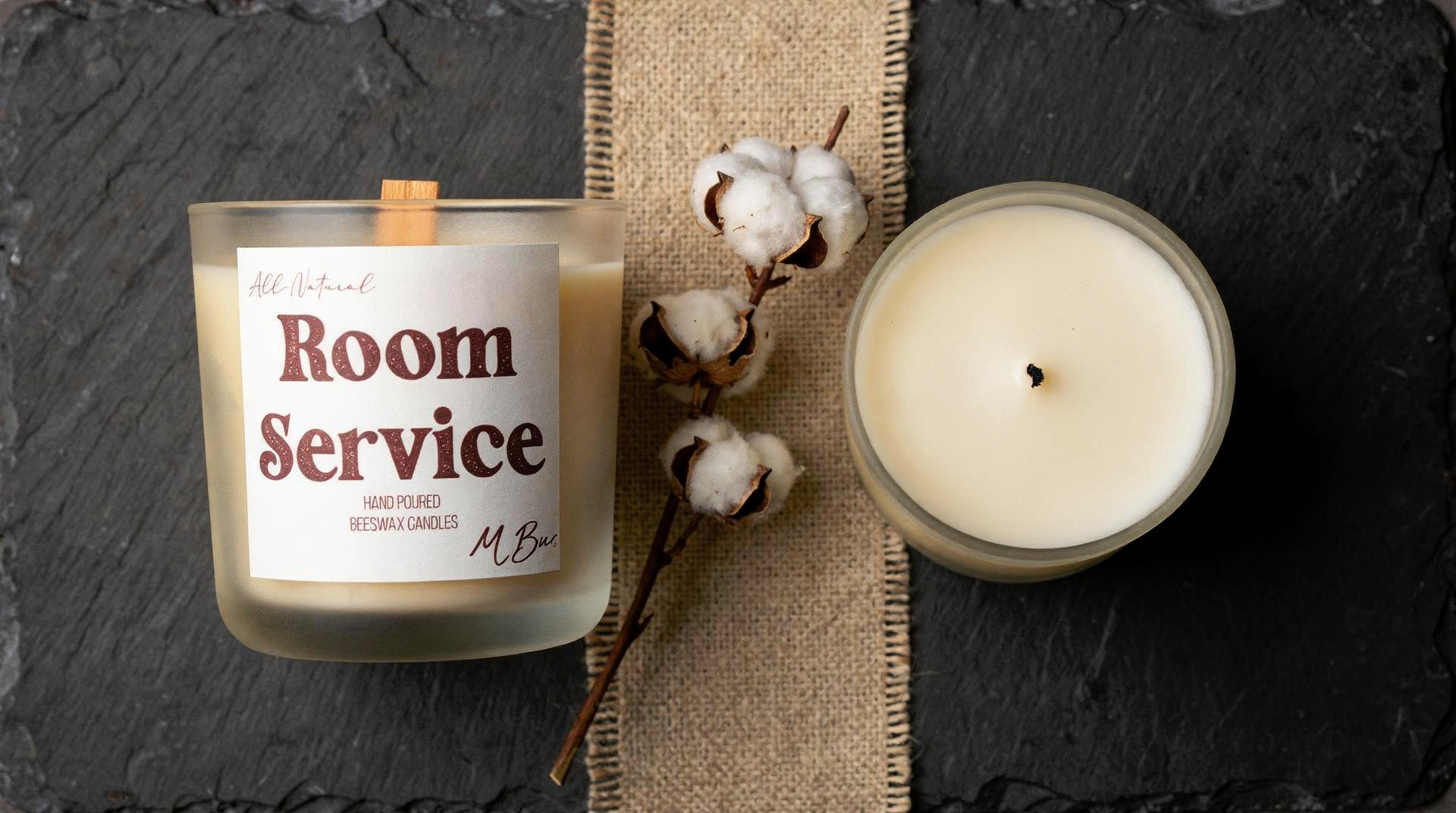
We have. Every MBur beeswax candle uses a wooden wick, full stop. Not because it looks good in a photo (though it does), but because the performance data is clear. This post breaks down the real differences between wooden wicks and cotton wicks across six categories so you can make an informed decision before your next purchase.
The Core Question: Does Wick Type Actually Matter?
Yes. More than most people expect.
The wick is not just a delivery mechanism for a flame. It controls the melt pool diameter, the rate of fragrance release, the amount of soot produced, and the overall burn efficiency. A candle with a premium wax and a poorly matched wick will underperform every single time. Wick selection is where a lot of mass market candles cut corners, and it is where the experience gap between a great candle and a mediocre one lives.
So let us get into the specifics.
The Comparison Framework
1. Burn Quality and Melt Pool
Cotton wicks have been the industry standard for decades. They create a reliable, consistent flame and work across most wax types. The downside is tunneling. A cotton wick in a wider jar can fail to pull heat all the way to the edges of the wax, leaving a thick wall of unmelted wax around the perimeter. Once tunneling starts, it is nearly impossible to reverse without intervention.
Wooden wicks burn horizontally rather than vertically, which creates a wider, lower flame. That wider flame distributes heat more evenly across the top of the candle, producing a fuller melt pool from the first burn. This is one reason wooden wick candles tend to have a better first burn experience and a lower rate of tunneling when used correctly.
Winner: Wooden wick, particularly for wider vessels and high melting point waxes like beeswax.
2. Scent Throw
Cotton wicks produce a taller, faster burning flame. More heat can mean faster fragrance release, which sounds like a win. In practice, it can also mean the fragrance burns off too quickly, leaving a weaker scent experience toward the end of the candle's life.
Wooden wicks generate a steadier, more controlled heat output. Fragrance releases at a more even rate throughout the entire burn, which means the scent stays consistent from the first hour to the last. Multiple MBur customers have noted that the scent carries even after the candle is out.
"They smell up a WHOLE room during the burn and even a while after blowing them out. I won't buy other candles anymore, they're just that good." Paige, verified buyer
That kind of sustained scent throw is not accidental. It is a function of the wooden wick creating the right heat to fragrance ratio throughout the life of the candle.
Winner: Wooden wick for long, consistent scent throw. Cotton wick can win on initial burst.
3. Burn Time and Efficiency
Cotton wicks burn faster. The taller flame consumes wax at a higher rate. This is not always obvious when you are comparing candles by the ounce, but it shows up significantly in price per hour.
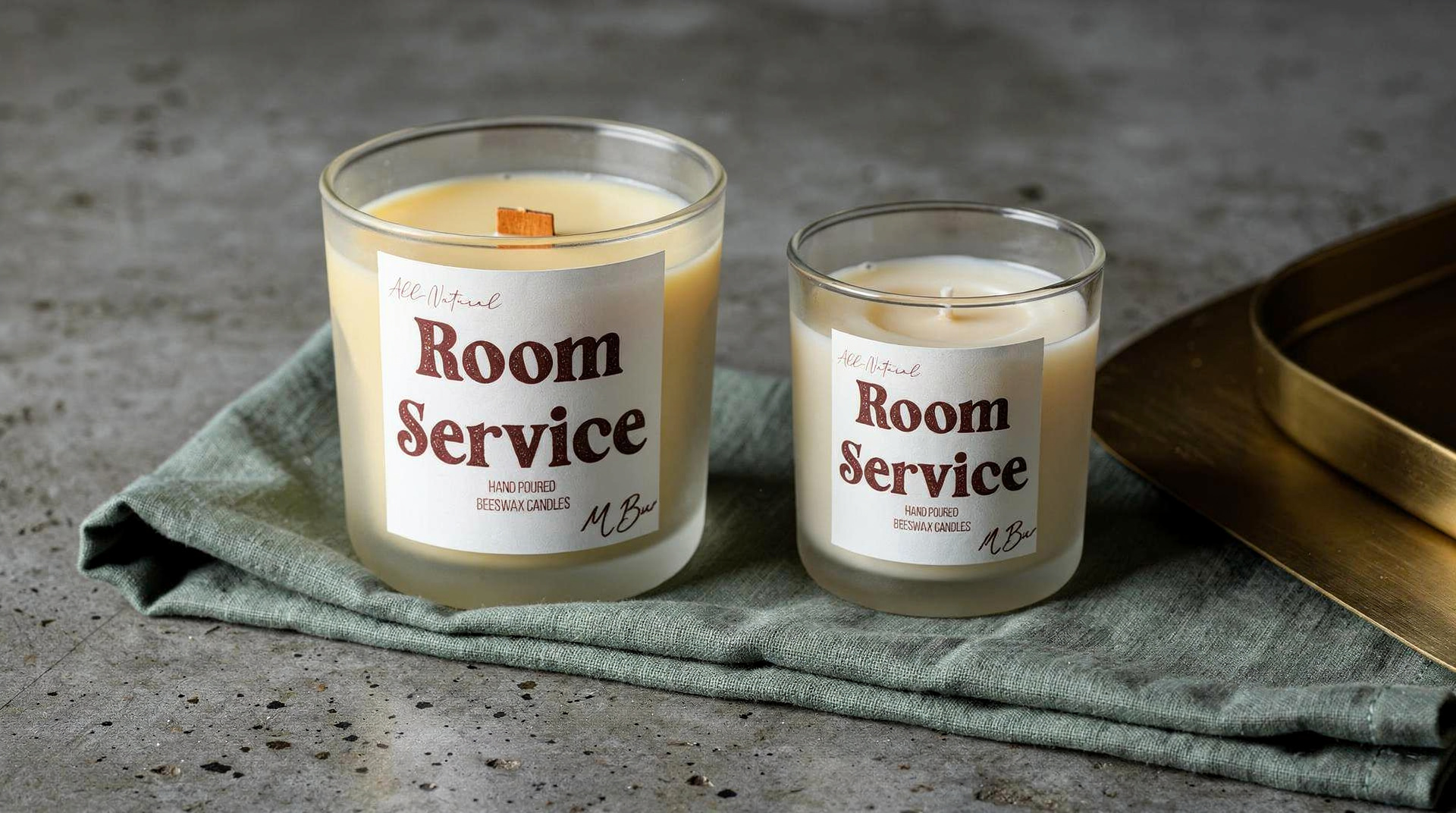
Wooden wicks combined with beeswax produce the longest burn time of any candle material available. Beeswax has the highest melting point of any candle wax, approximately 145 to 147 degrees Fahrenheit, which means it burns slower and more efficiently. The 12oz Room Service candle delivers up to 80 hours of burn time. That is not a marketing number, it is a function of wax density and wick calibration working together.
Compare that to a typical paraffin cotton wick candle in a similar size, which usually runs 40 to 60 hours at best, often less.
Winner: Wooden wick, especially when paired with beeswax.
4. Soot and Air Quality
Cotton wicks are often treated with stabilizers to keep them upright during burning. Some cotton wicks, particularly older or cheaper versions, contain metal cores (typically zinc) to maintain their shape. Metal core wicks release trace heavy metals into the air during burning. Even cotton wicks without metal cores produce more soot than wooden wicks when paired with paraffin or heavily fragranced soy blends.
Wooden wicks produce significantly less soot. There is no metal core, no chemical treatment, and the lower flame height means less incomplete combustion. When combined with beeswax, which burns cleaner than any petroleum or plant based wax, the difference in air quality is noticeable. People who are sensitive to candle smoke frequently find that wooden wick beeswax candles do not trigger the same symptoms as cotton wick paraffin alternatives.
"I love these candles. No headache or feeling nauseous like the Bath and Body candles with all the extra chemicals." Jason H., verified buyer
To go deeper on common wooden wick performance questions, check out our full guide on wooden wick candles and what affects their performance.
Winner: Wooden wick, especially paired with clean wax.
5. Sound and Experience
This one is not a performance category, it is an experiential one. But it matters.
Cotton wicks burn silently. They are the standard, and there is nothing wrong with that if you are after a neutral background element.
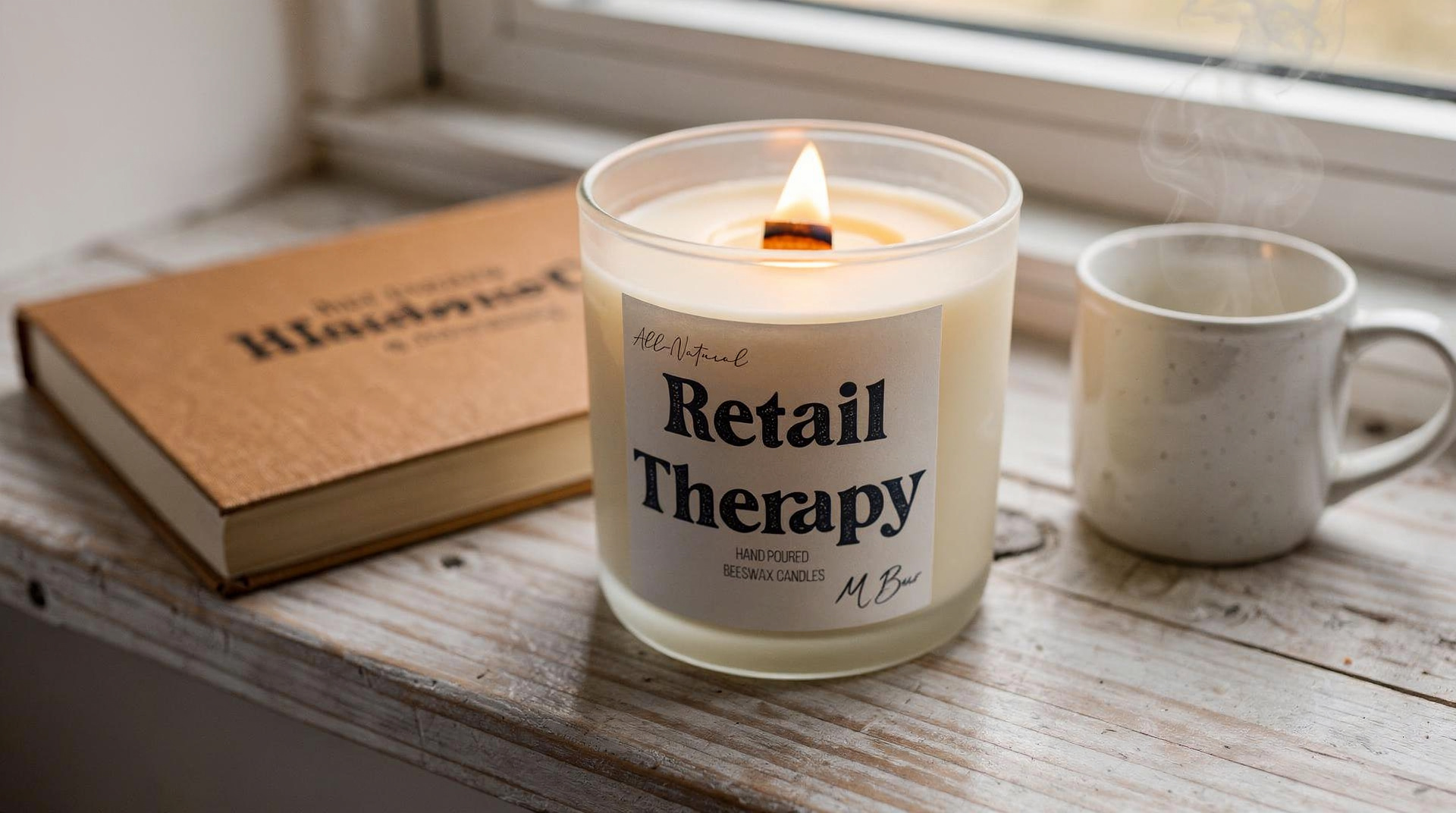
Wooden wicks crackle. It is the sound of a small fireplace, and it is genuinely distinct from any other candle experience. For people who use candles during work, winding down, or evening routines, that auditory layer adds something a cotton wick simply cannot replicate.
Winner: Wooden wick for full sensory experience. Cotton wick for silence.
6. Maintenance and Learning Curve
Here is where cotton wicks get their point back.
Cotton wicks are more forgiving. They reignite easily, tolerate drafts better, and do not require much technique. Trim them to about a quarter inch before each burn and you are done.
Wooden wicks have a small learning curve. They need to be trimmed shorter than you might expect, typically to about an eighth of an inch, to avoid a large, flickery flame that produces more soot. They can also be harder to relight if carbon buildup accumulates on the tip. But once you know how to care for them, wooden wicks are extremely consistent.
Common wooden wick issues like a weak flame or difficulty staying lit are almost always fixable with proper trimming. If you want the full breakdown on troubleshooting, our post on proper candle care and what affects burn performance covers everything you need to know.
Winner: Cotton wick for ease of use with no learning curve.
Side by Side Comparison Table
| Category | Wooden Wick | Cotton Wick |
|---|---|---|
| Melt pool evenness | Excellent (wider flame spread) | Variable (tunneling risk) |
| Scent throw consistency | Sustained throughout burn | Strong initially, can fade |
| Burn time efficiency | Longer (especially with beeswax) | Shorter, faster wax consumption |
| Soot output | Very low | Low to moderate (depends on wax) |
| Sensory experience | Crackle sound, fireplace effect | Silent |
| Ease of use | Requires trimming technique | Low maintenance |
| Metal core risk | None | Possible in cheaper versions |
What Wax Type Changes Everything
A wooden wick in a paraffin candle performs better than a cotton wick in a paraffin candle. But neither of those comparisons is the real conversation.
The real performance ceiling is a wooden wick paired with 100 percent beeswax. Beeswax is the only single ingredient wax that does not require blending with paraffin or chemical additives to perform. It burns cleanest, longest, and produces light closest to the natural spectrum of sunlight. Beeswax is also the oldest candle material in recorded history, used since approximately 3000 BCE.
The combination of wooden wick and beeswax is not a trend. It is the highest performing version of what a candle can be.
Our Verdict: Which Wick Wins for Each Use Case
Best for ambiance and experience: Wooden wick, no contest. The crackle, the wide flame, the sustained scent. If this is why you buy candles, cotton cannot compete.
Best for air quality and sensitivity: Wooden wick, particularly when combined with clean wax and non toxic fragrance. Cotton wicks in cheaper candles carry real risk from metal cores and paraffin soot.
Best for long burn time and value: Wooden wick with beeswax. The price per hour is significantly better once you account for how much longer the candle lasts.
Best for beginners or low maintenance use: Cotton wick wins here. If you want to buy a candle, light it, and not think about it, cotton is more forgiving.
Best overall: Wooden wick. The performance advantages across scent throw, burn efficiency, air quality, and experience outweigh the small learning curve involved in trimming correctly.
Frequently Asked Questions
Why does my wooden wick keep going out?
Almost always a trimming issue. The wick tip needs to be clear of carbon buildup before you relight. Trim it to about an eighth of an inch, remove any black debris, and try again. Our full guide on candle care and burn performance walks through this in detail.
Do wooden wicks produce more soot than cotton wicks?
No. Wooden wicks produce less soot than cotton wicks, particularly when paired with clean wax like beeswax. The lower flame height and absence of metal core treatment mean less incomplete combustion and less particulate in the air.
How long do beeswax wooden wick candles actually burn?
MBur beeswax candles burn up to 80 hours in the 12oz size. The combination of beeswax (highest melting point of any candle wax) and a calibrated wooden wick produces significantly longer burn times than paraffin or soy alternatives in the same size.
Are cotton wicks in candles dangerous?
It depends on the candle. Cotton wicks without metal cores in clean wax are generally fine. The risk goes up with metal core cotton wicks (more common in budget candles) and with paraffin wax, which releases benzene and toluene during burning regardless of wick type.
Is the crackling sound from wooden wicks normal?
Yes, completely normal and by design. The crackling comes from the natural moisture and density variations in the wood as it burns. It is the same principle as a fireplace. If a wooden wick is popping loudly or producing large sparks, trim it shorter.
The Bottom Line
Wooden wicks outperform cotton wicks in almost every category that matters: burn efficiency, scent consistency, air quality, and overall sensory experience. The one area cotton wins is ease of use, and even that gap closes quickly once you get one good candle trim under your belt.
If you want to experience what a properly made wooden wick candle feels like, the Sunday Reset beeswax candle (starting at $20 for 20 hours) is a clean, clear starting point.
"This candle permeates every corner of the room. Can't say enough about how impressed I am with this company." Tiffany Gordon, verified buyer
Shop the full collection of wooden wick beeswax candles
Related reading: