

Beeswax vs Coconut Wax Candles: Which Is Actually Better?
Beeswax vs Coconut Wax Candles: Which Is Actually Better?
The candle internet has strong opinions about beeswax. It also has strong opinions about coconut wax. Both camps are partially right and partially very wrong.
These two waxes are solving different problems. They have genuinely different chemistry, different burn profiles, and different ideal use cases. The question is not which one is better in the abstract. The question is which one is better for you. If you already know beeswax is your answer, the full MBur beeswax candle collection is worth browsing while you read.
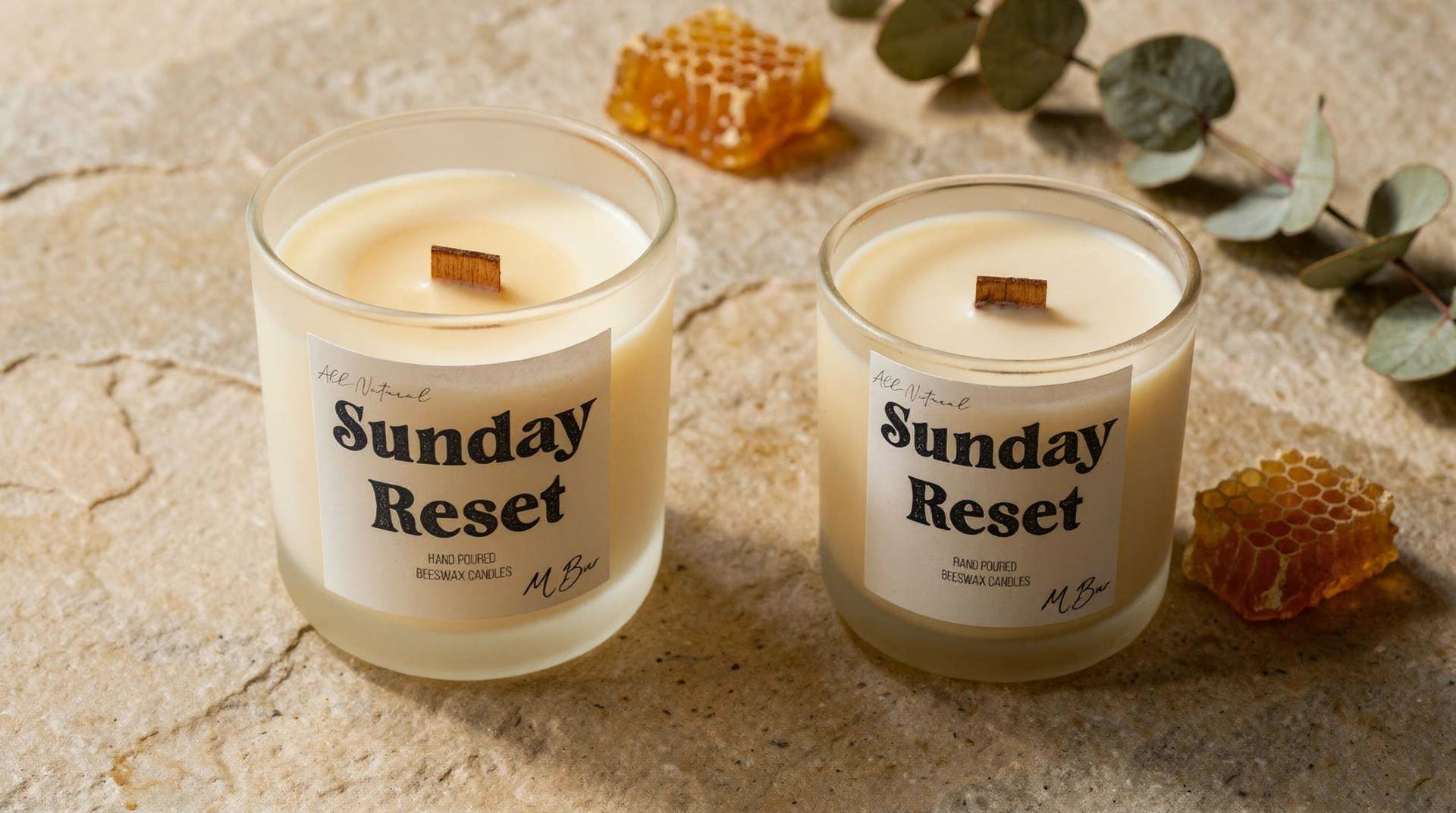
What Are These Waxes, Actually?
Beeswax
Produced by honeybees. The oldest candle material on earth, dating back roughly 5,000 years. Highest melting point of any natural wax, around 144 to 147 degrees Fahrenheit. Requires zero chemical processing. The natural honey scent is a genuine byproduct of the wax itself. Light spectrum when burning is the closest to natural sunlight of any candle material.
Coconut Wax
Derived from cold pressed coconut oil, then hydrogenated to raise its melting point. Very low melting point, typically around 100 degrees Fahrenheit. Almost always sold in container candles because it cannot hold its own structure as a free standing form.
Important caveat: most candles labeled as coconut wax are actually a blend. Pure coconut wax is too soft and too expensive to use alone in most commercial products. Watch for coconut paraffin blends or coconut soy blends being marketed as simply coconut wax candles.
The Comparison Framework
| Category | Beeswax | Coconut Wax |
|---|---|---|
| Source | Honeybee secretion, byproduct of honey production | Cold pressed coconut oil, chemically hydrogenated |
| Melting Point | 144–147°F (highest of any natural wax) | ~100°F (very soft) |
| Burn Time | Longest of any natural wax. MBur 12oz burns 80 hours. | Moderate. Typically 40–55 hours for a comparable size. |
| Chemical Processing | None. Filtered only. | Hydrogenation required. |
| Blend Risk | Low. Pure beeswax is common and verifiable. | High. Most are blended with paraffin or soy. |
| Sustainability | Supports beekeeping, byproduct of existing process | Renewable, but requires shipping from tropical regions |
| Hypoallergenic | Naturally hypoallergenic | Generally low irritant, depends on fragrance |
Burn Time and Price Per Hour
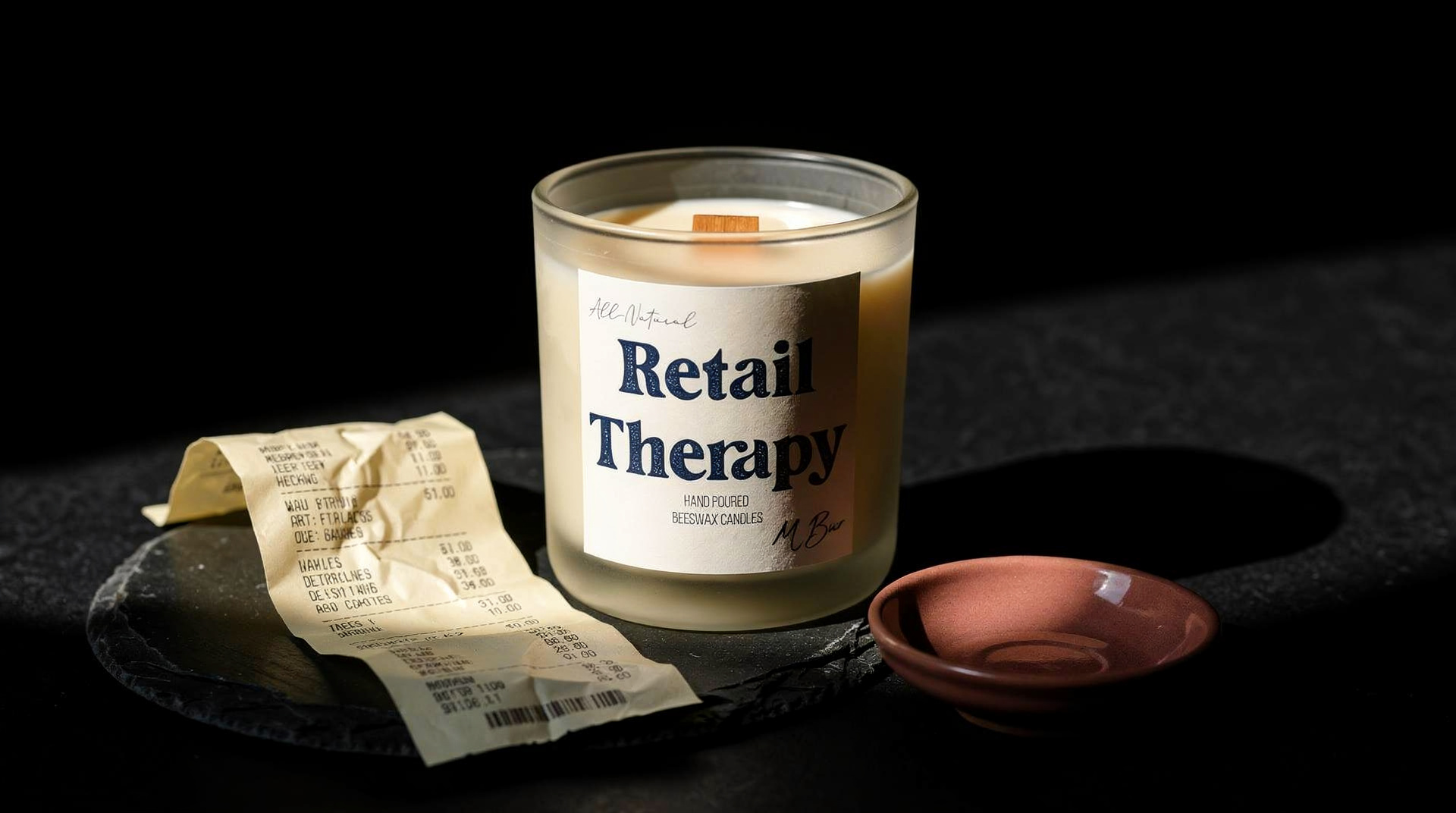
This is where beeswax wins, and it is not close. A 12oz MBur candle at $65 divided by 80 hours is $0.75 per hour. A 12oz coconut wax candle priced at $40 burning for 50 hours costs $0.80 per hour. Beeswax is actually cheaper to burn, hour for hour.
Scent Throw
This is the one category where coconut wax has a genuine edge. Coconut wax holds fragrance oil exceptionally well and releases it at lower temperatures, which creates a strong hot throw.
Beeswax is denser and burns at a higher temperature. What beeswax does instead is distribute scent more steadily and for longer, rather than front loading the fragrance experience in the first hour.
Health Impact and Air Quality
Both beeswax and coconut wax are genuinely cleaner than paraffin. Between beeswax and coconut wax, the chemistry favors beeswax.
Beeswax requires no chemical processing. Coconut wax undergoes hydrogenation. Beeswax is naturally hypoallergenic. And the real health variable in any candle is the fragrance, not just the wax. A coconut wax candle with toxic fragrance is not a clean candle.
"I absolutely love these candles! I instantly notice the difference in the air quality, in comparison to the Bath and Body scented candles. I love Bath and Body's candles but I acknowledge that it caused a slight headache and other minor respiratory discomfort." Jason H., Sunday Reset Candle
The Blend Problem
Pure coconut wax is fragile, expensive, and difficult to work with. Most commercial candlemakers solve this by blending coconut wax with paraffin or soy wax. That blended candle then gets marketed as a coconut wax candle.
Beeswax does not have this problem. When a candle says 100% beeswax, that is a verifiable, specific claim. When a candle says coconut wax, ask follow up questions.
Competitors Worth Knowing
Keap Candles uses a coconut apricot wax blend with non toxic fragrance and cotton wicks. A solid option if you prefer the coconut wax scent throw profile.
Fontana Candle Co. uses a beeswax and coconut oil blend. Its candles are scented with essential oils and are MADE SAFE certified.
Both are genuinely better than mass market paraffin candles. Neither burns for 80 hours or skips the blending step entirely.
The Verdict: Which One Wins for Which Use Case?
Best for longest burn time: Beeswax.
Best for strong hot throw in a small space: Coconut wax has an edge, particularly in well formulated container candles.
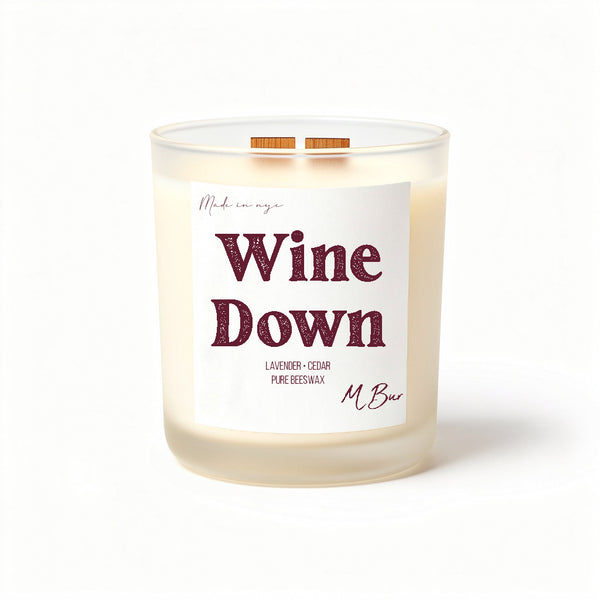
Best for air quality and sensitive households: Beeswax. No chemical processing, naturally hypoallergenic, no mandatory blending agents. The Wine Down candle (lavender, chamomile, sage, cedar, sandalwood) is the most frequently recommended for sensitive noses.
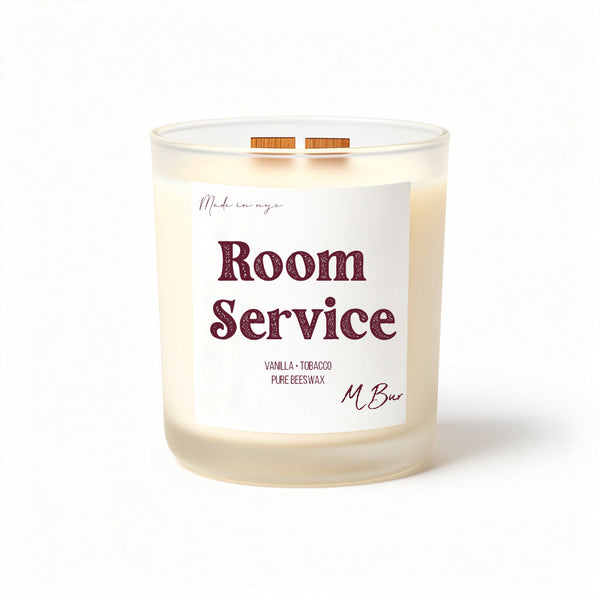
Best for aesthetics and gifting: Both work well. Coconut wax has photogenic creaminess. Beeswax has that warm golden tone. The Room Service candle (vanilla, tobacco, saffron, orchid, tonka bean) is the bestseller for gifting.
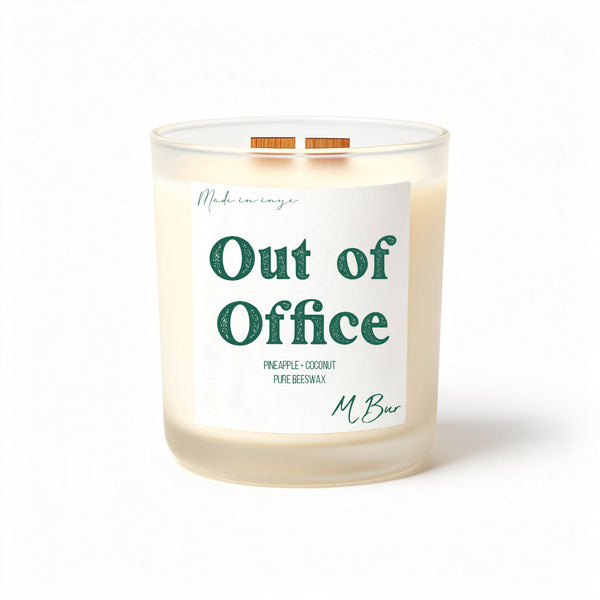
Best overall value: Beeswax, when you account for burn time.
Frequently Asked Questions
Is coconut wax actually cleaner than paraffin?
Yes. But the cleanliness of any candle depends on the full ingredient list, not just the wax. A coconut wax candle with toxic fragrance is not a clean candle.
Why does beeswax cost more than coconut wax?
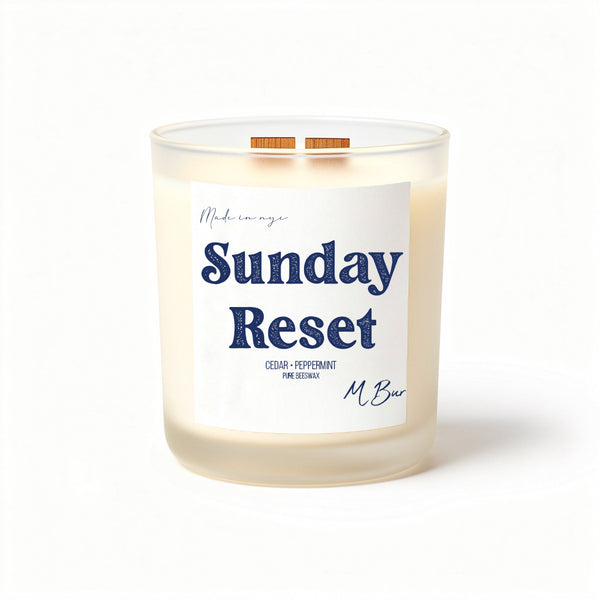
Beeswax is a biological product with supply constraints. Bees produce roughly one pound of wax for every ten pounds of honey. The higher upfront cost is offset by significantly longer burn times. The Sunday Reset candle at $65 for 80 hours costs $0.75 per burn hour.
Can coconut wax candles be used as pillar candles?
Not effectively. Coconut wax is too soft. It is almost exclusively used in container candles. Beeswax works as pillars, tapers, and containers.
How do I know if a coconut wax candle is actually pure coconut wax?
Ask the brand directly. Terms like coconut wax blend or coconut soy wax blend are signals that you are not getting pure coconut wax.
Do beeswax candles really produce negative ions?
Some studies suggest beeswax combustion releases negative ions. Many users report improved air quality. The research is not conclusive enough to make medical claims, but the anecdotal evidence is consistent.
Our Pick
Coconut wax is a legitimate step up from paraffin. But beeswax is in a different category. Longer burn time, no chemical processing, naturally hypoallergenic, and a light spectrum that no other candle wax can match.
Shop the full MBur beeswax candle collection
What buyers say:
Related reading:

