

Wick Too Small for the Vessel? Here's How to Fix the Tunnel
A wick that is too small for the vessel burns straight down the middle and leaves a thick wall of wax stuck to the sides. You paid for that wax. You are not getting to use it. The flame keeps sinking lower into its own little pit until it can barely breathe.
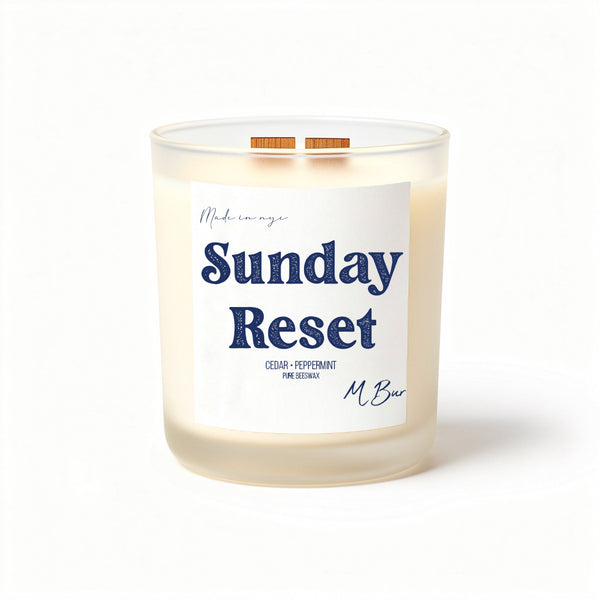
This problem has a name. Candle makers call it tunneling. It happens when the wick cannot throw off enough heat to melt the wax all the way to the edge. The good news is that most tunneled candles can be saved, and if you want to skip the whole headache next time, a wood-wick candle from our pure beeswax collection is sized to burn edge to edge without babysitting.
What tunneling actually is
Picture a candle that has burned for hours. The center is a deep, narrow hole. The outer ring stays hard and untouched. That ring is wasted fuel.
A candle needs a full melt pool to burn right. That means liquid wax reaching all the way to the glass. When the wick is undersized, the flame stays weak. Weak flame, small heat, small melt pool.

Here is the part people miss. The obvious fix seems like burning it longer. That does not work. An undersized wick will tunnel no matter how patient you are.
Why the wick size matters more than your habits
You have probably read that a short first burn causes tunneling. That is partly true. In some waxes, a short first burn sets a "memory ring" that locks the melt pool in place forever.
But a small wick is a different beast. The heat output is simply too low for the width of the glass. A wide vessel needs a wick that can push heat out across a big surface.
Wax type plays a role too. Soft waxes like soy melt at low temperatures, so they forgive a smaller wick. Beeswax has the highest melting point of any candle wax. It demands a wick that can keep up.
That high melting point is also why beeswax burns so slowly. Our 80-hour size runs longer than any other wax at the same size, because the flame has to work harder to melt it. A properly matched wick makes that work look effortless.
How to rescue a candle that already tunneled
Do not throw it out. That trapped wax is easy to reclaim with a little heat. Ranked here from the gentlest trick to the one you reach for when nothing else works.
The aluminum foil method
This is the classic fix and it costs nothing. Wrap foil around the top of the vessel like a little tent. Leave a small opening in the center over the flame.
The foil traps heat and bounces it back onto the hard outer ring. Light the wick and let it burn about one hour. Keep an eye on it the whole time.
The trapped ring softens and melts down into the pool. Once the surface is level again, remove the foil and burn as normal.

The heat gun or hair dryer
Blow warm air across the surface to melt the raised wax ring flat. A craft heat gun works fast. A hair dryer on high does the job too, just slower.
Aim for the hard edges, not the center. Once the top is smooth and level, let it cool and set. Now the wick has a fair shot at a full melt pool.
Scraping the excess wax
For deep tunnels, physically carve out the extra wax first. Let the candle cool completely. Use a spoon or a butter knife to lift away the hard ring around the wick.
Get the surface close to level. Then relight. A short, buried wick often needs this before any heat trick will help.
The candle warmer
No flame needed here. Set the candle on a warmer plate and let it melt the whole surface from below. This liquefies every bit of wax, even the stuck ring, so you still enjoy the scent.
"From the packaging to the burn of the candle everything was top-notch! Candle burned slowly and was exactly the amount of hours the company said it would burn. I was able to enjoy it for days even though it was the smaller size." Portia Darby
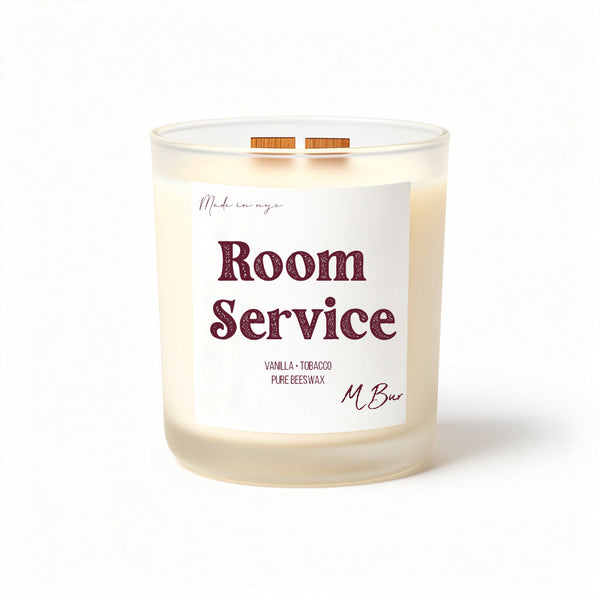
That is what a correctly wicked candle does. It burns the hours it promises, with no wall of wasted wax left behind. Our Room Service candle in the 55-hour size ($37) is wicked to melt clean across, so you get every hour you pay for.
If you make candles yourself
An undersized wick in your own pour needs a real fix, not a workaround. Dig out the old wick with pliers once the wax has cooled.
Melt the wax down again in a double boiler. Set a new, larger wick sized to your jar's inner diameter. Pour, let it cure, and burn.
Match the wick to the vessel width using the maker's chart, never a guess. Wick guides from craft resources like the University of Texas candle making guide can help you match size to diameter.

What about a second wick?
A wide vessel can take two flames. Adding a small auxiliary wick spreads the heat and widens the melt pool. Only do this if the jar is wide enough to hold two flames a safe distance apart.
This is exactly why MBur candles use a single wood wick sized right for each vessel. One wick, correctly matched, beats two flames fighting for air.
How to stop tunneling before it starts
Prevention is simple once you know the rules. Trim the wick to 1/8 to 1/4 inch before every burn. Too long makes soot. Too short starves the flame.
On the first burn, let it run until the melt pool reaches the glass on all sides. That takes one to four hours depending on width. Never burn a container candle longer than four hours at a stretch.
Keep the candle away from drafts. A fan, a vent, or an open window makes the flame lean and melt unevenly. A steady flame burns a clean, even pool.
FAQ
What causes a candle to burn straight down the middle without melting the edges?
That is tunneling, and it usually means the wick is too small in diameter to heat the whole surface. A wider melt pool needs more heat. A wood-wick candle from the MBur collection is wicked to the vessel so the pool spreads edge to edge.
Can I fix a candle that has already tunneled?
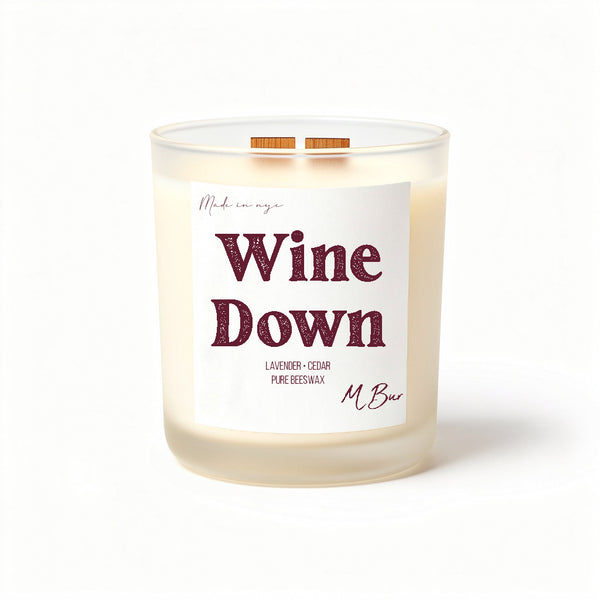
Yes. Wrap the rim in an aluminum foil tent to reflect heat back inward, or scrape away the hard side ring first. Our slow-burning Wine Down candle in the 40-hour size ($32) is built to avoid the problem in the first place.
How do I prevent tunneling in my own candle projects?
Match the wick size to the inner diameter of your vessel using a maker's chart, not a guess. When in doubt, size up rather than down.
What happens if I burn a candle with an undersized wick for too long?
The flame drowns in its own deep wax pool and fizzles out. You lose burn time and waste wax. A right-sized wick keeps the flame fed and the pool level.
How long do beeswax candles burn compared to other waxes?
Beeswax has the highest melting point, so it burns slowest. Our largest 80-hour size ($65) runs longer than any other wax at the same size when the wick is matched right.
The takeaway
A wick too small for the vessel causes tunneling, but foil, heat, or a warmer will rescue the trapped wax every time. The real fix is buying a candle wicked correctly from the start. MBur's wood-wick beeswax candles are sized to melt edge to edge and burn the full hours listed.
Readers keep coming back for the clean, even burn, with dozens of five-star reviews on the pure beeswax line. Ready for a candle that burns right the first time? Shop the Room Service candle and skip the tunnel for good.
Related reading

