

Why Your Water Softener Smells (and How to Fix It)
A rotten-egg, sulfur smell in your water or near the softener comes from bacteria growing in the stagnant brine tank, or in a water heater the softened water feeds. Clean and sanitize the tank, use good salt, and check the water heater, and the smell clears.
We make small-batch beeswax candles in Far Rockaway, so a room that truly smells clean is our whole focus, and that always starts at the source rather than the scent. Below is where the smell comes from, how to clear it step by step, and how to keep the space fresh afterward, with the full the MBur beeswax candle collection here as you read.
Why softened water smells like sulfur
The brine tank holds standing salt water that can grow sulfur-producing bacteria, and that smell gets into the softened water and out to your taps. Low-grade salt that leaves sludge makes it worse.
Often the smell actually comes from the water heater downstream, where a reaction at the anode rod produces the rotten-egg gas. Both are worth checking.

How to fix it, step by step
- Clean the brine tank. When the salt is low, scrub the inside of the tank and drain and rinse out the sludge and salt buildup at the bottom.
- Sanitize the softener. Run a softener-safe sanitizer, or a small measured amount of unscented bleach per the manufacturer's instructions, through a regeneration cycle to kill bacteria.
- Use clean salt. Switch to high-purity salt, which leaves less residue and sludge than low-grade salt.
- Check the water heater. If the sulfur smell is mainly in hot water, the water heater or its anode rod is likely the source. Flushing it or replacing the anode may be needed.
- Keep it regenerating. Make sure the softener regenerates on schedule so brine does not sit stagnant.
Match the smell to the source. Sulfur in both hot and cold water points to the softener or supply, while a smell only in hot water points to the water heater.

Keep it from coming back
Keep the brine tank clean, use good salt, and sanitize the softener periodically.
For a water heater that keeps producing the smell, a plumber can check the anode rod, which is often the fix.
Freshen the whole room once the source is gone
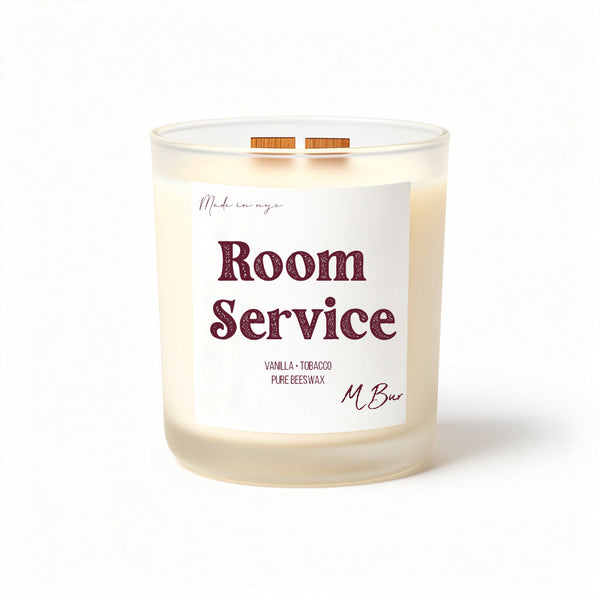
With the stagnant brine handled, the air itself is the last step. A clean candle is the finishing touch here, best lit once the space is already clean. From there it is the fastest way to make the room read fresh rather than merely neutral.
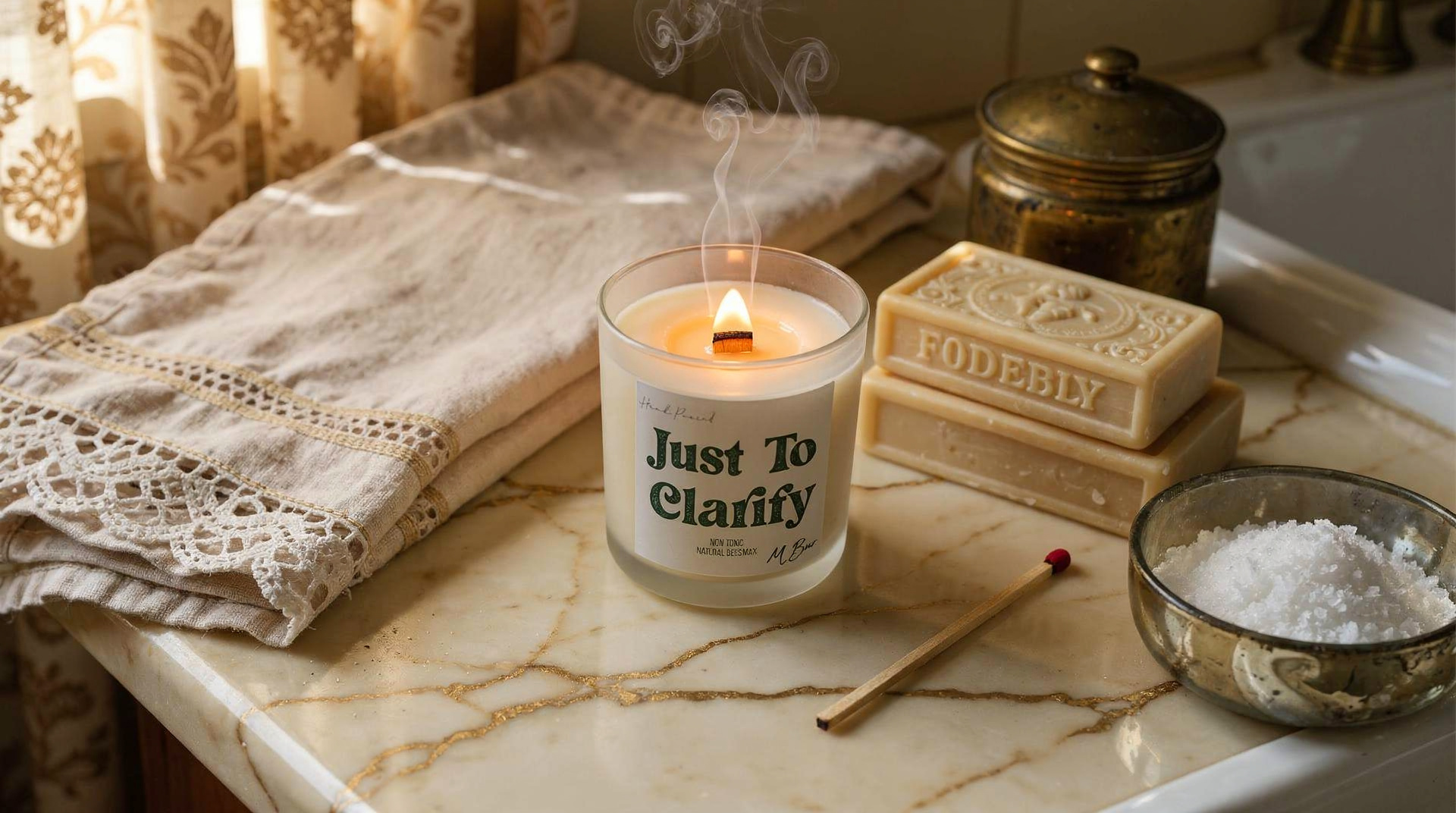
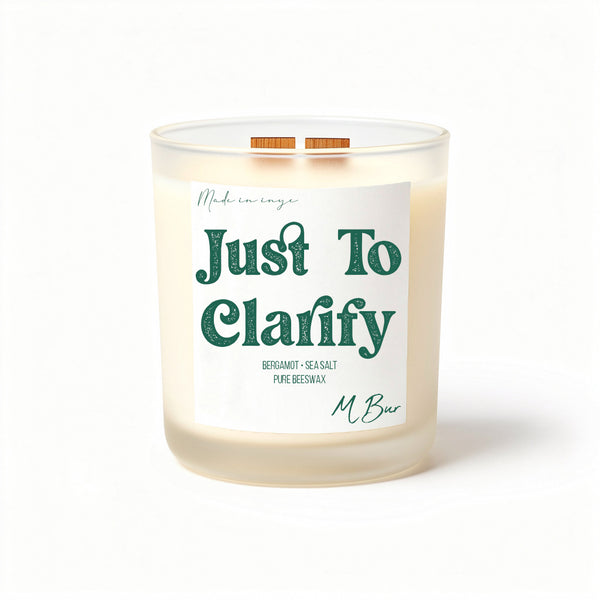
For your home, Just to Clarify fits well. It is clean and crisp, with bergamot, lemon, and green tea, and like every MBur candle it is poured from 100% beeswax with a wooden wick and phthalate-free non-toxic fragrance oils, so freshening the air never means adding soot on top.
Frequently asked questions
Why does my water smell like rotten eggs?
Sulfur-producing bacteria in the brine tank or a reaction in the water heater. Clean and sanitize the softener, and check the water heater if the smell is only in hot water.
Can I put bleach in my water softener?
Only a small measured amount of unscented bleach per the manufacturer's instructions, run through a regeneration cycle. Follow the manual to avoid damaging the unit.
Does the type of salt matter?
Yes. High-purity salt leaves less sludge that can harbor bacteria, so it helps keep the tank cleaner.
When should I call a plumber?
If sanitizing the softener does not clear a sulfur smell in hot water, the water heater or anode rod likely needs attention, which is a job for a pro.
Ready to keep your space smelling clean once the source is handled? Explore the MBur beeswax candle collection and find the scent that fits the room.

