

Why Your Candle Tunnels and How to Prevent It
You spent good money on a premium candle, burned it for an hour while reading, and now it looks like a miniature volcano with a deep crater in the center. The wax on the edges remains completely solid while the wick drowns in a narrow hole. This frustrating phenomenon is called candle tunneling. It ruins the aesthetic of your favorite home decor piece and wastes a massive amount of expensive wax.
The good news is that wax behavior follows strict physical rules. Once you understand the science behind the melt pool, you can easily avoid candle tunneling and even rescue a candle that has already started to crater. If you want to skip the troubleshooting and just grab a reliably crafted option, browse our full beeswax candle collection to see how proper wick sizing makes a difference.
The Science of Wax Memory and the First Burn
Candle wax possesses a physical property that chandlers refer to as memory. When you light a candle for the very first time, the wax melts outward from the wick until it either hits the edge of the container or you blow it out. That initial melt pool establishes a boundary for every single future burn.
If you extinguish the flame before the liquid wax reaches the outer edges, the wax remembers that exact diameter. The next time you light it, the flame will only melt the wax within that previously established ring. Over time, the wick burns straight down into the center, leaving a thick wall of untouched wax around the perimeter.
Preventing this requires patience during that crucial first lighting. A general rule for proper candle burning dictates that you need one hour of burn time for every inch of the container diameter. A candle with a three inch diameter needs a solid three hour initial burn to create a full melt pool.
Why Some Candles Tunnel Even When You Follow the Rules
Sometimes you do everything right and the candle still tunnels. When this happens, the fault lies in the manufacturing or the environment.
The most common manufacturing flaw is an undersized wick. A wick that is too small or weak for the candle diameter simply cannot generate enough heat to push the melt pool to the edges. This is a frequent issue with mass produced candles that prioritize cheap materials over proper candle burning mechanics.
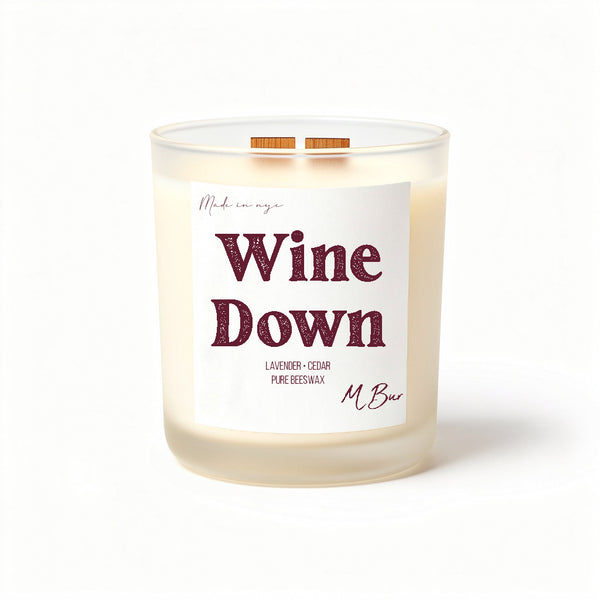
The type of wax also plays a massive role. Harder waxes require significantly more heat to melt. Paraffin and pure beeswax have much higher melting points than soft soy blends. While harder waxes give you a vastly superior and longer lasting burn, they demand strict adherence to the first burn rule.
Your room environment matters just as much. Burning a candle in a very cold room or placing it near a drafty window causes the wax at the edges to harden too quickly. The ambient temperature drops the surface heat, preventing the melt pool from reaching the glass.

How Quality Ingredients Change the Burn Experience
When a candle is crafted with the correct wick to wax ratio, the maintenance becomes effortless. Our candles use wooden wicks specifically chosen to generate the wide, even heat required to melt dense pure beeswax all the way to the edge.
Customers notice the difference in both the burn quality and the air quality.
"I absolutely love these candles! I instantly notice the difference in the air quality, in comparison to the Bath & Body scented candles. I love Bath & Body's candles but I acknowledge that it caused a slight headache and other minor respiratory discomfort. Awesome products. Totally addicted."
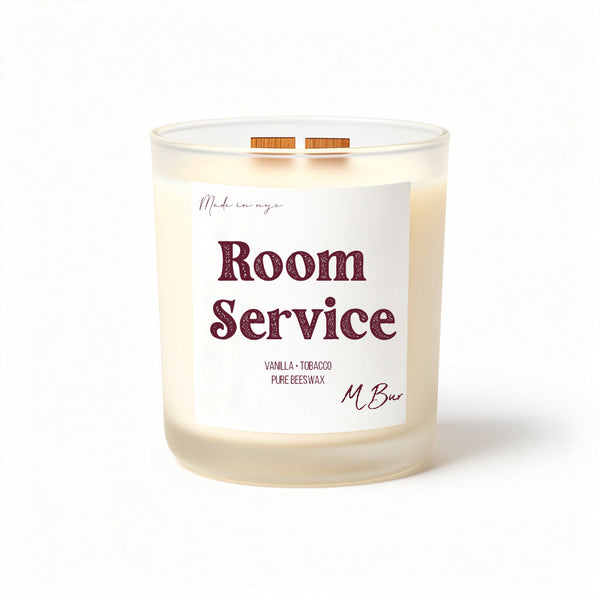
That clean burn comes from using pure beeswax and clean fragrance oils instead of the toxic fragrance blends found in big box stores. If you want a scent that fills the room without the chemical hangover, the Room Service candle is a perfect place to start. It delivers that luxurious hotel lobby vibe while the wooden wick ensures a wide, even melt pool.
Your Checklist to Avoid Candle Tunneling
Keeping your candles burning beautifully requires a few simple habits.
First, commit to the initial burn. Never light a new candle unless you have at least two to three hours to let it burn. Watch the liquid wax until it touches every side of the container before blowing it out.
Second, keep your wick trimmed. Before every single lighting, trim the wooden wick to about one eighth of an inch. A properly trimmed wick ensures a steady, even flame that generates consistent heat. An overgrown wick will flicker, produce soot, and burn irregularly.
Third, control the environment. Keep your candles away from air conditioning vents, open windows, and ceiling fans. A draft pushes the flame to one side, melting one edge while the other side remains solid.

How to Rescue a Candle That Has Already Tunneled
If you are reading this while staring at a deeply tunneled candle, you can still fix it. You just need to manually reset the wax memory by forcing the outer edges to melt.
The aluminum foil method is the most reliable. Wrap a sheet of heavy aluminum foil around the top of the candle jar, leaving a small opening in the center for the wick. The foil traps the rising heat and forces it outward toward the solid wax walls. Light the candle and let it burn for about twenty minutes. Once the top layer completely liquefies, carefully remove the foil with oven mitts.
You can also use a hair dryer or a heat gun on a low setting. Melt the top layer of wax until it evens out and reaches the edges. Be careful to avoid overheating the glass or blowing the liquid wax around, which can shift the wick off center.
For severe tunnels, use a spoon or a butter knife to physically scrape away the hard wax ring around the top. Remove the excess wax until the surface is relatively flat, then relight the candle and let it burn long enough to reset the memory.

Frequently Asked Questions About Candle Maintenance
Why does my expensive candle tunnel even though I burned it for two hours?
High quality candles often use harder waxes like pure beeswax or dense paraffin blends. These waxes have higher melting points and might require three or four hours to achieve a full melt pool on the first burn. Always wait until the liquid wax touches the glass before extinguishing the flame. You can explore our full beeswax candle collection to find options with perfectly sized wooden wicks designed for wide melt pools.
Can a cold room really cause my candle to tunnel?
Yes. If the ambient room temperature is very cold, or if the candle sits near a drafty window, the wax at the edges cools and hardens faster than the center can melt it. Always burn your candles in a stable, draft free environment.
Does wick size really matter for preventing tunnels?
Wick size is the most critical manufacturing factor. A wick that is too small will never generate enough heat to melt the outer edges, no matter how long you burn it. We test every wick size to ensure it perfectly matches the diameter of our jars.
Will three wick candles tunnel?
Multi wick candles are actually less prone to tunneling because the combined heat output easily reaches the edges of large containers. However, you still need to let all three wicks create a unified melt pool across the entire surface during the first burn.
Burn Better, Waste Less
Candle tunneling is entirely preventable once you respect the physics of the first burn. Give your candles the time they need to establish a full melt pool, keep the wicks trimmed, and avoid chilly drafts. When you pair these simple habits with a well crafted candle, you get a clean, even burn that lasts for dozens of hours.
Ready to upgrade your candle maintenance routine with wax that actually performs? Browse our full beeswax candle collection and experience the difference that proper wick sizing and pure ingredients make. Our customers rate us five stars for a reason, and your next favorite scent is waiting.
Related reading

