

How to Get the Musty Smell Out of a Wetsuit or Dive Gear
The musty smell clinging to your wetsuit is bacteria breaking down sweat and salt trapped inside neoprene bubbles. The river or ocean gets the blame, but the real culprit is microscopic decomposition happening right inside the foam of your gear. Getting that funk out requires more than a quick rinse under the outdoor shower. We are going to break down exactly why dive gear holds onto odors, the most effective ways to clean a wetsuit, and how to keep your home smelling incredible when your gear has to dry indoors. If you want to skip the science and just upgrade your home fragrance right now, you can browse our full beeswax candle collection to find your new favorite scent.
The Science of the Stink
Neoprene is a marvel of modern engineering. This synthetic rubber keeps you warm in freezing water by trapping tiny pockets of air within its structure. Those microscopic bubbles provide excellent insulation. They also act like a sponge for everything else.
Every time you wear your wetsuit, it absorbs body oils, sweat, sunscreen residue, and pool chemicals. Bacteria naturally live on your skin and thrive in the warm, damp environment inside a worn wetsuit. As these bacteria break down organic matter like sweat and skin cells, they release volatile compounds. That decomposition process is the exact source of the foul, swampy odor.
Leaving your gear crumpled in a damp mesh bag accelerates this process. The bacteria multiply rapidly in dark, unventilated spaces. By the time you pull the suit out for your next session, the smell has permanently baked into the rubber. Proper wetsuit maintenance stops this bacterial cycle before it starts.

How to Clean a Wetsuit and Remove Odors
Getting rid of the smell requires breaking down the bacteria and flushing out the trapped organic matter. Here is the step by step process to restore your gear.
Step 1: The Immediate Fresh Water Rinse
Rinse your wetsuit inside and out with cool, fresh water immediately after every use. Salt crystals and chlorine degrade the neoprene and trap odors. A thorough rinse removes the surface layer of salt, sand, and bodily fluids before the bacteria have a chance to settle in.
Step 2: The Deep Deodorizing Soak
If your gear already smells funky, a simple rinse falls short. You need a deep soak to neutralize the bacteria. Fill a large tub or bucket with cool water. Add half a cup of white vinegar. Vinegar is a mild acid that kills odor causing bacteria without damaging the rubber. Let the wetsuit soak for at least one hour.
For heavily soiled gear, you can create a stronger homemade cleaning solution. Mix two tablespoons of baking soda, one tablespoon of white vinegar, and a squirt of mild antibacterial dish soap into two liters of water. Submerge the suit and let it work for a few hours before rinsing thoroughly.
Commercial odor eliminators are another solid option. Gear Aid Revivex Odor Eliminator costs for a 10 oz spray and uses a water activated, microbe based formula to consume odor sources. Seavenger Wetsuit Odor Remover offers an alcohol free, non toxic spray alternative. Avoid harsh detergents or bleach, as these strip the neoprene of its flexibility and ruin the seams.
Step 3: Drying the Right Way
Avoid putting your wetsuit in a washing machine or a dryer. The agitation tears the seams and the heat melts the rubber.
Hang the suit on a thick, padded hanger to prevent shoulder dimples. Keep it in a shaded, well ventilated area. Direct sunlight degrades neoprene rapidly, causing it to crack and fade. Turn the suit inside out halfway through the drying process to ensure both sides get adequate airflow.
Wetsuit Storage and Prevention
Once your gear is completely dry, storage becomes your next line of defense.
Fold the wetsuit loosely or hang it in a cool, dry closet. Avoid leaving it crumpled at the bottom of a gear bag or stuffed into a damp trunk. Moisture is the enemy of fresh smelling dive gear.
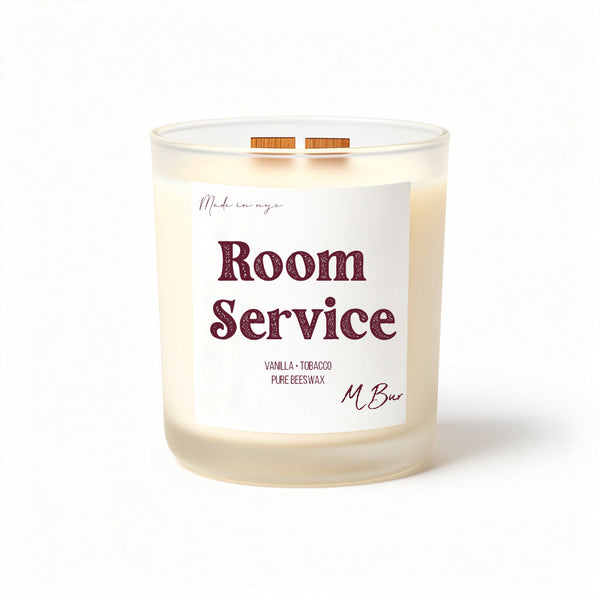
Many divers and surfers swear by placing cedar chips or cedar blocks near their stored wetsuits. Cedar contains natural oils that repel moisture and emit a clean, woody aroma. It is a simple, passive way to maintain wetsuit freshness between uses.

Managing the Dive Gear Mudroom Smell at Home
Sometimes you have to dry your gear indoors. Maybe you live in an apartment, or the weather outside is terrible. Drying a damp wetsuit in your hallway or mudroom turns that space into a humid, smelly zone.
The instinct is to light a heavily scented candle to mask the odor. Most commercial candles use toxic fragrance containing phthalates and parabens. Masking a biological smell with toxic fragrance just creates a confusing, heavy air that often leads to headaches and respiratory irritation.
A clean burning beeswax candle takes a completely different approach. Beeswax naturally purifies the air slightly as it burns, and it releases zero black soot or harmful chemicals. You get a genuinely fresh space without the chemical hangover.
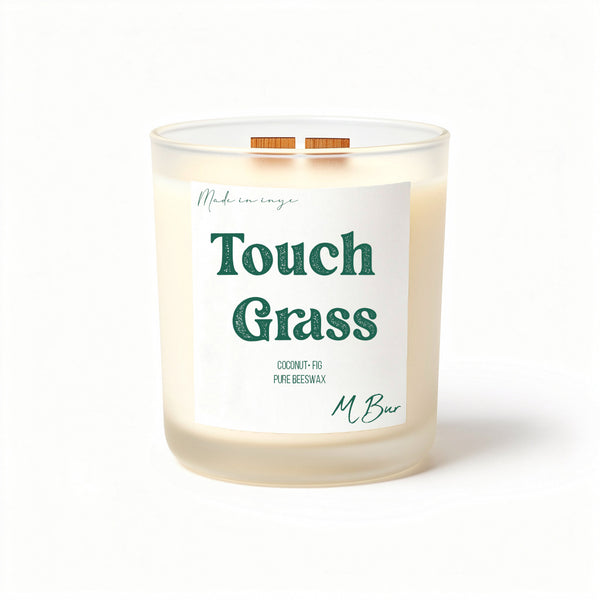
The Touch Grass Candle is perfect for this exact scenario. It brings the crisp, green energy of the outdoors inside. The scent of fresh, dewy fig leaves fills the room, grounded by a whisper of green galbanum and the deep juiciness of black currant. It smells like a garden right after the rain, completely resetting the vibe of a damp mudroom.
Our customers notice the difference in air quality immediately. As Jason H. shared in his review, "I absolutely love these candles! I instantly notice the difference in the air quality, in comparison to the Bath & Body scented candles. I love Bath & Body's candles but I acknowledge that it caused a slight headache and other minor respiratory discomfort. Awesome products. Totally addicted."
When you choose non toxic fragrance and pure beeswax, you are upgrading your home environment, not just covering up a bad smell.

Frequently Asked Questions
Can I wash my wetsuit in a washing machine?
You should avoid putting a wetsuit in a washing machine. The spinning agitation will tear the delicate seams and the heat will permanently damage the neoprene. Hand washing in a tub or bucket is the only safe way to clean wetsuit gear. You can find more clean home products in our full beeswax candle collection to keep your laundry room smelling great.
How often should I deep clean my dive gear?
A quick fresh water rinse is required after every single use. A deep deodorizing soak with vinegar or a commercial microbe cleaner should happen once a month, or immediately if you notice the smell returning. Regular wetsuit maintenance extends the life of the rubber significantly.
Why does my wetsuit smell like urine?
Neoprene absorbs liquids easily, and the warm environment inside a suit encourages bacterial growth. If the smell persists after a vinegar soak, try a specialized enzymatic cleaner designed to break down uric acid crystals. Always follow up by burning a clean beeswax candle in the drying room to keep the air fresh.
Final Thoughts
Getting the musty smell out of a wetsuit comes down to killing the bacteria trapped in the neoprene and drying the gear properly. Consistent rinsing, occasional deep soaks, and smart storage will keep your dive gear fresh for years. When your gear has to dry inside, skip the toxic air fresheners and opt for a pure beeswax candle to keep your home smelling incredible. Grab the Touch Grass Candle or explore our full beeswax candle collection to find the perfect scent for your space.
Related reading

