

Why Your Candle Smells Chemical (and What to Do)
A candle that smells chemical or harsh even when it is unlit is usually a cheap paraffin candle with a heavy artificial fragrance load, and the cold scent you notice is the fragrance oils off-gassing. Air a new one out, burn it properly, and if it still smells off, switch to a cleaner-burning wax.
We make small-batch beeswax candles in Far Rockaway, so a room that truly smells clean is our whole focus, and that always starts at the source rather than the scent. Below is where the smell comes from, how to clear it step by step, and how to keep the space fresh afterward, with the full the MBur beeswax candle collection here as you read.
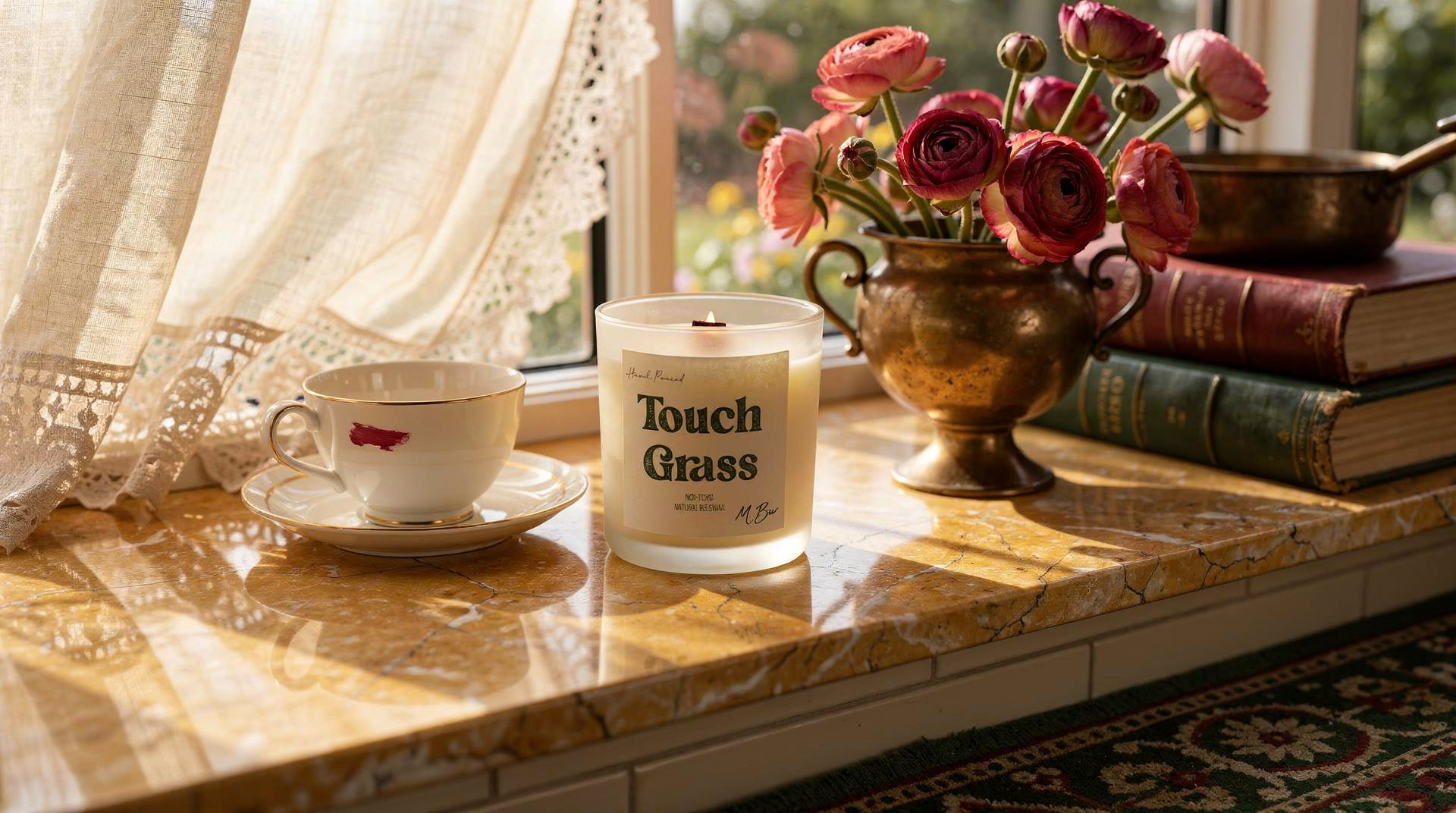
Why a candle smells chemical
Many mass-market candles are paraffin, a petroleum-based wax, with a lot of added fragrance to throw scent, and that heavy load can smell cloying or chemical, especially unlit. A poorly made candle with the wrong wick or too much fragrance also burns sooty and smells worse.
Some people simply notice paraffin soot and heavy scent more than others. Burning it right, or switching wax, is what helps.
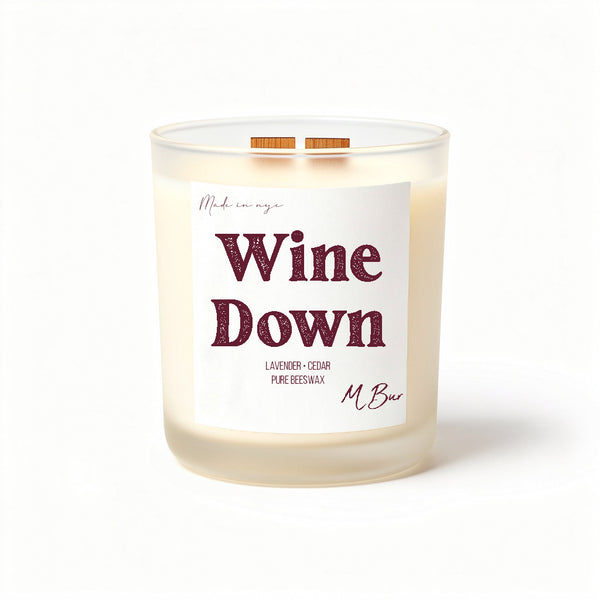
What to do about it, step by step
- Air out a new candle. Let a new candle sit unlit in open air for a day or two, since some of the strong cold scent off-gasses.
- Trim the wick and burn it right. Trim the wick to about a quarter inch before each burn, which cuts soot and the burnt-chemical smell, and let the wax pool to the edges on the first burn.
- Burn in a ventilated room. Airflow keeps the scent from feeling heavy and clears any soot.
- Judge the quality. If a candle consistently smells chemical or sooty no matter what, it is likely a low-quality candle, and the fix is a better one.
- Switch to a cleaner wax. Beeswax, and soy, burn cleaner and cooler than paraffin with less soot, so if paraffin candles bother you, a natural-wax candle is worth trying.
If it bothers you unlit, the fragrance load is the tell. A heavy artificial scent that smells chemical cold rarely burns better, so a cleaner, natural-wax candle is usually the real answer.
Keep it from coming back
Choose well-made candles, trim the wicks, and burn them properly in a ventilated room.
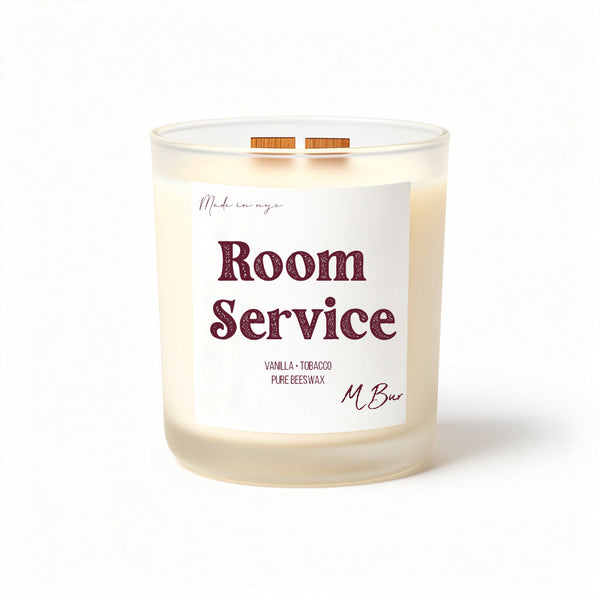
Pick a wax that agrees with you, since the wax and the fragrance load are what decide how a candle smells.
Freshen the whole room once the source is gone
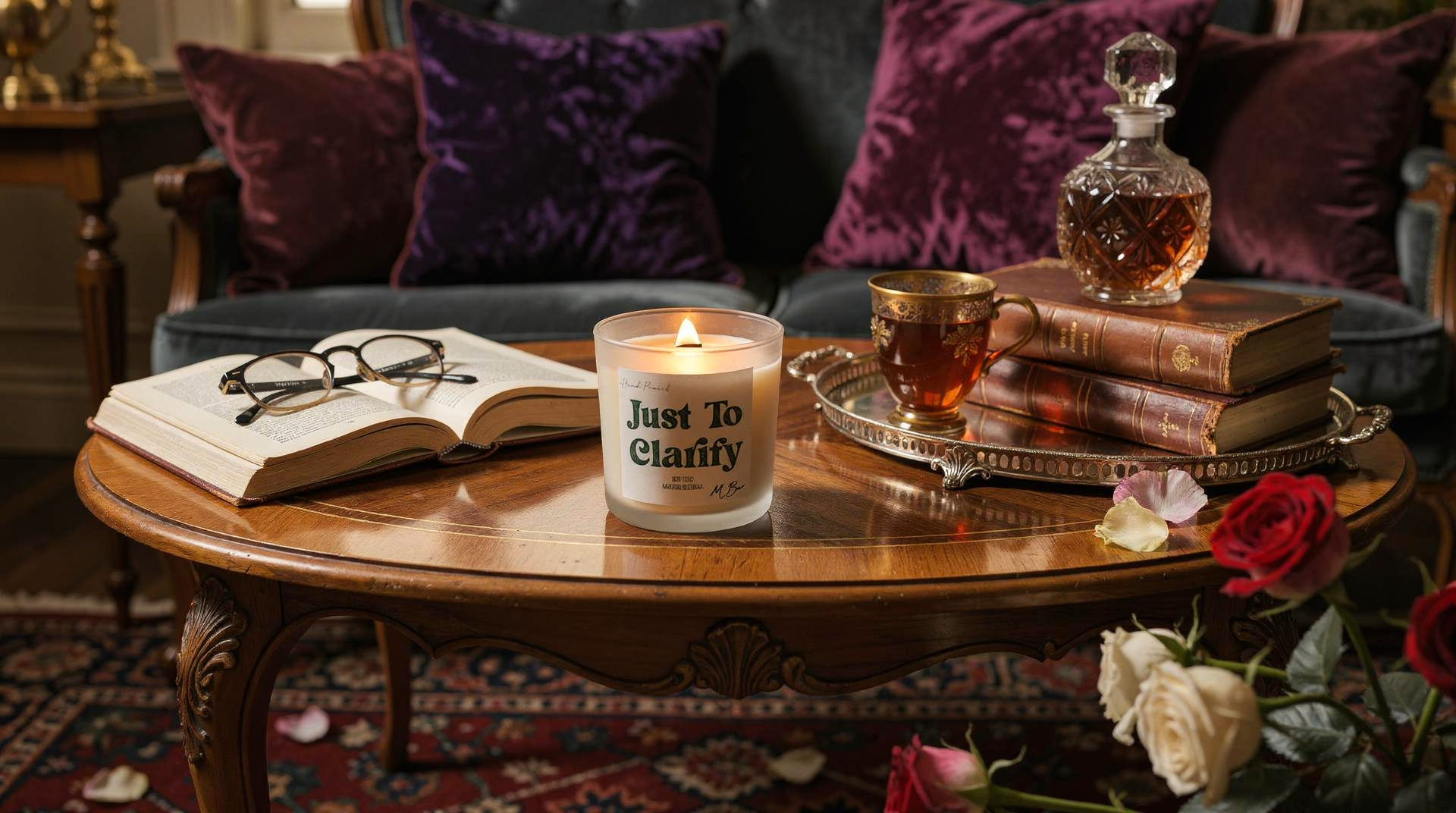
With a chemical-smelling candle handled, the air itself is the last step. A clean candle is the finishing touch here, best lit once the space is already clean. From there it is the fastest way to make the room read fresh rather than merely neutral.
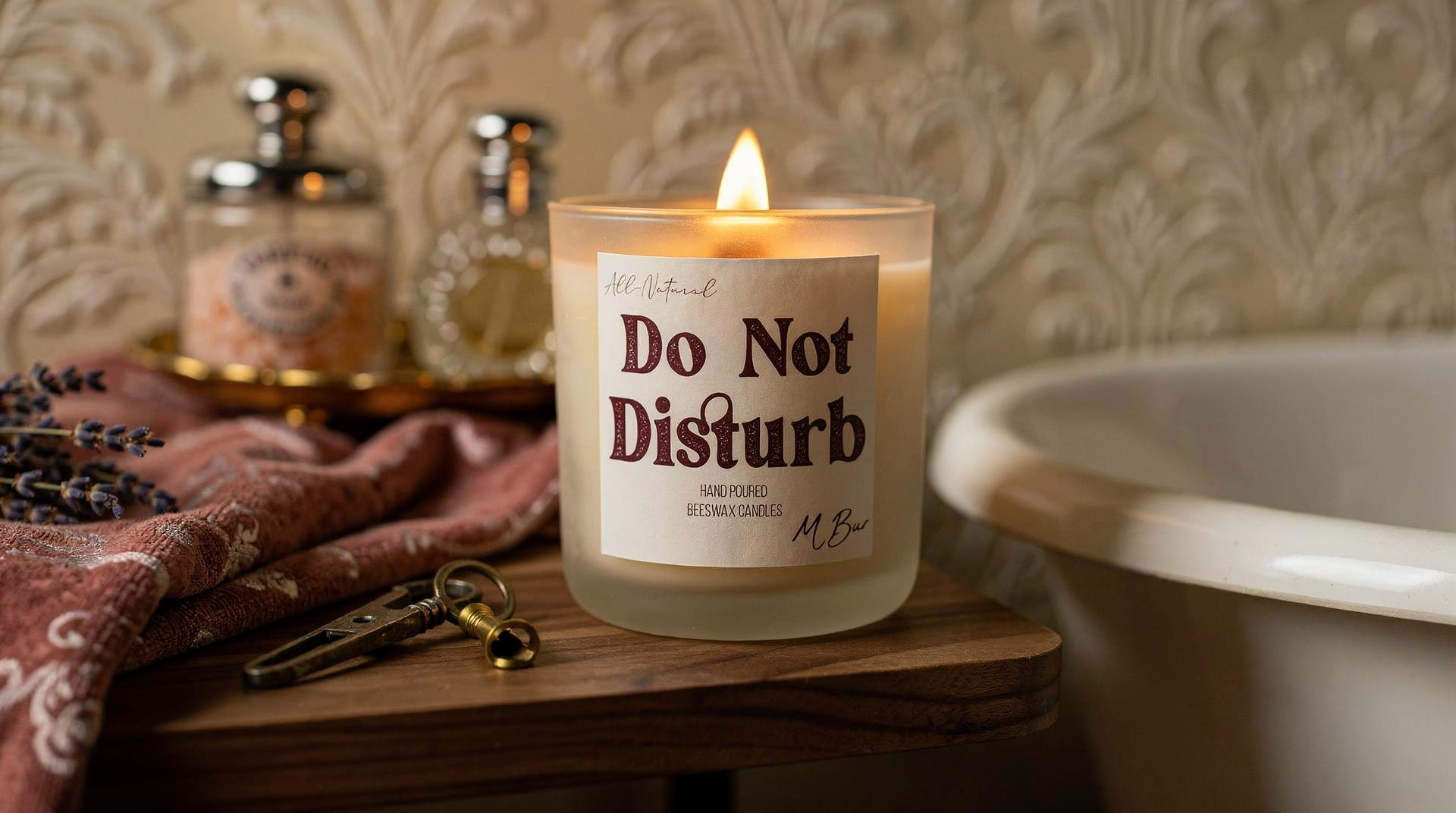
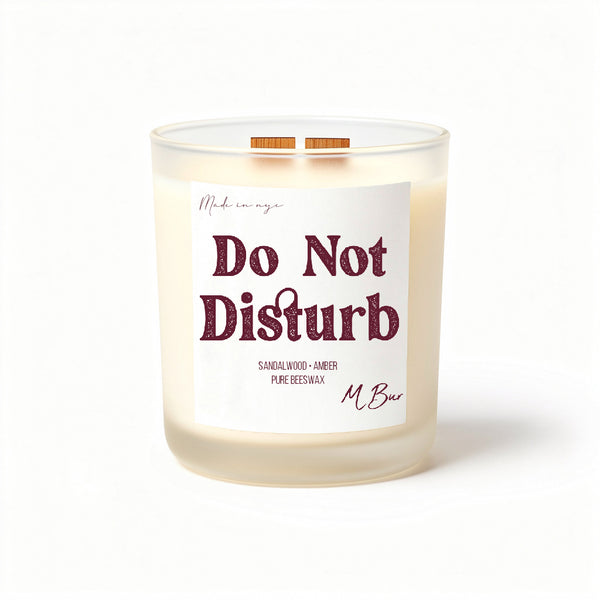
For your home, Do Not Disturb fits well. It is soft and warm, with pear, bergamot, jasmine, and sandalwood, and like every MBur candle it is poured from 100% beeswax with a wooden wick and phthalate-free non-toxic fragrance oils, so freshening the air never means adding soot on top.
Frequently asked questions
Why does my candle smell chemical when it is not lit?
The cold scent is the fragrance oils off-gassing, and a heavy artificial load in a cheap paraffin candle can smell chemical. Airing it out helps, and a cleaner wax helps more.
Why does my candle make black soot?
Usually an untrimmed wick or a poorly made candle. Trim the wick to about a quarter inch and burn it in a draft-free, ventilated spot.
Is beeswax better than paraffin?
Beeswax burns cleaner and cooler than paraffin with less soot, and many people find its scent gentler, so it is worth trying if paraffin candles bother you.
How do I burn a candle properly?
Trim the wick before each burn, let the wax melt to the edges the first time, and keep it out of drafts in a ventilated room.
Ready to keep your space smelling clean once the source is handled? Explore the MBur beeswax candle collection and find the scent that fits the room.

