

Why New Furniture Smells (and How to Fix It)
New particle board or MDF furniture gives off a sharp chemical smell, which is off-gassing, mainly formaldehyde from the glues that bind pressed-wood products. Ventilation and time are the real fix, with wiping and absorbers to speed it along.
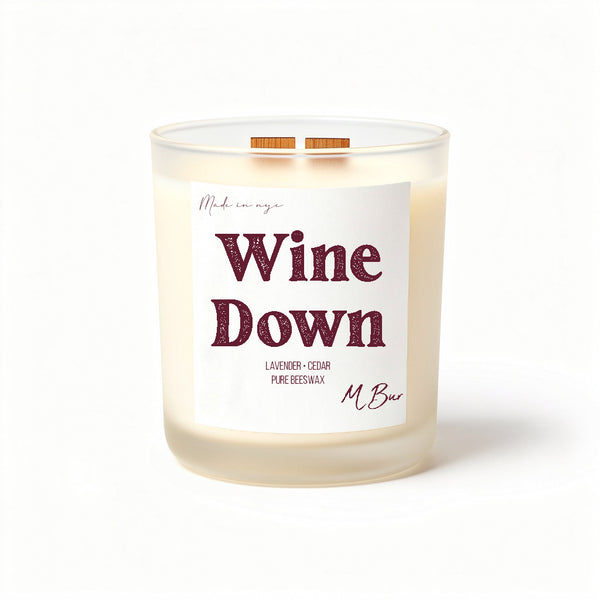
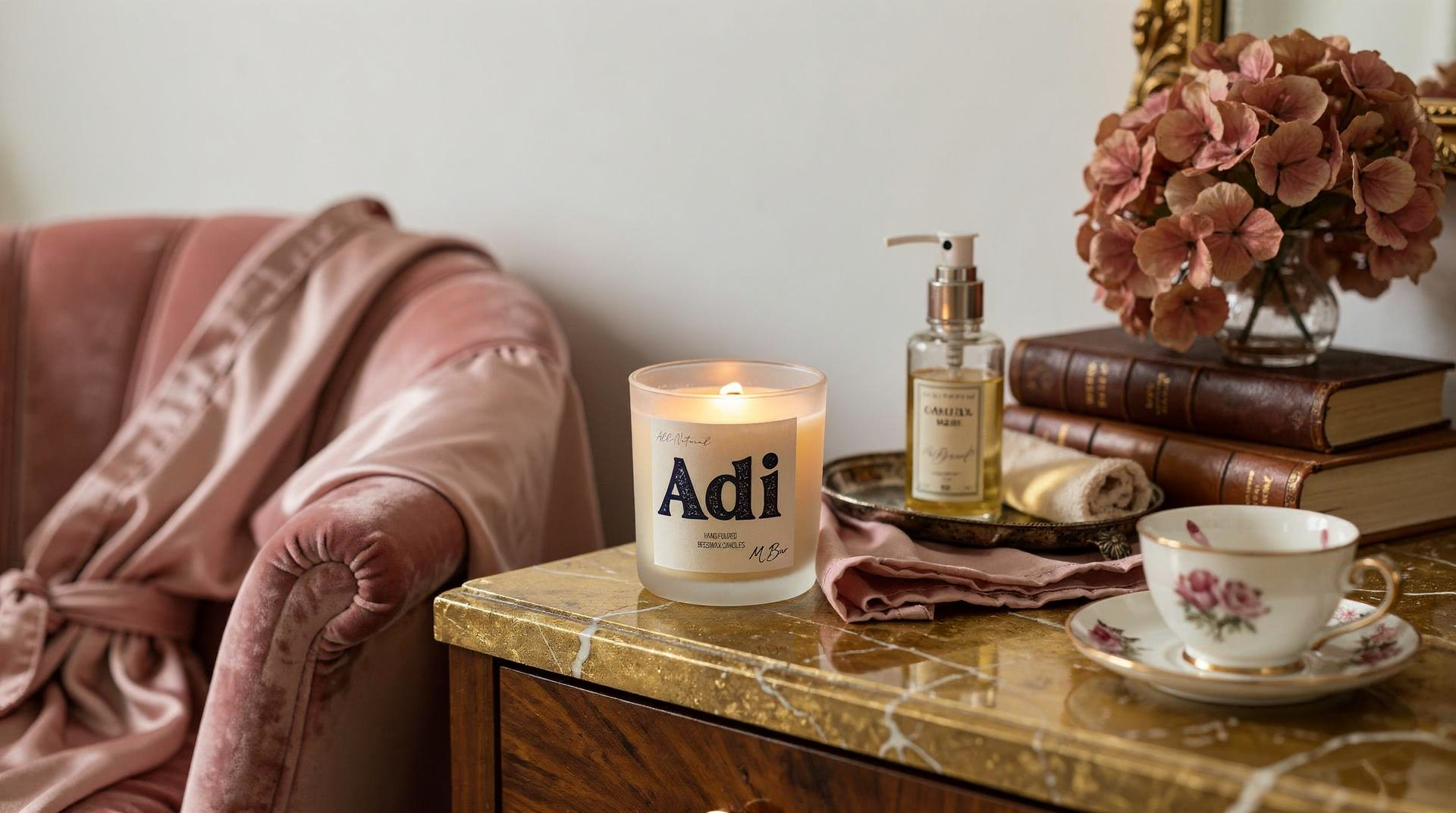
We make small-batch beeswax candles in Far Rockaway, so a room that truly smells clean is our whole focus, and that always starts at the source rather than the scent. Below is where the smell comes from, how to clear it step by step, and how to keep the space fresh afterward, with the full the MBur beeswax candle collection here as you read.
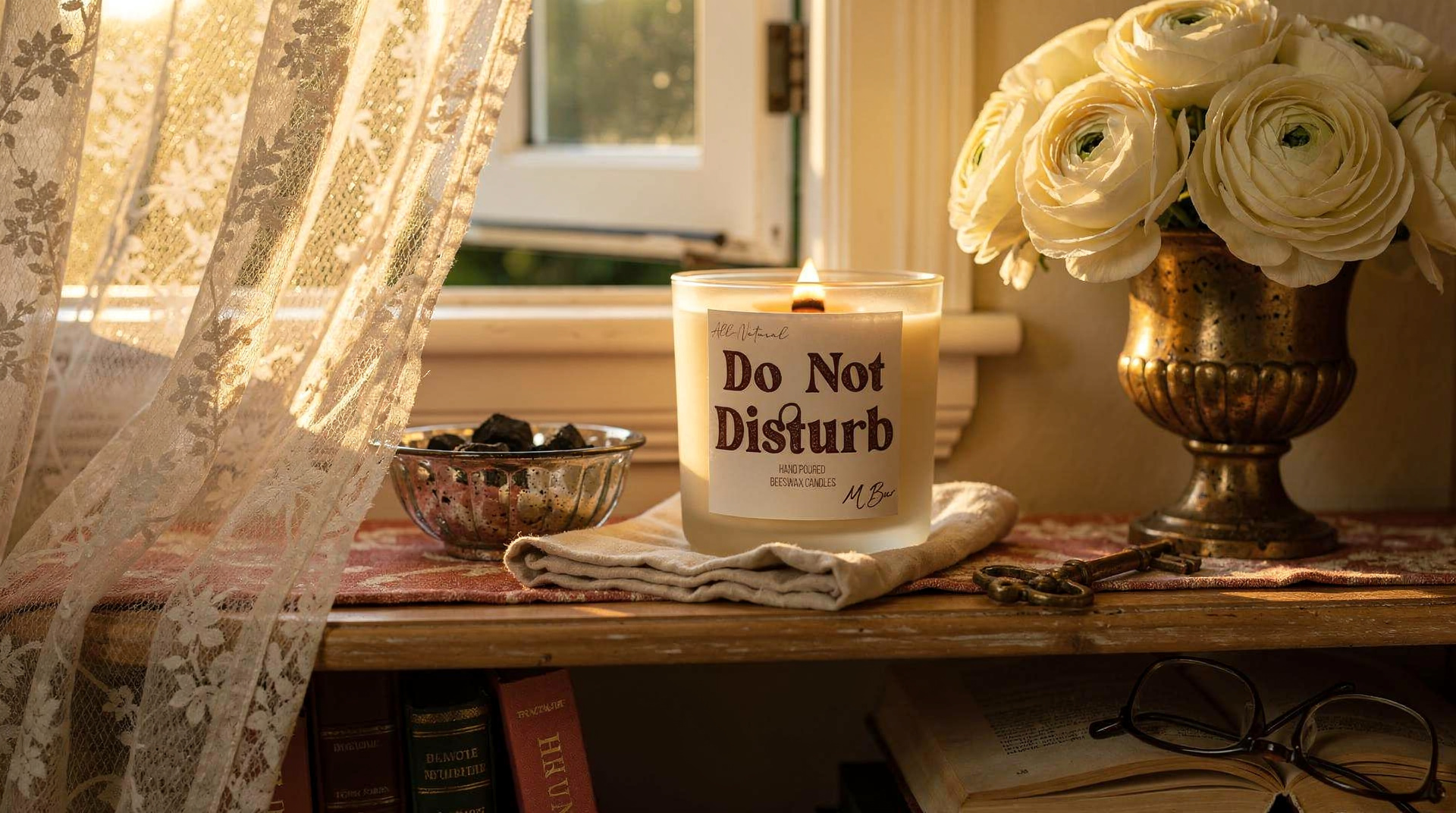
Why new furniture smells chemical
Pressed-wood furniture releases formaldehyde and other compounds, strongest when new and in warm, humid, closed rooms. The smell can linger for weeks to months.
It is worth taking seriously, since formaldehyde is an irritant that the EPA's guidance on formaldehyde and indoor air links to eye, nose, and throat irritation, so airing it out matters beyond the smell.
How to clear it, step by step
- Air it out. The main fix is time and ventilation. Open windows and run a fan, and the off-gassing fades as it airs.
- Warm and ventilate. Off-gassing speeds up in warmth, so a warm, well-ventilated room, or airing a new piece in a garage or spare room first, helps it finish faster.
- Wipe it down. Wipe the surfaces with a vinegar-and-water solution, or a little dish soap in water, to remove surface residue.
- Set out absorbers. Place bowls of activated charcoal, baking soda, or coffee grounds near the piece to absorb the compounds it gives off.
- Seal raw edges. A low-VOC sealant on exposed pressed-wood edges can reduce ongoing emissions.
Ventilation matters most for bedrooms and nurseries. The EPA recommends increasing ventilation after bringing new sources of formaldehyde into the home, so air these pieces out well before daily use.
Keep it from coming back
Ventilate new furniture well, and use air conditioning or a dehumidifier to keep the room cooler and drier, which lowers emissions.
When you can, choose solid-wood or low-formaldehyde, exterior-grade, or certified pieces, which off-gas far less.
Freshen the whole room once the source is gone
With the off-gassing smell handled, the air itself is the last step. A clean candle is the finishing touch here, best lit once the space is already clean. From there it is the fastest way to make the room read fresh rather than merely neutral.
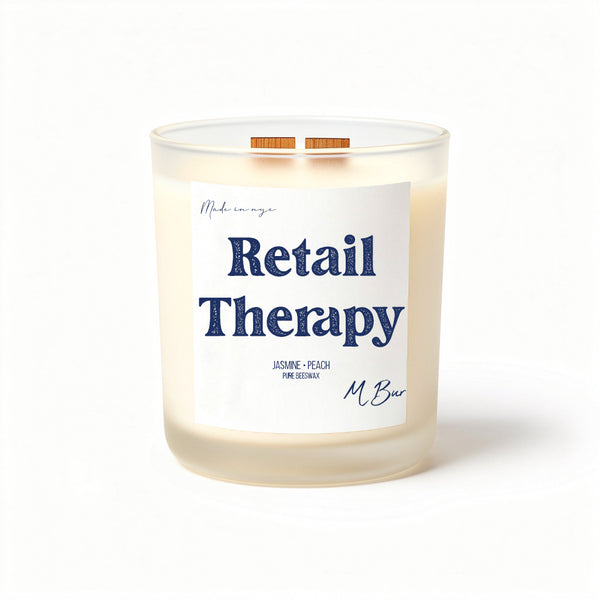
For your home, Retail Therapy fits well. It is juicy and bright, with red currant, peach, and amber, and like every MBur candle it is poured from 100% beeswax with a wooden wick and phthalate-free non-toxic fragrance oils, so freshening the air never means adding soot on top.
Frequently asked questions
How long does new furniture off-gas?
The strongest smell fades within days to a few weeks with good ventilation, though lower-level emissions can continue longer. Warmth and airflow speed it up.
Is the smell from new furniture harmful?
Formaldehyde is an irritant that can bother eyes, nose, and throat at elevated levels, so ventilate well, especially in bedrooms. Airing the piece out reduces exposure.
How do I get rid of the chemical smell faster?
Warm, well-ventilated air, plus absorbers like activated charcoal and baking soda nearby, and wiping the surfaces down.
How do I avoid it next time?
Choose solid wood or low-emitting, certified composite pieces, and air new furniture out before bringing it into a bedroom.
Ready to keep your space smelling clean once the source is handled? Explore the MBur beeswax candle collection and find the scent that fits the room.

