

How to Get the Pet Smell Out of a Dog Bed
A pet bed or cat tree builds up a strong animal smell from dander, saliva, oils, and outdoor dirt tracked in. Wash the cover and bedding, deodorize the base, and keep up a routine, and it freshens.
We make small-batch beeswax candles in Far Rockaway, so a room that truly smells clean is our whole focus, and that always starts at the source rather than the scent. Below is where the smell comes from, how to clear it step by step, and how to keep the space fresh afterward, with the full the MBur beeswax candle collection here as you read.
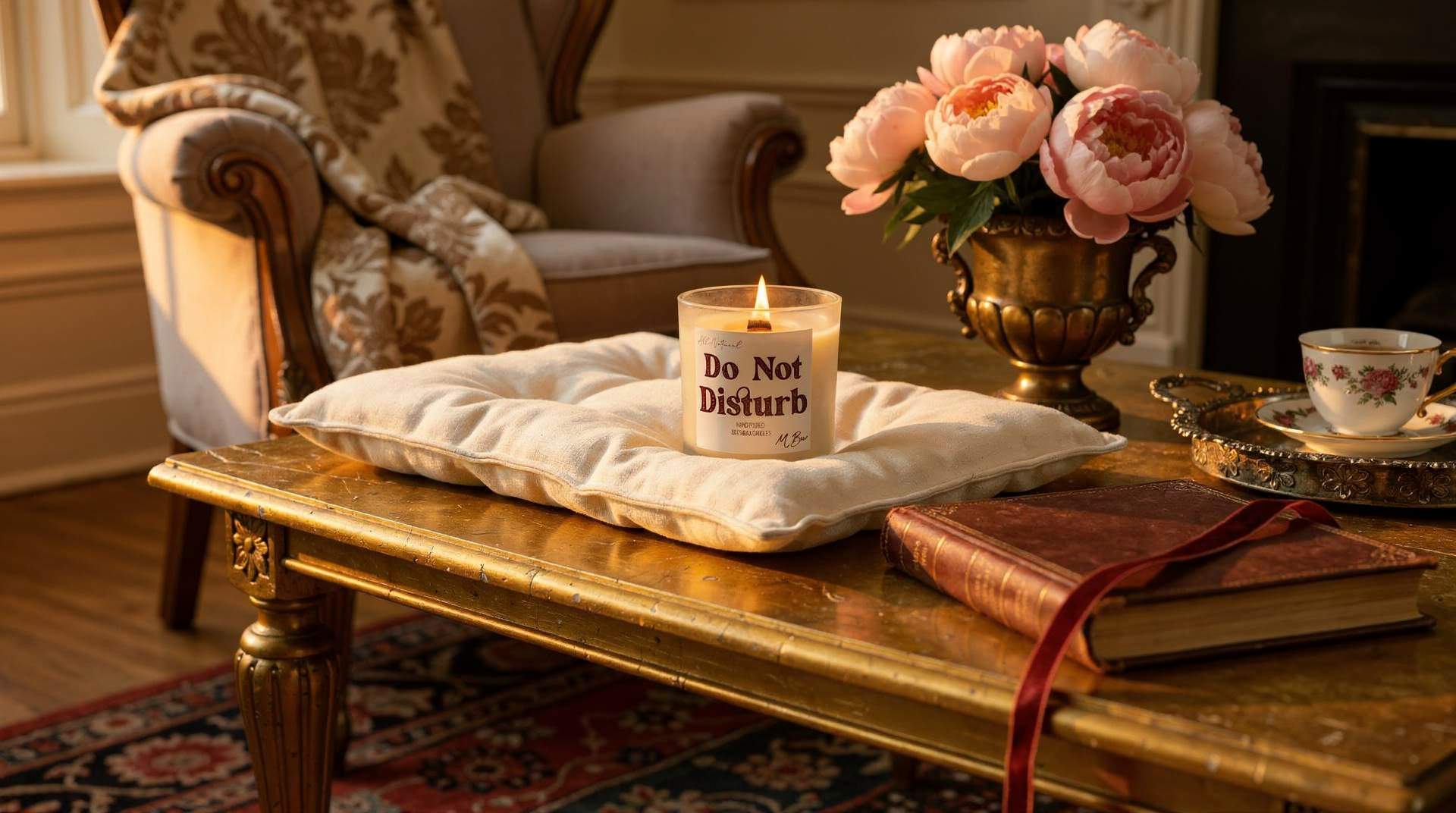
Why pet furniture smells
Pets spend hours on their bed, leaving oils, saliva, dander, and dirt that soak into the cover and the stuffing. A cat tree's fabric and carpet catch fur and dander the same way.
The smell builds fast and settles deep into the material, so surface wiping does not reach it. Washing and deodorizing is what clears it.
How to clean it, step by step
- Wash the cover. Most dog bed covers unzip and are machine washable. Wash hot with detergent and a cup of vinegar or a scoop of baking soda, checking the label.
- Wash or spot-treat the insert. If the foam or stuffing insert is washable, wash it. Otherwise spot-clean it, and dry it fully either way.
- Vacuum the cat tree. Thoroughly vacuum the carpeted platforms and posts, using a rubber brush to lift embedded fur.
- Deodorize. Sprinkle baking soda or a pet-safe enzyme deodorizer on the bed or tree, let it sit, then vacuum. Enzyme cleaners break down pet odor at its source.
- Dry completely. A damp pet bed grows mildew and smells worse, so dry everything fully before reassembling.
Enzyme cleaners do what air fresheners cannot. They break down the proteins in pet odor rather than covering them, which is why they clear the smell for good.
Keep it from coming back
Wash the cover every week or two, and vacuum the cat tree regularly.
Keep a washable liner in the bed, and use enzyme cleaner on any accidents right away.
Freshen the whole room once the source is gone
With the pet smell handled, the air itself is the last step. A clean candle is the finishing touch here, best lit once the space is already clean. From there it is the fastest way to make the room read fresh rather than merely neutral.
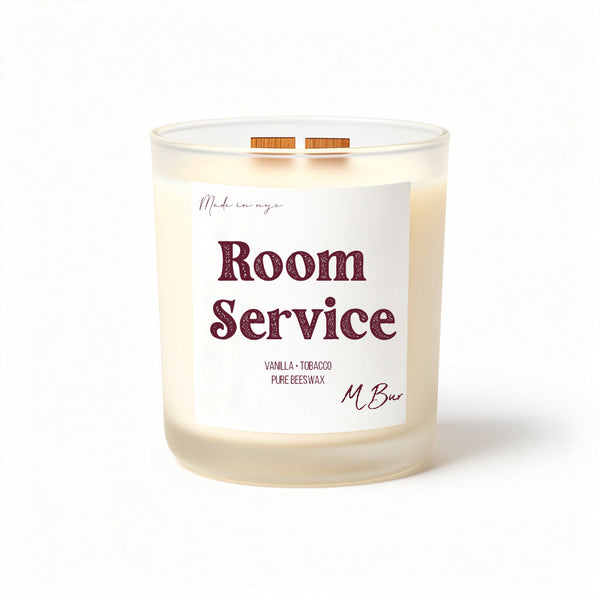
For your living room, Room Service fits well. It is cozy and sweet, with vanilla, almond milk, white tea, and tonka bean, and like every MBur candle it is poured from 100% beeswax with a wooden wick and phthalate-free non-toxic fragrance oils, so freshening the air never means adding soot on top.
Frequently asked questions
How do I get the pet smell out of a dog bed?
Wash the cover hot with vinegar or baking soda, wash or spot-treat the insert, and deodorize with an enzyme cleaner. Dry everything fully.
How do I clean a cat tree?
Vacuum the platforms and posts thoroughly, lift embedded fur with a rubber brush, and deodorize with baking soda or a pet-safe enzyme spray.
How often should I wash a pet bed?
Every one to two weeks, and sooner if your pet spends a lot of time on it or has been outside in the mud.
What kills pet odor best?
Enzyme cleaners, which break down the odor source. Baking soda helps absorb, and washing removes the buildup that holds the smell.
Ready to keep your space smelling clean once the source is handled? Explore the MBur beeswax candle collection and find the scent that fits the room.

