
Why Are Beeswax Candles Better? A Look at the Gold Standard of Wax
Walk into any home goods store and you'll find candles made from paraffin, soy, coconut, and various blends. They all burn. They all smell nice. So why do some candle enthusiasts insist that beeswax is the gold standard?
What customers say on Google
View on Google
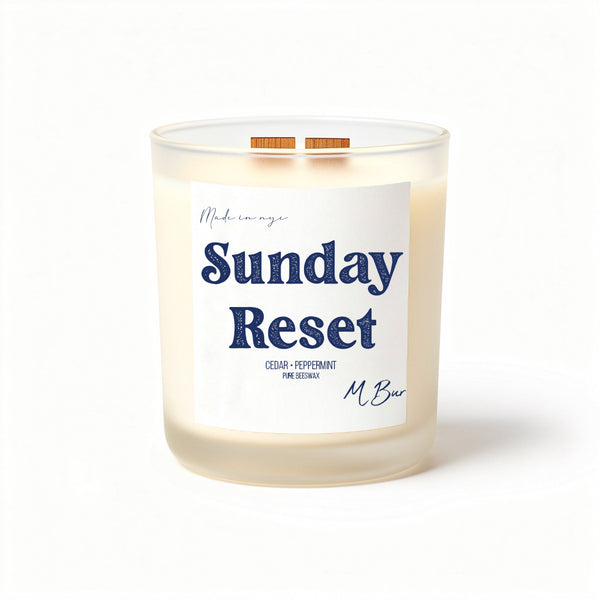
It's not snobbery. There are real, measurable differences between beeswax and other candle waxes that affect everything from air quality to burn time to the overall experience. Here's what sets beeswax apart.
Beeswax Is the Only Wax That Purifies Air
This is the big one. When beeswax burns, it releases negative ions into the air. These negative ions attach to positively charged particles like dust, pollen, mold spores, and other airborne pollutants, causing them to fall out of the air you breathe.
No other candle wax does this. Paraffin actually does the opposite, releasing toxins into your air. Soy and coconut burn neutral, neither helping nor hurting. Only beeswax actively improves your air quality while it burns.
This is why beeswax candles are often recommended for people with allergies, asthma, or chemical sensitivities. Instead of triggering symptoms, beeswax can actually provide relief.
Beeswax Burns Longer
Beeswax has a higher melting point than other waxes, which means it burns slower and lasts longer. A beeswax candle will typically outlast a paraffin or soy candle of the same size by 2-3 times.
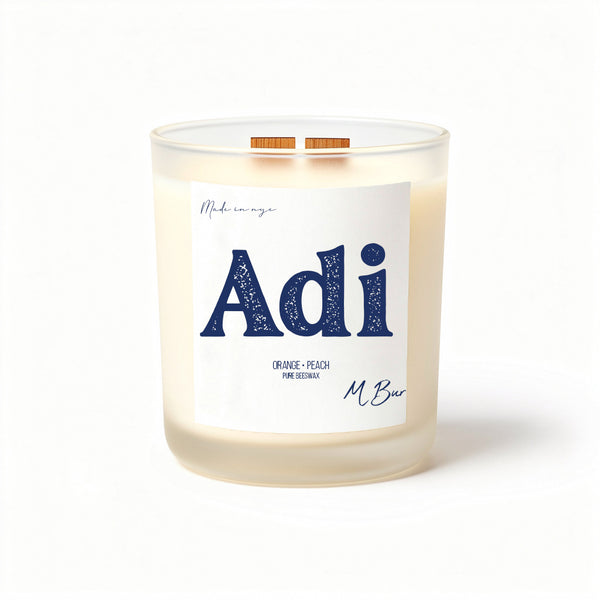
Adi Candle
$65.00
Yes, beeswax candles cost more upfront. But when you factor in burn time, the cost per hour is often comparable or even less than cheaper alternatives. You're not replacing them as often.
Beeswax Burns Cleaner
Ever notice black soot building up on your candle jars, walls, or ceilings? That's incomplete combustion, and it's common with paraffin and lower-quality waxes.
Beeswax produces virtually no soot when burned properly with a correctly sized wick. The flame burns bright and clean, without depositing particulates throughout your space. Your walls stay clean. Your lungs stay clean.
Beeswax Is Naturally Non-Toxic
Paraffin wax is a petroleum byproduct. When it burns, it releases chemicals like toluene and benzene, both known toxins. This is why many people experience headaches, congestion, or respiratory irritation from conventional candles.
Beeswax is exactly what it sounds like: wax made by bees to build their honeycomb. It requires minimal processing and contains no petroleum, no additives, and no synthetic chemicals. What you burn is close to what the bees made.
Beeswax Has a Natural Scent
Pure beeswax has a subtle, naturally sweet honey aroma. It's not overpowering. It's warm and comforting, like the smell of a clean kitchen or a summer afternoon.
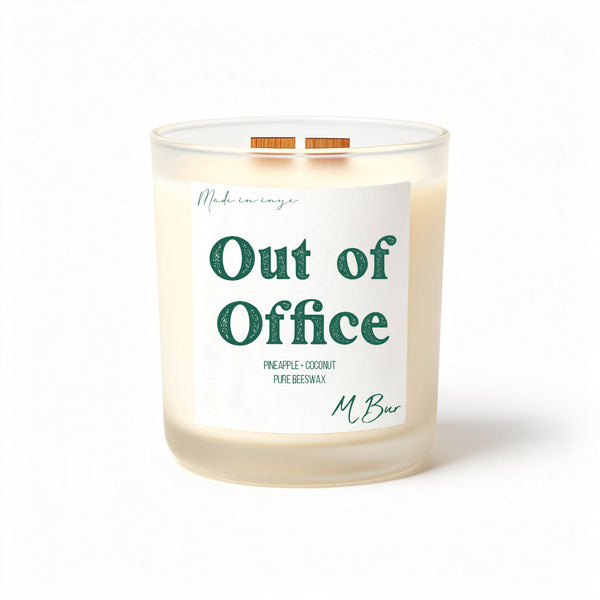
This natural scent means beeswax candles smell good even without added fragrance. And when you do add fragrance, the honey undertone blends with it, creating a more complex, nuanced scent profile than single-note candles.
Beeswax Supports Sustainable Beekeeping
Beeswax is a natural byproduct of honey production. When you buy beeswax candles, you're supporting beekeepers who maintain healthy bee populations, which are critical for pollinating the crops we all depend on.
Compare this to paraffin (petroleum extraction) or even soy (industrial agriculture with pesticides and often deforestation). Beeswax is the most environmentally responsible choice.
The Brightness Factor
Beeswax candles produce a brighter, warmer flame than other waxes. The light has a natural spectrum similar to sunlight, which is easier on the eyes and creates a more pleasant ambiance than the cooler, duller light from paraffin.
It's a subtle difference, but once you notice it, you can't unsee it. Beeswax candlelight just looks better.
What About the Drawbacks?
Beeswax isn't perfect. Here's what to consider:
Higher cost: Beeswax is more expensive than paraffin or soy because it's a limited natural resource. You pay more, but you get more.
Natural scent: Some people love the honey undertone. Others want a completely neutral base for fragrance. If you want zero background scent, beeswax may not be for you.
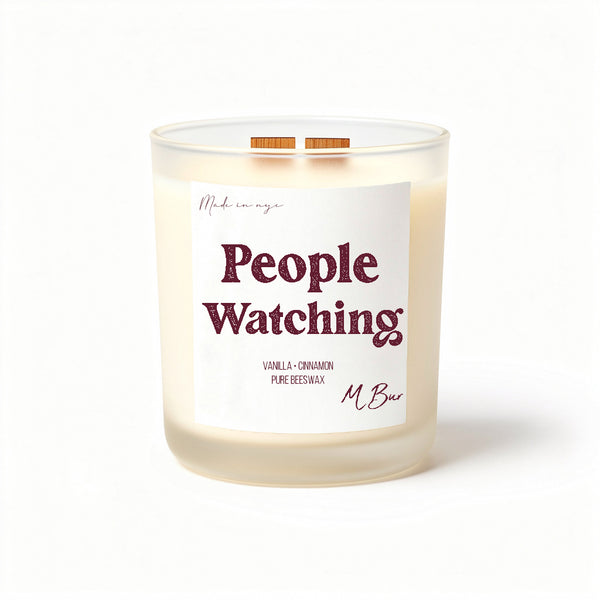
Not vegan: Beeswax is an animal product. If you avoid all animal-derived products, soy or coconut wax are your alternatives.
How to Spot Real Beeswax
Some candles labeled "beeswax" are actually blends with only a small percentage of actual beeswax. Here's how to know you're getting the real thing:
Check the label: Look for "100% beeswax" or "pure beeswax." If it just says "beeswax blend" or "made with beeswax," it's likely mostly something else.
Check the color: Pure beeswax ranges from white to deep golden yellow, depending on how it's filtered. Bright white usually means bleached. Consistent deep yellow usually means quality.
Check the price: If a beeswax candle is priced similarly to paraffin candles, be suspicious. Real beeswax costs significantly more.
The Bottom Line
Beeswax has earned its reputation as the gold standard of candle wax. It burns cleaner, lasts longer, purifies your air, and comes from a sustainable source. The higher price reflects a genuinely superior product.
If you've only ever burned paraffin or soy candles, try beeswax once. Pay attention to how it burns, how the room feels, and how you feel. Most people who make the switch don't go back.
Your home deserves better than petroleum byproducts. Your lungs deserve better. Beeswax delivers.
What buyers say:

