

What Kind of Wax Does Yankee Candle Use? A Deep Dive
Here is something most people get wrong: they assume that because Yankee Candle is a big, established brand, it must be using something natural like soy. The truth is more layered than that, and it depends entirely on which candle you are holding.
If you have ever squinted at a jar label trying to figure out what you are actually burning, you are not alone. Wax type affects how a candle smells, how long it lasts, and what ends up in your air. So let us pull apart the Yankee Candle wax question properly, then look at how the main candle waxes stack up against each other, including the one we make our full beeswax candle collection from.

So, what kind of wax does Yankee Candle use?
The short answer: it depends on the line. Yankee Candle does not use a single wax across its whole catalog.
Their classic housewarmer jars, the ones with the traditional labels that have been around for decades, are built on a refined, high grade paraffin wax base. Paraffin has been the backbone of that line for a long time.
Newer lines are a different story. The Signature Collection and their modern tumbler styles use a soy wax blend, sometimes described as a premium plant wax blend. That blend still contains paraffin, just cut with soy to smooth out the burn.
Across the board, they pair the wax with cotton fiber wicks sized to each jar, plus a mix of fragrance compounds and some essential oils.
Why the brand leans on paraffin
There is a real reason paraffin has stuck around, and it is not laziness. Paraffin gives you a strong scent throw, meaning fragrance carries across a room fast, and it holds vibrant color and dye saturation really well. For a brand built on bold, room filling scents, that is a genuine advantage.
The soy that gets blended in on the newer lines helps moderate the burn and makes it a little smoother. So the shift toward blends is partly about performance and partly about reading the room: shoppers increasingly want to see the word soy on a label.
Paraffin itself is a petroleum byproduct. Refined paraffin used in major brands meets consumer safety standards, but it is worth understanding what burning it actually involves, which we will get to.
The wax lineup, side by side
Most candle waxes fall into three camps: paraffin, soy, and beeswax. Here is how they compare on the things that actually matter when a candle is lit in your living room.

| Feature | Paraffin | Soy | Beeswax |
|---|---|---|---|
| Source | Petroleum byproduct | Soybean oil, often blended with paraffin | Made by honeybees, a byproduct of honey production |
| Processing | Heavily refined from crude oil | Chemically processed and hydrogenated | Filtered, no chemical processing |
| Burn time | Moderate | Longer than paraffin | Longest, highest melting point |
| Soot | More prone to black soot | Cleaner than paraffin | Cleanest burn, minimal soot |
| Emissions | Can release VOCs like benzene and toluene when burned | Fewer, though blends still contain paraffin | Naturally clean burning |
What about the toxicity question?
This concern is legitimate, and it comes up constantly, so let us handle it honestly rather than with scare tactics. Yankee Candle states its waxes are non toxic and comply with consumer safety regulations, and refined paraffin from major brands does meet those standards.
At the same time, it is well established that paraffin candles can release compounds like benzene, toluene, and formaldehyde when burned. Research has looked at candle emissions and how burn conditions affect what ends up in the air. If you want to read the science directly, the National Library of Medicine has a study on candle emissions worth a look.
The more useful way to think about this is ingredient by ingredient rather than writing off all candles. The real irritants tend to be toxic fragrances containing phthalates and parabens, metal core wicks, paraffin soot, and chemical dyes. A candle can score badly on some of those and fine on others.
Where beeswax fits in
Beeswax is the oldest candle material humans have used, going back roughly to 5,000 BCE. It is a single naturally occurring ingredient, no petroleum, no chemical processing to turn it into wax. It also burns with the highest melting point of any candle wax, which is why beeswax candles last so long.
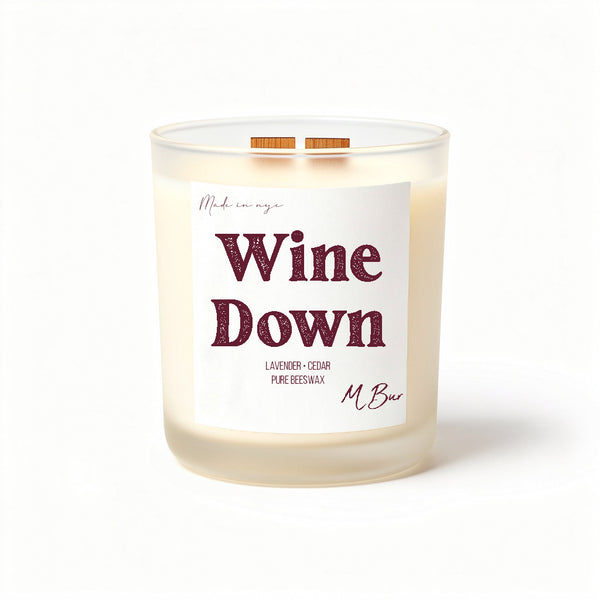
That is the whole reason we build MBur candles from 100 percent beeswax rather than a blend. One ingredient, wooden wicks that crackle a little, and phthalate free fragrance with no chemical dyes. Everything is handmade in New York City, and beeswax is a byproduct of honey production, so it supports beekeeping too.
"I absolutely love these candles! I instantly notice the difference in the air quality, in comparison to the Bath & Body scented candles. I love Bath & Body's candles but I acknowledge that it caused a slight headache and other minor respiratory discomfort. Awesome products. Totally addicted." Jason H.
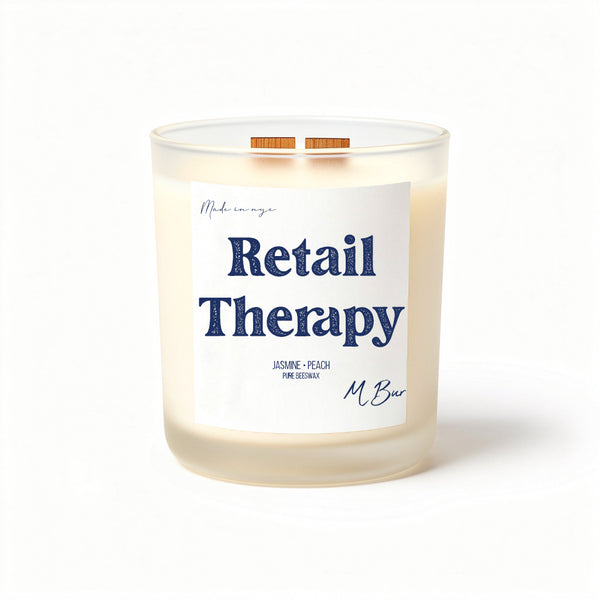
That kind of feedback comes up a lot with people who are sensitive to what they burn. Our Retail Therapy candle is a good example of a clean burn with a real scent throw, with notes of red currant, black currant, jasmine, peach, black tea, amber, anise, and tonka bean. If you have a medical condition, follow your doctor's guidance on what you burn indoors.

How to burn any candle better
Whatever wax you land on, technique changes the experience more than people expect. A few basics that apply to paraffin, soy, and beeswax alike.
Let the melt pool reach the edge of the glass on your first burn. This usually takes three to four hours. Cutting it short creates a memory ring that leads to tunneling for the rest of the candle's life.
Trim the wick to about a quarter inch before every light. That keeps the flame controlled and cuts down on smoking and carbon buildup.
Keep candles away from vents, open windows, and drafts, which cause uneven melting and lopsided wax loss. Good ventilation in the room is fine and helpful; a draft blowing directly on the flame is not.
FAQ
What kind of wax does Yankee Candle use?
Yankee Candle primarily uses a premium grade paraffin wax on its classic jars and a smooth soy wax blend on newer lines, depending on the collection. If you want a single ingredient wax instead, browse our full beeswax candle collection.
Did Yankee Candle change their wax formula?
Yes. Their newer lines, including the Signature Collection and updated tumbler styles, transitioned to a smooth soy blend wax, while the classic jars kept their paraffin base.
Are traditional Yankee Candles made of paraffin?
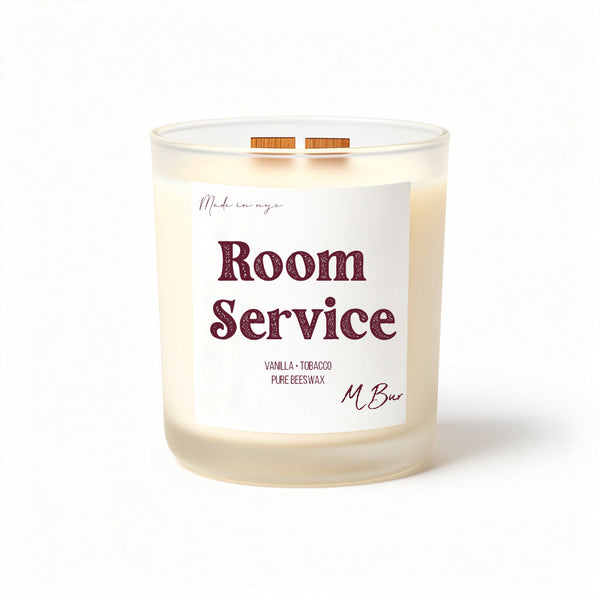
Yes. The classic large jars traditionally use a refined, high grade paraffin base built for a strong fragrance throw. Beeswax offers a cleaner burning alternative, and you can see how ours differ in our Room Service candle with notes of saffron, white tea leaves, purple peonies, orchid, tobacco, vanilla, almond milk, and tonka bean.
Is Yankee Candle wax considered toxic?
The brand states its waxes are non toxic and meet consumer safety regulations. Traditional paraffin can release minor petroleum based byproducts when burned, so if that concerns you, a clean burning beeswax option from our beeswax candle collection avoids the petroleum base entirely.
What kind of wicks does Yankee Candle use alongside their wax?
They use cotton or cotton blend wicks sized to each jar and wax type for an even melt pool. We go a different route with wooden wicks, which burn evenly and give you that soft crackle.
The takeaway
Yankee Candle runs on paraffin in its classic jars and a soy paraffin blend in its newer lines, both chosen largely for scent throw and color. Neither is beeswax, which is the oldest, cleanest burning candle material and the only one made from a single natural ingredient. If you want the longest burn and no petroleum base, beeswax is the pick.
Our candles carry hundreds of reviews from people who noticed a real difference in how their space feels. If you are curious, the easiest way to compare is to browse our full beeswax candle collection and find a scent that fits your room.
Related reading

