

How to Make a Candle for Kids: A Fun and Safe Guide for the Whole Family
The reason candle making feels risky with kids is the melted wax, which sits around 180 degrees and burns skin on contact. Most tutorials skip right past that and hand you a double boiler like your six year old is going to be fine standing next to it. That is where the anxiety comes from, and it is completely fair.
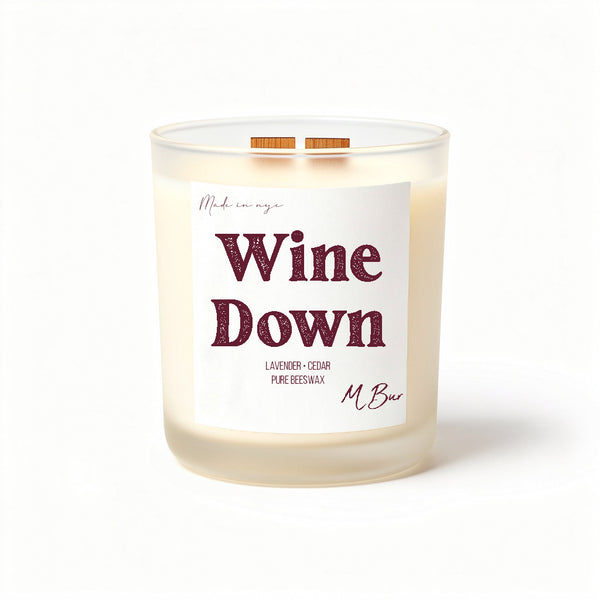
Here is the part nobody tells you: you do not need heat at all for younger kids. There is a whole category of candle making that involves zero melting, zero stovetop, and zero splash burns. And when you are ready to move up to poured candles, the process is easy to divide so the adult handles the hot parts and the kid handles everything fun. If your goal is a finished candle everyone actually wants to burn, it helps to know what a clean, well made candle looks like first, which you can see across our full beeswax candle collection.
Let's walk through it by age, because that is really the whole game.

Why hot wax is the actual problem (and how to sidestep it)
Wax has to be liquid to pour, and liquid wax is dangerous the same way hot oil is. Soy melts lower than paraffin, but even the friendliest wax is well above the temperature that scalds skin. That is the whole risk. Once you remove the melting step, candle making with kids becomes about as dangerous as arts and crafts.
Beeswax makes this easy because it comes in thin, pliable sheets that press together with nothing but warm hands. No stove, no thermometer, no goggles. Just rolling. This is why beeswax keeps showing up in kids' craft guides, and it is the same single ingredient wax we use, so it is worth understanding what makes beeswax such a clean burn before you commit a Saturday to it.
Ages 3 to 7: rolled beeswax sheets (zero heat)
This is the one for toddlers and little kids. You buy beeswax sheets and cotton wick, and that is basically the whole supply list.
- Lay a beeswax sheet flat and press a length of wick along one short edge, leaving about half an inch of wick sticking out the top.
- Fold that edge over the wick to grip it, then roll the sheet tightly and slowly toward the other side.
- Press the final edge gently so it sticks to itself. Done.
Warm hands help the wax stick, so if the room is cold, let the sheets sit near a sunny window for a few minutes first. Kids love this because it works on the first try and the candle looks legitimately good. It is a real family craft project with a real payoff.
Ages 8 to 12: supervised dipped tapers
School age kids can handle dipped candles because the pace is slow and controlled. An adult keeps the wax warm and manages the pot. The kid holds the wick, dips, lifts, waits for it to cool, and dips again. Each layer builds the taper a little thicker. Repeat until it looks like a candle.
The rule here is simple: the adult owns the heat, the kid owns the dipping and the patience. Keep long sleeves rolled and closed toe shoes on, and set the dipping station away from where anyone is walking. This teaches actual science too, since kids watch liquid wax turn solid layer by layer, which is a nice sneaky win for the DIY kids activities category.

Ages 13 and up: poured container candles
Teens can do the full poured process with an adult managing the melt. Use a double boiler, never a pot directly on the burner, and melt soy or beeswax to around 180 degrees. Add phthalate free candle fragrance oil at roughly 8 to 10 percent of the wax weight, stir for about two minutes, and let it cool slightly before pouring into a heat rated container.
Then leave it alone. Newly poured candles need to cure undisturbed, anywhere from two days to a week depending on the wax, before that first burn. Trim the wick to a quarter inch before lighting. If you want to understand why that first burn matters so much for how the candle performs, we broke it down in detail on the first burn guide.
The one thing to get right: ingredients
If your kids are going to make and then burn these candles, the wax and scent matter more than the shape. Paraffin is petroleum waste that releases benzene, toluene, and formaldehyde when it burns, full stop. Skip it. And plenty of DIY kits ship with cheap toxic fragrance oils loaded with phthalates and parabens, which is exactly the stuff you do not want a kid inhaling in a small room.
Go with natural wax, beeswax or soy, and phthalate free fragrance oils that are actually tested for candle use. That is the same standard we hold ourselves to. One MBur customer put the difference plainly:
"I absolutely love these candles! I instantly notice the difference in the air quality, in comparison to the Bath & Body scented candles. I love Bath & Body's candles but I acknowledge that it caused a slight headache and other minor respiratory discomfort. Awesome products. Totally addicted." Jason H.
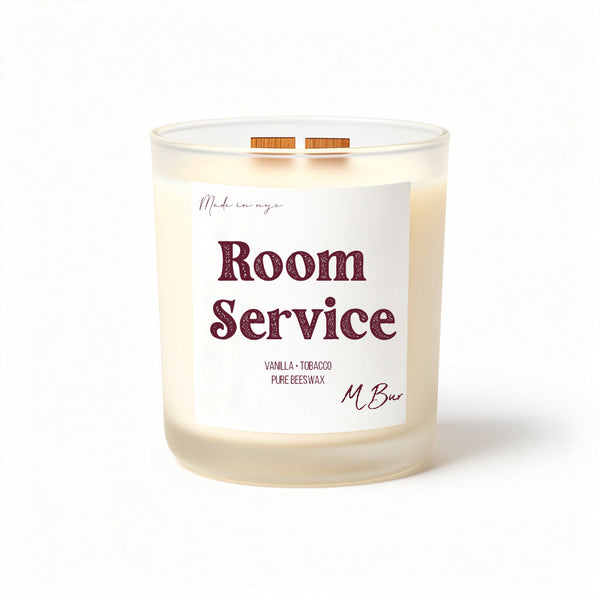
That is the whole reason to bother making a clean candle with your kids instead of grabbing a mystery one off a shelf. If you would rather skip the mess entirely on a busy week, something like our bestselling Room Service candle (starting at $20 for the 20 hour size) gives you the same clean burning beeswax without the cleanup, and it makes a solid reference point for what a finished candle should smell and burn like.
Common mistakes that trip families up
- Overheating the wax. Too hot degrades the fragrance and creates smoke. Watch the thermometer.
- Using random glass. Thrift store jars can crack from heat. Use containers rated for candles.
- Wrong wick size. Too big smokes, too small tunnels. Match the wick to the container width.
- Impatience. Moving or lighting a candle before it fully cures ruins the top and the burn.
For a quick sanity check on your finished candle before the kids light it, our candle care guide covers wick trimming and safe burn times in plain language.
The bottom line
Making candles with kids is safe when you match the method to the age and let adults own every step that involves heat. Start with no heat rolled beeswax for the little ones, work up to dipping and pouring as they get older, and use clean natural wax with phthalate free scent so the candle is something you actually want burning in your home. If you want to see what a properly made beeswax candle looks and smells like before you attempt your own, browse our full beeswax candle collection, rated 5 stars across more than 50 reviews from people who noticed the difference the second they lit one.

Related reading

