

What Happens If You Burn a Candle for More Than 4 Hours?
If your candle jar has ever gone black at the top, or the flame started dancing two inches tall and throwing soot, you were probably past the four hour mark and did not know it. That is the single most common candle mistake, and it quietly wrecks your candle, your walls, and sometimes the glass itself.
The good news: the fix is easy, and it starts with understanding why the four hour rule exists in the first place. If you want a candle that actually rewards you for burning it right, our full beeswax candle collection is built for long, clean sessions, but let's cover the science first so you get the most out of whatever you are burning.

The short answer: what happens after four hours
Every candle hits a point of thermal equilibrium, where the heat the flame generates roughly matches the heat the container gives off. That balance holds for about three to four hours.
Push past it and heat starts accumulating faster than the jar can shed it. The wax pool climbs from a comfortable 60 to 80 degrees Celsius toward something the glass was never meant to hold. That is when the trouble starts.
Three things go wrong at once. Carbon builds up on the wick tip into a little ball called a mushroom, the flame grows unstable and oversized, and the container keeps soaking up heat with nowhere to release it.
Why a long burn actually damages your candle
Here is the part most people get backwards. Burning longer feels like you are getting more out of your candle. You are getting less.
The wick mushrooms and starts smoking
When a wick burns for too long, excess carbon collects at the tip. That mushroom feeds an oversized, flickering flame that throws black smoke and leaves soot on the glass and, over time, on nearby walls. The clean flame you started with turns into a tiny smoke machine.
The scent gets weaker, not stronger
You would think more burn time means more fragrance. Fragrance oils degrade under sustained high heat, so an overheated candle actually releases less scent as the hours stack up. The strongest, truest throw happens in those first few hours while the wax pool is at its ideal temperature.
The glass can crack or shatter
Thick jars feel indestructible. They are not. Prolonged heat stresses the molecular structure of the glass, and a jar that has been burning for six or seven hours can fatigue, crack, or fracture with very little warning. That is a fire risk, especially if the candle is unattended.

Is a long burn actually dangerous for your health?
The concern is legitimate, and worth answering honestly. The biggest air quality issue with candles is not burn length, it is what the candle is made of.
Paraffin is a petroleum byproduct, and when it burns it can release benzene, toluene, and formaldehyde into the air. Burn a paraffin candle for hours in a closed room with the windows shut, common in winter, and you are concentrating those compounds in the air you breathe. Large studies, including a multi year Danish cohort tracking frequent candle users, have not found a statistically significant link between regular indoor candle use and increased cardiovascular or respiratory hospital events. Still, higher quality candles emit fewer particulates than low grade ones, and that difference matters more the longer you burn.
Beeswax is a naturally occurring wax with no chemical processing, which is why it burns cleaner than paraffin or many soy blends. That is one of the reasons customers who react to other candles tend to do better with it.
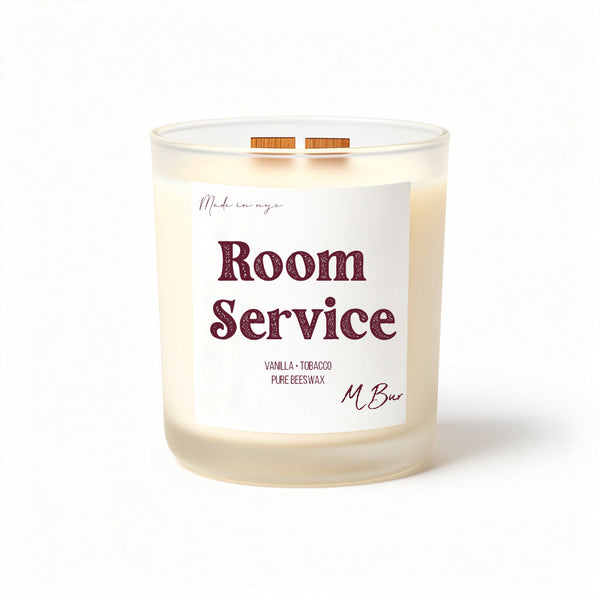
"Absolutely loved the Wine Down candle! The scent is so light and clean, not overpowering at all, which is exactly what I look for. A lot of other candles tend to give me headaches, but this one was a total game changer. I was able to enjoy the calming aroma without any discomfort." Nicole D.
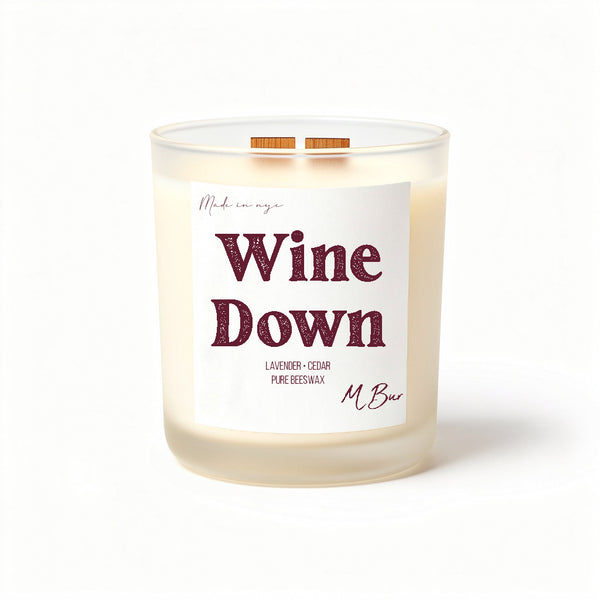
If unwinding in the evening is when you burn candles most, Wine Down pairs a clean beeswax base with lavender, chamomile, sage, rosemary, camphor, cedar, and sandalwood. If you have a respiratory or heart condition, follow your doctor's guidance on candle use and ventilation regardless of what you burn.
The real risk factors, ranked
Burn length is only part of the picture. Here is what actually determines whether your candle is a problem:
- Toxic fragrances: Many candles use fragrances loaded with phthalates and parabens. These are the compounds most often behind headaches and irritation.
- Paraffin wax: Petroleum based, sooty, and the main source of VOCs.
- Metal core wicks: Older or cheaper candles sometimes use them, and they can release metal into the air.
- Chemical dyes: Added color that contributes nothing but more stuff to combust.
- Overburning: Amplifies every problem above by concentrating heat, soot, and emissions.
Notice that a clean candle burned for four hours is in far better shape than a cheap paraffin candle burned for two. The material comes first.
How to actually get more burn time, safely
You do not have to give up long, cozy evenings. You just have to work with the physics instead of against it. Here is the checklist for a clean, low soot burn:
- Cap each session at four hours. Extinguish at or before the four hour mark, every time.
- Cool down for about two hours. Let the wax solidify and the jar return to room temperature before relighting.
- Trim the wick to a quarter inch (roughly 5 to 7 mm) before every single burn. This is the number one thing that prevents mushrooming and soot.
- Ventilate. Crack a window or keep air moving, especially in winter with the windows shut.
- Never leave a candle unattended or burning overnight.
- Choose a clean burning wax. Beeswax, single ingredient with no blend, gives you the longest and cleanest burn of any wax because it has the highest melting point.
That last point is where the wax itself does the heavy lifting. MBur candles are 100 percent beeswax with wooden wicks, phthalate free fragrance, no chemical dyes, and no blends. The 80 hour size delivers the longest burn time of any candle wax, which means you get more total sessions out of one candle even when you cap each one at four hours. Naturally hypoallergenic, handmade in New York City, and the light spectrum sits closest to natural sunlight.
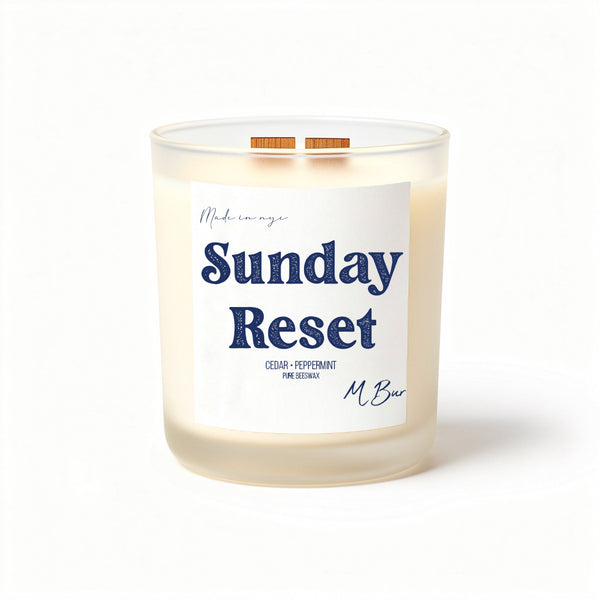
If a clean start to the day is when you reach for a candle, Sunday Reset runs eucalyptus, clove, cedar, patchouli, and vanilla, and it holds up beautifully across shorter, well spaced burns. Prefer to browse and pick your own vibe? Start with our beeswax candle collection.

Frequently asked questions
Why is there a four hour limit on burning candles?
Past four hours, carbon builds up on the wick into a mushroom, which creates an unstable, oversized flame and excess soot, while heat accumulates in the container faster than it can dissipate. Trimming your wick and choosing a clean wax like the beeswax in our candle collection keeps every session steady.
Can burning a candle too long crack the glass jar?
Yes. Extended burns let heat accumulate at the base of the container, which stresses the glass and raises the risk of cracking or shattering. Capping burns at four hours protects both the jar and your surfaces.
Does burning a candle longer make the room smell stronger?
No. Fragrance oils degrade under prolonged high heat, so overburning weakens the scent throw. The best fragrance comes in the first few hours, which is why a clean, evenly burning candle like Wine Down performs best in well spaced sessions.
What should I do if my wick forms a carbon mushroom after a long burn?
Extinguish the candle, let it cool completely, and trim the wick back to a quarter inch before relighting. Wooden wicks, like the ones in every candle across our collection, resist mushrooming better than cotton in the first place.
How long should I let a candle cool before lighting it again?
Give it at least two hours so the wax solidifies and the container returns to room temperature. This resets the thermal balance and keeps your next session clean.
The bottom line
Burning a candle past four hours does not get you more, it gets you soot, a weaker scent, and a jar that could crack. Cap each session, trim your wick, ventilate, and start with a clean wax that is built to last. Beeswax gives you the longest, cleanest burn there is, which means more good evenings from a single candle.
MBur candles average glowing reviews across dozens of customers, with people repeatedly noting they can burn them daily without the headaches other candles cause. If you want a candle that pays you back for treating it right, explore the full beeswax collection and pick your first one.
Related reading

