

The Ultimate Guide to Using a Paschal Candle in Your Home
Church rubrics have been strict about one thing for centuries: a real paschal candle should be made of beeswax. Not paraffin, not a blend, not whatever was cheapest at the craft store. Beeswax, the oldest candle material we know of, burning in cathedrals since long before electricity existed. That detail alone tells you this candle was never meant to be ordinary.
More families are bringing that tradition home. If you have been curious about keeping a paschal candle in your own prayer corner or on the mantel during Easter season, this guide walks through what it actually means, how to use it, and how to pick one that burns clean enough to sit in a room with your family. If you want to skip ahead to the candle itself, our full beeswax candle collection is a good place to start, since the material is doing half the symbolic work here.

What is a paschal candle, and why does it matter?
The word paschal comes from Pascha, the Greek and Latin word for Easter. In Christian tradition, the paschal candle represents Christ as the Light of the World, the flame that outlasts darkness. It gets lit at the Easter Vigil in a darkened church, and from that single flame every other candle in the room is lit.
That is the emotional weight behind it. One light spreading through a dark room. It is a powerful image whether or not you grew up with it.
A true paschal candle is defined by its markings, so it is worth knowing them before you go looking for one.
The symbols you will see on a paschal candle
- A central cross, the anchor of the whole design.
- The Greek letters Alpha and Omega, meaning beginning and end.
- The digits of the current year, inscribed between the arms of the cross.
- Five grains of incense (or whole cloves, or dots of wax) pressed into the candle to represent the five wounds of Christ.
Here is a common misconception worth clearing up. A big decorative white pillar is not automatically a paschal candle. The markings are what make it one. A plain candle becomes paschal when those symbols are added and, in many homes, when it is blessed.
How a paschal candle fits into home decor
You do not need a chapel to make this work. Most families build a small prayer corner or a seasonal vignette, and the candle becomes the visual anchor.
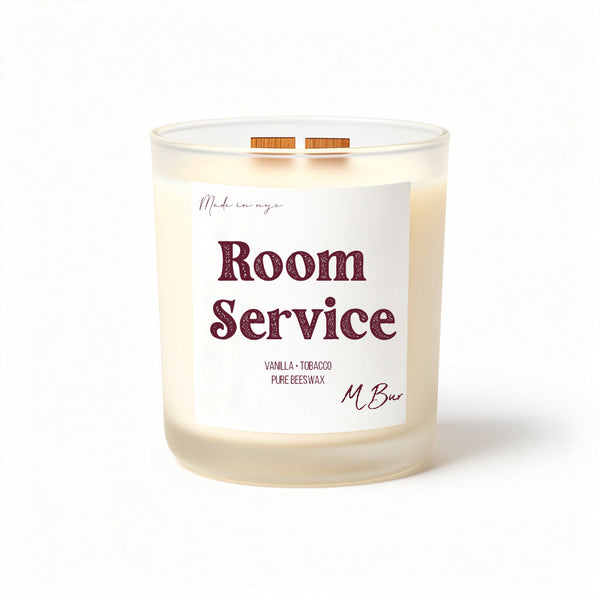
Think about proportion first. Church paschal candles are enormous columns of wax. At home, a six inch pillar or an enclosed jar candle reads better and stays child friendly. Give it a little height with a riser or a low pedestal so it feels intentional rather than parked.
Keep the surrounding surface simple. A linen runner, a single icon or framed image, maybe some greenery. The candle should draw the eye, so let it. Cluttering the space around it works against the whole point.

If you are decorating for the season more broadly, a warm, clean burning candle in an adjacent room ties the whole home together. Something like Wine Down, with its notes of Lavender, Chamomile, Sage, Rosemary, Camphor, Cedar, and Sandalwood, works beautifully for a quiet evening prayer without competing with the paschal candle itself. You keep the paschal candle as the focal point and let a softer scent live in the background.
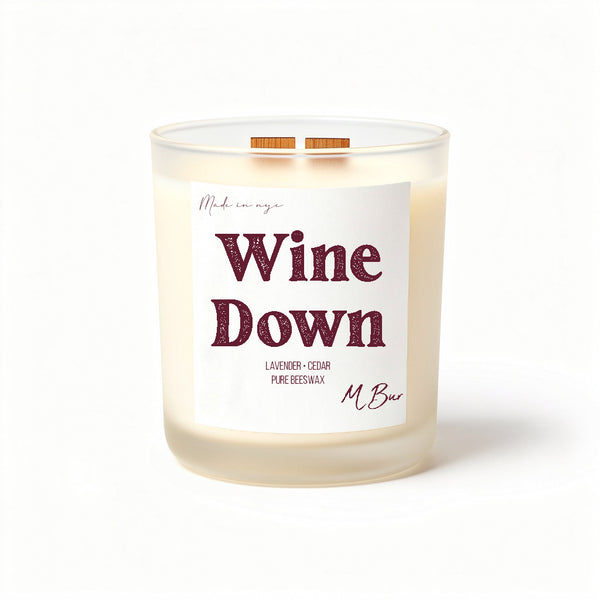
"Absolutely loved the Wine Down candle! The scent is so light and clean, not overpowering at all, which is exactly what I look for. A lot of other candles tend to give me headaches, but this one was a total game changer."
Nicole D.
When should you light a paschal candle at home?
The Easter season runs fifty days, from Easter Sunday to Pentecost Sunday. That stretch is called Eastertide, and it is the primary window for a home paschal candle.
Most families light theirs during family suppers, mealtime prayers, or evening devotions across those fifty days. Some also bring it out for personal milestones tied to the tradition, like a baptism anniversary or a memorial for a loved one.
Another misconception: the paschal candle is not meant to burn permanently, year round. Its focus is the Easter season, after which it is traditionally reserved for those specific moments. Letting it rest for most of the year keeps it meaningful when you do light it.
DIY versus buying: what to know before you decide
Making your own home paschal candle has become a genuine trend, especially among families building a domestic prayer space. The usual method is a plain white pillar plus acrylic paint, modeling wax, or a tissue paper transfer where you print the design, layer it over the candle, and melt it on gently with a hair dryer.
It is a lovely afternoon project, and often a cheap one. A word of caution though. Painted and carved elements are basically permanent, so practice on a scrap candle first. People rush the cross or the year digits and end up with a mistake they cannot undo.
The material question most people skip
Whichever route you choose, the wax matters more than folks expect. This candle sits in a room where your family gathers, breathes, and lingers for long evenings. A cheap pillar can undo the whole peaceful mood in a hurry.
Paraffin is petroleum waste, and it releases benzene, toluene, and formaldehyde as it burns. Many mass produced candles also lean on toxic fragrances loaded with phthalates. If you are lighting something for an hour of prayer with kids in the room, that is worth avoiding.
Beeswax is the traditional choice for a reason beyond symbolism. It is a single ingredient wax, a byproduct of honey production, and it burns cleaner and longer than soy or paraffin thanks to its high melting point. It also throws a warm light close to natural sunlight, which is exactly the glow you want in a candlelit room.
A quick checklist for a clean home candle
- 100% beeswax, not a blend
- Phthalate free fragrance, or unscented if you prefer no scent at all
- No chemical dyes
- A wick sized correctly for the diameter so it does not tunnel or smoke
- Handmade, so you can actually ask what is in it
MBur checks every one of those boxes. Our candles are 100% beeswax with wooden wicks, made by hand in Queens, New York, with an 80 hour burn on the largest size. For a home prayer setting, a naturally hypoallergenic beeswax candle from our beeswax collection gives you the material integrity the tradition calls for.
Practical safety and burn tips
A few basics keep the flame safe and the candle looking good. Trim the wick to about a quarter inch before each burn. Let the first burn go long enough for the wax to pool all the way to the edges, which prevents tunneling on a wide pillar. Never leave any candle unattended, especially in a home with children or pets, and keep it well away from curtains, greenery, and anything else that catches.
Ventilate the room a little if you are burning for a long stretch. And when the candle is finally spent, sacramental wax is traditionally burned down completely in private devotion rather than tossed casually.
Frequently asked questions
Can you use a real paschal candle at home?
Yes. Many families keep a smaller home version for family prayer during Easter season and for personal devotions. A six inch pillar or an enclosed jar candle from our collection scales the tradition down to a domestic setting nicely.
What do the symbols on a paschal candle mean?
A cross for Christ, the Alpha and Omega for beginning and end, the current year, and five grains of incense for the five wounds of Christ. Those markings are what turn a plain candle into a paschal one.
Must a home paschal candle be made of beeswax?
Church rubrics require beeswax for parish candles. Home devotional candles can technically be other waxes, but beeswax burns cleaner and honors the tradition. If you care about air quality in the room, a 100% beeswax option like the ones in our beeswax collection is the better call. Anyone with a respiratory condition should still follow their doctor's guidance on burning candles indoors.
How do you dispose of an old home paschal candle?
Because blessed candles are sacramentals, the wax is ideally burned down completely in private devotion, or returned to a parish, rather than thrown out with the trash.

The takeaway
A paschal candle is one of the oldest and most meaningful ways to bring light into a home during Easter season, and the material you choose says as much as the symbols you carve into it. Pick a clean burning beeswax candle so the tradition does not come with a lungful of paraffin soot. Our top pick for a home prayer corner is a 100% beeswax candle from our collection, and readers rate MBur candles highly for exactly this reason: a clean, room filling burn without the headache many people get from conventional candles.
Browse our full beeswax candle collection and choose the one that fits your prayer space.
Related reading

