

What Does 'Non-Toxic' Actually Mean for Candles? (There's No Regulation)
What Does 'Non Toxic' Actually Mean for Candles? (There's No Regulation)
The word 'non toxic' is not regulated by the FDA, the EPA, or any federal agency when it comes to candles. Any brand can print it on a label today, no testing required, no certification needed, no third party checking anything. It is a marketing term dressed up as a safety guarantee, and most people have no idea.
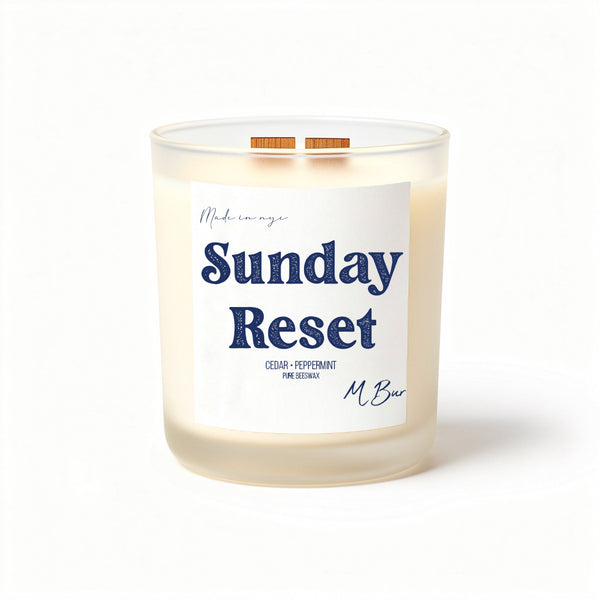
That matters, because the candle industry in the United States operates with almost no ingredient disclosure requirements. Unlike food or pharmaceuticals, candle manufacturers are not legally obligated to list every ingredient in their wax blend, their fragrance, or their dye. What you see on the label is what the brand chooses to tell you, nothing more.
This post breaks down what the phrase actually means, why the gap between the label and reality can be significant, and what ingredients you should actually be looking for if clean burning matters to you. If you want the full checklist of what to look for, our guide to what makes a candle genuinely non toxic covers every ingredient category in detail.
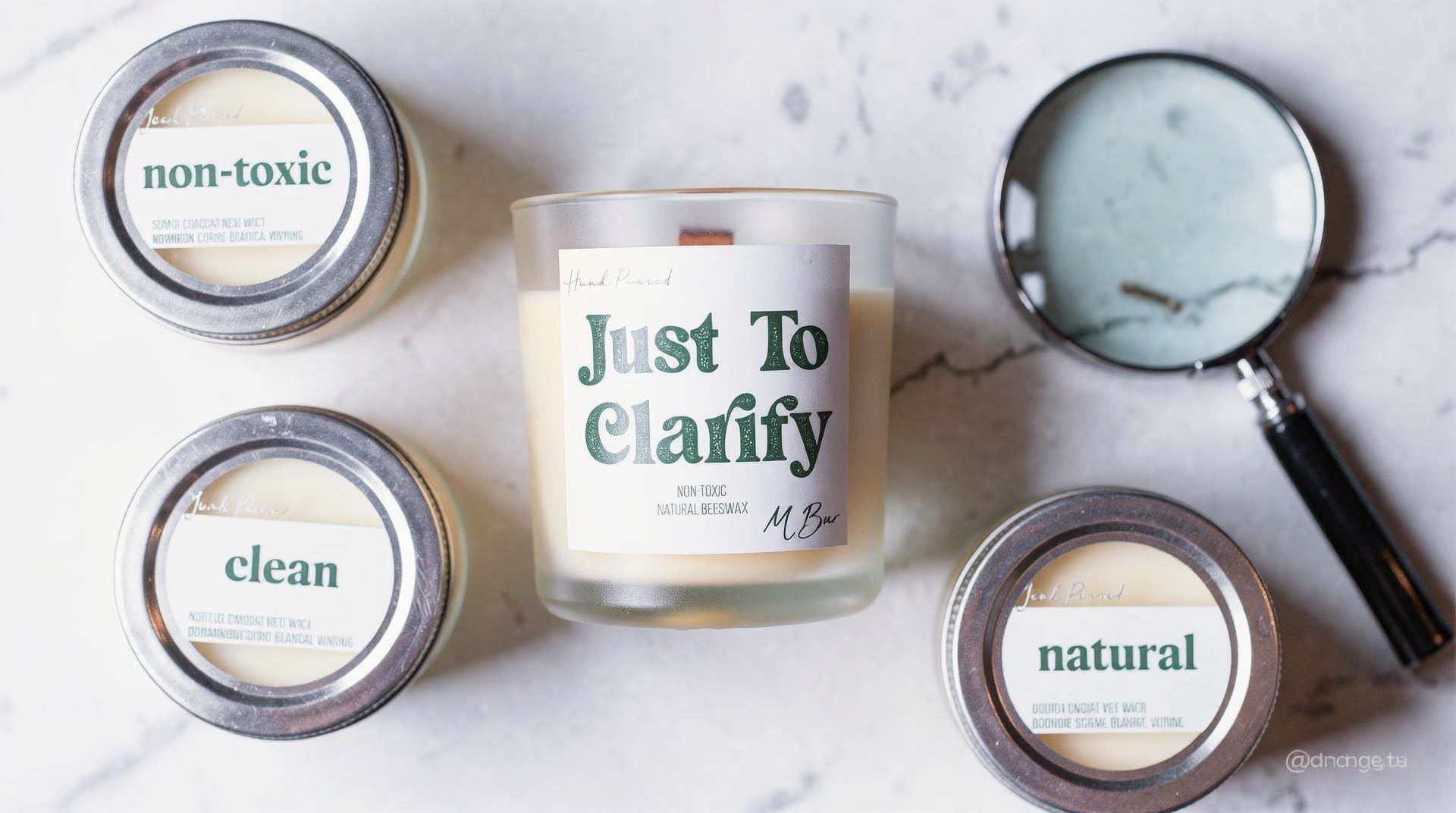
The Label Means Nothing Without a Standard Behind It
In the United States, cosmetics and personal care products fall under FDA oversight. Candles do not. They are classified as consumer commodities under the Consumer Product Safety Commission (CPSC), which focuses primarily on fire hazards and physical safety, not chemical composition during burning.
The fragrance industry is largely self regulated through an organization called the Research Institute for Fragrance Materials (RIFM) and the International Fragrance Association (IFRA). These bodies publish voluntary guidelines, not laws. Brands can follow them or not. There is no mandatory pre market safety review for candle fragrances before they reach your home.
The result is a market where terms like 'non toxic,' 'clean,' 'natural,' and 'pure' are applied inconsistently and often inaccurately. A candle can be labeled 'natural' while using a paraffin and soy blend loaded with phthalate containing fragrance. There is no one who will stop that from happening.
What Paraffin Actually Is (and Why It Matters)
Paraffin wax is a byproduct of petroleum refining. It is what remains after crude oil has been processed for gasoline, diesel, and other fuels. That alone does not make it automatically dangerous to burn in small amounts. But several peer reviewed studies have raised legitimate concerns about what paraffin candles release during combustion.
A 2009 study from South Carolina State University found that burning paraffin candles releases compounds including benzene and toluene, both of which are classified as known or probable human carcinogens by the EPA. The researchers noted that occasional candle use in a ventilated space is unlikely to cause harm, but frequent use in small, enclosed rooms could be a concern over time.
The key compounds to understand:
- Benzene: A known human carcinogen. Also found in tobacco smoke and vehicle exhaust.
- Toluene: A VOC (volatile organic compound) associated with respiratory irritation and nervous system effects at high concentrations.
- Formaldehyde: Released during incomplete combustion of many organic materials, including paraffin.
- Acetaldehyde and acrolein: Additional combustion byproducts detected in paraffin candle emissions.
None of this means every paraffin candle will make you sick. Dose, ventilation, and frequency all matter. But it does mean that a candle made primarily from paraffin cannot, in any honest sense, be called non toxic without serious asterisks.
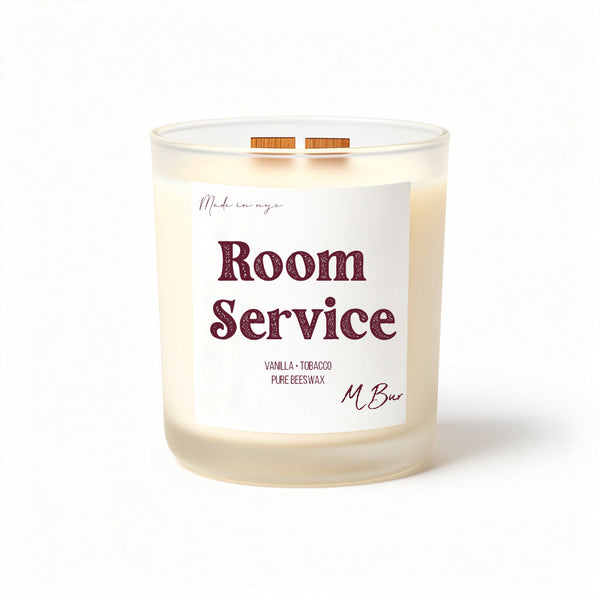
Soy Is Better, But Not the Whole Story
Soy wax became the go to 'clean' alternative to paraffin in the early 2000s, and for good reason. It burns cooler, produces less soot, and is derived from a renewable crop rather than petroleum. But the soy candle category has developed its own labeling problems.
First, many candles labeled 'soy' are actually blends, often containing 25 to 50 percent paraffin. There is no legal minimum for the percentage of soy wax required for a candle to carry a soy label. A brand can use a 30 percent soy blend and market it as a soy candle without technically lying.
Second, and more importantly, the wax is only one part of the equation. A 100 percent soy candle loaded with phthalate containing fragrance and synthetic dyes is not 'clean' in any meaningful sense. Phthalates are a class of chemical plasticizers used to help fragrance adhere to wax and extend scent throw. They are classified as endocrine disruptors by the EPA and linked to hormonal disruption in research published in journals including Environmental Health Perspectives.
The wax type gets the attention. The fragrance usually doesn't. That's exactly backward from where the risk often lives.
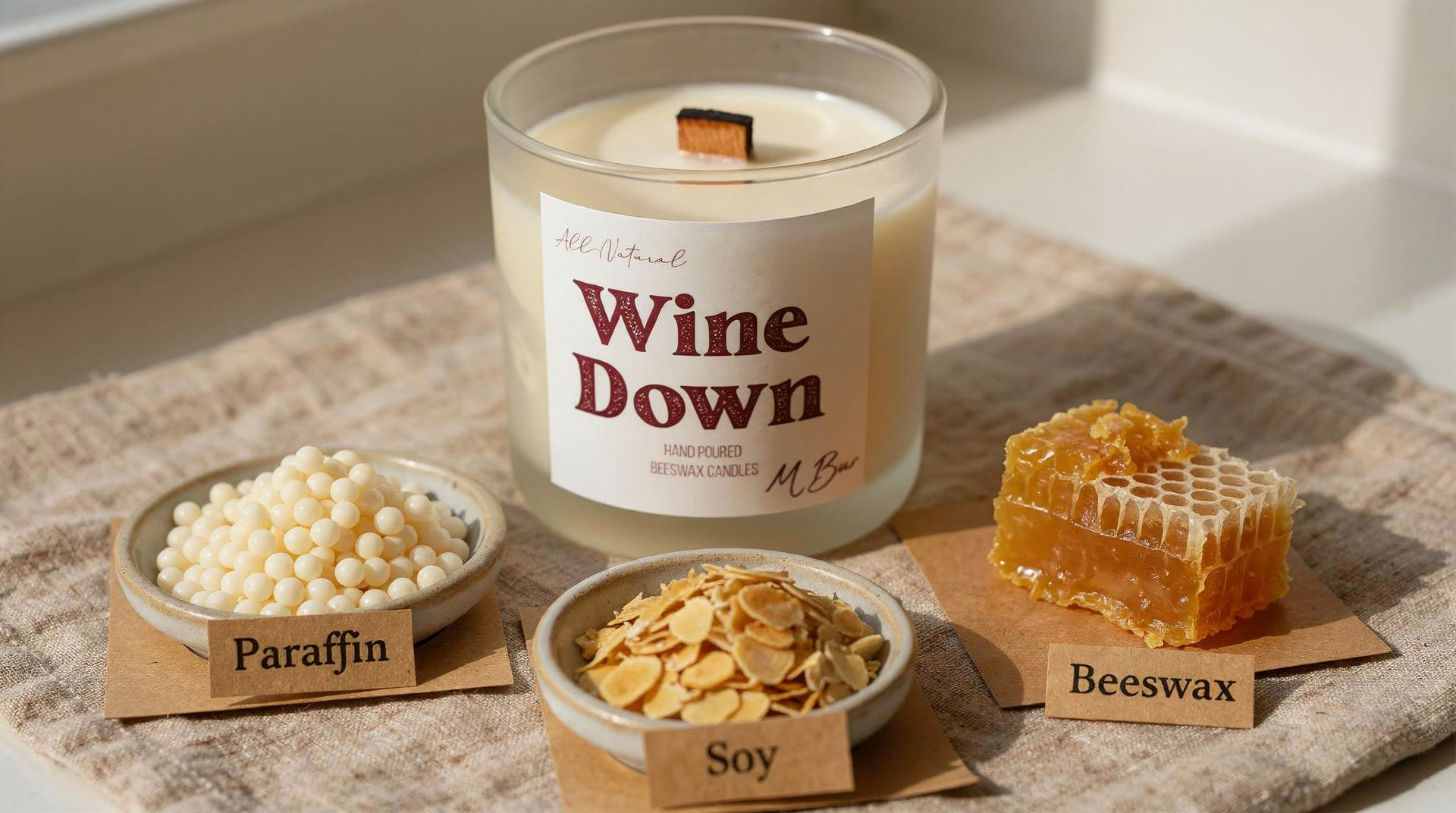
What Beeswax Actually Changes
Beeswax is not a modern wellness trend. It is the oldest candle material on record, used as a light source for more than 5,000 years, with evidence of use dating to ancient Egypt and prehistoric Europe. The reason it has lasted that long is not nostalgia. It is chemistry.
Beeswax has the highest melting point of any commonly used candle wax, which means it burns slower and produces more heat per burn cycle. That translates directly to a longer burn time: an 80 hour burn time is achievable in a 12oz beeswax candle, compared to roughly 45 to 55 hours from a soy candle of the same size. The physics are straightforward. Higher melting point means more energy required to maintain combustion, which means fuel consumption slows down.
Beeswax is also a single ingredient wax with no chemical processing required between hive and candle. It is a natural byproduct of honey production. Worker bees secrete it from glands on their abdomen to build honeycomb. It requires filtering and cleaning, but no synthetic modification. What comes out of the hive is functionally what goes into the candle.
Some proponents of beeswax candles point to the idea that burning beeswax releases negative ions that may help neutralize airborne pollutants. Some studies suggest this effect is plausible, and many users report improved air quality in rooms where beeswax candles are burned regularly. The research is not yet definitive enough to make clinical claims, but the absence of petroleum derived combustion byproducts is well supported.
Beeswax also emits a light spectrum closer to natural sunlight than any other candle material, which is part of why it has historically been associated with reading and fine work, not just ambiance.
The MBur beeswax candle collection uses 100 percent beeswax, not a blend, which means there is no paraffin hiding in the formula.
The Fragrance Problem Nobody Talks About
Fragrance is where most 'clean' candles fall apart under scrutiny. Under US law, fragrance formulas are protected as trade secrets. Brands are not required to disclose the individual chemical compounds that make up a fragrance blend. The single word 'fragrance' on an ingredient list can legally represent hundreds of individual chemicals.
Among the most commonly implicated are phthalates, particularly diethyl phthalate (DEP) and dibutyl phthalate (DBP). These are used to increase the longevity and adhesion of scent. The EU has restricted or banned several phthalates in consumer products. The US has not taken the same regulatory steps for candles.
Phthalate free fragrance is a meaningful claim. It means the brand has specifically formulated or sourced fragrance compounds that achieve scent without phthalate plasticizers. It is a real differentiator, not just another marketing phrase. But it only holds weight if the brand can document it, and if their wax formula does not introduce other issues.
This is what makes reading a candle label genuinely difficult. You are trying to evaluate a product category with no mandatory ingredient disclosure, using marketing language that carries no legal definition, in a regulatory environment that does not require pre market safety review. Most consumers have no idea this is the situation they are in.
"I absolutely love these candles! I instantly notice the difference in the air quality, in comparison to the Bath and Body scented candles. I love Bath and Body's candles but I acknowledge that it caused a slight headache and other minor respiratory discomfort. Awesome products. Totally addicted." Jason H., Sunday Reset Candle
That kind of shift, from headache to no headache, is not rare among people who switch from conventional candles to genuinely cleaner formulas. It is worth understanding what is driving it. The Wine Down beeswax candle is one that frequently comes up in this context, particularly among people who are scent sensitive but still want a real fragrance experience.
"A lot of other candles tend to give me headaches, but this one was a total game changer. I was able to enjoy the calming aroma without any discomfort." Nicole D., Sunday Reset Candle
Wooden Wicks vs. Cotton vs. Metal Core Wicks
The wick is the last major variable and the one most often ignored. Traditional metal core wicks, common in cheaper candles through the 1990s, used lead as a stiffening agent. The US Consumer Product Safety Commission banned lead core wicks in 2003, but metal core wicks using zinc or tin are still legal and in use. These produce small amounts of metallic particulate during burning.
Cotton wicks are the most widely used alternative and are generally considered safe. They are untreated plant fiber and produce minimal combustion byproducts on their own.
Wooden wicks have gained popularity for their aesthetic qualities, specifically the soft crackling sound that resembles a fireplace. But there are practical differences too. Wood is a naturally porous material that draws liquid wax differently than braided cotton, typically producing a wider, lower flame that melts wax more evenly across the surface. This reduces the likelihood of tunneling, where wax builds up along the jar walls while only the center melts down.
Properly sized wooden wicks, paired with a clean burning wax like beeswax, represent what is currently understood to be the cleanest wick category available for home candle use.
What 'Non Toxic' Should Actually Require
If the term had a real standard behind it, here is what it would reasonably require:
- Wax that does not derive from petroleum (paraffin) or from a blend that obscures petroleum content
- Full disclosure of wax source and percentage, not just a category claim like 'soy'
- Phthalate free fragrance, with documentation from the fragrance supplier
- No metal core wicks
- No synthetic dyes, particularly those derived from coal tar compounds
- No undisclosed fragrance components hiding under trade secret protections
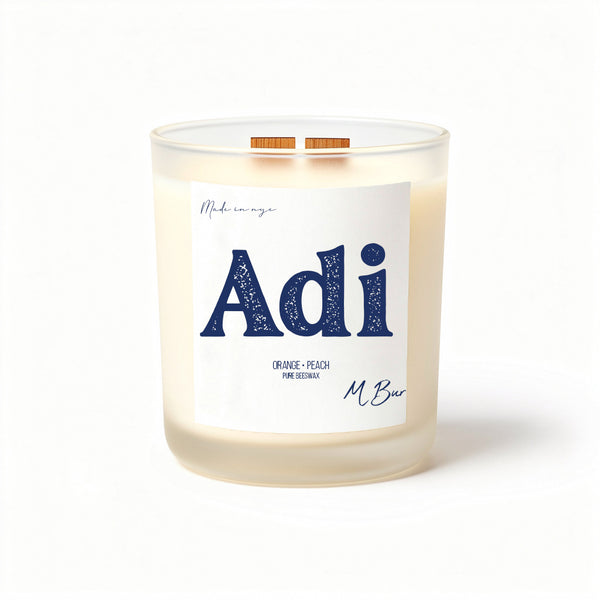
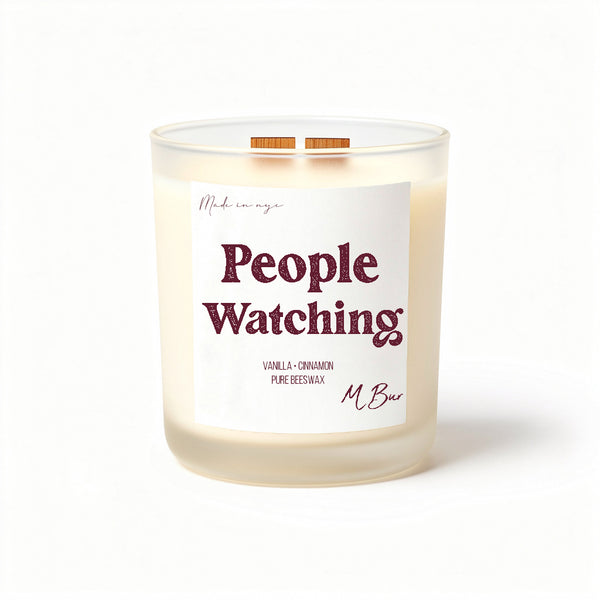
MBur candles check every item on that list. The wax is 100 percent beeswax, no blend. The fragrance is phthalate free. The wicks are wooden. There are no chemical dyes. Everything is made in Queens, New York, which means there is a direct line of accountability from maker to buyer that large commercial candle operations cannot replicate.
If you want to go deeper into evaluating any candle by its ingredients, the post on what makes a candle genuinely non toxic and how to read the label is the most thorough breakdown we have published.
Frequently Asked Questions
Is 'non toxic' a regulated term for candles in the US?
No. There is no federal regulation defining what 'non toxic' means when applied to candles. Any brand can use the term without certification, third party testing, or ingredient disclosure. It is a voluntary marketing claim with no legal teeth behind it.
Do all scented candles release harmful chemicals?
Not all, but many do. The risk is primarily associated with paraffin wax (which releases benzene and toluene during combustion) and fragrance blends that contain phthalates. Candles made from beeswax with phthalate free fragrance have a significantly different chemical profile during burning. Ventilation and burn duration also affect exposure levels regardless of wax type.
How do I actually know if a candle is clean without a regulation to rely on?
Look for brands that disclose their wax source (and specify 100 percent, not just 'soy' or 'natural'), use phthalate free fragrance and can document it, use cotton or wooden wicks, and avoid synthetic dyes. If a brand is vague about any of those specifics, the label claims are not worth much.
Are soy candles automatically safer than paraffin?
Soy wax itself burns cleaner than paraffin. But many 'soy' candles are actually paraffin blends, and the fragrance in soy candles can still contain phthalates. The wax is only one part of the equation. A 100 percent soy candle with toxic fragrance and synthetic dyes is not a clean candle. The full formula matters, not just the wax type.
Why do some candles give me headaches but others don't?
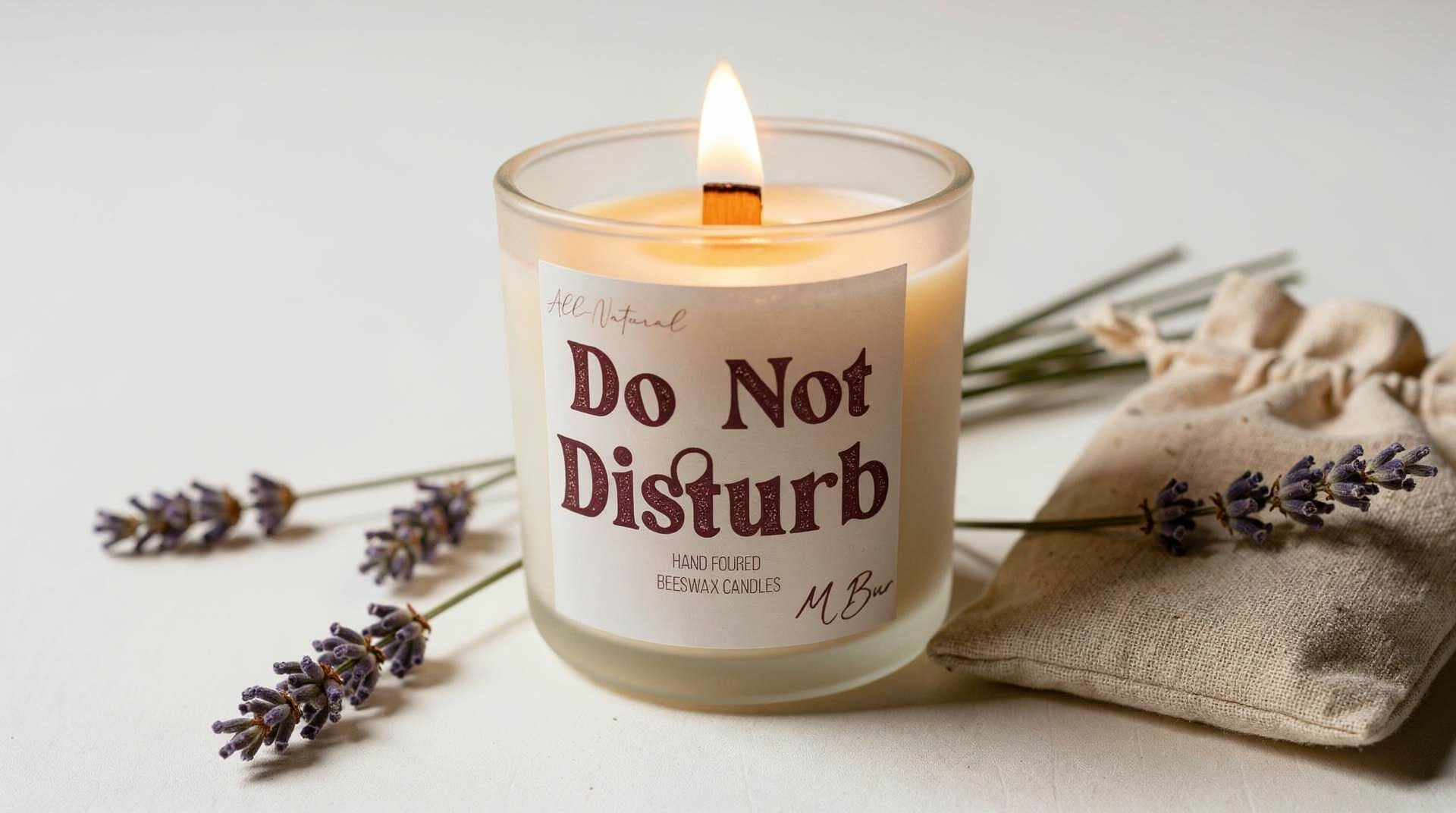
The most likely culprits are phthalates in the fragrance blend and VOCs from paraffin combustion. Some people are more sensitive to these compounds than others. Switching to a phthalate free beeswax candle eliminates both variables at once. Many customers who report candle related headaches find the issue resolves when they switch. The Do Not Disturb beeswax candle is a popular starting point for people who are scent sensitive but still want a real fragrance experience.
The Takeaway
The candle industry is largely unregulated when it comes to ingredient safety claims. 'Non toxic' means whatever a brand decides it means on any given day. That is not a fringe concern or a reason to be paranoid about candles. It is simply a fact about how this product category is currently governed, and knowing it makes you a better buyer.
What genuinely clean burning looks like: 100 percent beeswax, phthalate free fragrance, wooden or cotton wicks, no synthetic dyes, and a brand that will actually tell you what is in their candles without hiding behind trade secret protections.
Shop the full MBur beeswax collection — every ingredient disclosed, every candle transparent
What buyers say:
Related reading:

