

What Chemicals Are in Yankee Candles? A Complete Ingredient Breakdown
What Chemicals Are in Yankee Candles? A Complete Ingredient Breakdown
Most people don't think twice about the ingredients in their candles. You grab a jar off the shelf at the store, enjoy the scent, and move on. But here's something that might surprise you: the average mass market candle contains a complex blend of petrochemicals, synthetic additives, and fragrance compounds that manufacturers aren't required to fully disclose on the label. Yankee Candle, one of the most recognizable candle brands in America, is no exception.
This post breaks down exactly what's in Yankee Candles, why those ingredients matter, and how they compare to cleaner alternatives. We're not here to shame anyone for their candle choices, but to give you the information you need to make decisions that align with your values and health priorities.
What Wax Does Yankee Candle Use?
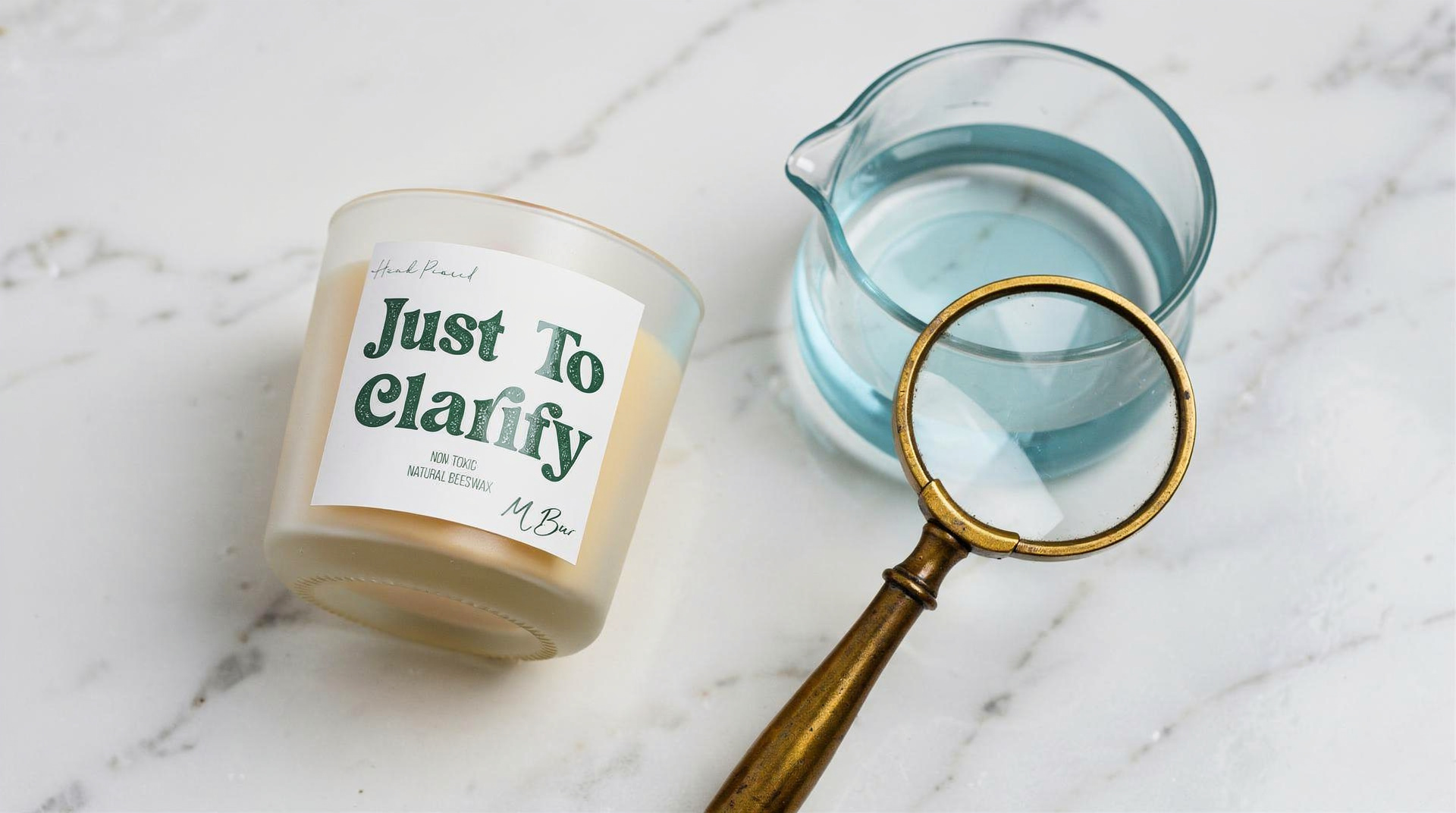
Yankee Candle primarily uses paraffin wax as its base material. Paraffin is a byproduct of crude oil refining, extracted during the process of turning petroleum into gasoline and diesel fuel. It's cheap, widely available, and holds color and fragrance well, which is why it dominates the mass market candle industry.
The problem is what happens when paraffin burns. When heated, paraffin wax releases volatile organic compounds (VOCs) including benzene and toluene, the same chemicals found in car exhaust. A study published in the journal Chemical Research in Toxicology found that burning paraffin candles in an unventilated space can accumulate benzene at levels comparable to secondhand smoke.
Some Yankee Candle products use paraffin blends that include a small percentage of soy or palm wax. However, these blends are still predominantly paraffin, and the addition of soy doesn't significantly change the emissions profile of the candle. It's a marketing move more than a health improvement.
Why Not Beeswax?
Beeswax is the oldest candle material, used for over 5,000 years as a light source. Unlike paraffin, beeswax is a natural byproduct of honey production that burns cleaner, produces light closest to natural sunlight, and actually purifies the air by releasing negative ions. It has a naturally high melting point, which means longer burn times and better scent throw. But beeswax costs significantly more than paraffin, which is why mainstream brands like Yankee Candle stick with petroleum byproducts.
Fragrance Compounds in Yankee Candles
This is where things get murky. Yankee Candle lists its fragrances as simply "fragrance," which is legal under the Fragrance and Materials Disclosure Practices Act. This means they don't have to tell you what's actually in their fragrance blend.
Most mass market candle fragrances are blends of synthetic fragrance compounds, many of which are derived from petrochemicals. These can include phthalates, which are used as plasticizers to help fragrance oils bind to wax. Phthalates are endocrine disruptors linked to reproductive issues and developmental problems. Several studies have found phthalates in the emissions from scented candles when burned.
Yankee Candle's fragrance formulations have not been independently tested or certified by third parties. The company does not publish detailed ingredient lists for their fragrance oils, which means consumers cannot verify whether their products contain phthalates, synthetic musks, or other potentially harmful compounds.
The Fragrance Labeling Problem
When a label says "natural fragrance," it doesn't mean the entire product is safe. A candle might contain 90% paraffin wax and 10% natural essential oils, but still call itself a "natural fragrance candle." The fragrance portion could be 50% natural and 50% synthetic compounds, and that's perfectly legal as long as some percentage is natural.
Additionally, the FDA does not regulate cosmetic fragrance ingredients the way it regulates pharmaceuticals. The Fragrance Ingredient Reporting System (FIRS) allows fragrance manufacturers to keep their formulations proprietary. This means major brands like Yankee Candle can use compounds in their fragrance that would require disclosure if listed individually.
Dyes and Colorants in Yankee Candles
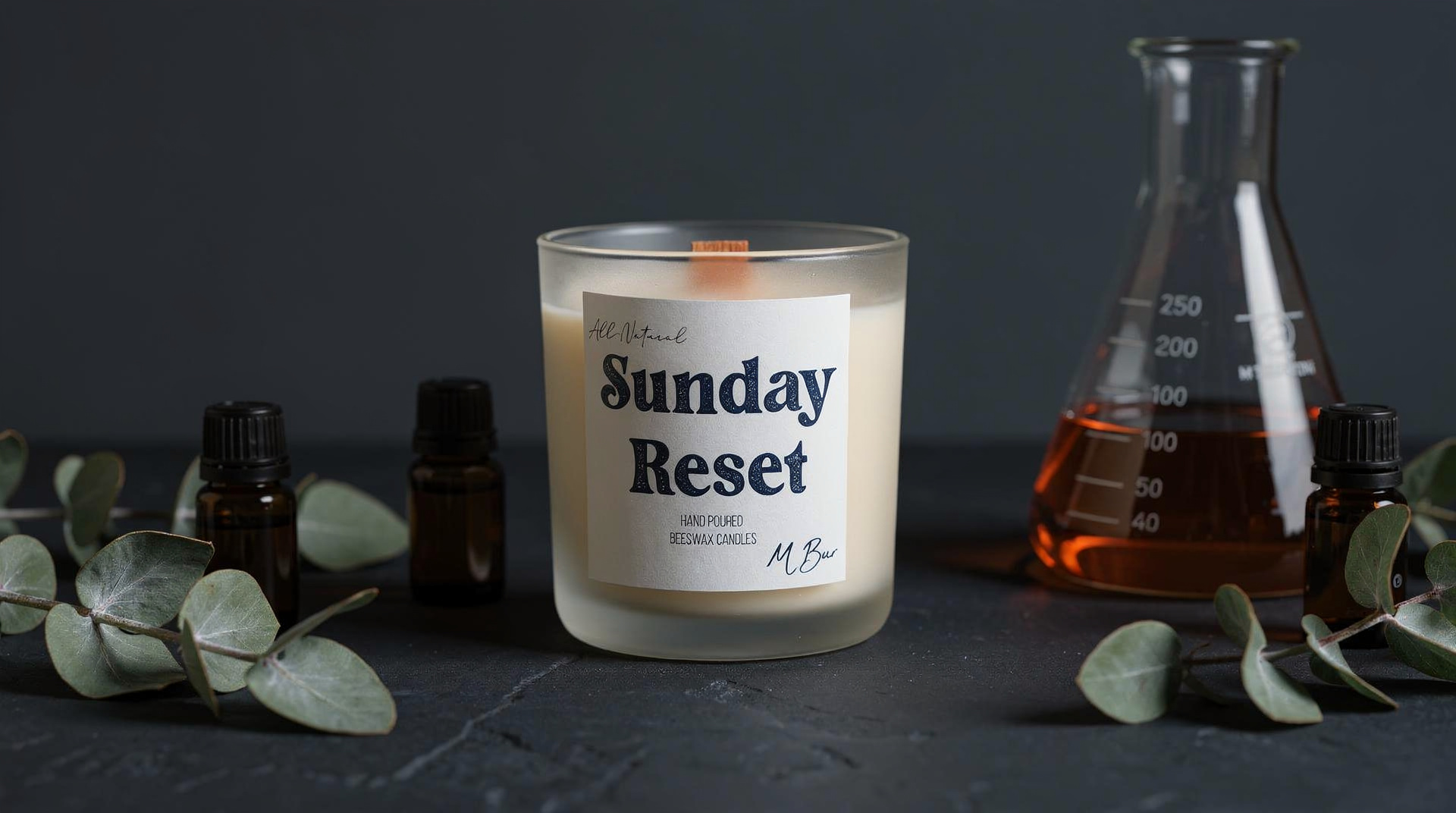
Yankee Candles come in dozens of colors, from jewel tones to pastels. These colors require dyes, and most mass market candle dyes are synthetic, often derived from azo compounds or other petroleum based colorants.
Some synthetic dyes used in candles have been banned in cosmetics but are still allowed in candles because the regulatory framework treats candles as decorative objects rather than personal care products. This means companies have more freedom in what they can add.
Natural dyes like mica, iron oxides, and plant based colorants exist, but they're more expensive and don't produce the vivid, consistent colors that consumers expect from Yankee Candles. Most people prefer a uniformly colored candle over a slightly mottled or duller one, so manufacturers prioritize synthetic dyes.
Additives and Processing Chemicals
Beyond wax, fragrance, and dyes, candles contain several other additives that serve specific purposes:
Stearic Acid: Used to increase the opacity and hardness of paraffin wax. Stearic acid is a saturated fatty acid that can be derived from animal fat or vegetable oil. In candles, it's often a byproduct of hydrogenated oils.
Vybar (Polyethylene) Resin: This is a polymer added to paraffin wax to improve its ability to hold fragrance and color. It's not inherently dangerous, but it's a synthetic plastic compound that doesn't biodegrade.
Zinc Core Wicks: Yankee Candles use zinc core wicks, which provide structure and help the wick stand upright as the wax melts. Zinc is generally considered safe in small amounts, but some studies suggest that burning zinc core wicks for extended periods can release zinc oxide particles into the air.
Higher quality wicks, like wooden wicks, don't require metal cores and produce a cleaner burn with less soot.
Emissions from Burning Yankee Candles
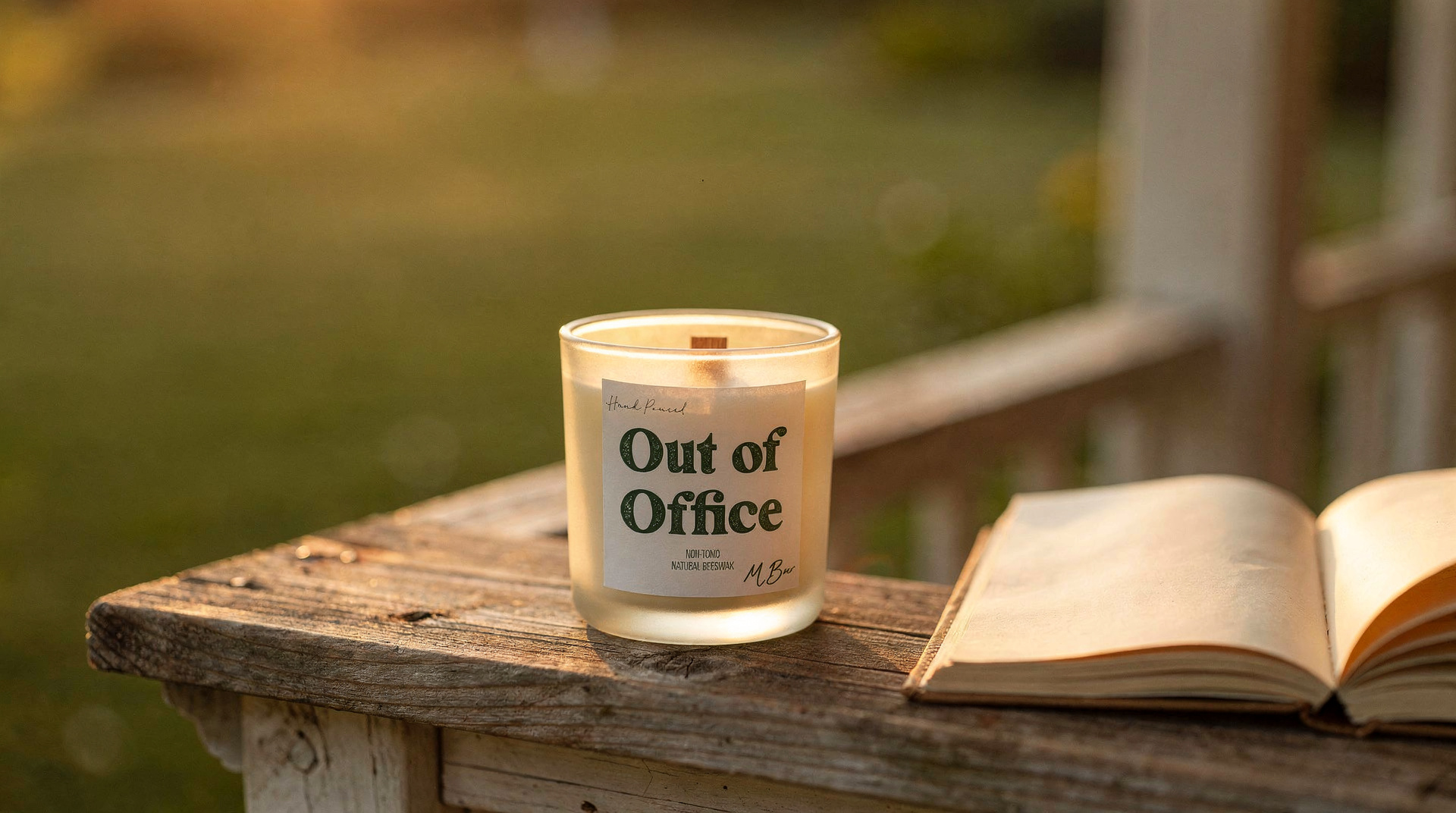
When paraffin candles burn, they release several compounds into the air:
Particulate Matter (Soot): Paraffin candles produce visible black soot that coats walls, ceilings, and surfaces over time. This soot is primarily unburned carbon particles and can irritate respiratory systems. A study from South Carolina State University found that burning paraffin candles in an unventilated room for several hours resulted in significant soot accumulation.
VOCs (Volatile Organic Compounds): Beyond benzene and toluene, burning paraffin candles releases formaldehyde, acetaldehyde, and other aldehydes. These are the same compounds released by new furniture or pressed wood, which is why some people experience headaches or respiratory irritation from scented candles.
Fragrance Related Emissions: The synthetic fragrance compounds in Yankee Candles react with ozone in the air (even at low levels) to create secondary organic aerosols. This can increase indoor air pollution rather than improve it.
The level of emissions depends on ventilation, burn time, room size, and the specific scent formula used. Yankee Candles burned in a large, well ventilated space produce fewer concentrated emissions than the same candle burned in a bedroom with doors closed.
How Yankee Candles Compare to Clean Alternatives
Not all candles are created equal. If you're concerned about what you're bringing into your home, here's how Yankee Candles stack up against genuinely clean alternatives:
| Factor | Yankee Candle | Cleaner Alternative (Beeswax) |
|---|---|---|
| Wax Base | Paraffin (petroleum byproduct) | Beeswax (natural, renewable) |
| Burn Time per Hour | 20 40 hours (varies by size) | 80+ hours (highest melting point) |
| Emissions | Benzene, toluene, soot | Negative ions, no harmful VOCs |
| Fragrance Transparency | Proprietary blend, phthalate risk | Disclosed ingredients, phthalate free |
| Dyes | Synthetic colorants | Natural or no dyes |
| Wick Type | Zinc core (standard) | Wooden (cleaner burn) |
| Price per Hour of Burn | $0.50 $1.20 | $0.30 $0.60 |
The table shows that while Yankee Candles cost less upfront, cleaner alternatives actually provide better value over time because they burn longer and don't require replacement as frequently.
Why People Still Buy Yankee Candles
Despite the ingredients we've outlined, Yankee Candle remains the market leader. Why? A few reasons:
Brand Recognition: Yankee Candle has been around since 1969 and has built massive brand loyalty through consistent marketing and retail presence.
Fragrance Variety: Yankee offers hundreds of scent options, many tied to seasonal themes or limited editions. This scarcity marketing drives repeat purchases.
Price Point: Yankee Candles are affordable for the average consumer. You can grab a small candle for $5 to $15, which is accessible to most budgets.
Retail Availability: You can find Yankee Candles at Target, Bed Bath and Beyond, and dozens of other retailers. They're convenient to buy.
None of these reasons have anything to do with the quality or safety of the ingredients. They're purely about marketing and distribution.
Health Considerations and Individual Sensitivity
Not everyone is equally affected by the chemicals in paraffin candles. Some people are highly sensitive to fragrance compounds and experience headaches, respiratory irritation, or allergic reactions. Others seem unbothered.
If you experience headaches, nausea, or respiratory discomfort when burning scented candles, you're likely sensitive to one or more compounds in the fragrance blend or to the soot particulates from paraffin wax. This is especially common with people who switch from mass market candles like Yankee to cleaner alternatives.
"I absolutely love these candles! I instantly notice the difference in the air quality, in comparison to the Bath & Body scented candles. I love Bath & Body's candles but I acknowledge that it caused a slight headache and other minor respiratory discomfort. Awesome products. Totally addicted." Jason H., switching from mass market brands to beeswax candles
This feedback is common among people who make the switch to transparent, clean candle formulations. The relief is often noticeable within a few burns.
Making an Informed Choice
If you love Yankee Candles and want to continue using them, that's your choice. But you should make that choice with full knowledge of what you're burning.
If you're interested in exploring alternatives, look for candles made with:
100% beeswax as the wax base (not blended). Beeswax is the cleanest burning wax available and produces light closest to natural sunlight. It also releases negative ions that purify the air.
Disclosed fragrance ingredients. If a brand won't tell you what's in their fragrance, that's a red flag. You should be able to see every ingredient.
Phthalate free fragrances. Some brands specifically certify that their fragrances contain no phthalates or other endocrine disruptors.
Natural or no dyes. Look for candles that use mica, iron oxides, or no colorants at all.
Wooden wicks. Wooden wicks burn cleaner than zinc core wicks and produce a crackling sound that many people find soothing.
A brand committed to transparency. Read their ingredient lists. Check if they test their products independently. Look for third party certifications.
FAQ: Yankee Candles and Health
Do Yankee Candles contain phthalates? Yankee Candle does not publicly disclose whether their fragrances contain phthalates. Since they list fragrance as a proprietary blend, they are not required to disclose this information. Many mass market candle fragrances do contain phthalates, but without testing a specific Yankee Candle product, we cannot confirm whether any particular scent contains them.
Is it safe to burn Yankee Candles in a small bedroom? Burning paraffin candles in an unventilated small space concentrates emissions. If you want to use scented candles in a small bedroom, ensure ventilation is adequate. Alternatively, choose a candle made with beeswax or soy wax, which produce fewer emissions. Our post on MBur versus Yankee and whether scented candles are toxic goes deeper into this comparison.
Why do Yankee Candles smell stronger than other candles? Yankee Candles use high concentrations of synthetic fragrance compounds, which creates a stronger initial scent. Some of this scent comes from the fragrance itself, and some comes from the soot and particulates released during burning. Natural fragrance formulations often smell more subtle on the cold throw (before burning) but can actually have better scent distribution once lit, because they don't rely on soot to carry the aroma.
Are Yankee Candles bad for my health? The answer depends on your individual sensitivity and how you use them. Occasional use in a well ventilated space poses minimal risk for most people. However, burning paraffin candles frequently or in small, unventilated spaces can accumulate VOCs and particulate matter over time. If you experience headaches or respiratory irritation, the candles are likely triggering a sensitivity, and you should either use them less frequently or switch to a cleaner formulation.
What is the safest candle to burn? 100% beeswax candles with wooden wicks and disclosed, phthalate free fragrances are the safest option. They produce no harmful emissions, burn the longest, and require the least synthetic processing.
The Takeaway
Yankee Candles are made with paraffin wax (a petroleum byproduct), undisclosed synthetic fragrance compounds, synthetic dyes, and metal core wicks. When burned, they release VOCs like benzene and toluene, along with visible soot. None of this makes Yankee Candles uniquely dangerous in the world of mass market candles, but it does mean they're far from the cleanest option available.
If you enjoy candles and want to feel confident about what you're bringing into your home, investing in a beeswax candle with transparent ingredients is worth the upgrade. You'll get a longer lasting product, better air quality, and peace of mind knowing exactly what you're burning.
Ready to explore cleaner alternatives? Our handcrafted beeswax candles are made with 100% beeswax, wooden wicks, and phthalate free fragrance. Each candle burns for up to 80 hours and produces the light spectrum closest to natural sunlight. Browse our full collection of transparent, clean candles here.
Explore MBur Candle Co beeswax candles
Related Posts:
What Makes a Candle Non Toxic? Ingredients to Look For (and Avoid)
Are Candles Bad for Your Health?
Discover the Secret to Soot Free Candles: Say Goodbye to Mess and Hello to Clean Burn
Why Paraffin Free Candles Are a Must Have for a Healthier Home