

What Chemicals Are in Bath and Body Works Candles? A Transparent Breakdown
What Chemicals Are in Bath and Body Works Candles? A Transparent Breakdown
The candle industry in the United States operates with almost no regulatory oversight. No federal agency requires candle manufacturers to test for emissions or prove safety claims before selling products. Bath and Body Works lists candle ingredients on its product pages, but the fragrance itself appears as a single umbrella term that can cover dozens of individual compounds. This guide breaks down the chemistry behind BBW candles, the health concerns tied to those ingredient categories, and how different candle types compare when it comes to what goes into the air. You can browse our full beeswax candle collection here.
The Wax: Where Most BBW Candles Start
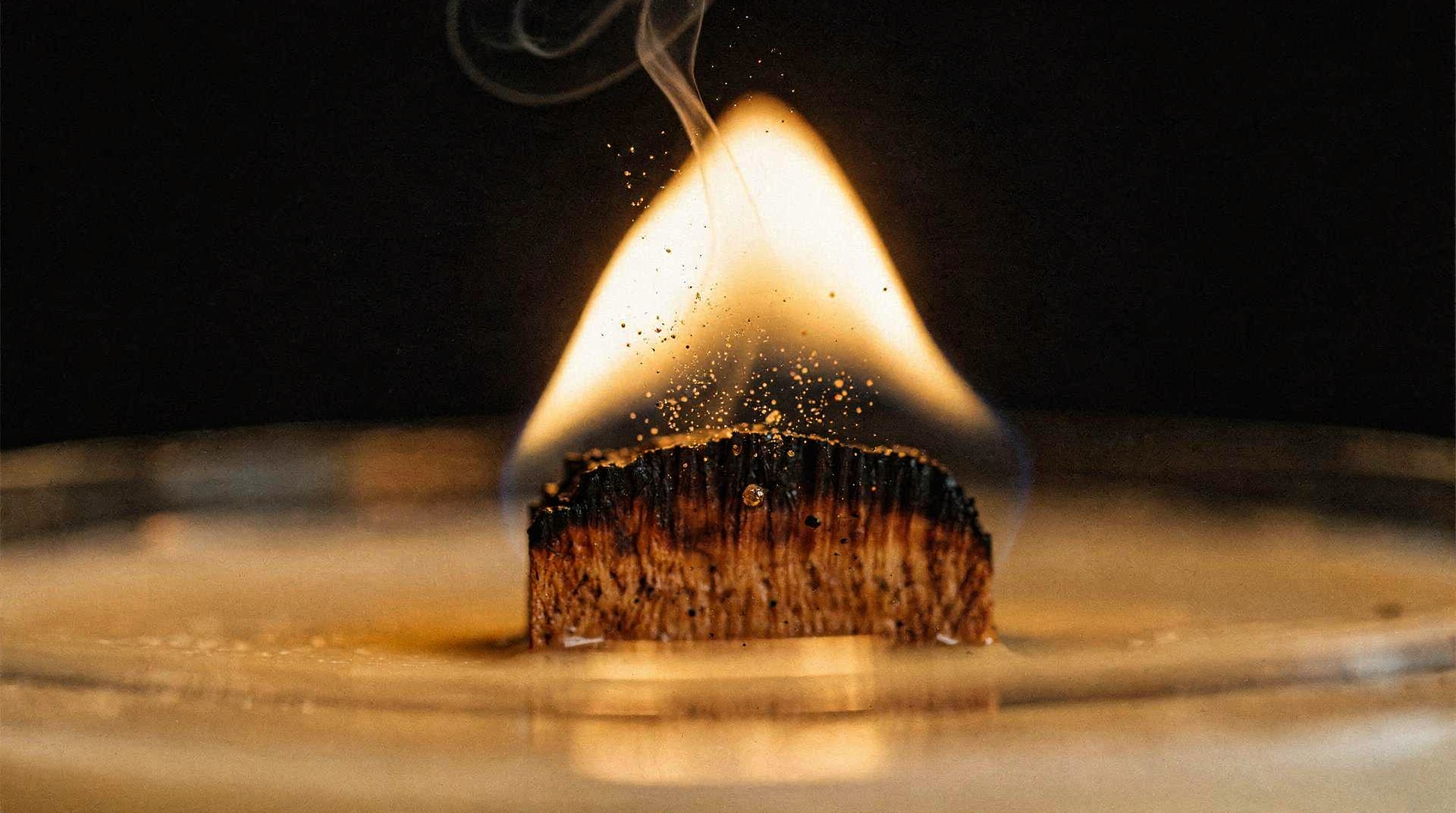
Bath and Body Works candles are built on a wax blend of paraffin, soybean wax, and palm oil, with paraffin doing most of the work. Paraffin is a byproduct of petroleum refining. When crude oil is processed into gasoline and other fuels, paraffin is what is left behind. It is cheap, holds color well, and has a low melting point, which makes it easy to work with in manufacturing.
Paraffin wax is a complex mixture of hydrocarbons rather than a single, pure ingredient, and when heated to burning temperatures it can release volatile organic compounds (VOCs). Research from South Carolina State University found that burning paraffin candles can emit benzene and toluene, chemicals also found in car exhaust and cigarette smoke.
The EPA lists both benzene and toluene as hazardous air pollutants. Benzene is a known carcinogen. Toluene can affect the nervous system with prolonged exposure. If you are burning paraffin candles regularly in your bedroom or living room, these are compounds worth being aware of. For a deeper comparison of how different waxes affect your air, see our breakdown of paraffin vs beeswax vs soy for indoor air quality.
The exact ratio of paraffin to vegetable waxes in the blend is not disclosed on the packaging. You do not know if you are getting 10% soy or 50% soy. And soy wax, while technically renewable, often comes from genetically modified crops and still relies on paraffin in the blend to improve performance.
The Fragrance: Dozens of Compounds Behind a Single Word
This is where Bath and Body Works diverges most from cleaner candle options. BBW fragrances are proprietary blends built by large fragrance houses such as International Flavors and Fragrances (IFF) and Symrise, the same suppliers behind most mass-market scents in beauty and home care. These blends are cheaper to produce at scale, more stable during burning, and easier to standardize across thousands of products.
A single fragrance blend can contain anywhere from 30 to 300 different chemical compounds. The word "fragrance" on a label functions as a catch-all that protects the manufacturer's formula while telling the consumer very little about what is actually in the product.
Chemical categories that can hide inside an undisclosed fragrance blend include:
- Phthalates: Plasticizers that help fragrance bind and linger. Some phthalates (like DEHP and DBP) are endocrine disruptors and have been restricted in the EU but remain legal in U.S. candles.
- Acetone: A solvent used in many fragrances. In high concentrations, it can cause headaches and dizziness.
- Benzaldehyde: Used to create almond and cherry scents. It can irritate respiratory systems.
- Limonene: A fragrance component derived from citrus that oxidizes into formaldehyde when exposed to ozone in indoor air.
Bath and Body Works has not labeled its candles phthalate-free. The company's own ingredient disclosures state that trace amounts of phthalates may be present as impurities, which it says are kept below regulatory limits. Independent reviewers who track this question report that as of recent checks, neither BBW nor its White Barn line is explicitly phthalate-free. The company's official position, for balance, is that its candles are safe and undergo extensive quality and safety testing that meets or exceeds applicable industry and government standards.
If BBW candles have been giving you headaches, the fragrance formulation is almost certainly a factor. We wrote a full post on why candles give you headaches and how to avoid it.
The Dyes: Color at a Cost
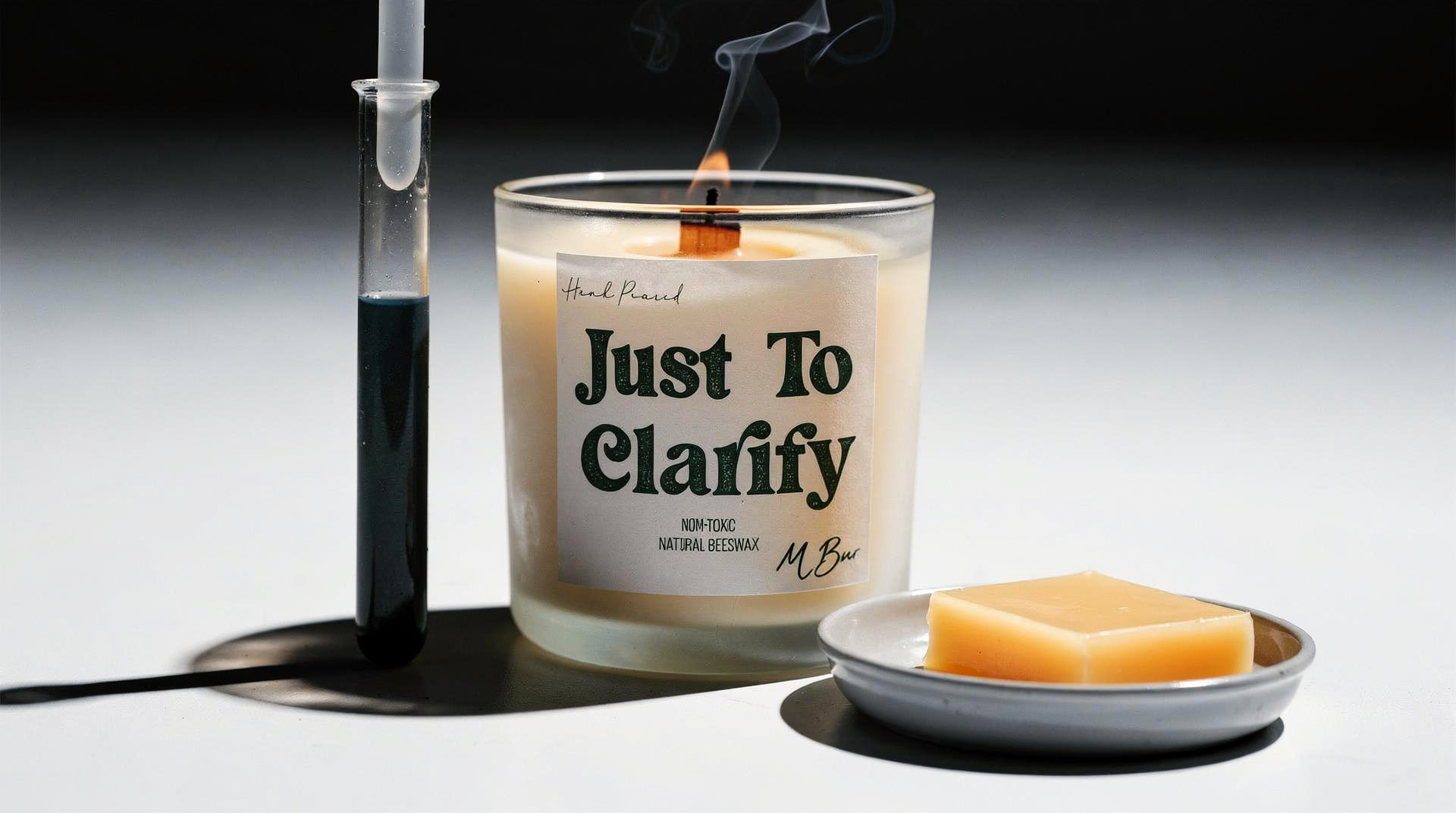
The vibrant colors in BBW candles come from colorants listed among the candle ingredients, typically dyes derived from coal tar or petroleum. Candle-specific dyes like CI 12700 (red), CI 19140 (yellow), and CI 42090 (blue) are approved for cosmetic use in the U.S., but that approval does not account for what happens when they are burned.
When dyes burn, they can release particulates and additional VOCs. Some dyes have been shown to increase soot production during the burn, which then coats walls, lungs, and air vents with fine black residue. As a general rule, the more heavily dyed the candle, the more soot it tends to produce. For more on how candle soot affects your health and how to avoid it, we have a full guide.
The American Lung Association has noted that candle soot can accumulate in the respiratory system over time, particularly in poorly ventilated spaces.
The Wick: Cotton, Rayon, and the Case for Wood
Bath and Body Works states that all of its candle wicks are lead-free and made from cotton, cotton and paper, or rayon. That is a real improvement over the industry's past. Lead-core wicks were banned in the U.S. in 2003 after a public health campaign revealed they were a significant source of indoor lead exposure, and imported candles occasionally still slip through with lead cores, so buying from brands that state their wick materials matters.
The wick still cannot fix the wax. A cotton or rayon wick burning a paraffin-heavy blend produces the soot and VOC profile of the wax it is burning. Wick construction also affects burn quality directly: multi-wick paraffin candles run hot, consume fragrance quickly, and produce visible soot when the wicks go untrimmed.
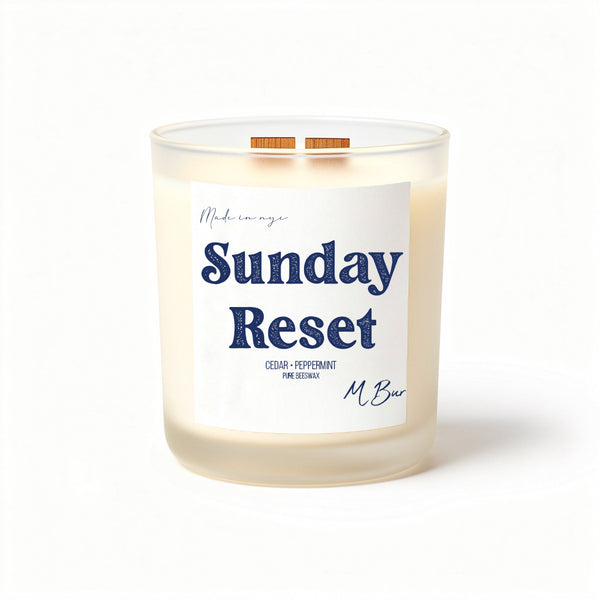
Wooden wicks take a different approach. They burn low and even, produce less soot in a well-made candle, and create a soft crackling sound. Every candle in the MBur line uses a single untreated wooden wick paired with 100% beeswax, so the clean wick sits on a clean base.
Additives: What Mass-Market Paraffin Candles Commonly Contain
Mass-produced paraffin candles typically rely on a stack of additives that never appear on packaging. Stearic acid is a common hardening agent that raises the melting point of paraffin. While stearic acid is derived from animal fat or vegetable oil, the version used in mass production is usually chemically processed and can carry residual solvents from refining.
Other additives common in this category of candle include:
- Vybar or similar polymer additives to improve scent throw and color stability.
- UV absorbers to prevent fading (which themselves can break down when exposed to heat and light).
- Hardeners and thickeners that are not listed on packaging.
The Health Impact: What Research Actually Shows
Studies on paraffin candle emissions are limited, partly because the industry resists regulation. But the research that does exist raises real concerns. The South Carolina State University work found paraffin candles emitting benzene and toluene during the burn, and the American Lung Association links scented candles to elevated indoor particulate and VOC concentrations, especially in small rooms without ventilation.
Consumer experiences line up with the research. Many people report headaches, throat irritation, or sinus issues when burning mass-market scented candles. Some of these reactions come from fragrance sensitivity, and others stem directly from VOC exposure and irritant compounds in the blend.
One customer shared their experience after switching:
"I absolutely love these candles! I instantly notice the difference in the air quality, in comparison to the Bath & Body scented candles. I love Bath & Body's candles but I acknowledge that it caused a slight headache and other minor respiratory discomfort. Awesome products. Totally addicted." Jason H., verified buyer, on Retail Therapy
If you find yourself getting headaches from scented candles, the culprit is usually a combination of fragrance chemistry, heavy fragrance load, and poor ventilation. BBW candles carry a fragrance load designed to create a strong scent throw across an entire retail store. The intensity that makes a BBW candle effective in a large retail space becomes overwhelming in a bedroom or small living room.
If headaches from candles are a recurring issue for you, our post on why candles cause headaches covers the specific chemical mechanisms in more detail.
How BBW Candles Compare to Clean Alternatives
The contrast between Bath and Body Works and cleaner candle options becomes clear once you understand the chemistry.
Beeswax candles are made from a single ingredient that is a byproduct of honey production. Beeswax has a naturally higher melting point than paraffin, so it burns slower and lasts significantly longer. It also burns cleanly, without the benzene and toluene emissions associated with paraffin. If you are curious about how beeswax compares to soy and paraffin on specific metrics like burn time, soot, and VOC emissions, we have a detailed paraffin vs beeswax vs soy comparison.
The fragrance side matters just as much. Clean candle makers use phthalate-free non-toxic fragrance oils instead of the undisclosed blends found in mass-market candles. The difference is measurable in what goes into the air during a burn session, and most people who switch notice it immediately in the form of fewer headaches and less respiratory irritation.
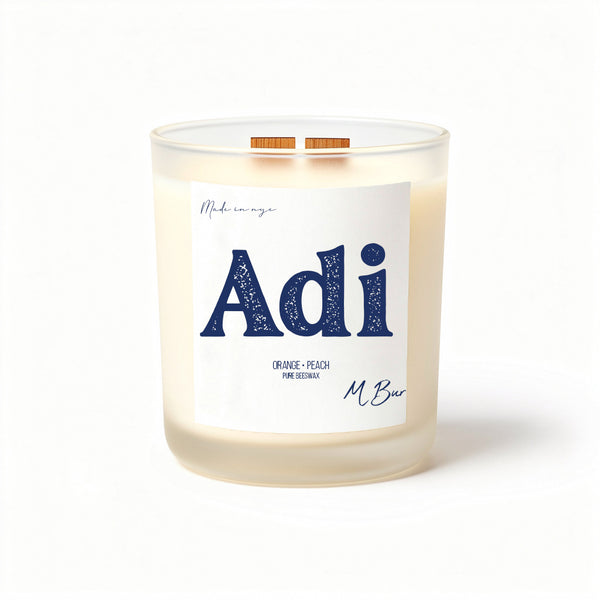
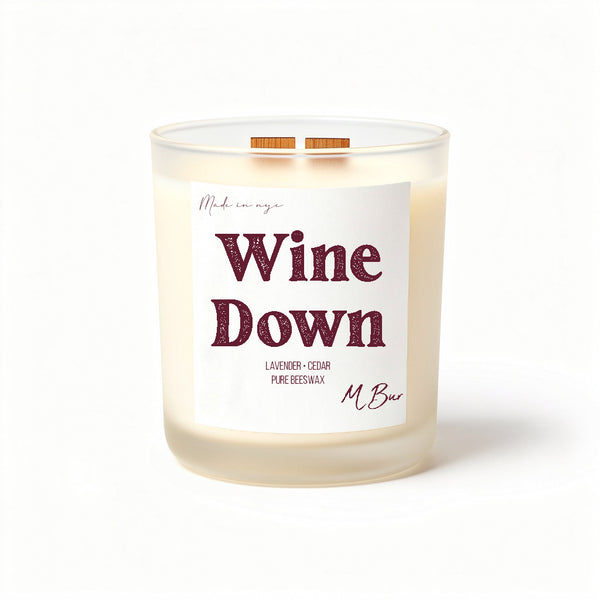
If you are sensitive to strong scents or get headaches from BBW candles, the Wine Down beeswax candle is one of the most commonly cited alternatives by former BBW customers. The scent profile is lavender, chamomile, sage, cedar, and sandalwood on a 100% beeswax base with phthalate-free fragrance and a wooden wick. Starting at $20 for the 20-hour size. For something warmer and more grounding, Do Not Disturb (vanilla, sandalwood, soft pear, and peach blossom) is a good option for anyone who wants scent without intensity. And if you tend toward brighter, more energizing profiles, Retail Therapy brings grapefruit, tart currants, jasmine, peach, smoky black tea, and warm amber.
Why Full Disclosure Is So Rare
Candle ingredients are lightly regulated in the U.S. because candles occupy an ambiguous space. Some regulators classify them as cosmetics (which would require full ingredient lists), while others treat them as home goods (which do not). This legal gray area benefits the industry broadly, and Bath and Body Works operates within the same framework as most candle manufacturers.
The industry also argues that listing fragrance components would expose trade secrets. The practical result is that consumers have limited visibility into what they are breathing when they burn most candles, regardless of brand.
What you can verify before buying, from any brand, is whether the candle uses 100% beeswax or another single-ingredient wax (rather than an undisclosed blend), whether the fragrance is phthalate-free, whether the wick is wood or cotton without metal cores, and whether the candle contains dyes. Those four data points tell you most of what you need to know about what is going into your air. For a full walkthrough of what to check, see our guide on what makes a candle non-toxic.
Making an Informed Choice
If you love the experience of burning scented candles, you do not have to stop. You need to know what to check. Here is a practical checklist:
- Check the wax: Is it 100% beeswax, soy wax, or coconut wax? If it is paraffin or a blend where the ratio is not specified, that is a red flag.
- Check the fragrance: Does the label say "phthalate free"? If the brand uses phthalate-free non-toxic fragrance oils, they will typically say so explicitly.
- Check the wick: Is it wood or cotton without metal cores? Wooden wicks are a strong indicator of cleaner manufacturing practices.
- Check for dyes: Clean candles typically use no dyes at all. If you see vague terms like "colorant" or CI numbers, the candle contains dyes.
Clean-burning candles are available from independent makers and some larger brands that have committed to safer ingredients. The cost per candle is higher upfront, but beeswax burns significantly longer per ounce than paraffin, which changes the price-per-hour math. Our burn time guide breaks down the numbers across candle sizes.
Frequently Asked Questions
Are Bath and Body Works candles actually toxic?
Paraffin candles emit benzene and toluene, both classified as hazardous air pollutants. Regular exposure to these chemicals in poorly ventilated spaces carries documented health risks. Whether a single candle session qualifies as dangerous depends on your ventilation, burn duration, and individual sensitivity. BBW's own position is that its candles are safe and pass extensive testing, so the honest summary is that occasional use is unlikely to harm most people, while frequent burning of paraffin candles in small spaces raises real air quality concerns.
Can I get sick from burning a BBW candle?
Most people will not experience acute illness from a single candle or occasional use. But chronic or frequent burning in small, poorly ventilated spaces increases your exposure to VOCs and fragrance chemicals, which can trigger headaches, respiratory irritation, or allergic reactions, especially in sensitive individuals. If you have asthma or other respiratory conditions, the risk is higher.
Why do Bath and Body Works candles give me headaches?
Several factors combine: irritant fragrance compounds (particularly acetone and benzaldehyde), high fragrance load designed for retail spaces, VOC emissions from paraffin wax, and potential sensitivities to specific fragrance components. If one BBW scent triggers a headache, it does not necessarily mean all scented candles will. Clean-burning alternatives with phthalate-free non-toxic fragrance typically do not cause the same reaction. The Do Not Disturb candle (vanilla, sandalwood, soft pear, peach blossom) is specifically popular with people who switched away from BBW because of headaches.
Is soy wax better than paraffin?
Soy wax is renewable and sustainable, which matters environmentally. But from a health perspective, the advantage is limited if the candle still uses an undisclosed fragrance blend and dyes. Some soy candles are actually soy-paraffin blends with no clear labeling. Pure soy is better than pure paraffin, but beeswax is the cleanest option overall.
What is the safest candle wax?
100% beeswax burns without the benzene and toluene emissions associated with paraffin and lasts significantly longer per ounce than paraffin or soy. Pure coconut wax is also clean but newer to the market with less long-term data available.
Are there candles safe for people with allergies?
Yes. 100% beeswax candles with phthalate-free fragrance and wooden wicks are the safest option for allergy sufferers, because the low-soot burn adds as little particulate to the air as possible. We have a full guide on the best beeswax candles for allergy sufferers.
The Bottom Line
Bath and Body Works candles are engineered for retail appeal. They are built on a paraffin-heavy wax blend, undisclosed fragrance formulas, dyes, and a fragrance load sized for a store rather than a bedroom. Each of those components is legal, and the combination raises legitimate indoor air quality questions when burned regularly in typical home environments.
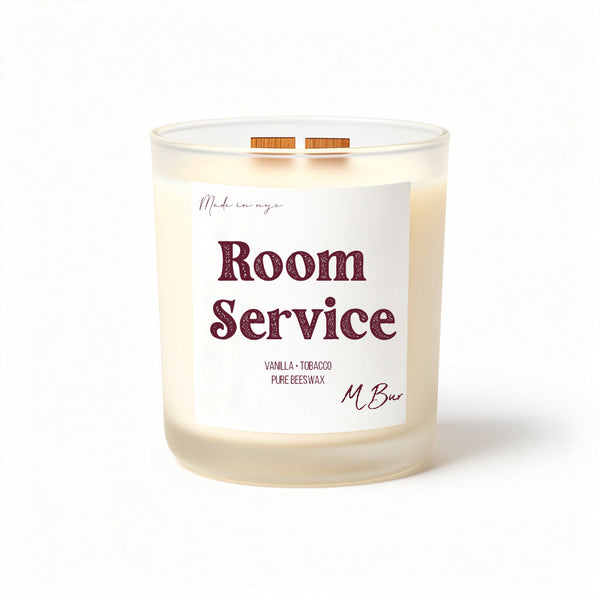
If you want a candle that burns clean and keeps unnecessary compounds out of your air, the starting point is 100% beeswax with phthalate-free fragrance, a wooden wick, and no dyes. The Room Service candle (vanilla, tobacco, saffron, orchid, tonka bean) is MBur's bestseller and a common first purchase for people coming from BBW. Starting at $20 for the 20-hour size.
Shop the full collection of clean-burning beeswax candles
What buyers say:

