

What Chemicals Are in IKEA Candles? What's Actually Inside
What Chemicals Are in IKEA Candles? What's Actually Inside
IKEA candles show up on nearly every IKEA shelf. They're cheap, available in formats from tea light to tall pillar, and the brand is broadly known for decent quality across product categories. The candle line is the one area where IKEA's own published disclosures complicate the marketing somewhat. Here's what's actually in an IKEA candle, sourced from the brand's own customer service pages.
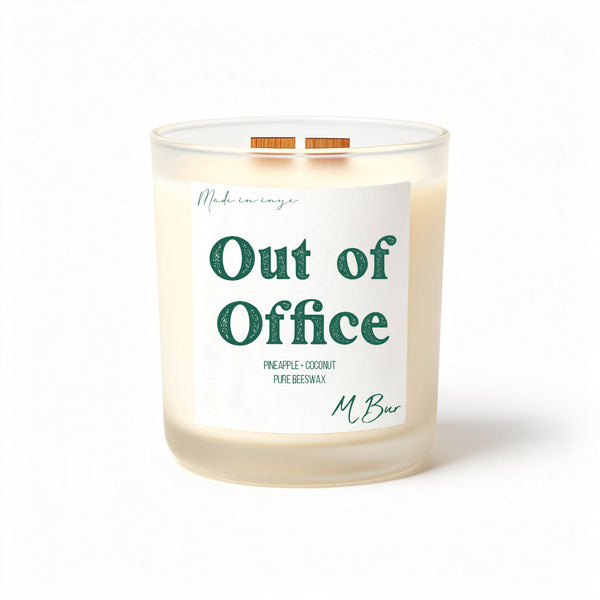
For a cleaner alternative, browse the full MBur beeswax candle collection.
The Quick Answer
IKEA's customer service pages state that the main raw materials in IKEA candles are paraffin, vegetable wax, and stearin, in varying proportions across product lines. Cotton wicks. Scented candles use a mix of natural essential oils and aroma chemicals. The stearin component is acknowledged to come from animal fats (a food industry byproduct), which makes many IKEA candles non-vegan. The vegetable wax has historically included palm oil and palm stearin, which is the brand's most-publicly-criticized sustainability issue. The newer JÄMLIK glass jar lists "Plant-based wax (min. 50%), paraffin wax, fragrance" on the product page. Up to half of even the newer line is paraffin.
The Wax: Paraffin, Vegetable Wax, and Stearin
IKEA's customer service pages across multiple country sites consistently state that "the main raw materials in IKEA candles are paraffin, vegetable wax, and stearin." The percentages vary by product. For the JÄMLIK scented glass jar candle, IKEA's US product page explicitly lists "Plant-based wax (min. 50%), paraffin wax, fragrance." At least half is plant-based, but paraffin is a stated ingredient.
The stearin component is acknowledged to come from "leftover animal fat" from the food industry. For vegan buyers this is significant; even an IKEA candle marketed as "natural" may include animal-derived stearin.
The vegetable wax includes palm oil and palm stearin in many IKEA candles. Environmental groups including Rainforest Rescue have publicly documented that IKEA uses tens of thousands of tons of palm oil annually for candle production. The brand acknowledges its membership in the Roundtable on Sustainable Palm Oil (RSPO), though the rigor of RSPO certification is debated by environmental organizations.
The Wicks: 100% Cotton
IKEA confirms its candle wicks are 100% cotton. Lead-free. This is a baseline that almost all modern candles meet.
The Fragrance: Natural + Aroma Chemicals
IKEA's customer service pages describe scented candle fragrance as "a mixture of natural essential oils and aroma chemicals." The brand states it "limits the use of fragrance allergens and other harmful substances" according to legal regulations and its own internal requirements. The full fragrance composition isn't disclosed publicly, and whether phthalates are present is not stated.
The Dyes
IKEA's customer pages state "pigments and dyes are used for coloring" in colored candles. The composition of those dyes isn't publicly disclosed.
Ingredient Summary Table
| Component | What's Disclosed | Concern Level |
|---|---|---|
| Wax | Paraffin + vegetable wax (often palm) + stearin (often animal-derived) | Moderate to high (paraffin + palm + non-vegan) |
| Wick | 100% cotton, lead-free | Low (baseline) |
| Fragrance | Natural essential oils + synthetic aroma chemicals; phthalate status not stated | Moderate (uncertainty) |
| Dyes | Pigments and dyes used; composition not disclosed | Moderate |
| Vegan? | Often no (stearin from animal fats) | n/a |
| Palm oil concern | Documented; RSPO membership | Moderate |
How IKEA Compares to Clean Alternatives
IKEA candles don't meet clean-candle standards. The wax includes paraffin and palm. The fragrance has no phthalate-free claim. The stearin is often animal-derived, which excludes them from vegan categorization. The wick is the one area where they meet the standard. IKEA's own disclosure is more transparent than most mass-market brands, which is credit worth giving the brand, but the disclosure itself shows the candles aren't clean by usual criteria.
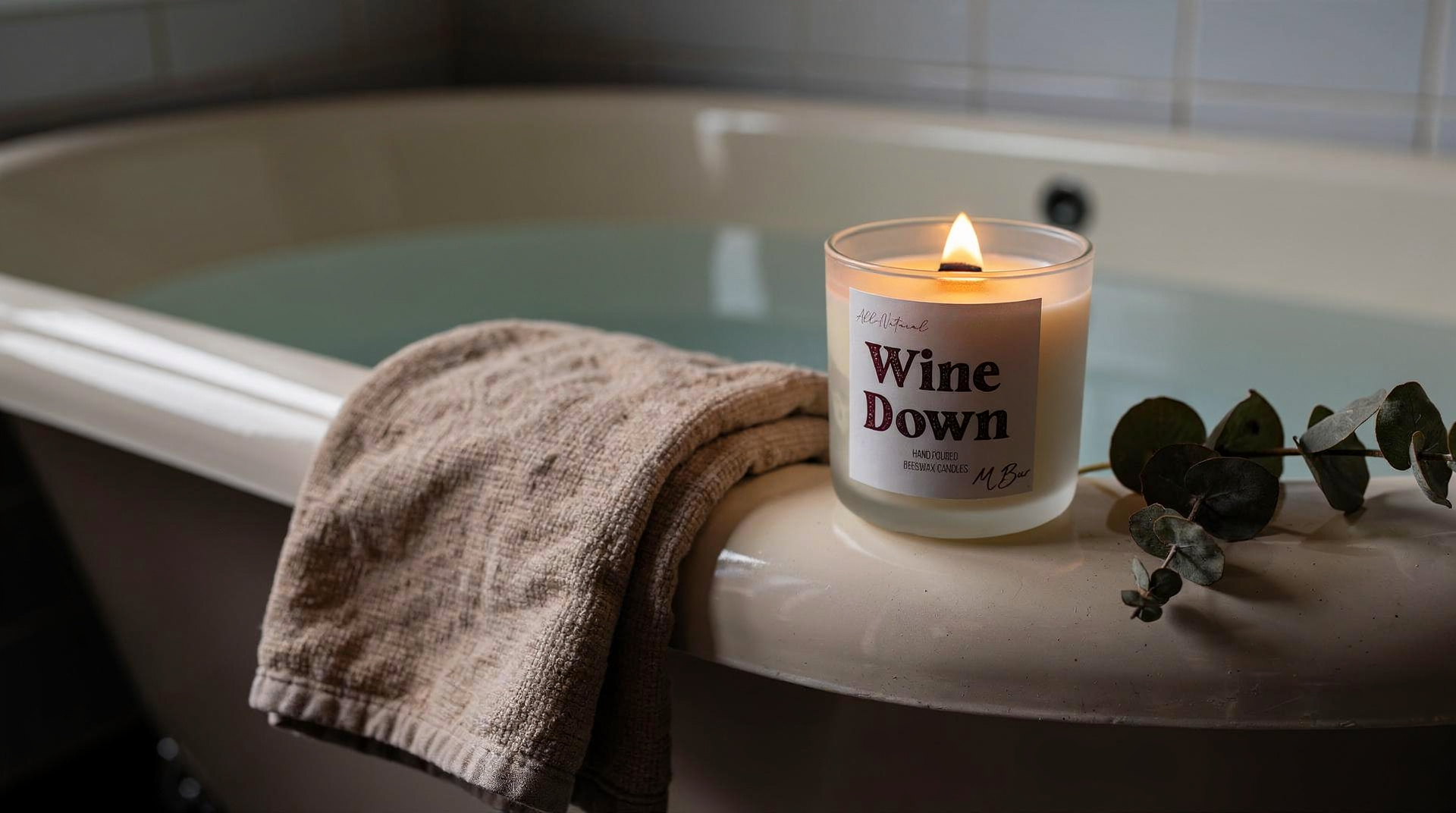
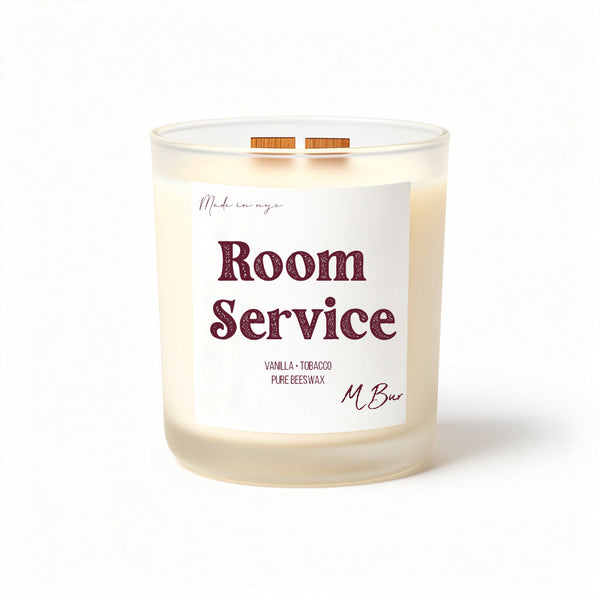
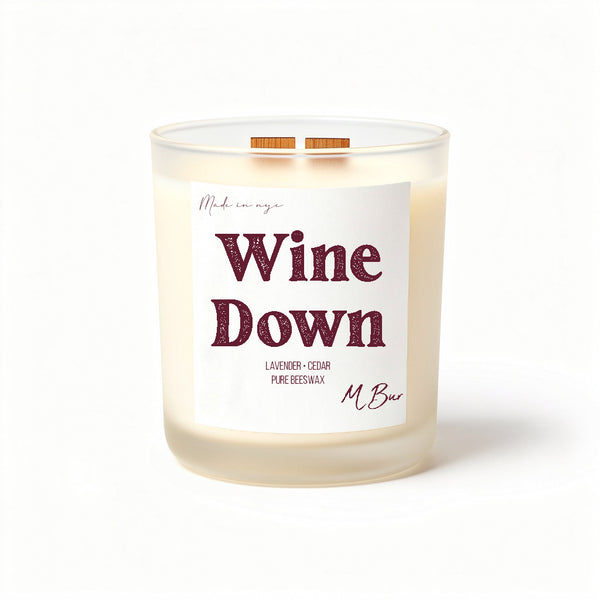
MBur uses 100% beeswax (no paraffin, no palm, no stearin) with phthalate-free non-toxic fragrance, wooden wicks, and no dyes, all stated explicitly. The Wine Down candle is a fully transparent alternative. For vegan buyers, Voluspa (coconut wax blend, paraffin-free) or P.F. Candle Co. (100% soy) are clean plant-based options.
Frequently Asked Questions
Are IKEA candles toxic?
Not classified as toxic by regulatory standards. The paraffin component releases benzene and toluene when burned. The palm-stearin component carries sustainability concerns. The fragrance is not stated to be phthalate-free. For occasional use the risk is moderate. For regular use or for buyers with specific health or ethical concerns, IKEA candles aren't in the clean-candle category.
Do IKEA candles contain palm oil?
Many do. IKEA's vegetable wax component frequently includes palm oil or palm stearin. The brand uses tens of thousands of tons of palm oil annually for candles per Rainforest Rescue and IKEA's own acknowledgments. The brand cites RSPO membership for sustainability, but environmental groups have publicly criticized the rigor of RSPO certification.
Are IKEA candles vegan?
Often no. IKEA's own customer service pages state the stearin component is made from animal fats (food industry leftovers). This makes many IKEA candles non-vegan. The product description rarely flags this prominently. For vegan buyers, IKEA candles aren't a reliable choice without specific product-level verification.
What's the cleanest IKEA candle option?
The JÄMLIK scented glass jar lists "Plant-based wax (min. 50%), paraffin wax, fragrance," which puts at least half the wax in plant-based territory but still includes paraffin. Unscented tea lights typically have a similar composition. No widely-available IKEA candle meets full clean-candle standards.
The Bottom Line
IKEA candles contain paraffin, vegetable wax (often palm), and stearin (often animal-derived) in varying proportions across product lines. The brand discloses more about its candles than most mass-market companies do, which is credit where credit is due. The disclosure itself reveals that the candles aren't clean by standard criteria: paraffin in the wax, palm sustainability concerns, often non-vegan, and an undisclosed fragrance composition. For affordable decorative use, IKEA candles work. If you specifically want clean burning, a 100% beeswax or paraffin-free coconut alternative is the cleaner choice.
Shop the full collection of clean-burning beeswax candles
