

Unwind After Work: The Best Evening Routine for Stress Relief (That Actually Works)
You know that moment when you walk through the door after a brutal workday, still carrying the weight of every email, meeting, and deadline in your shoulders? Your mind is buzzing with tomorrow's to do list, and despite being physically exhausted, you're somehow too wired to actually relax.
If this sounds familiar, you're definitely not alone. The struggle to transition from work mode to rest mode is real, and most of us are doing it completely wrong. But here's the thing: with the right evening routine stress relief strategies, you can actually flip that switch and create a nighttime ritual that doesn't just help you unwind, it transforms your entire relationship with stress.
In this guide, we'll walk through science backed relaxation techniques that work, plus share the simple evening routine that's helping thousands of people finally find their calm. By the end, you'll have a personalized nighttime ritual that fits your lifestyle and actually delivers on its promises. Let's start with our carefully curated collection of stress relief essentials that make all the difference.
Why Your Current Evening Routine Isn't Working
Most of us think we have an evening routine, but scrolling through our phones while Netflix plays in the background isn't exactly what experts call "intentional relaxation." The problem with passive activities is that they don't actually signal to your nervous system that it's time to downshift.
Real stress relief requires active participation. Your brain needs clear cues that the workday is over and it's safe to relax. Without these signals, you end up in that frustrating limbo where you're tired but can't sleep, exhausted but still anxious.
The other issue? Most evening routines focus on what you should stop doing (no screens, no caffeine) rather than what you should start doing. That's like trying to empty a bucket without turning off the faucet. You need replacement activities that actively promote relaxation.
This is where the magic of aromatherapy comes in. When you light our Wine Down beeswax candle, you're not just creating ambiance, you're engaging your olfactory system in a way that directly impacts your nervous system. The lavender, chamomile, and sage blend naturally signals to your brain that it's time to shift gears.
The Science Behind Effective Evening Routines
Here's what actually happens in your body when you create a consistent nighttime ritual: your circadian rhythm starts to anticipate the routine, releasing hormones like melatonin earlier in the evening. Your cortisol levels (that's your stress hormone) begin to drop, and your parasympathetic nervous system, the "rest and digest" mode, kicks into gear.
But timing matters. Research shows that the most effective evening routines start about 90 minutes before your intended bedtime. This gives your body enough time to naturally transition from the alert state to a relaxed one.
The key is consistency and sensory engagement. Your routine needs to involve multiple senses to be truly effective. This is why simply reading a book might not be enough, but reading a book while enjoying the gentle crackle of a wooden wick and the calming scent of natural aromatherapy? That's a different story entirely.
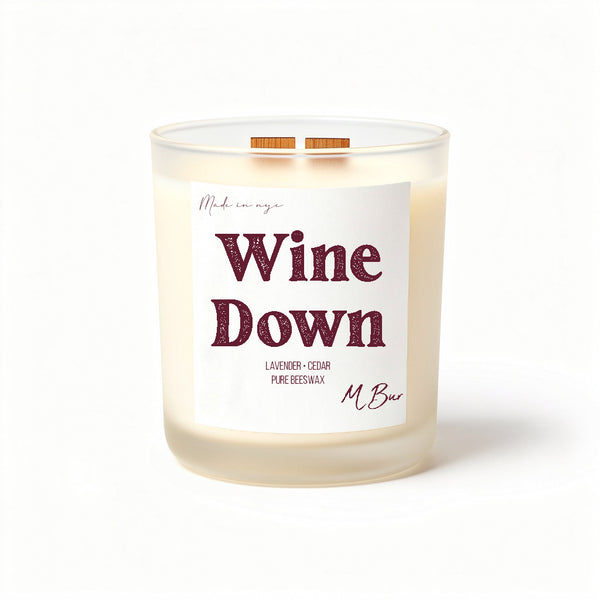
"I absolutely loved the Wine Down candle! The scent is so light and clean, not overpowering at all, which is exactly what I look for. A lot of other candles tend to give me headaches, but this one was a total game changer. I was able to enjoy the calming aroma without any discomfort." Nicole D.

Building Your Perfect Evening Routine: The 4 Step Framework
Step 1: Create a Transition Ritual (5 10 minutes)
The moment you get home, you need a clear signal that work is over. This could be changing clothes, washing your hands and face, or simply taking three deep breaths at your front door. The key is consistency.
One of the most effective transition rituals? Light a candle. The simple act of lighting our Do Not Disturb candle creates an immediate sensory shift. The spring fresh scent of ripening fruit and bright citrus helps reset your mental state, while the crackling wooden wick provides a soothing soundtrack for your transition.
Step 2: Engage in Mindful Movement (10 15 minutes)
This doesn't mean an intense workout. Think gentle stretching, yoga, or even just walking around your space while tidying up. The goal is to get your body moving in a way that releases physical tension without elevating your heart rate.
During this time, let your candle work its magic. The natural aromatherapy benefits of 100% beeswax candles enhance the relaxation response your body is already beginning to experience through movement.
Step 3: Practice Active Relaxation (20 30 minutes)
This is where most people go wrong. They think relaxation is passive, but the most effective stress relief techniques require your active participation. Try one of these:
- Meditation or breathing exercises: Even 10 minutes makes a difference
- Journaling: Write down three things you're grateful for and three things you want to let go of
- Reading fiction: Stories transport your mind away from work stress
- Art or crafts: Creative activities engage the right brain and quiet analytical thinking
Whatever you choose, make sure you're doing it in an environment enhanced by natural aromatherapy. Learn more about the art of aromatherapy with natural beeswax candles and how scent affects your nervous system.
Step 4: Prepare for Tomorrow (10 minutes)
This might seem counterintuitive, but spending a few minutes preparing for tomorrow actually helps you let go of today. Set out your clothes, prep your coffee, or just write down your top three priorities. When your brain knows tomorrow is handled, it's easier to release the day's stress.
The Role of Scent in Stress Relief
Your sense of smell is directly connected to the limbic system, the part of your brain that processes emotions and memories. This is why certain scents can instantly transport you or change your mood. It's not just psychological, it's neurological.
But not all candles are created equal when it comes to stress relief. Many commercial candles contain toxic fragrances and are made from paraffin wax, which releases harmful chemicals when burned. These can actually increase stress and cause headaches or respiratory irritation.
100% beeswax candles with non toxic fragrances work differently. Beeswax naturally purifies the air as it burns, releasing negative ions that can improve air quality. The wooden wicks create a gentle crackling sound that mimics a fireplace, adding an auditory element to your relaxation routine.
"I love these candles. No headache or feeling nauseous like the Bath & Body candles with all the extra chemicals. In addition, I love the package and how carefully everything was wrapped." Jason H.

Customizing Your Routine for Maximum Impact
The most effective evening routine is one that fits your lifestyle and preferences. Here are some variations to consider:
For the Busy Professional
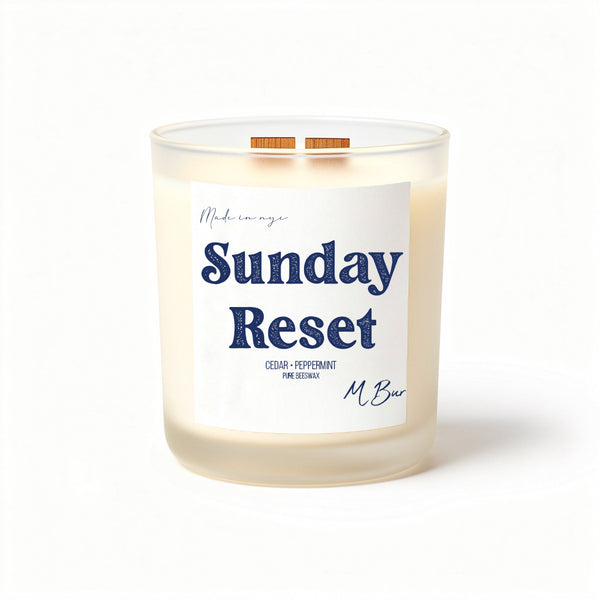
Time is your biggest constraint, so focus on high impact, low effort activities. Light your Sunday Reset candle while you prep tomorrow's essentials. The refreshing peppermint and eucalyptus blend helps clear mental fog while the base notes of patchouli and sandalwood promote grounding.
For the Anxious Overthinker
You need activities that occupy your mind in a positive way. Try adult coloring books, puzzles, or writing in a gratitude journal while enjoying the calming benefits of aromatherapy.
For the Physical Tension Holder
Focus on movement and heat therapy. Gentle stretching, a warm bath, or foam rolling while your space fills with relaxing scents can work wonders for releasing physical stress.
Common Evening Routine Mistakes to Avoid
Even well intentioned routines can backfire if you make these common mistakes:
Mistake 1: Making it too complicated. Your routine should feel like a gift to yourself, not another chore. Start with just 2 3 simple elements and build from there.
Mistake 2: Being inconsistent with timing. Your body thrives on routine. Try to start your evening ritual at the same time each day, even on weekends.
Mistake 3: Using synthetic or harsh scents. Strong artificial fragrances can actually increase stress and cause headaches. Stick to natural, gentle scents that support relaxation rather than overwhelm your senses.
Mistake 4: Multitasking during relaxation time. This isn't the time to fold laundry while listening to a meditation app. Give your full attention to whatever relaxation activity you choose.

Frequently Asked Questions
How long should my evening routine take?
Aim for 45 90 minutes total, starting about 90 minutes before bedtime. Remember, this isn't just time spent, it's an investment in better sleep and lower stress levels. Even our Wine Down candle burns for 80 hours, giving you months of consistent evening ritual support.
What if I get home really late from work?
Even a 15 minute routine is better than nothing. Focus on the transition ritual and one relaxation activity. Light a candle, take a few deep breaths, and do some gentle stretching. Your nervous system will still benefit from this brief downshift.
Should I include a bath in my evening routine?
Baths can be incredibly relaxing, but they're not necessary for an effective routine. If you enjoy baths and have the time, they're a great addition. Just make sure the water isn't too hot, as this can actually be stimulating rather than relaxing.
Is it okay to watch TV during my evening routine?
Light TV watching can be part of your routine, but avoid intense or stressful content. Nature documentaries, comedy shows, or familiar reruns work better than action movies or the news. Consider pairing screen time with aromatherapy from our relaxing candle collection to balance the stimulating effects of blue light.
How do I stick to my routine when I'm traveling?
Pack a travel sized version of your routine essentials. This might include a small journal, a meditation app on your phone, and our travel perfume to maintain the scent associations that signal relaxation time to your brain.
Transform Your Evenings Starting Tonight
The difference between a stressful evening and a restorative one often comes down to intentionality. When you create a consistent nighttime ritual that engages your senses and signals to your nervous system that it's time to unwind, you're not just improving your evenings, you're setting yourself up for better sleep, lower stress levels, and more energy the next day.
The key is starting simple and building consistency. Pick one or two elements from this guide that resonate with you, and commit to doing them for at least a week. Whether it's lighting our bestselling Room Service candle while you journal or practicing gentle stretches with the soothing sounds of a wooden wick crackling in the background, small changes can create big transformations.
"I love the scent but the actual advertisement of the product size of the product is deceiving versus what I received. To my surprise, I got a very small candle... I take the small ones to work and have my office smelling amazing! I really love the room service candle for the early mornings to get my day started. I will be ordering more." Gloria J.
Ready to transform your evenings? Start with our Wine Down candle, specifically crafted to support your nighttime relaxation ritual. With 80 hours of burn time, you'll have consistent aromatherapy support for months of better evenings. Plus, every MBur candle is made with 100% beeswax and non toxic fragrances, so you can breathe easy while you unwind.
Your future self will thank you for making this investment in your well being tonight.
What buyers say:

