
The Shelf Life of Candles: Do They Expire or Can You Keep Burning?
Are candles like fine wine, improving with age, or do they have a limited shelf life? This burning question has likely crossed the minds of candle enthusiasts and avid scent lovers alike. In this article, we will uncover the truth about the shelf life of candles and whether they expire or can be kept burning indefinitely. So, grab your favorite scented candle and get ready for some illuminating insight.
What customers say on Google
View on Google
While certain products have expiration dates, candles aren't one of those things you need to rush to burn before they go bad. In fact, when stored properly, candles can last for years without losing their effectiveness or fragrance. However, there are a few factors to consider. The quality of the ingredients, how the candle is cared for, and the overall storage conditions can all affect its longevity.
Whether you're a candle connoisseur or just starting your collection, this article will explore the shelf life of candles and provide tips for maximizing their burning potential. So, let's shed some light on this burning issue and find out just how long candles can realistically last.
Factors that affect the shelf life of candles
When it comes to the shelf life of candles, there are several factors that can influence how long they last. The quality of the ingredients, how the candle is cared for, and the overall storage conditions all play a role in determining how long a candle will maintain its effectiveness and fragrance.
First and foremost, the quality of the ingredients used in the candle can greatly impact its longevity. Candles made with high-quality wax, fragrance oils, and wicks tend to have a longer shelf life compared to those made with lower-quality materials. It's important to choose candles from reputable brands that prioritize quality in their products.
The way a candle is cared for also affects its shelf life. Proper wick trimming is essential to ensure a clean and even burn, which can extend the life of the candle. Additionally, keeping the candle free from debris and dust can help prevent any potential issues that may arise from a clogged wick or uneven burning.
Lastly, the storage conditions of the candle can make a significant difference in how long it lasts. Candles should be stored in a cool, dry place away from direct sunlight and extreme temperatures. Exposure to heat can cause the wax to soften and lose its shape, while direct sunlight can fade the color and fragrance of the candle.
Understanding these factors can help you take the necessary steps to maximize the shelf life of your candles and ensure that you get the most out of each burn. Now, let's delve into the different types of candles and how their shelf life may vary.
Understanding different types of candles
Candles come in various forms, each with its own unique characteristics and shelf life. Understanding the differences between these types of candles can help you make informed choices when purchasing and using them.
One of the most common types of candles is the paraffin wax candle. Paraffin wax is derived from petroleum and is known for its affordability and versatility. These candles tend to have a longer shelf life compared to other types, as paraffin wax is relatively stable and resistant to degradation.
Soy wax candles, on the other hand, are made from soybean oil and are considered a more eco-friendly alternative to paraffin wax. Soy wax candles generally have a shorter shelf life compared to paraffin candles, as soy wax is more susceptible to discoloration and degradation over time.
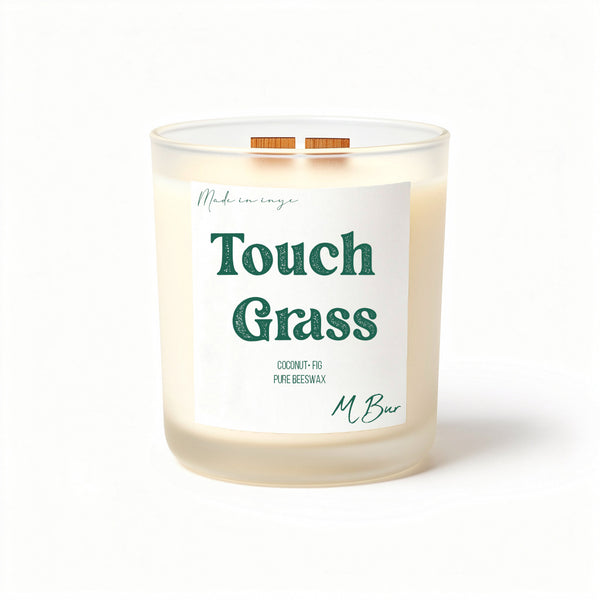
Beeswax candles are another popular option, known for their natural and clean-burning properties. Beeswax is a durable material that can withstand prolonged burning without significant degradation. As a result, beeswax candles tend to have a longer shelf life compared to other types of candles.
Lastly, there are scented candles, which are candles infused with fragrance oils to create a pleasant aroma when burned. The shelf life of scented candles can vary depending on the quality of the fragrance oils used. High-quality fragrance oils are more stable and tend to retain their scent for a longer period, whereas lower-quality oils may dissipate more quickly.
Now that we've explored the different types of candles and how they can influence their shelf life, let's discuss the signs that indicate a candle has expired.
Signs that your candle has expired
While candles don't have a strict expiration date like certain perishable products, there are signs that indicate a candle may no longer be suitable for burning. Being able to recognize these signs can help you determine when it's time to retire a candle and replace it with a fresh one.
One of the most obvious signs that a candle has expired is when the wax has significantly discolored or developed a cloudy appearance. This discoloration can be an indication that the wax has started to break down and may no longer burn effectively.
Another sign to look out for is when the fragrance of a scented candle has become weak or non-existent. Over time, the fragrance oils in a candle can dissipate, resulting in a less potent scent. If you can no longer smell the fragrance when the candle is burning, it may be time to replace it.
Additionally, if a candle consistently produces excessive soot or emits a strong, unpleasant odor when burned, it may have expired. These issues can be a result of low-quality materials or improper wick trimming, which can affect the overall burn quality and longevity of the candle.
Lastly, if a candle has been burned down to the bottom and there is less than a quarter-inch of wax remaining, it's best to retire the candle. Burning a candle with a low wax level can lead to uneven burning, excessive heat, or even the risk of the container cracking or shattering.
Now that we've covered the signs that indicate a candle has expired, let's move on to discussing how to properly store candles to extend their shelf life.
How to properly store candles to extend their shelf life
Proper storage is key to maximizing the shelf life of your candles. By following a few simple guidelines, you can ensure that your candles remain in optimal condition for as long as possible.
One of the most important factors to consider when storing candles is the temperature. Candles should be kept in a cool, dry place away from direct sunlight and extreme heat. High temperatures can cause the wax to soften, resulting in deformities or even melting of the candle.
It's also important to store candles in an upright position to prevent the wick from bending or warping. This ensures that the candle burns evenly and reduces the risk of any potential safety hazards.
To protect candles from dust and debris, it's advisable to store them in airtight containers or ziplock bags. This will help preserve the quality and fragrance of the candles, preventing any foreign particles from settling on the surface.
By following these storage tips, you can extend the shelf life of your candles and maintain their effectiveness and fragrance. However, proper storage is just one aspect of maximizing the burn time of your candles. Let's explore some additional tips to help you get the most out of each burn.
Tips for maximizing the burn time of your candles
Getting the most burn time out of your candles not only ensures that you enjoy their fragrance for longer but also helps you make the most of your investment. Here are some tips to help you maximize the burn time of your candles:
1. Trim the wick: Before each burn, trim the wick to approximately a quarter-inch in length. This helps promote a clean and even burn, reducing the risk of excessive soot or a flickering flame.
2. Avoid drafts: Burning candles in drafty areas can cause uneven burning and lead to a shorter burn time. Place candles away from open windows, fans, or air vents to ensure a steady burn.
3. Allow a full melt pool: For container candles, it's important to allow a full melt pool to form before extinguishing the flame. This means allowing the wax to melt completely to the edges of the container. This ensures that the candle burns evenly and reduces the risk of tunneling.
4. Burn for longer periods: Burning candles for shorter periods can result in uneven wax distribution and tunneling. Instead, try to burn candles for at least 2-3 hours at a time to achieve a full melt pool and maximize burn time.
5. Avoid extinguishing with water: Extinguishing a candle with water can cause the wax to splatter and may damage the wick. Instead, use a candle snuffer or gently blow out the flame to avoid any potential issues.
By following these tips, you can make the most of each candle and prolong their burn time. However, it's important to prioritize safety when using candles. Let's discuss some essential candle safety precautions.
Candle safety precautions
While candles can create a cozy and inviting atmosphere, it's crucial to prioritize safety when using them. Here are some essential candle safety precautions to keep in mind:
1. Never leave a burning candle unattended: It's important to always monitor a burning candle and never leave it unattended. Accidents can happen quickly, and it's best to err on the side of caution.
2. Keep candles away from flammable objects: Ensure that candles are placed on a stable surface, away from any flammable materials such as curtains, paper, or clothing. This reduces the risk of accidental fires.
3. Place candles out of reach of children and pets: Keep candles in an area where children and pets cannot reach them. This prevents any potential accidents or injuries.
4. Use appropriate candle holders: Always place candles in suitable candle holders that can catch any dripping wax and provide stability. Avoid using flimsy or unstable holders that may pose a safety hazard.
5. Extinguish candles before leaving the room: Before leaving a room or going to bed, make sure to extinguish all candles. This eliminates any potential fire risks and ensures peace of mind.
By following these safety precautions, you can enjoy the ambiance of candles while minimizing any potential risks. Now, let's discuss some candle care and maintenance tips to help you keep your candles in optimal condition.
Candle care and maintenance
Proper care and maintenance are essential for keeping candles in optimal condition. Here are some tips to help you care for your candles:
1. Clean the candle container: If you're using container candles, it's important to clean the container between uses. Remove any debris or leftover wax before refilling or storing the container.
2. Store candles away from strong odors: Candles can absorb surrounding odors, so it's best to store them away from strong-smelling substances. This ensures that the fragrance of the candle remains true to its original scent.
3. Avoid touching the wax: When handling candles, try to avoid touching the wax with your fingers. The oils from your skin can transfer onto the wax and affect its appearance or burn quality.
4. Use a candle snuffer: Instead of blowing out a candle, consider using a candle snuffer. This helps prevent any hot wax from splattering and reduces the risk of accidentally blowing the flame onto flammable objects.
5. Rotate candles in storage: If you have a collection of candles, it's a good idea to rotate them in storage. This ensures that all candles are used and enjoyed, preventing any from being forgotten and expiring unused.
By incorporating these care and maintenance tips into your candle routine, you can keep your candles looking and smelling their best. But what if you have a candle that has been neglected and needs a little rejuvenation? Let's explore some DIY candle rejuvenation techniques.
DIY candle rejuvenation techniques
If you have a candle that has lost its fragrance or has become dull over time, there are a few DIY techniques you can try to rejuvenate it:
1. Freeze and scrape: For candles that have lost their scent, try placing them in the freezer for a few hours. Once the wax has hardened, use a butter knife or a spoon to gently scrape off the top layer of wax. This can help remove any built-up fragrance oils and expose fresh wax underneath.
2. Microwave and pour: If you have a candle that has a low scent throw, try microwaving it in short intervals. Place the candle in a microwave-safe container and heat it for 15-30 seconds at a time. As the wax melts, carefully pour it into a new container or candle warmer. This can help release any trapped fragrance oils and give the candle a new lease on life.
3. Re-fragrance with essential oils: If you're looking to add a new scent to an unscented or weakly scented candle, consider using essential oils. Add a few drops of your favorite essential oil to the melted wax and stir gently to disperse the scent. Be mindful of the candle's size and the recommended usage rate for the essential oil to avoid overpowering the fragrance.
These DIY techniques can help breathe new life into your candles and make them enjoyable once again. However, keep in mind that these methods may not work for all candles, especially those with low-quality ingredients or those that have expired.
Conclusion
In conclusion, candles don't have a definitive expiration date but can last for years when stored properly. Factors such as the quality of the ingredients, how the candle is cared for, and the overall storage conditions all contribute to the shelf life of a candle.
Understanding the different types of candles and their characteristics can help you make informed decisions and select candles that align with your preferences and expectations. Additionally, being aware of the signs that indicate a candle has expired can help you know when it's time to retire a candle and replace it.
By properly storing candles, maximizing their burn time, and following essential safety precautions, you can enjoy the ambiance and fragrance of candles while minimizing any potential risks. Regular care and maintenance, as well as DIY rejuvenation techniques, can help keep your candles in optimal condition and extend their lifespan.
So, the next time you light a candle, remember that with proper care and attention, you can keep the flame burning and enjoy the soothing glow and delightful scents for years to come.

