

The Science of Scent: Why Candles Actually Help You Relax
You light a candle to wind down, and twenty minutes later you have a dull ache behind your eyes instead of the calm you were promised. That is a real and frustrating pattern, and it usually has nothing to do with your ability to relax. It has to do with what is burning.
Here is what you will get out of this post: the actual neuroscience behind why scent can lower your stress in minutes, which scents research keeps pointing to, and how to pick a candle that delivers the calm without the chemical hangover. If you want to skip ahead and browse candles built for exactly this, start with our full beeswax candle collection. Otherwise, let us get into the biology.

Why scent hits your brain faster than anything else
Smell is the only sense that skips the middleman. When a scent molecule reaches the receptors in your nose, the signal travels straight to your limbic system, the part of your brain that runs emotion and memory. There is no conscious filtering step in between.
That direct wiring is why a single whiff can drop you into a memory or shift your mood before you have consciously registered the smell at all. Sight and sound get routed through the thalamus first. Scent goes straight to the emotional switchboard.
This is also why aromatherapy shows up in real clinical research rather than just wellness blogs. Brain imaging has shown that certain scents can shift brainwave activity away from the high frequency beta patterns associated with stress toward the slower alpha patterns tied to relaxation. Your nervous system responds to smell whether or not you are paying attention.
What the research actually shows
The effects of aromatherapy on the autonomic nervous system have been studied enough that some patterns are consistent. Lavender is the most researched of the bunch. In one meta analysis, lavender inhalation significantly reduced anxiety compared to placebo, and it appears to work partly by acting on GABA receptors, the same calming pathway targeted by some anti anxiety medications.
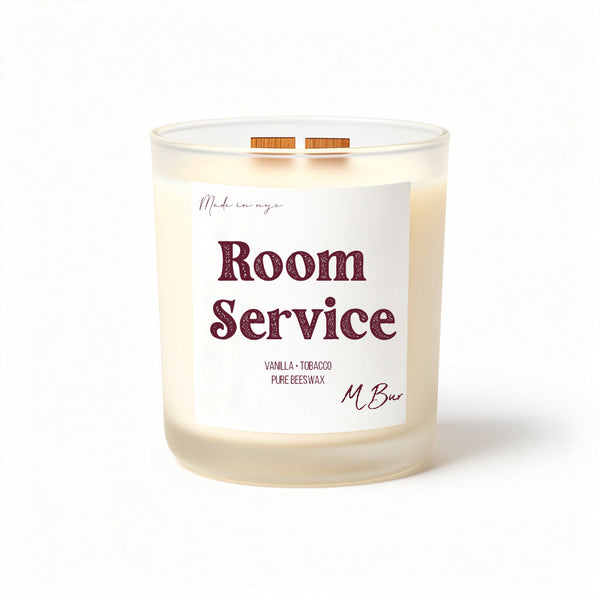
Other scents show up repeatedly too. Vanilla has been associated with lower anxiety in patients about to undergo MRI scans. Bergamot has been linked to reduced cortisol, your primary stress hormone. Sandalwood inhalation has been associated with normalized blood pressure in small studies.
The physiological markers matter here. Aromatherapy has been shown to lower cortisol, slow heart rate, and nudge you toward the parasympathetic nervous system, the rest and digest side of your wiring. And it happens fast. Some studies measured meaningful cortisol drops within about fifteen minutes of exposure.
So the calm you feel from a good candle is a genuine biological response, not wishful thinking. If you have a medical condition, follow your doctor's guidance on managing it. A candle is a sensory experience, not a treatment.

So why do so many candles make you feel worse
If the science is this solid, why does your candle habit sometimes end in a headache? The answer is almost always the ingredients, not your nose.
Most mass market candles are made from paraffin, which is a petroleum byproduct. When it burns, it releases compounds like benzene, toluene, and formaldehyde into the air you are breathing. That is the opposite of what you want when you are trying to trigger a relaxation response.
On top of the wax, many candles use toxic fragrances loaded with phthalates and parabens. These are the undisclosed chemicals hiding behind the single word "fragrance" on a label. For a lot of people, that combination is exactly what sparks the headache, the scratchy throat, or the vague nausea that shows up an hour into burning.
One MBur customer put it plainly:
"I absolutely love these candles! I instantly notice the difference in the air quality, in comparison to the Bath & Body scented candles. I love Bath & Body's candles but I acknowledge that it caused a slight headache and other minor respiratory discomfort. Awesome products. Totally addicted." Jason H.
His experience tracks with what the chemistry predicts. When you swap the wax and drop the toxic fragrance, the discomfort tends to go with it.
How to choose a candle that actually relaxes you
Getting the benefit is mostly about screening out the irritants. Here is a checklist that works:
- Single ingredient wax. Look for 100% beeswax or a clearly stated wax, not a mystery "blend" that is usually mostly paraffin.
- Phthalate free fragrance. The brand should tell you their fragrance is non toxic and phthalate free. Vagueness is a red flag.
- No chemical dyes. Color additives are another source of irritants you do not need.
- A clean wick. Wooden or cotton wicks over metal core ones, which can add soot and worse.
MBur checks every box on that list. The candles are pure beeswax, which burns cleaner and longer than soy or paraffin thanks to beeswax having the highest melting point of any candle wax. The wicks are wooden, so you get an even burn and a soft crackle that adds to the wind down. The fragrance is phthalate free, and there are no chemical dyes.
For an evening relaxation ritual, Wine Down is the natural pick. It is one of the bestsellers precisely because it reads as an end of day, finally exhale kind of scent. The 20 hour size is $20 and the 80 hour size is $65 if you want it burning night after night. One reviewer summed up why sensitive noses gravitate toward it:
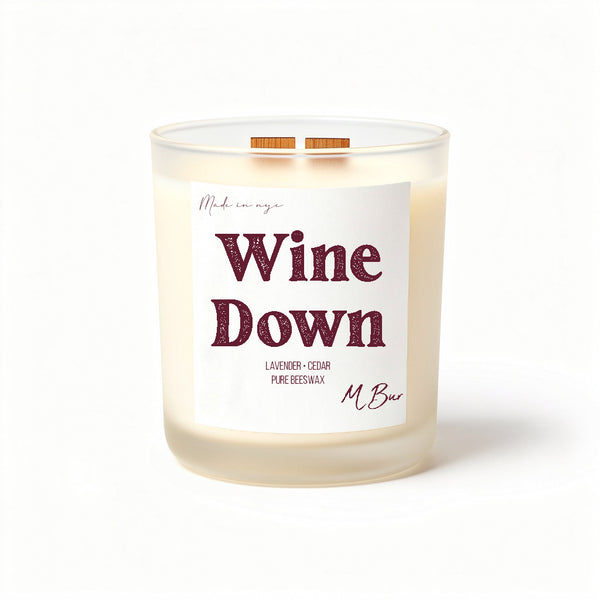
"Absolutely loved the Wine Down candle! The scent is so light and clean not overpowering at all, which is exactly what I look for. A lot of other candles tend to give me headaches, but this one was a total game changer. I was able to enjoy the calming aroma without any discomfort." Nicole D.
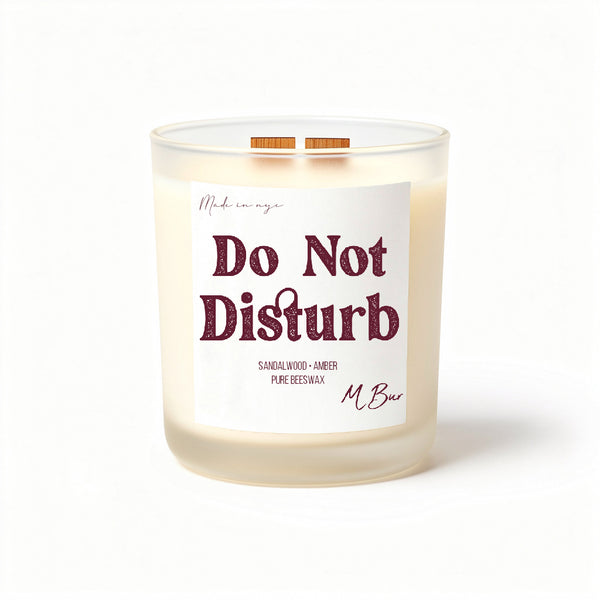
If your relaxation happens in the bedroom right before sleep, Do Not Disturb is built for that slot instead. Same clean burn, same 20 hour size at $20.
Getting the most out of your candle
A few practical habits make the experience better and safer. Burn in a room with some airflow rather than a sealed box, since fresh air keeps the scent from going heavy. Trim your wooden wick to about a quarter inch before each burn so the flame stays steady and even.
Give the candle enough time on the first burn to let the wax pool all the way to the edges, which prevents tunneling and stretches its life. And keep individual burn sessions to around four hours. That is plenty of time for your nervous system to catch the signal and settle down.
How MBur compares to what is on the shelf
To be fair, plenty of brands sell candles marketed for relaxation. Bath & Body Works runs a dedicated aromatherapy line, with three wick candles running. Yankee Candle offers relaxation focused ranges at roughly $12 to $30. On the premium end, Diptyque candles run.
The differentiator is not the scent story, since everyone has one. It is what burns underneath it. Many of those options still rely on paraffin or blended wax and fragrances that trigger exactly the discomfort you are trying to avoid. Beeswax with phthalate free fragrance gets you the calming scent experience while dropping the compounds your body reacts to.
The takeaway
Scent really can lower your stress in a matter of minutes, because it wires straight into the emotional center of your brain. The reason candles sometimes backfire comes down to paraffin and toxic fragrance, and swapping to a clean burning beeswax candle fixes that. MBur candles carry a strong reputation from real buyers, with dozens of reviews from people who ditched their old candles once they felt the difference in air quality.
Ready to trade the headache for actual calm? Browse our full beeswax candle collection and find the scent that fits your evening.

Related reading
- Discover the Most Soothing Aromatherapy Candle Scents to Relieve Stress and Anxiety
- Unveiling the Science Behind Scented Candles: How Aromas Impact Mood and Emotions
- Do Scented Candles Make Your Head Spin? Understanding the Potential Headache Triggers
- Wooden Wick Candles for Relaxation, Sleep, and Calm

