

The Best Type of Candle for a Healthier Home
If a candle leaves a gray haze on your ceiling or a dull ache behind your eyes an hour after lighting it, the wax is usually the culprit. Most mass market candles are made from paraffin, which is a petroleum byproduct. When it burns, low grade paraffin can throw off volatile organic compounds like benzene and toluene, plus a steady stream of soot that settles on your walls and hangs in the air you breathe.
The good news is that the fix is straightforward once you know what to look for. If you want to skip ahead, our full beeswax candle collection is built around the three things that actually matter for a healthier home. But let us walk through why some candles cause trouble, and how to choose one that does not.

Why some candles make you feel worse in your own home
Your body is not being dramatic. Headaches, a scratchy throat, or that faintly stuffy feeling after burning a candle are real reactions to real particulate matter and airborne compounds.
The issue almost always comes down to three ingredients working against you: the wax, the wick, and the fragrance. Get all three right and a candle becomes something you can burn all evening without a second thought.
The wax does most of the heavy lifting
Paraffin is cheap because it is left over from refining crude oil. That is why it shows up in the majority of drugstore and big box candles. Burning it releases more VOCs and heavier soot than plant based or animal derived waxes.
Pure beeswax sits at the top of nearly every clean air recommendation. It needs almost no chemical processing, has a high melting point, and produces very little soot. Pure soy and coconut waxes rank close behind as solid plant based options.
One catch worth knowing: a lot of candles marketed as "soy" are actually blends that hide paraffin or stabilizers in the mix. A candle can say soy on the front and still be mostly petroleum. This is why the word on the label matters less than the word "pure."
The wick you cannot see doing damage
Wicks used to be the sneaky problem. Metal cored wicks can release metal particulates as they burn, and while lead cores are now rare, they occasionally still circulate in cheap imports. Clean burning candles use untreated cotton, hemp, paper, or a natural wooden wick with no metal core.
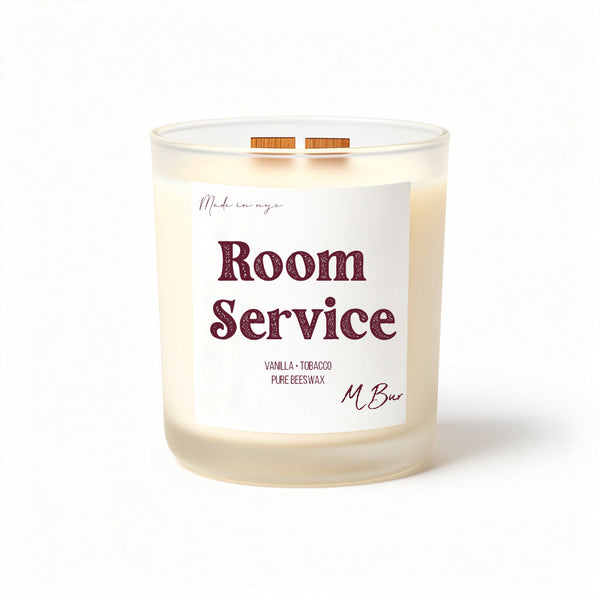
Wooden wicks have a bonus most people notice right away: a soft crackle, and a wider, more even flame that helps the wax pool cleanly across the whole surface.
Fragrance is where "natural" gets slippery
Here is the part brands love to blur. On most labels, the single word "fragrance" or "parfum" can stand in for hundreds of undisclosed chemicals. Many conventional candles use toxic fragrances loaded with phthalates and parabens, and those are the compounds most likely to trigger headaches, allergy flares, and airway irritation.
A cleaner candle either uses pure essential oils or fully discloses phthalate free, paraben free fragrance oils. If a company will not tell you what is in the scent, that silence is your answer.

What the label will not tell you
In the US, the FDA does not pre approve decorative candles. They are treated as general consumer goods, which means terms like "non toxic," "clean," and "natural" carry no legal definition at all. A brand can print any of them without proving a thing.
That puts the burden on you. The reliable move is to ignore the marketing adjectives and read for specifics: what the wax actually is, what the wick is made of, and whether the fragrance is disclosed as phthalate free.
This shift toward radical ingredient transparency is exactly why so many people have quietly switched over the last couple of years. Once you know what "fragrance" can hide, it is hard to go back.
"I absolutely love these candles! I instantly notice the difference in the air quality, in comparison to the Bath & Body scented candles. I love Bath & Body's candles but I acknowledge that it caused a slight headache and other minor respiratory discomfort. Awesome products. Totally addicted." Jason H.
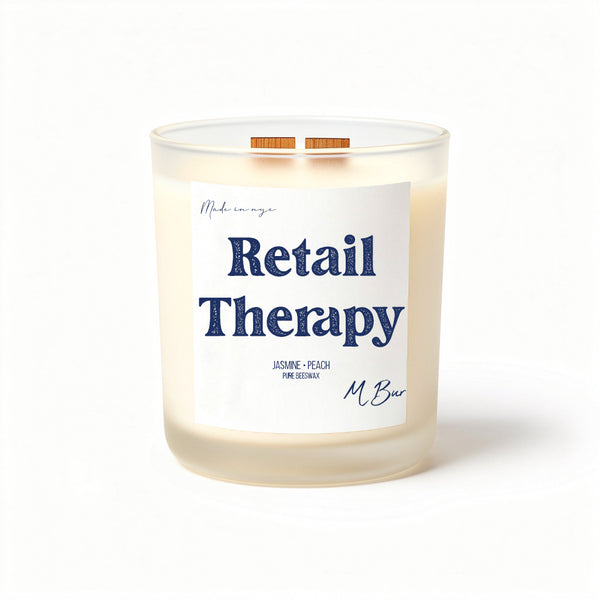
Jason is describing the paraffin plus toxic fragrance combo in plain language. That review was left on our Retail Therapy candle, a deep berry and peach scent that fills a room without the payback afterward. If you tend to get headaches from strong candles, this is the kind of difference people notice first.
How to choose a candle for a healthier home
Use this checklist the next time you shop. A candle that clears all five is genuinely clean burning, not just clean sounding.
- Wax: 100% pure beeswax, or pure soy or coconut. Avoid anything labeled a "blend" without full disclosure.
- Wick: Untreated cotton, hemp, or a natural wooden wick with no metal core.
- Fragrance: Pure essential oils or clearly stated phthalate free, paraben free fragrance oils. No mystery "parfum."
- No chemical dyes: Color additives are one more thing to burn and breathe.
- Transparency: The brand tells you exactly what is inside, not just how it makes you feel.
This is the standard we built MBur around. Every candle is 100% pure beeswax, single ingredient wax with no paraffin hiding in it. The wooden wicks crackle and burn evenly, the fragrance is phthalate free, there are no chemical dyes, and everything is handmade in small batches in New York City. Beeswax is also naturally hypoallergenic and carries the highest melting point of any candle wax, which is why the 80 hour size actually burns for around 80 hours.
If you want somewhere gentle to start, Wine Down is a light, clean lavender and chamomile scent that a lot of scent sensitive customers reach for first. It runs from the 20 hour size at $20 up to the 80 hour size at $65.
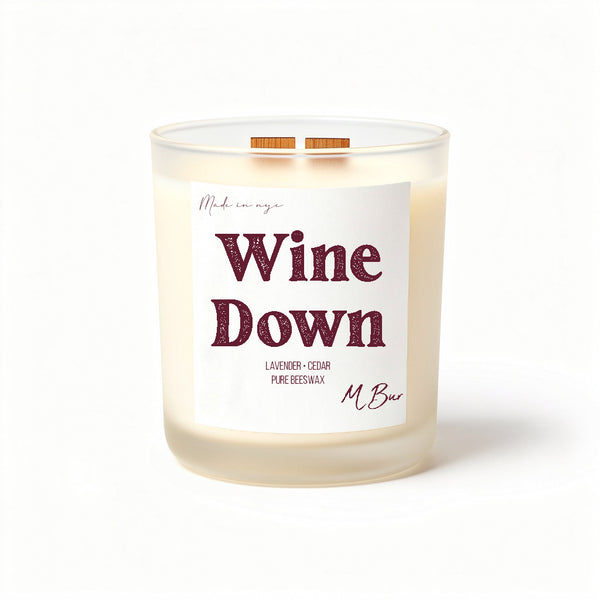
"Absolutely loved the Wine Down candle! The scent is so light and clean, not overpowering at all, which is exactly what I look for. A lot of other candles tend to give me headaches, but this one was a total game changer. I was able to enjoy the calming aroma without any discomfort." Nicole D.

A quick note on "emission free"
Be a little skeptical of any candle that claims to be completely emission free. Burning anything in a room releases some particulate matter, and even the cleanest beeswax produces minor combustion byproducts. "Healthier" means minimizing the load on your indoor air, not pretending there is none.
Essential oils get the same fine print. They are generally preferred over toxic fragrances, but they can still trigger allergies or asthma symptoms in sensitive people. If you have a diagnosed respiratory condition, follow your doctor's guidance on what you burn and how often.
Simple habits that keep your air cleaner
Even a perfect candle burns better with a little upkeep. Trim the wick to about a quarter inch before every burn to cut down on smoke and soot. Give the room some airflow, especially if you burn for hours at a stretch. And on your very first burn, let the wax pool all the way to the edges so it does not tunnel down the middle later.
If your space is tight or draft free, keep an eye on cumulative burn time across the day. A window cracked for a few minutes goes a long way.
The bottom line
The best type of candle for your health is pure beeswax with a natural wick and a fully disclosed, phthalate free scent. That combination is what lets you enjoy the glow and the fragrance without the headache, the soot, or the guesswork.
MBur checks all five boxes, and with more than 50 reviews from customers who kept coming back after switching, the difference is the kind you feel the same night. Ready to breathe easier? Browse our full beeswax candle collection and pick the scent that fits your space.
Related reading

