

Can You Use a Candle to Heat Food? A Safe and Practical Guide
The power is out, your stove is dead, and there is a can of soup on the counter that would taste a lot better warm. That is the exact moment most people wonder whether the candles in the junk drawer can do more than sit there looking pretty. The short answer: a candle can warm food, but slowly, and only if you respect what a small open flame actually is.
Before we get into rigs and tealights, one thing worth clearing up. If you are reaching for candles as an emergency backup, the fuel you burn matters as much as the food you heat. A big pile of heavily fragranced candles under a pot is a bad idea for reasons we will cover. If you want candles you would actually feel good burning indoors, our full beeswax candle collection is worth a look, though the everyday use case here is warmth and light, not a five course meal.
Can a candle really heat food? Yes, but manage your expectations
A single tealight puts out roughly 80 to 100 BTUs, which is about 40 watts of heat. That is genuinely tiny. Your microwave pushes hundreds of times more energy in seconds.
What a candle can do is warm small amounts of already cooked food, keep a liquid hot, melt cheese or chocolate for fondue, or bring a can of soup up to an edible temperature. What it cannot do is cook raw meat, boil a big pot of water fast, or fry anything. The flame simply does not have the intensity.
So think of candles as a way to warm, not a way to cook. That distinction is the whole game.

Why it works, and why it is so slow
Heat from a candle rises straight up in a narrow column, and most of it escapes into the room before it ever touches your food. That is why a lone tealight under a mug barely does anything. The energy is real, it is just scattered.
To make it useful, you have to trap and concentrate the heat. Preppers and small apartment folks figured this out years ago. Cluster a few tealights, put a metal rack or a terracotta pot over them, and suddenly you are collecting heat instead of losing it. Under an insulating cover, four tealights can push surface temperatures anywhere from about 127°F up to 270°F.
Here is what that looks like in practice with a standard can of soup and a three flame setup:
- Around 15 minutes: you start seeing steam
- Around 30 minutes: a gentle sizzle or simmer
- Around 40 to 45 minutes: thoroughly hot, ready to eat
That is patience testing, but it works. For a power outage or a camping backup, warm soup in 40 minutes beats cold soup out of the can.
The candle heating methods that actually work
The tealight cluster and rack
Set three or four unscented tealights on a heatproof surface, spaced so the flames are not crowding each other. Rest a small wire cooling rack or a couple of metal skewers across two bricks above them, then put your pot or can on top. This is the simplest reliable rig.
The terracotta pot trap
An unglazed terracotta pot inverted over the flames absorbs heat and radiates it back, raising the temperature under the pot considerably. People use this for gentle warming and even modest space heating, though warming a room needs dozens of candles and is wildly inefficient.
The mug or fondue warmer
For keeping something already hot, like tea, butter, or melted cheese, a single tealight under a proper warmer stand is perfect. This is the everyday use case that commercial candle warmers were built for. Maintaining heat is easy. Generating it from cold is the hard part.

Why scent choice matters more than you think
Here is the mistake people make in an emergency: they grab whatever candles they have, and those candles are usually scented. Cluster four or five heavily fragranced candles under a pot of soup and you will taste it. Fragrance oils rise with the heat and settle right into your food.
Beyond the flavor problem, there is a burn quality problem. Cheap candles built around toxic fragrances, chemical dyes, and paraffin tend to soot heavily and throw off a chemical smell when you run several at once in a tight space. That is not the air you want to breathe while huddled around a makeshift stove.
"I love these candles. No headache or feeling nauseous like the Bath & Body candles with all the extra chemicals. In addition, I love the package and how carefully everything was wrapped." Jason H.
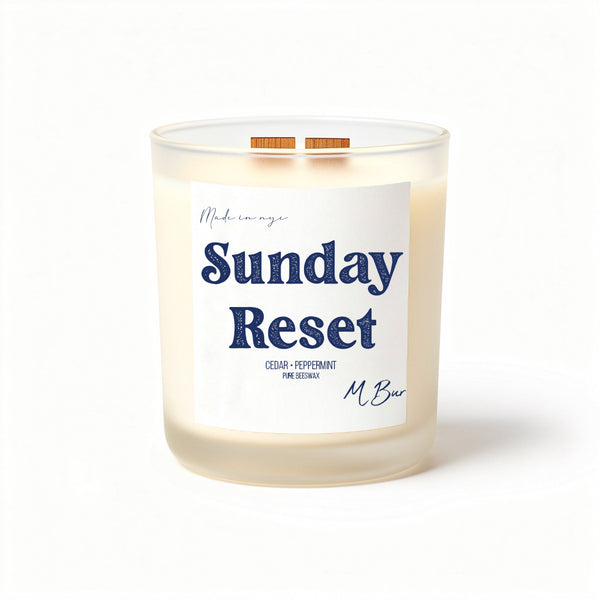
Jason's experience is the tell. The candles that leave a chemical residue in the air are the same ones you do not want anywhere near your food. If you keep candles on hand for outages, keep clean burning ones. A single ingredient beeswax candle like Sunday Reset burns with wooden wicks, no chemical dyes, and phthalate free fragrance, which makes it a far better companion for a small enclosed space than a bargain bin paraffin candle. You are still not seasoning your dinner with it, but the air stays cleaner while you wait out the lights.
One honest note on the emergency fuel debate: studies have found that paraffin, stearin, and beeswax do not differ dramatically in common pollutant classes when burned. The stronger reasons to choose beeswax are the cleaner soot profile, the longer burn from its high melting point, and the absence of the harsh fragrances that ruin food and air. Beeswax also happens to be a byproduct of honey production, which is a nicer origin story than petroleum.
The safety rules you cannot skip
Candles are open flames, and open flames are a leading cause of home fires. The U.S. Fire Administration is blunt about this in its candle safety guidelines, and the rules apply double when you are stacking flames under a pot.
- Never leave it unattended. A large share of fatal candle fires involve someone falling asleep. If you are heating food, you are standing there watching it.
- Keep everything flammable away. No curtains, paper towels, dish rags, or clutter within arm's reach. Most candle fires start with something flammable too close.
- Use a stable, heatproof base. Tip overs and hot wax spills cause burns and fires. Build your rig on a solid surface, not a wobbly stack of books.
- Do not cook raw food directly over the flame. Soot, uneven heat, and residue make it unsafe. Warm cooked or canned food only.
- Mind ventilation. Running several candles in a sealed room is not ideal. Crack a window or door for airflow.
Treat a candle heating setup as a supervised, temporary fix, never a walk away appliance.
A simple checklist for an emergency warming kit
If you want to be ready for the next outage, keep this on hand:
- A stash of unscented tealights or clean burning beeswax candles for warmth and light
- A small metal pot or heatproof mug
- A wire cooling rack or a couple of bricks and skewers for a rack
- An unglazed terracotta pot as a heat trap
- A long lighter and a heatproof base like a metal tray
- Shelf stable food that just needs warming: canned soup, chili, pre cooked meals
Candles have an essentially indefinite shelf life and store in almost no space, which is exactly why they earn a spot in a backup kit. For the light and warmth side of that kit, a long burning option matters. MBur's 80 hour size gives you a lot of runtime per candle, and the beeswax burns with a light spectrum close to natural sunlight, which is a genuinely nice thing when the power is out and the room has gone dim.
FAQ
Can you actually use a candle to heat food?
Yes. A tealight or a small cluster generates enough low heat to warm liquids or keep cooked food hot, though it is slow. For everyday warmth and clean burning between outages, our beeswax candle collection is built for indoor air you actually want to breathe.
How long does it take to heat soup with a candle?
With a three flame setup, expect steam around 15 minutes, a simmer around 30, and thoroughly hot food around 40 to 45 minutes. Insulating the setup with a terracotta pot speeds things along.
Is it safe to cook raw food directly over a candle flame?
No. Open candle flames produce soot and residue and heat unevenly, so they are not suitable for raw cooking. Stick to warming already cooked or canned food.
Can you use scented candles to heat food?
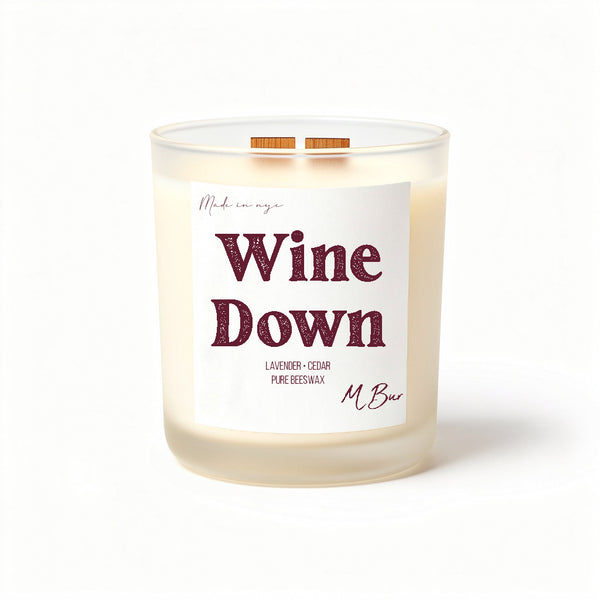
Skip it. Fragrance oils rise with the heat and taint the food, and clustered scented candles can smell chemical and soot heavily. If you keep candles for emergencies, a clean beeswax option like Wine Down keeps the air pleasant, but reserve it for light and warmth rather than direct food contact.
What are the main safety risks?
Home fires from the open flame, tip overs, and hot wax spills. Never leave a heating setup unattended, keep flammables away, and build on a stable heatproof surface.

The bottom line
A candle can warm your food in a pinch, slowly, with a smart little rig and a lot of patience, but it will never be a stove. Choose unscented or clean burning candles, watch the flame the entire time, and keep everything flammable far away. For the everyday job candles are actually great at, filling a room with light and a scent that does not leave your head aching, MBur's beeswax candles are the ones worth keeping around.
MBur candles are handmade in New York City with 100% beeswax, wooden wicks, and phthalate free fragrance, and reviewers keep coming back for the clean burn. Browse our full beeswax candle collection and stock your shelf with candles you will feel good lighting, outage or not.
Related reading

