

The Best Candles for Chafing Dishes: How to Choose the Right Fuel (Without Wasting Money)
The biggest mistake people make when buying a candle for a chafing dish is treating it like a decorative candle. It's not the same product, and getting them confused is how a buffet ends up with cold food or a catering table ends up with a spill fire.
A real chafing dish candle is a canned heat source, either a gel or a liquid wick fuel, engineered to hold pre cooked food above 140 degrees Fahrenheit for hours. A home fragrance candle is built to smell good and throw ambient light. If you're stocking an event, you want the former. If you're setting a mood in your living room, you want something like our full beeswax candle collection, which is a completely different job.
This guide breaks down how to choose chafing dish fuel by the criteria that actually matter: fuel type, burn time, safety, and cost per hour. And at the end, we'll be honest about where a decorative candle fits into your event and where it absolutely does not.

First, Know What You're Actually Buying
Chafing fuel splits into two main formats, and they behave very differently. Buying the wrong one for your setup is the most common and most expensive error.
Gel fuel
Gel fuel is methanol or ethanol thickened into a gel, packed in a small steel can with a plug lid. You pop the lid, light the surface, and it burns hot and open. Gel is great for low clearance dishes that need intense heat fast. The catch is safety: spilled burning gel can spread into an uncontained fire, and you can never blow it out. Ethanol based gels burn cleaner and with less odor than older methanol formulas, which matters a lot indoors.
Wick fuel
Wick fuel is a liquid, usually ethanol or a diethylene glycol mixture, that burns through a fabric wick inside the can. It heats more gently and steadily, runs longer, and has a much higher flash point, so it won't readily ignite if it tips. Many wick cans come with a resealable twist cap, so you can snuff, cap, and reuse them across multiple events. For most caterers and home hosts, wick fuel is the safer, more forgiving choice.
| Feature | Gel Fuel | Wick Fuel |
|---|---|---|
| Heat output | High, fast | Steady, moderate |
| Burn time | 2 to 4 hours | 4 to 6 hours |
| Reusable | Sometimes (plug lid) | Yes (twist cap) |
| Spill risk | Higher | Lower |
| Indoor odor | More (esp. methanol) | Less |
Decision Criteria #1: Burn Time vs. Event Length
Match the burn time to your event, then add a buffer. Standard cans run 2, 4, or 6 hours, with a few specialty options reaching 8. A three hour dinner service should run a 6 hour wick can so you're not swapping fuel mid event with guests watching.
Reviewers consistently complain about cheaper gel cans that fizzle out well before their advertised window. If a can promises two hours and dies at ninety minutes, you've got a lukewarm buffet and an emergency run to the storage closet. Pay for the longer, verified burn when the event matters.
Decision Criteria #2: Heat Output for Your Dish Height
Low clearance dishes sitting close to the flame do fine with the intense output of gel. Taller dishes with more space between the can and the pan need the sustained, even heat of a wick fuel to keep food safely warm all the way through. Underheating is a food safety issue, not just a comfort one, so err toward more heat if you're unsure.

Decision Criteria #3: Safety and Handling
This is where corners get cut and accidents happen. A few non negotiables:
- Never blow out gel fuel. Blowing on burning gel can splatter it. Smother it with a metal snuffer cap or the original lid.
- Cans get extremely hot. Use tongs or a heat safe tool to move them, never bare hands.
- Keep fuel away from linens, decor, and anything flammable on the table.
- Let cans cool completely before recapping or storing.
The Consumer Product Safety Commission publishes detailed guidance on chafing and fondue fuel safety worth reading before your first big event: CPSC chafing dish fuel information. The general open flame rules from the National Fire Protection Association apply here too.
Decision Criteria #4: Cost Per Hour, Not Cost Per Can
Individual cans run roughly $1.25 to $4.00 each, and bulk cases of 6 to 24 land between $12 and $45 depending on burn duration and fuel type. The number that matters is cost per hour of reliable heat.
A few options people actually buy, so you can benchmark:
- Sterno Green Heat ethanol gel: per can, USDA bio based with a heat indicator on the can.
- Choice 6 hour wick fuel: for a 24 pack, with a resealable twist cap for reuse.
- Member's Mark 6 hour Safe Heat: for a 12 pack, built around a spill resistant pad design.
- GasOne 2 hour liquid wick: for a 6 pack, bundled with a lid opener.
A long burn wick case usually wins on cost per hour because you're not tossing half spent cans between courses.
Your Quick Reference Checklist
Before you buy chafing dish fuel, confirm:
- Burn time exceeds your event length by at least an hour
- Fuel type matches your dish clearance (gel for low, wick for tall)
- Ethanol or bio based formula if serving indoors, for lower odor
- Resealable cap if you want to reuse leftover cans
- Cost per hour, not just cost per can
- A metal snuffer or lid on hand for safe extinguishing
Where a Real Candle Actually Belongs at Your Event
Here's the honest part. Fuel cans keep your food warm, and they are ugly. You do not want guests staring at branded steel cans while they eat. That's the job for a real candle: the ambient glow, the scent, the reason the room feels like an event and not a cafeteria.
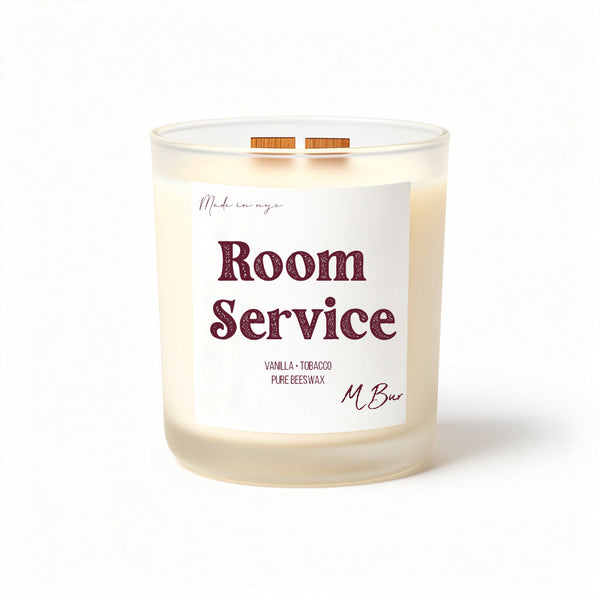
For the guest facing part of your table, a clean burning beeswax candle does what a fuel can never will. Our bestselling Room Service candle was built to smell like a five star hotel lobby, with saffron, white tea leaves, purple peonies, orchid, tobacco, vanilla, almond milk, and tonka bean. It's the scent people ask about at parties. The 80 hour size ($65) will outlast every event you throw this year, and because it's pure beeswax with a wooden wick, there's no black soot settling on your linens.
"Absolutely obsessed with M Bur Candle Co, my roommate and I own 6/8 of the scents! They smell up a WHOLE room during the burn and even a while after blowing them out. I won't buy other candles anymore, they're just that good."
Paige
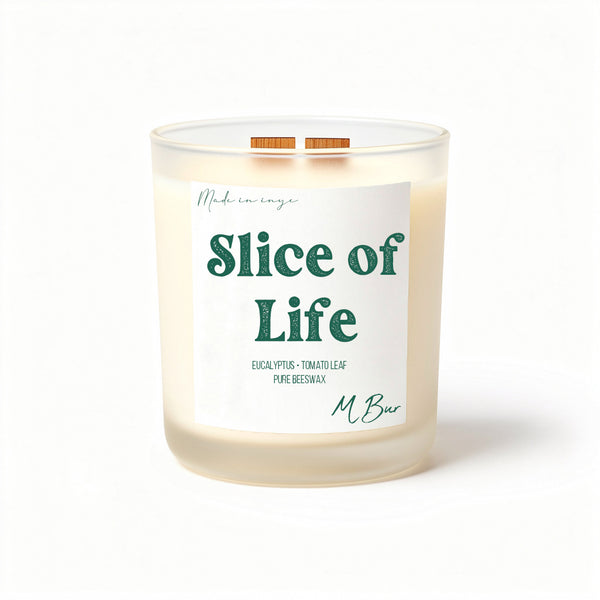
That whole room throw is exactly what you want across a buffet. One candle carries the scent while the fuel cans quietly do the heavy lifting underneath the dishes. If your gathering leans cozier, Slice of Life brings spearmint, eucalyptus, tomato leaf, anise, and mint, which pairs well with a food forward table.

MBur candles use only phthalate free fragrance, no chemical dyes, and 100 percent beeswax, so nobody at your table catches the headache that cheap paraffin candles are famous for. If a guest is sensitive to strong scents, beeswax is naturally hypoallergenic and burns the cleanest of any wax.
The Bottom Line
For keeping food warm, buy a long burn wick fuel that beats your event length, matches your dish height, and uses an ethanol or bio based formula for indoor use. For the part your guests actually see and smell, put a pure beeswax candle on the table and let the fuel cans hide beneath the dishes.
With over 50 customer reviews and a lineup people keep coming back to buy in full sets, the safest bet for the guest facing glow is our full beeswax candle collection. Pick your scent, light it once, and let it carry the room.
Related reading

