
The ritual is almost complete. The room is full of scent and the warm, dancing light of your favorite candle. Now it is time to put out the flame, and your first instinct is to lean in and blow it out. There is a more elegant, effective, and safer way.
What customers say on Google
View on Google
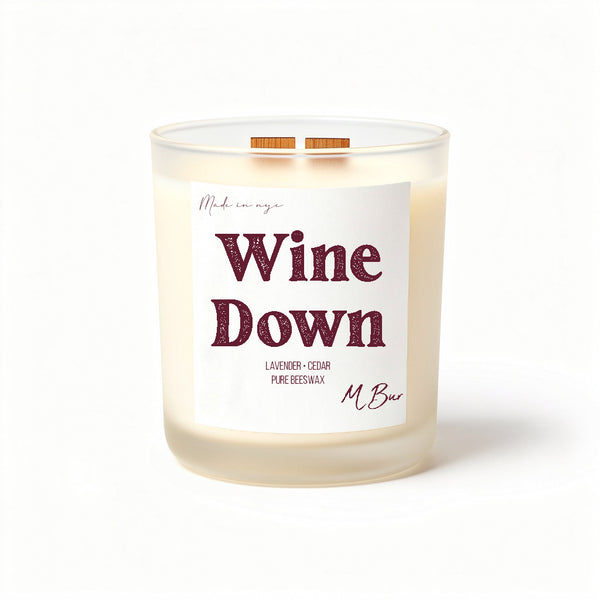
Wine Down Candle
$65.00
That forceful puff of air does more than kill the flame. It sends a plume of smoke and soot into the air you just spent hours scenting, and it can splatter hot wax across your vessel and the surface around it. At MBur, we think every part of the candle experience should be pleasant, from the first light to the last wisp of scent. So here is the case for snuffing instead of blowing, and how to do it without any special tool.
Why you should not blow out your candle
- It ruins the scent. The acrid smell of a smoking, extinguished wick overpowers the fragrance you have been enjoying. A scent like Wine Down is meant to signal relaxation. A puff of smoke does the opposite.
- It makes a mess. Blowing can send tiny droplets of sooty wax onto the clean surface of your pure beeswax pool and the vessel, which can interfere with the next burn.
- It can be unsafe. A strong puff can send hot liquid wax out of the jar, a burn risk and a hazard to nearby surfaces.
The fix: a gentle snuff
A candle snuffer is a simple, timeless tool, usually a small bell on a long handle. Place the bell over the flame and it gently cuts off the oxygen supply, so the flame goes out instantly with no smoke and no splatter. The room keeps the scent you intended instead of the smell of smoke, the wax pool stays clean, and the act itself has a quiet, deliberate grace to it. It turns a reflexive motion into a small, mindful moment.
The easiest snuffer you already own: the lid
Every MBur candle comes with a lid, and it doubles as a perfect minimalist snuffer. Set the lid on the vessel and it gently starves the flame of oxygen, the same smokeless result as a bell snuffer, with a tool you never have to go looking for. If you prefer a dedicated snuffer, any bell-style snuffer works the same way. The technique matters more than the tool: cut off the oxygen rather than blowing air across the flame.
One small tip either way: snuff while the wax pool is still liquid, then leave the candle to cool undisturbed so the wick sets straight for the next burn.
Frequently asked questions
Is it bad to blow out a candle?
Not dangerous in most cases, but it produces more smoke and soot, can splatter hot wax, and leaves a burnt smell that overrides the fragrance. Snuffing avoids all three.
Can I use the candle lid to put out the flame?
Yes. Setting the lid on the vessel starves the flame of oxygen and extinguishes it cleanly, exactly like a snuffer. Every MBur candle includes one.
What is a wick dipper?
Another clean method: you bend the lit wick into the melted wax with a small hook, then straighten it. It extinguishes with zero smoke and coats the wick in wax for an easier next light. A snuffer or lid is simpler for most people.
Does snuffing make the candle last longer?
Indirectly. A clean extinguish keeps the wick and wax pool in good shape, which supports an even burn next time. Trimming the wick before each burn matters more for longevity.
Want to start the ritual right? Browse the full MBur collection, every candle comes with a lid that doubles as a snuffer.
What buyers say:

