

The Art of Aromatherapy With Beeswax Candles: What the Science Actually Says
The Art of Aromatherapy With Beeswax Candles: What the Science Actually Says
Beeswax has been used as a light source for over 5,000 years. Ancient Egyptians packed it into tombs. Roman temples burned it in ceremony. Medieval monks used it to mark the hours. And yet somehow, in 2024, most candles on store shelves are made from petroleum waste. That is not an exaggeration. Paraffin wax is a byproduct of crude oil refining, and it is what you will find in the majority of mainstream scented candles.
If you are interested in aromatherapy, that origin story matters a lot. Because the medium you burn your fragrance in changes everything about what actually enters your lungs, your bloodstream, and ultimately your nervous system. This post breaks down how aromatherapy works at a biological level, why the wax type is not a minor detail, and how to get the most out of natural aromatherapy candles made with beeswax specifically.
What Aromatherapy Actually Is (And What It Is Not)
Here is the misconception worth debunking first: aromatherapy is not just about a room smelling nice. The term refers to the therapeutic use of aromatic compounds, primarily plant derived, to influence physiological and psychological states. The mechanism is real and documented.
When you inhale a scent, the olfactory receptors in your nose send signals directly to the limbic system, the part of the brain that regulates emotion, memory, and stress response. This is the only sensory pathway with direct access to the limbic system. Vision, touch, and hearing all take detours. Smell goes straight there. That is why a specific scent can trigger a memory or shift your mood within seconds.
Research published in the journal Frontiers in Psychology found that inhaling lavender essential oil reduced anxiety scores in study participants. Separate research from the International Journal of Neuroscience found that rosemary aroma improved speed and accuracy on cognitive tasks. The science is not conclusive on every claim you will see in wellness marketing, but the foundational mechanism is legitimate.
The key phrase there is plant derived aromatic compounds. What you are inhaling matters as much as the fact that you are inhaling something.
Why the Wax Type Is the Overlooked Variable
Most aromatherapy candle conversations focus entirely on the fragrance. What notes does it have? Is it lavender or eucalyptus? Citrus or woodsy? But that conversation skips a more fundamental question: what is combusting when the candle burns, and what is that combustion releasing into the air?
Paraffin wax, when burned, releases volatile organic compounds including benzene and toluene, both of which are classified as human carcinogens by the EPA. A 2009 study from South Carolina State University found that paraffin candles released several potentially dangerous chemicals including alkans, alkenes, and toluene. The researchers noted that these compounds, with long term exposure, could contribute to health risks including cancer and common allergic reactions.
Soy wax is a genuine improvement. It burns cleaner than paraffin, and it is a renewable resource. However, a large percentage of commercial soy candles are blended with paraffin to improve fragrance throw or lower production costs. Unless a soy candle is explicitly labeled as 100% soy, you may be burning a blend. Soy also frequently uses synthetic fragrance oils that can contain phthalates, compounds associated with endocrine disruption.
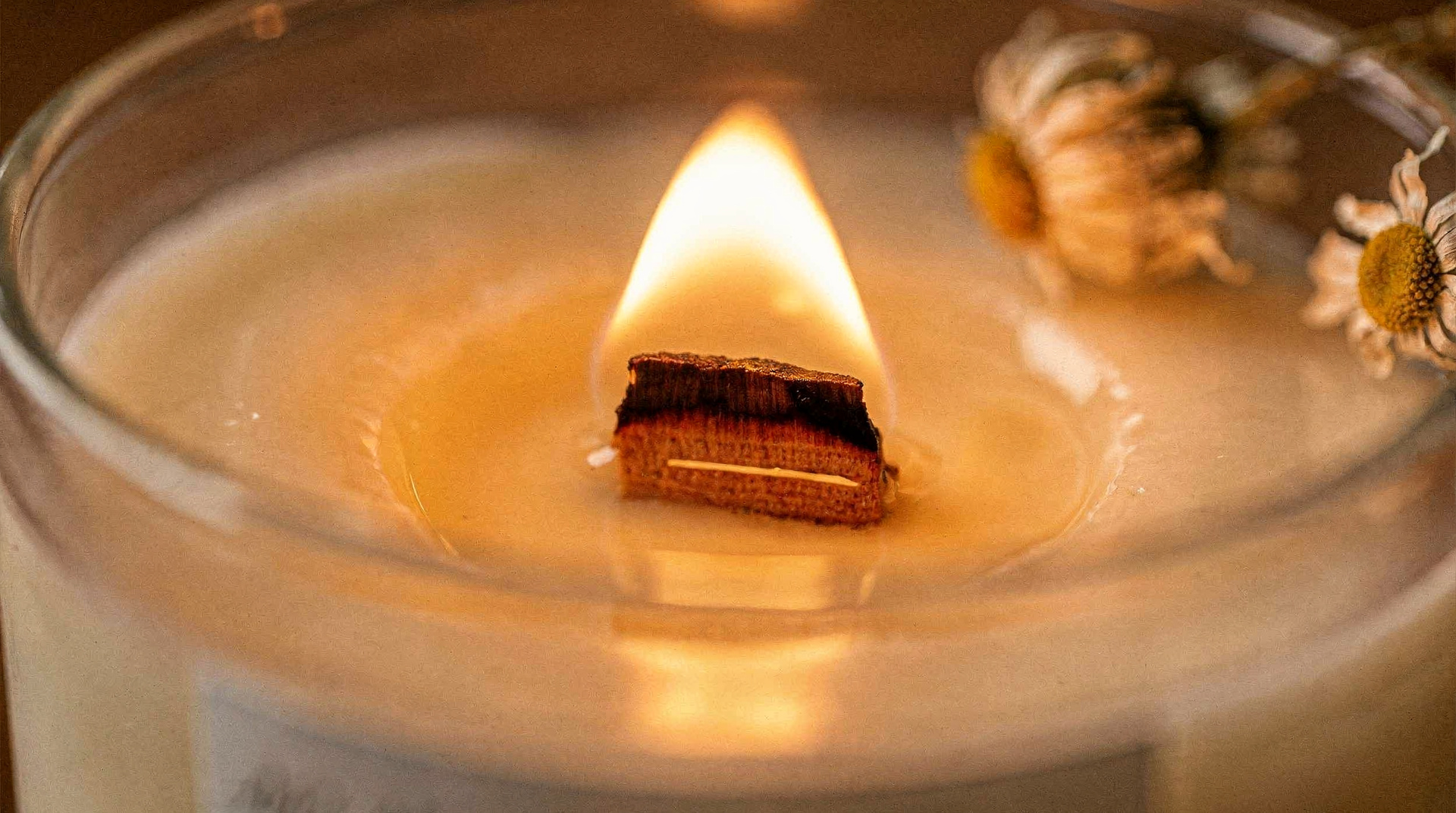
Beeswax is a different category entirely. It is the only wax that is naturally occurring, produced by honeybees as a byproduct of honey production. It requires no chemical processing to become usable as a candle wax. It burns at the highest melting point of any candle wax, which means it burns slower and produces less soot. And critically for aromatherapy purposes, it carries fragrance without needing chemical fixatives or synthetic carriers.
If you are doing aromatherapy and burning a paraffin candle, you are layering therapeutic scent on top of a combustion process that actively undermines the goal. That is like taking a vitamin with a glass of soda. It partially works, but the medium is working against you.
Beeswax Scent Benefits: What Makes It Different
Beeswax has a naturally warm, faintly honeyed scent profile even when unscented. This base note is subtle, but it interacts with added fragrances in a way that synthetic wax bases do not. The result is a scent throw that reads as warmer and more dimensional.
More practically, beeswax emits a light spectrum closer to natural sunlight than any other candle wax. This is not a metaphor. The color temperature of a beeswax flame sits closer to the warm, full spectrum light that the human eye evolved under. Some researchers and users report that this quality makes beeswax candle light feel less harsh and more genuinely relaxing than the cooler, bluish light emitted by paraffin candles. This is not a certified clinical finding, but it is a consistent pattern in user experience, and it makes sense given the physics.
For aromatherapy specifically, the cleaner combustion process means the fragrance molecules you are inhaling are not competing with combustion byproducts. The therapeutic compounds in phthalate free fragrance oils reach your olfactory system without interference. That is the environment you want for any practice rooted in scent.
Nicole is describing something that a lot of people notice when they switch from mainstream candles to beeswax. The difference is not always dramatic. Sometimes it is just the absence of a thing, no headache, no stuffiness, no vague chemical smell underneath the fragrance. That absence is actually data.
Matching Scent to Intent: A Practical Aromatherapy Framework
Aromatherapy is most effective when the scent is matched to a specific physiological goal. This is not about picking your favorite smell. It is about understanding which aromatic compounds have documented or widely reported effects on the nervous system, and then creating an environment that reinforces the outcome you want.
For Relaxation and Sleep
Lavender is the most studied aromatic compound for relaxation. Multiple meta analyses have found it reduces anxiety and improves sleep quality. Chamomile and camphor also have documented calming properties. If your goal is to wind down before sleep, you want scents in this family.
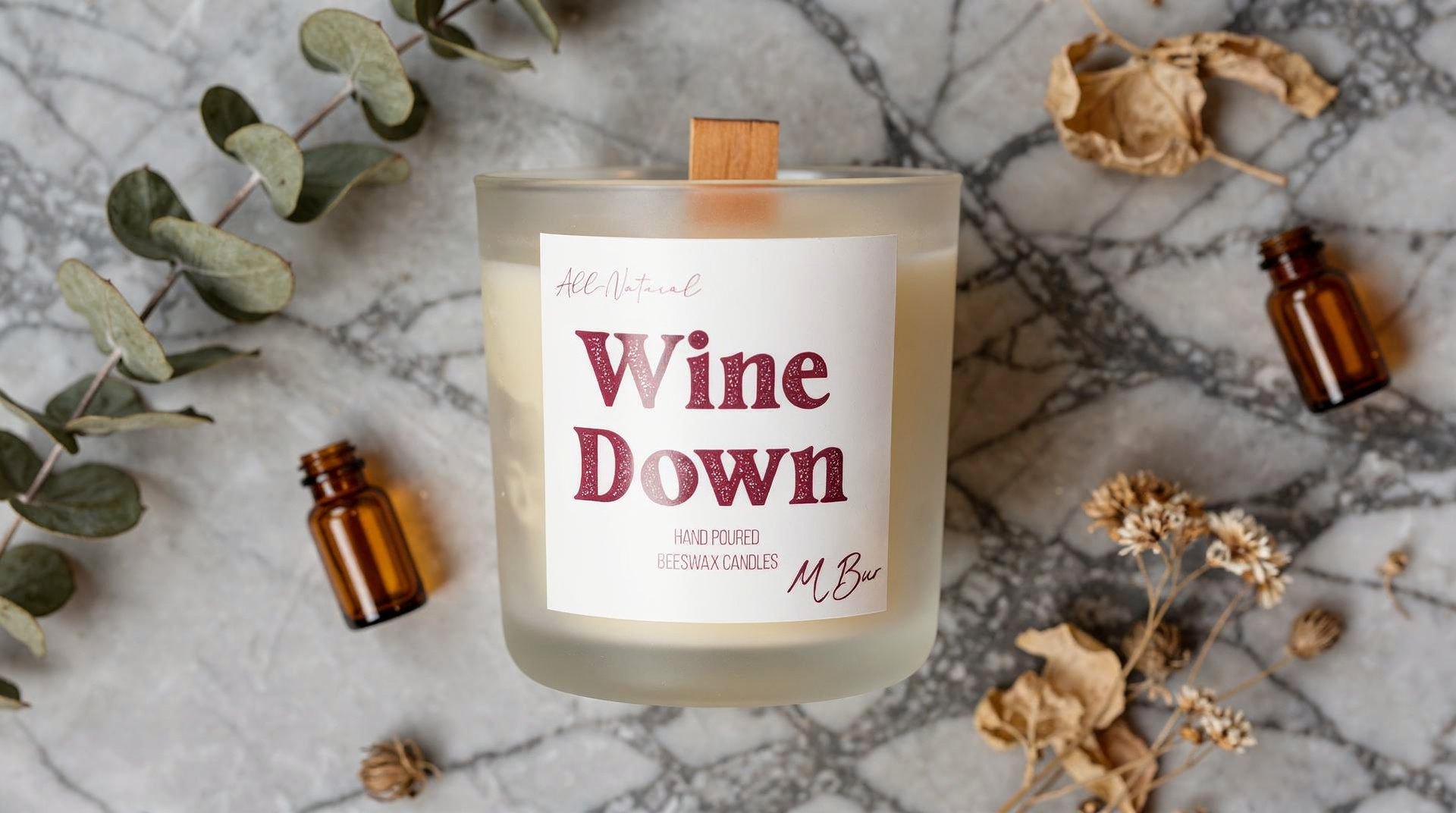
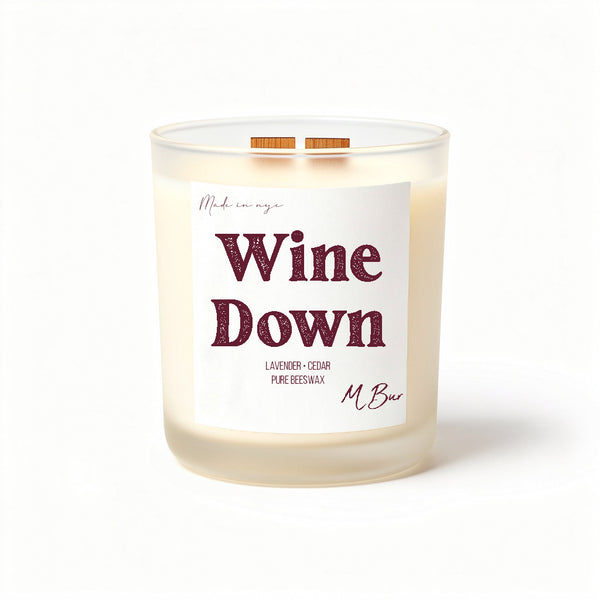
The Wine Down beeswax candle is built around exactly this profile. Its scent structure leads with lavender, moves through chamomile and sage in the middle, and grounds out in a base of patchouli and earthy cedar. Burn it in the 40 hour 5oz size ($23) for an evening ritual, or step up to the 80 hour 12oz ($65) if you want it as a permanent fixture in your bedroom.
For Focus and Clarity
Peppermint and eucalyptus are consistently associated with improved alertness and cognitive performance in research. Rosemary has shown up in multiple studies on memory and task performance. Cedar and clean green notes also read as mentally clarifying to most users.
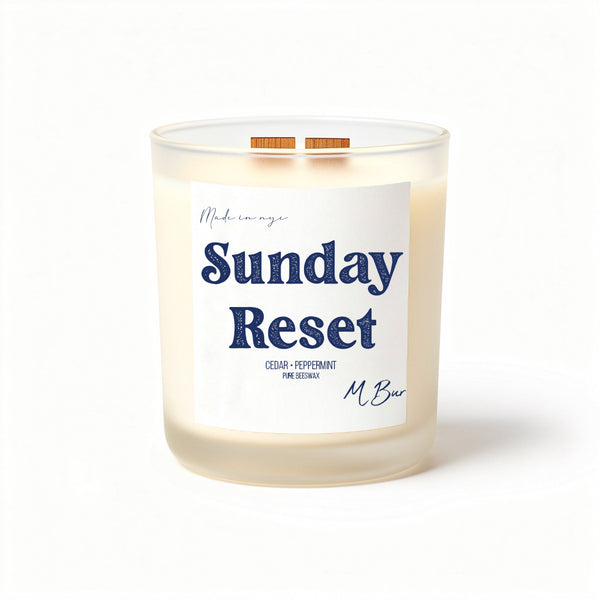
The Sunday Reset candle opens with peppermint and eucalyptus, moves into clove and cedar, and settles into a patchouli base. It is the candle you burn on Sunday morning when you are trying to get ahead of the week, or any afternoon when your brain needs a reset. The 20 hour 2.5oz size at $20 is a low commitment entry point if you have not tried it.
For Mood and Energy
Citrus compounds including limonene, found in lemon, orange, and grapefruit essential oils, have documented mood lifting properties. A 2019 review in Evidence Based Complementary and Alternative Medicine found citrus aromatherapy consistently reduced anxiety and improved mood across multiple studies.
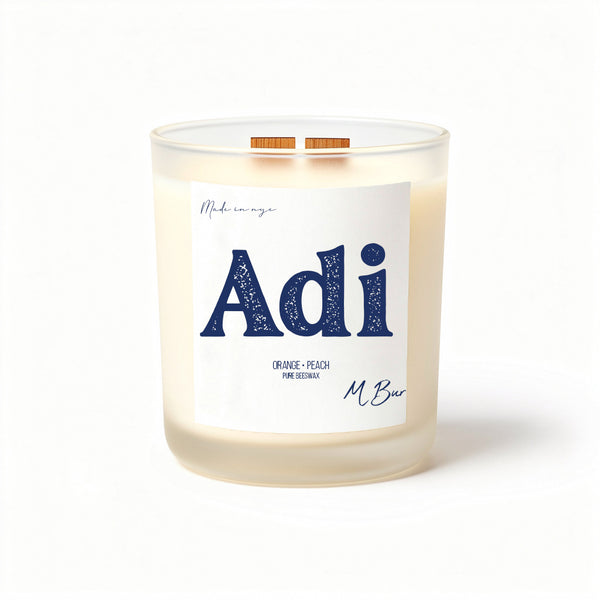
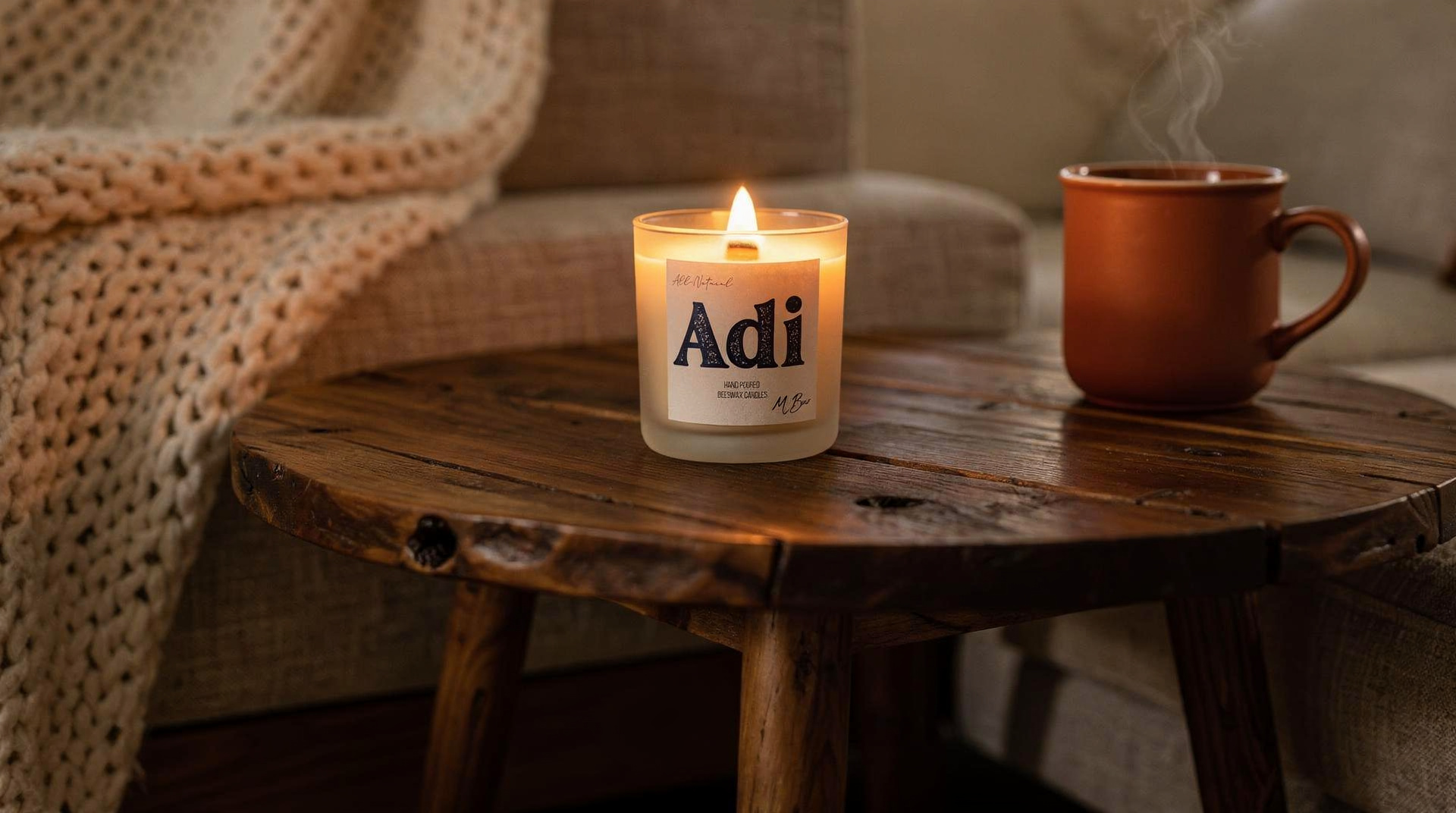
The Adi candle is an all in on citrus. It runs through lemon, orange, grapefruit, mandarin, tangerine, agave, lime, and peach. It is not subtle. It is the olfactory equivalent of opening a window. The 40 hour 5oz version at $23 is a good size for a home office or kitchen where you want consistent energy throughout the day.
How to Actually Do Aromatherapy With Beeswax Candles (Not Just Burn Them)
There is a difference between burning a candle and using a candle as part of an intentional aromatherapy practice. The distinction sounds fussy, but it is just about setting conditions that let the scent do its job.
Burn in a small to medium enclosed space. A candle in a large open area disperses before the aromatic concentration reaches a meaningful level for the olfactory system. A bedroom, bathroom, or home office is ideal. For reference, a 5oz beeswax candle will adequately scent a room up to about 300 square feet.
Give it 20 to 30 minutes before the peak effect. It takes time for aromatic compounds to reach full concentration in a room. If you are burning a candle for a pre sleep ritual, light it 20 to 30 minutes before you actually want to wind down, not right as you are getting into bed.
Trim the wick before every burn. For wooden wick candles specifically, a wick that is too long produces a larger flame and more heat, which can distort the scent throw. Trim to about 3mm before lighting. This also extends the burn life of the candle significantly.
Ventilate between sessions. Even the cleanest burning candle accumulates some combustion products in a sealed room over time. Cracking a window between aromatherapy sessions keeps the air fresh and the olfactory receptors responsive. If your nose has been saturated with the same scent for two hours, it stops registering it as effectively anyway.
Burn consistently. The most documented aromatherapy results come from consistent, repeated exposure, not one off sessions. If you are using scent for sleep, use the same candle at the same time every night for a week. The association your nervous system builds between that scent and relaxation compounds over time.
A Note on Fragrance Quality
Even the cleanest wax is not enough on its own if the fragrance used is loaded with harmful additives. Phthalates are the main concern in candle fragrance. They are chemical compounds used to make synthetic fragrances last longer, and they are classified as endocrine disruptors by the EPA. Research from the National Institutes of Health has linked phthalate exposure to hormonal disruption in both adults and children.
All MBur candles use phthalate free fragrance, which means the scent compounds are doing their job without the chemical overhead that comes with toxic fragrance. Combined with 100% beeswax and wooden wicks instead of metal core cotton wicks, the combustion profile is as clean as a scented candle gets.
If you want to try a few scents before committing to full size candles, the MBur sample pack lets you try multiple scents at $10 each, which is a reasonable way to figure out which fragrance profiles actually work for you in your specific space and routine.
Frequently Asked Questions
Do beeswax candles actually purify the air?
This is one of the most circulated claims about beeswax candles, and it deserves a careful answer. Some studies and many users report that beeswax candles appear to improve air quality, and the proposed mechanism involves negative ion emission. Some research does suggest that burning beeswax produces negative ions that can bind with airborne particles like dust, pollen, and pet dander. However, the evidence for this specific mechanism in a candle context is preliminary, and the effect has not been rigorously quantified. What is well documented is that beeswax produces significantly less soot and fewer VOCs than paraffin, which means it is not adding particulate matter to the air the way paraffin candles do.
How long do beeswax candles actually burn?
Beeswax has the highest melting point of any candle wax, which means it burns slower and longer than paraffin or soy. MBur's 12oz candles are rated for 80 hours of burn time. The 5oz size runs 40 hours, and the 2.5oz runs 20 hours. For context, a comparably sized paraffin candle typically burns in 30 to 45 hours. You can find more detail on getting the most out of your burn time in the first burn guide here.
Can I use beeswax candles if I have allergies or asthma?
Beeswax is naturally hypoallergenic, meaning it does not contain the chemical compounds most commonly associated with allergic candle reactions. The main triggers in scented candles for allergy and asthma sufferers are paraffin soot, toxic fragrance compounds including phthalates, and metal core wicks. Beeswax candles with phthalate free fragrance and wooden wicks remove all three of those triggers. That said, if you have specific sensitivities to any botanical scent ingredient, check the fragrance notes before buying. Many people who report headaches from mainstream candles find beeswax candles problem free, which aligns with the documented differences in combustion chemistry.
What is the best beeswax candle scent for aromatherapy?
It depends on what you are trying to accomplish. For relaxation, lavender forward scents are the most documented. For focus, peppermint and eucalyptus. For mood, citrus. The Wine Down candle is the go to for relaxation and sleep. The Sunday Reset candle is built for focus and clarity. The Adi candle is the energy and mood option.
How is beeswax different from soy for aromatherapy?
Both are cleaner than paraffin. But beeswax burns at a higher temperature, meaning it vaporizes fragrance more slowly and with more consistency. Soy candles can go through periods of pooling and uneven burn that affect scent throw. Beeswax also has a natural base note that interacts warmly with added fragrances, while soy has a neutral to faintly earthy base. For aromatherapy purposes, the consistency of burn and the cleaner combustion profile give beeswax a practical edge.
The Bottom Line
Aromatherapy with beeswax candles is not wellness theater. The mechanism is real, the wax type genuinely affects what you are inhaling, and matching scent to intent produces more consistent results than just burning whatever smells good at the store. Beeswax is simply the cleanest vehicle available for delivering therapeutic fragrance, and it has been doing that job for five thousand years.
If you are new to this and want to experiment without committing to a full size candle, start with the MBur sample pack at $10 per scent. Try Wine Down for a week before bed. Try Sunday Reset on a work from home morning. Give the scent time to build association, and pay attention to what you notice.
The candles are handmade in Queens, NY, burned with wooden wicks, and built on 100% beeswax with phthalate free fragrance. No blends, no shortcuts.
Shop the full collection at mburcandle.co and find your aromatherapy match.
What buyers say:
Related Reading:

