

Small Batch Candles vs. Store Bought: What You're Actually Paying For
Small Batch Candles vs. Store Bought: What You're Actually Paying For
The internet has opinions about candles. Loud ones. Half of Reddit swears by their $9.99 Bath and Body Works haul. The other half insists small batch candles are worth every extra dollar. And somewhere in the middle, you're standing in a checkout line wondering if you're being ripped off or if you've been missing out.
Here's the thing: both sides are arguing about price when they should be arguing about value. What's actually inside the candle matters more than what's on the tag. And once you break it down by ingredients, burn time, cost per hour, scent throw, and health impact, the picture gets a lot clearer than the candle industry wants it to be.
This is that breakdown.
The Core Question: What Are You Actually Buying?
Big box candles are sold on vibes. The packaging is great. The marketing is world class. But the actual formula inside most mass produced candles is built around one goal: margin, not quality.
Small batch candles are built around a different constraint: the maker's reputation. When someone's name is on the product and they're pouring every batch by hand, cutting corners on ingredients has real consequences. That accountability gap is what drives almost every meaningful difference in this comparison.
Comparison Framework: Where Small Batch Wins, Where Big Box Holds Its Own
1. Wax: The Foundation of Everything
Most big box candles use paraffin wax. Full stop. Paraffin is a petroleum byproduct, the stuff left over after crude oil is refined into gasoline and motor oil. It's cheap, it holds fragrance well, and it looks good in a jar. It also releases benzene and toluene when burned, both of which are classified as volatile organic compounds (VOCs) and potential carcinogens according to the EPA.
Some brands have shifted to soy wax, which is a genuine improvement. Soy is plant derived, burns cooler, and produces less soot. But most soy candles on mass market shelves are blended with paraffin anyway, because pure soy has inconsistent surface texture and doesn't hold fragrance as efficiently at scale. Check the label carefully before assuming a candle labeled "natural" is actually paraffin free.
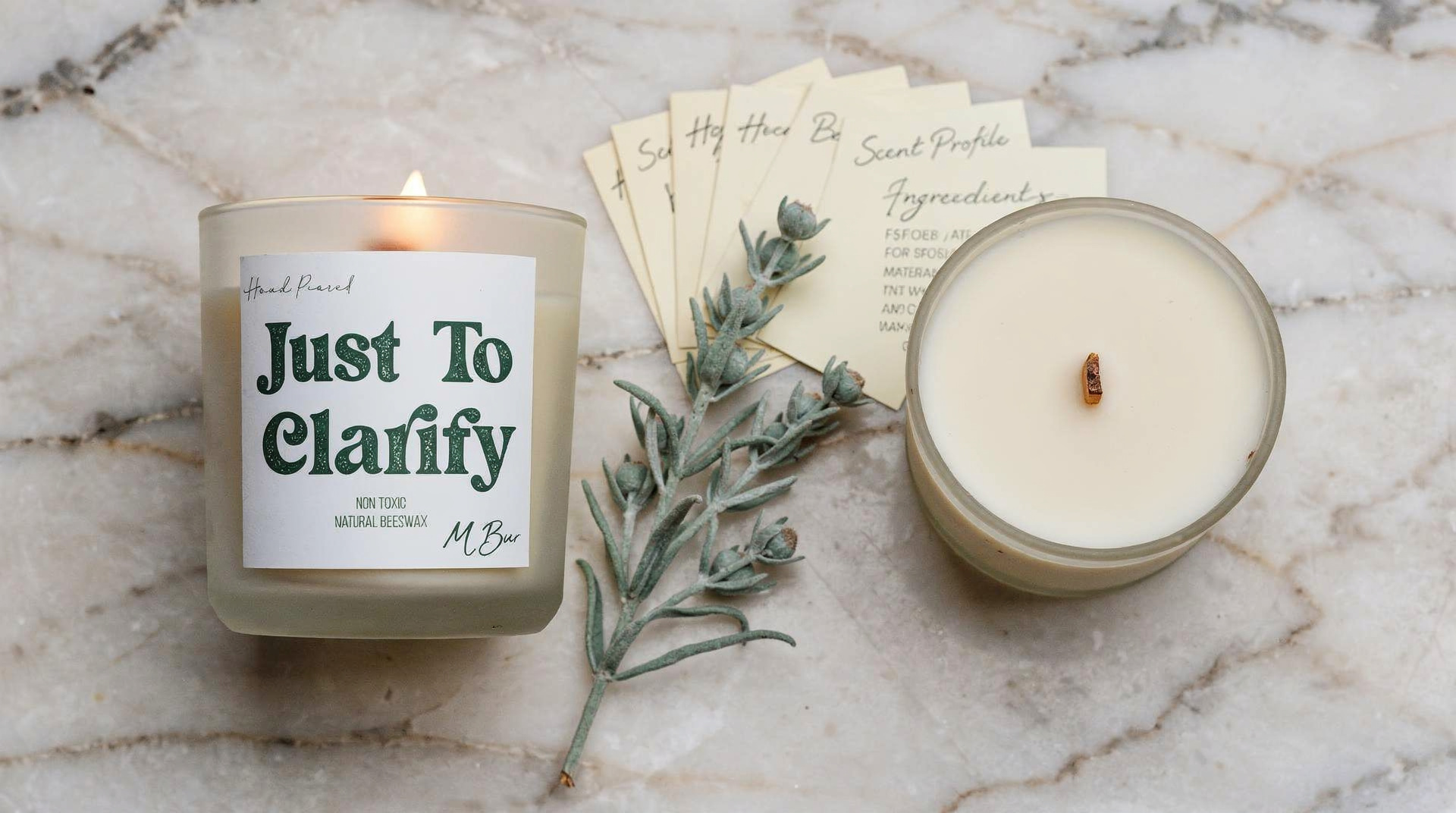
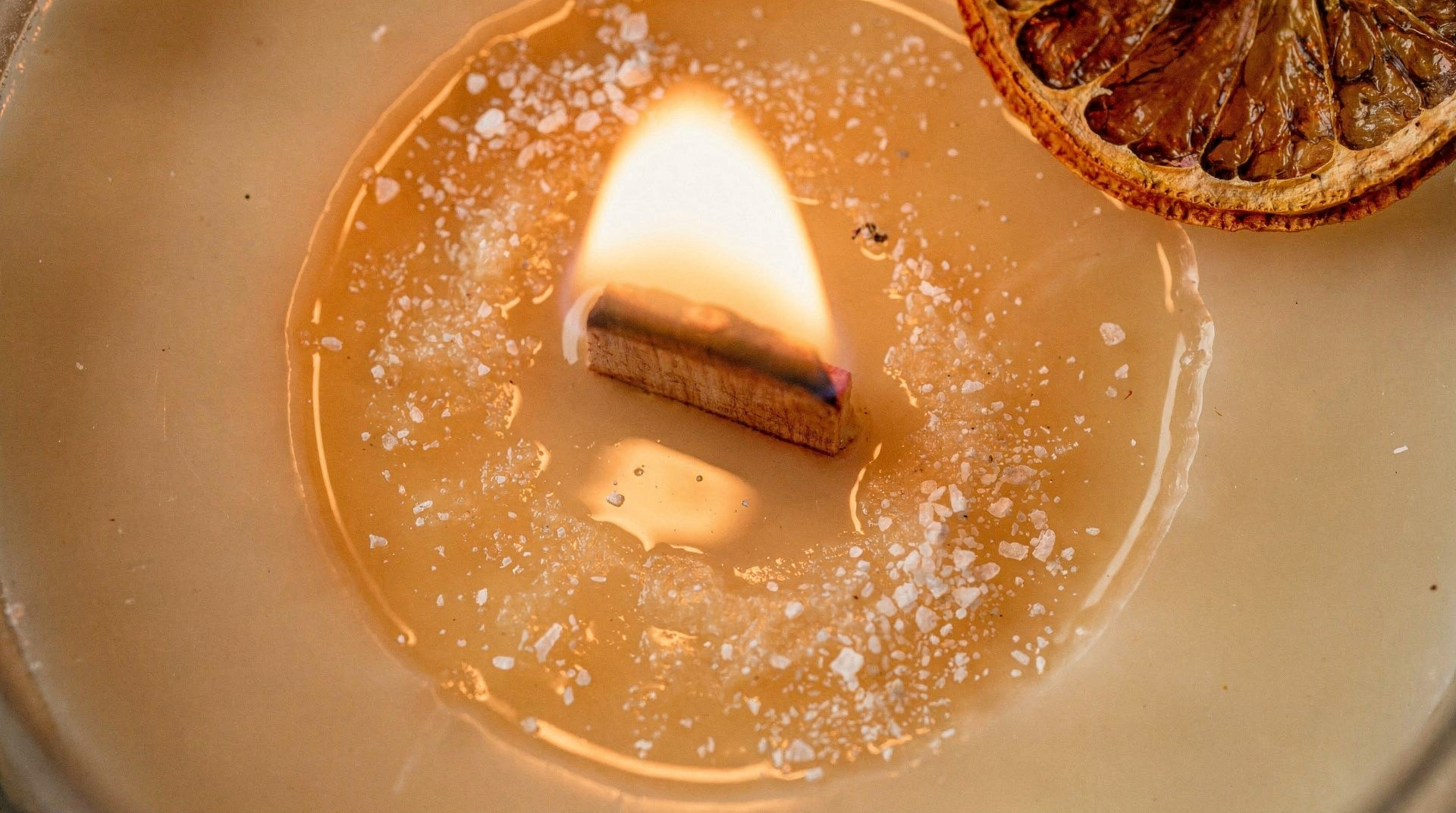
Small batch beeswax candles use a completely different material. Beeswax is the oldest candle wax in history, used since roughly 3000 BCE, and it requires zero chemical processing. It has the highest melting point of any candle wax, which is exactly why our 12oz beeswax candles burn for up to 80 hours while a comparable paraffin jar burns out in 40 to 50. It also emits a light spectrum closer to natural sunlight than any other wax.
2. Fragrance: The Ingredient Nobody Talks About
Fragrance is where mass market candles do the most damage and get the least scrutiny. The word "fragrance" on a label is a legal black box. Under U.S. law, fragrance formulas are considered trade secrets, which means a brand can load a candle with phthalates, synthetic musks, and other endocrine disruptors and list the entire cocktail as a single ingredient: fragrance.
Phthalates are the biggest concern. They're used as fixatives in toxic fragrance blends to help scent throw travel further and last longer. They're also linked to hormone disruption, particularly in children and pregnant individuals, according to the National Institutes of Health.
Small batch brands that care about this will tell you exactly what's in their fragrance. At MBur, every candle uses phthalate free fragrance. No hidden ingredients, no trade secret shortcuts.
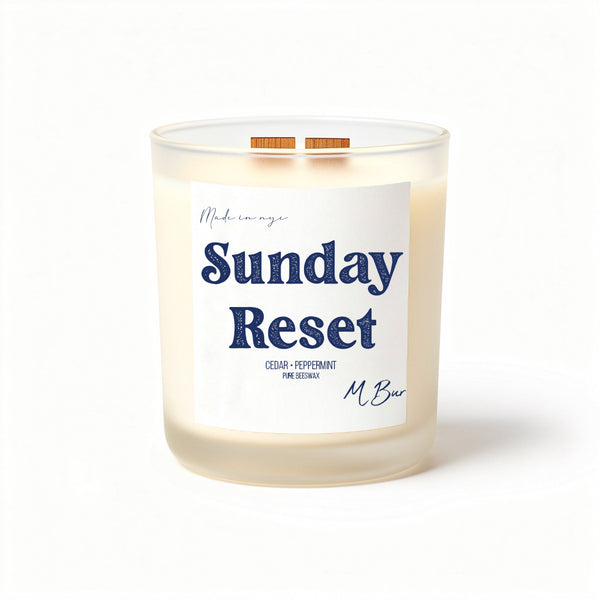
"I absolutely love these candles! I instantly notice the difference in the air quality, in comparison to the Bath and Body scented candles. I love Bath and Body's candles but I acknowledge that it caused a slight headache and other minor respiratory discomfort. Awesome products. Totally addicted." Jason H., Sunday Reset Candle
3. Burn Time and Cost Per Hour: The Real Price Tag
| Candle | Price | Burn Time | Cost Per Hour |
|---|---|---|---|
| Bath and Body Works 3 Wick (14.5oz) | $29.95 (sale) to $45 (full price) | 25 to 45 hours | $0.67 to $1.80 per hour |
| Yankee Candle Large Jar (22oz) | $31.99 to $34.99 | 110 to 150 hours (per brand claim) | $0.21 to $0.32 per hour |
| Homesick Candles (13.75oz, soy blend) | $34.99 to $39.99 | 60 to 80 hours | $0.44 to $0.67 per hour |
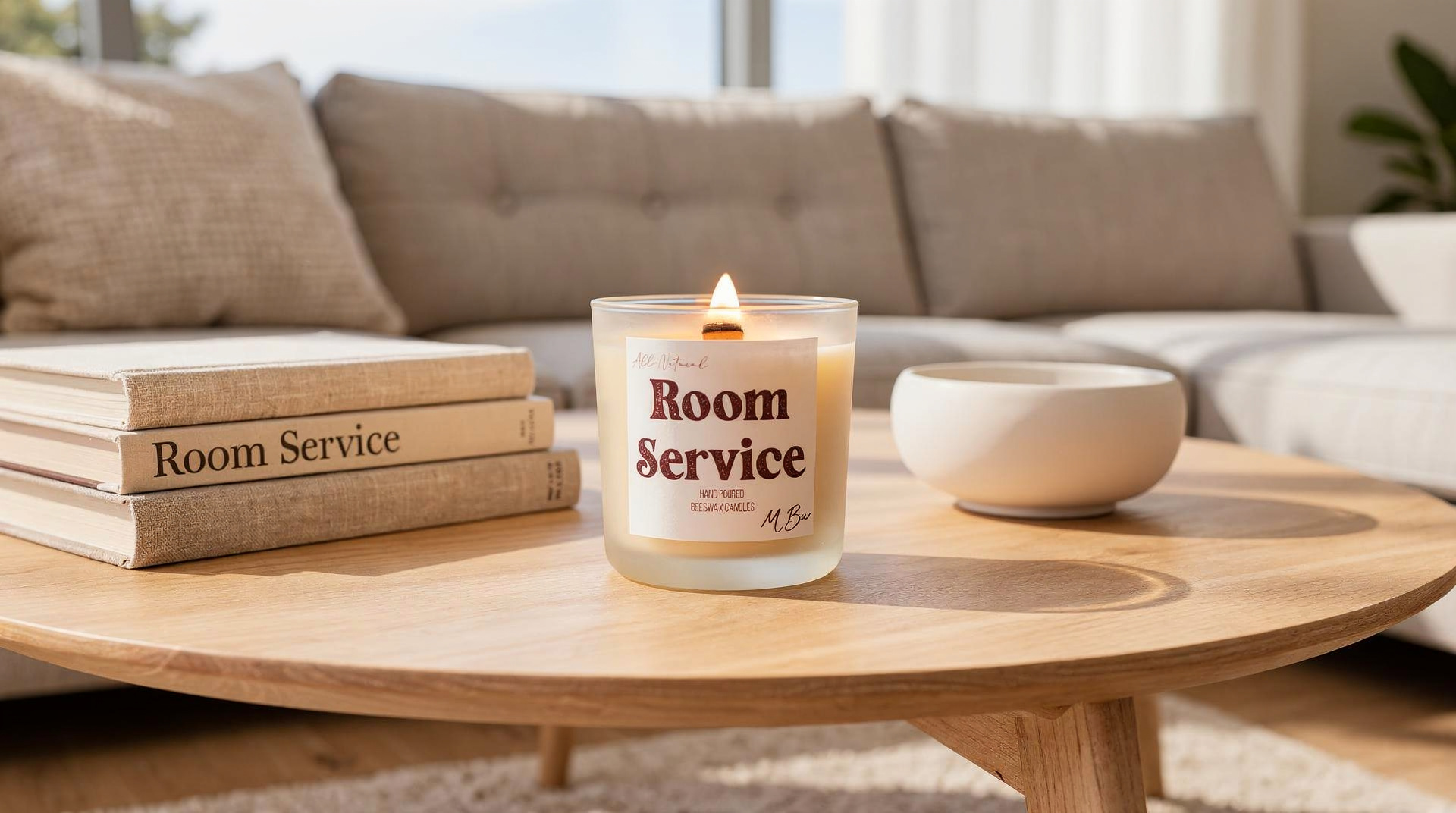
| MBur 12oz Beeswax (e.g., Room Service) | $65.00 | 80 hours | $0.75 per hour |
| MBur 5oz Beeswax (e.g., Room Service) | $23.00 | 40 hours | $0.58 per hour |
Yankee Candle's burn time claims are famously generous and based on optimal lab conditions. Real world burns come in lower. Bath and Body Works 3 wick candles burn fast because three wicks move through wax quickly, which creates impressive scent throw but shorter actual burn time.
When you run the math, the price per hour gap between big box and small batch closes significantly. And that's before accounting for the ingredient quality difference.
4. Scent Throw: The Part That Actually Matters Day to Day
Mass market candles are engineered for cold throw, meaning how they smell in the store before you buy them. Strong cold throw drives impulse purchases. The problem is that many of those scents don't perform as well once the candle is burning, because the fragrance load needed to hit shelf impact levels can actually inhibit the burn itself.
Small batch candles are generally optimized for hot throw, meaning how the scent performs during an actual burn.
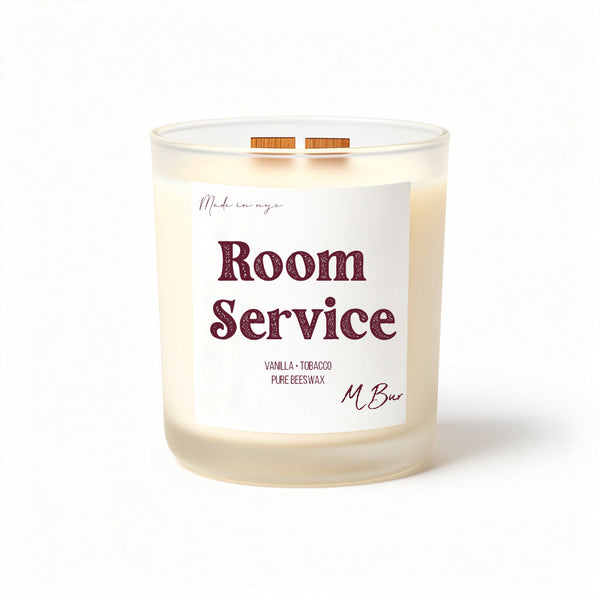
"They smell up a WHOLE room during the burn and even a while after blowing them out. I won't buy other candles anymore, they're just that good." Paige, Sunday Reset Candle
Beeswax specifically has a naturally subtle honey scent of its own that blends with added fragrance in a way paraffin cannot replicate. The result is a more complex, layered scent that tends to feel less "loud" and more present.
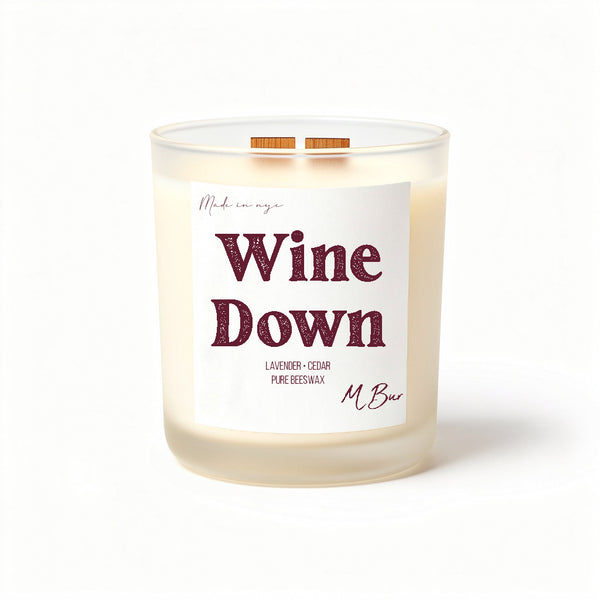
The Wine Down beeswax candle is a good example: lavender, chamomile, sage, cedar, and sandalwood in a blend that fills a room without crossing into headache territory.
5. Health Impact: What the Soot Is Actually Telling You
Black soot on your jar or walls is not aesthetic. It's a sign the wax is producing incomplete combustion products, and those products are entering your airspace. Paraffin soot contains ultrafine particles that can lodge in lung tissue.
Beeswax produces minimal soot under normal burn conditions. It also does not require additives, stabilizers, or chemical processing to be shelf stable. It's a single ingredient wax with no chemical supply chain attached to it.
If you are curious about the specifics of what makes a candle genuinely non toxic, our post on what makes a candle non toxic breaks down exactly which ingredients to look for and which to avoid.
Where Big Box Candles Actually Win
This is not a one sided verdict. Big box candles do some things well and those things are worth acknowledging.
Accessibility and variety: Bath and Body Works alone releases hundreds of scents per season. If you want a candle that smells like a specific childhood memory or a niche seasonal moment, the sheer variety at scale is genuinely hard to compete with.
Gifting on a budget: A $10 to $15 candle is a perfectly reasonable gift when you need something for a coworker or a grab bag. Not every candle purchase is about longevity or ingredient quality.
Impulse buy experience: The mall candle store is a sensory event. Walking in, sniffing fifteen jars, and walking out with something you didn't plan to buy is a feature, not a bug, for a lot of people.
Where Small Batch Candles Win, and For Whom
If you burn candles regularly at home, the math on small batch candles is better than most people think. The cost per hour is competitive once you account for actual burn time. The ingredient quality is not close. And for anyone who has noticed that certain candles cause headaches or leave residue on surfaces, switching to a beeswax option with non toxic fragrance often fixes the problem immediately.
The Room Service candle in the 40 hour 5oz size at $23 is a good entry point if you want to test the difference without committing to the full 12oz.
The Verdict by Use Case
- Daily home burner who wants the best air quality: Small batch beeswax, no contest.
- Budget gifting for coworkers or acquaintances: Big box is fine and practical.
- Long term candle investment for a primary living space: Small batch wins on cost per hour once you run the math.
- Sensitive to scents, prone to headaches from candles: Small batch beeswax with phthalate free fragrance is the only answer worth trying.
- Seasonal variety shoppers who want new scents every few weeks: Big box has the catalog depth. Small batch brands have fewer SKUs but stronger individual quality.
Frequently Asked Questions
Are small batch candles actually worth the higher price?
When you calculate cost per hour rather than cost per candle, small batch beeswax candles are often within range of comparable big box options, and in some cases cheaper. A $23 candle that burns 40 hours costs $0.58 per hour.
How do I know if a candle really uses clean ingredients?
Look for brands that list their fragrance as phthalate free and specify their wax type. If a label just says "natural wax" or "premium fragrance," those terms are unregulated and mean nothing.
Do beeswax candles really burn longer?
Yes. Beeswax has a higher melting point than paraffin or soy, so it burns more slowly. An 80 hour burn time on a 12oz beeswax candle is a function of chemistry.
Why do some candles give me headaches but others don't?
The most likely culprit is phthalates in toxic fragrance blends, ultrafine soot particles from paraffin wax, or both. Many people who switch to beeswax candles with phthalate free fragrance report the headaches stop.
What's the best small batch candle to try first?
The 20-hour size at $20 is the lowest-commitment way to try any scent. Most people find two or three they want to reorder immediately.
The Bottom Line
Big box candles are not bad purchases. They're convenient, affordable, and sometimes exactly what you need. But if you burn candles at home regularly and have ever wondered why your walls have a faint film, why certain candles give you a headache, or why the scent disappears before the wax does, the ingredient gap between mass market and small batch is the answer.
The Room Service beeswax candle starting at $23 for 40 hours is the clearest side by side test you can run. Burn it in the same room you've been burning your usual candle. Check the jar. Check the air.
Shop the full MBur beeswax candle collection
What buyers say:
Related reading:

