

Safe Candles for Homes With Pets and Kids: No Fire Hazards, Just Warm Ambiance
The fire risk in your home is the flame, and almost nothing else. Not the wax. Not the jar. The open flame that a wagging tail, a curious paw, or a small hand can reach. U.S. fire departments answer close to 5,894 home candle fires a year. More than half start because the flame sat too close to something that could catch.
Kids ages 5 to 9 face nearly twice the general risk. That is a hard fact for any parent. So before you swear off candles forever, know that you can keep the glow and drop the danger, and choosing clean-burning beeswax candles is one part of a plan that also cuts the soot and fumes pets breathe.
Here is the part most safety lists skip. Removing the flame is the easy half. The half that fails is everything around it.

Why the flame is the real hazard, not the candle
A candle sitting unlit does nothing. The danger starts when you light it. Pets knock things over. Fur can catch. A cat can brush a low candle off a side table without meaning to.
Fire spreads fast once it starts. A tipped candle on a rug or a tablecloth turns into a room fire in minutes. Dogs and cats move around your home when you are not watching, and that is exactly when accidents happen.
Falling asleep near a lit candle is a factor in only 12% of candle fires. But it causes 42% of the deaths. The flame does not care that you meant to blow it out.
The second risk you cannot see: what your pet breathes
Fire is the loud risk. The quiet one is air quality. Many candles are made from paraffin, a petroleum byproduct, and paraffin releases benzene, toluene, and formaldehyde when it burns.
Those fumes and the soot they leave behind can bother a pet's sensitive lungs. Cats and small dogs feel it most. Their airways are smaller and closer to the floor where soot settles.
Heavy scent is the other trigger. Candles loaded with toxic fragrance, the kind packed with phthalates, can irritate small lungs, both furry and human. Recent research also found that warming scented wax releases tiny particles into the air, while unscented wax gave off almost none. The lesson is simple. Cleaner wax and gentler scent matter as much as where you put the candle.
If anyone in your home has asthma, allergies, or another breathing condition, follow your doctor's guidance on scents at home.

How to build a candle setup that is safe for pets and kids
You do not have to give up candles. You have to change how you use them. Start with placement, then fix the wax, then think about when the flame is even needed.
1. Put the flame where paws and hands cannot reach
Fire authorities say keep a burning candle at least 12 inches from anything that can burn. Never set a candle on the floor. Pets sniff and paw at anything low.
Skip low coffee tables and side tables too. That is tail-height and paw-height. Use a high, sturdy shelf where a jump or a grab cannot land.
2. Choose a jar candle, not a pillar or taper
A candle in a glass jar holds its melted wax and resists tipping. Pillars and tapers fall over easily. A container also shields the flame from a curious nose.
3. Pick clean wax and a safer wick
This is where the air-quality fix lives. Skip paraffin. Look for beeswax, soy, or coconut wax, and a cotton or wooden wick. Never a metal-core wick.
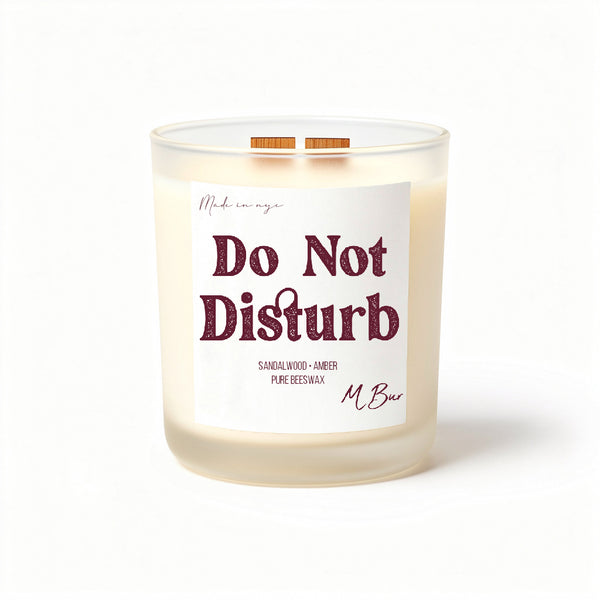
Beeswax is the single cleanest choice. It is one ingredient, not a blend. It burns slow because it has the highest melting point of any candle wax, and it makes very little soot. Our Do Not Disturb beeswax candle is a good example: 100% beeswax, a wooden wick, and phthalate-free fragrance, with soft notes of bergamot and pear that fill a bedroom without shouting. One reviewer put it plainly:
"I love the scent of this candle. It is lovely not overpowering. It's soothing fragrance more than covers my bedroom and bathroom. It is aromatherapy at its best. I also love getting fragrance samples with my order." Dawne Forrest
The Do Not Disturb candle starts at $32 for the 40-hour size and goes up to $65 for the 80-hour size.
4. Keep the scent gentle, and disclosed
You want a brand that tells you what is in the fragrance. MBur uses only non-toxic, phthalate-free fragrance oils and no chemical dyes. That is the difference readers with sensitive homes keep noticing.
"I love these candles. No headache or feeling nauseous like the Bath & Body candles with all the extra chemicals. In addition, I love the package and how carefully everything was wrapped." Jason H.
5. Consider a flameless option in high-traffic rooms
For a playroom or a spot your dog roams all day, the safest choice is no open flame at all. A battery LED candle gives you flicker with zero fire risk. A candle warmer lamp melts real wax with a low-wattage bulb, so you get the scent from a clean beeswax candle without a lit wick.
That last option is the sweet spot for many pet homes. Real wax, real scent, no flame to knock over.
A quick clean-candle checklist
- 100% beeswax, soy, or coconut wax. Never paraffin.
- Cotton or wooden wick. Never metal-core.
- Phthalate-free fragrance, no chemical dyes.
- Jar or container, not a pillar or taper.
- Placed 12 inches from anything combustible, up high, out of reach.
- Never left burning while you sleep or leave the room.
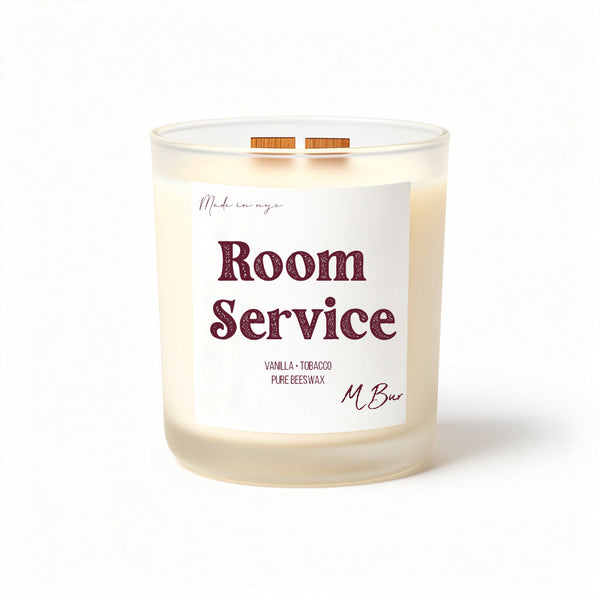
MBur checks every box on that list. The Room Service beeswax candle, our bestseller, is pure beeswax with a wooden wick and clean notes of white tea, peony, and vanilla. It gives you that hotel-lobby warmth without a paraffin flame throwing soot into the room.
Practical habits that lower risk even more
Trim the wick to a quarter inch before each burn. A long wick makes a tall flame and more soot. Short wick, small flame, cleaner air.
Limit each burn to about four hours. Open a window or crack a door for airflow. Ventilation helps clear anything the candle puts out, and it keeps small lungs happier.
Keep a candle snuffer nearby so you put the flame out cleanly instead of blowing hot wax around. And never leave a lit candle alone with a pet or child in the room.
Frequently asked questions
Are candles safe to burn around dogs and cats?
They can be, with the right wax and the right rules. Skip paraffin, choose a clean beeswax candle, keep it up high, and never leave it lit unattended. A pure-beeswax option like our Do Not Disturb candle burns with very little soot, which is easier on a pet's lungs.
Are flameless LED candles truly safe for homes with kids and pets?
Yes. A battery LED candle has no flame and does not get hot, so there is no fire risk and nothing to knock over. Pair it with a warmer lamp over a real beeswax candle and you get scent too, still without an open flame.
Can scented candles hurt my pet's breathing?
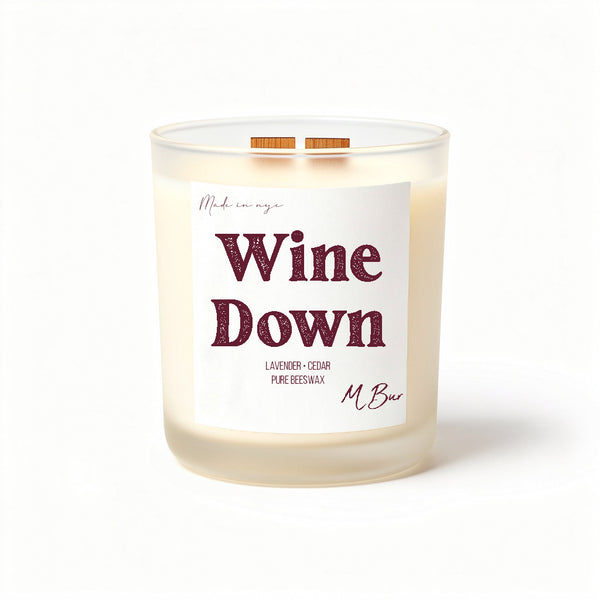
Paraffin wax and heavy toxic fragrance can irritate a pet's airways with soot and fumes. Cleaner wax and mild, disclosed scent lower that load. MBur's Room Service candle uses phthalate-free fragrance and no chemical dyes.
How far should a lit candle be from my child or pet?
Keep a burning candle at least 12 inches from anything that can catch fire, on a sturdy surface they cannot reach. You can read more general safety guidance from the National Candle Association.
Which MBur size is best if I only burn candles a few hours a day?
The 40-hour size at $32 is a smart starter for short daily burns. If you want it to last for months, the 80-hour size at $65 is the longest-lasting option in the candle collection.
The takeaway
The fire risk is the flame, so control the flame and clean up the wax and the scent. Put a jar candle up high, choose pure beeswax with a wooden wick, and use a flameless option in the rooms your pets and kids own. For a warm, low-soot glow that is gentle on small lungs, start with our Do Not Disturb beeswax candle, loved across dozens of five-star reviews from readers who stopped getting headaches after switching.
Shop the Do Not Disturb beeswax candle and set up a safer glow for your home.
Related reading

