

Organic and Local Beeswax Candles (What Those Labels Actually Promise You)
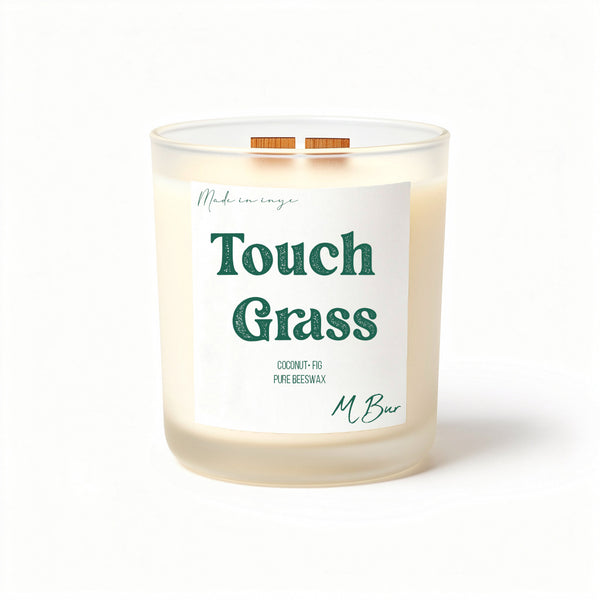
Walk through the natural candle aisle and you will see beeswax described as organic, local, raw, and a dozen other reassuring words. Some of these mean something specific, and some are doing more for the marketing than for you. It is worth knowing which is which before you pay extra for a label. Here is what organic and local actually promise on a beeswax candle, and what they do not. We make 100% beeswax candles, and the full collection is here as you read.
What organic beeswax really means
Organic beeswax is supposed to mean the bees foraged in areas free of pesticides and the hive was kept without chemical treatments. The trouble is that bees fly for miles in every direction, so controlling exactly where they forage is genuinely difficult, which makes certified organic beeswax rare and hard to verify. An organic claim without a real certification behind it is just a word. Treat it with a little healthy skepticism unless the brand can back it up.
What local beeswax tells you
Local is more straightforward. It means the wax came from beekeepers near where the candle is made rather than being shipped from far away. That can mean better traceability and support for nearby apiaries, which are good things if you value them. What local does not automatically mean is cleaner or purer, since a local wax still has to actually be pure beeswax to burn well.
| Label | What it suggests | What to check |
|---|---|---|
| Organic | Pesticide free foraging | A real certification, not just the word |
| Local | Nearby sourcing, traceable | That it is still pure beeswax |
| 100% beeswax | Not cut with other wax | The most useful claim of the three |
What actually matters
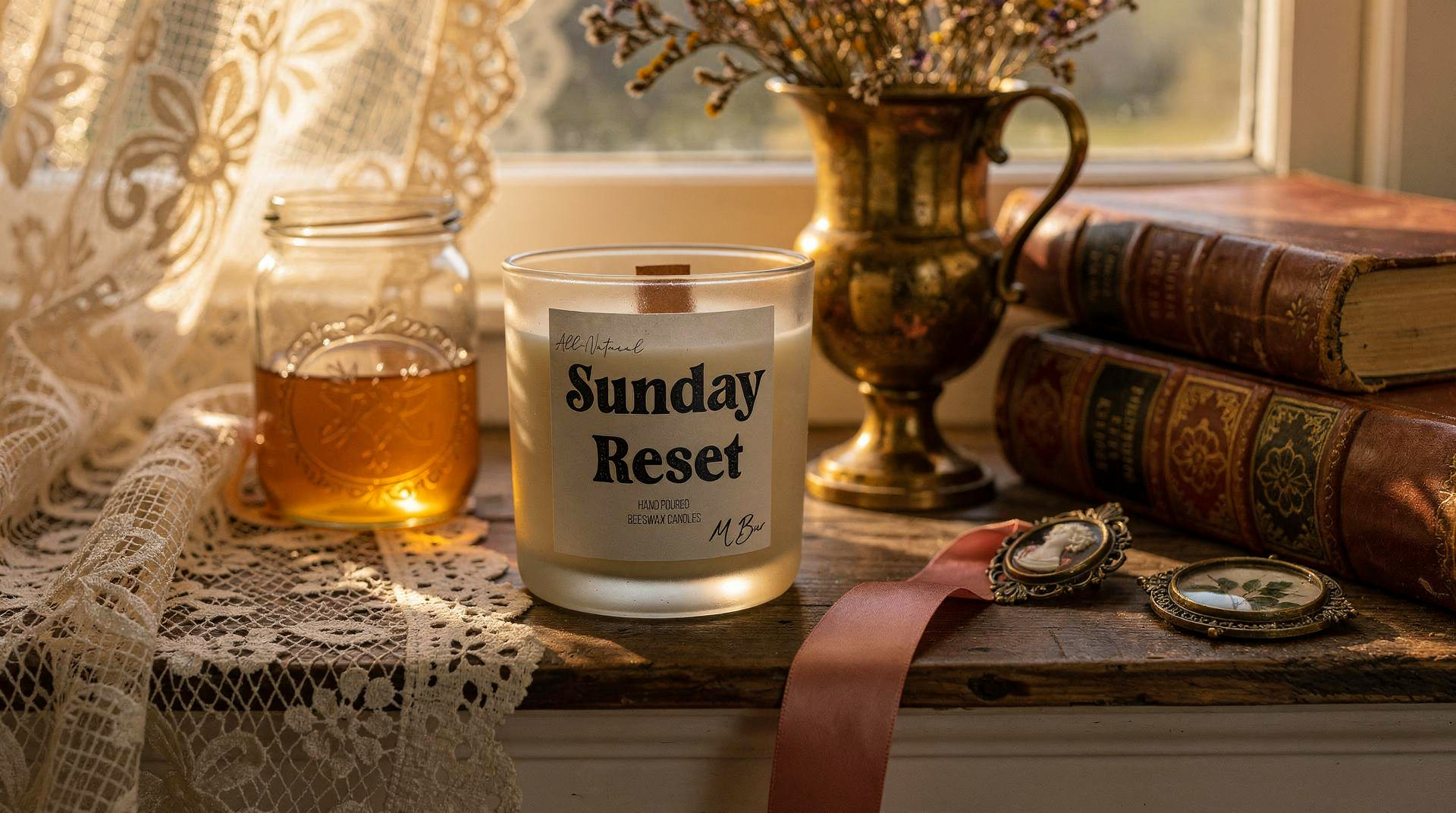
Underneath the labels, the thing that decides how a beeswax candle burns is purity. A candle can be local and still be blended with paraffin, and organic claims mean little without proof. The most honest and useful word on the label is the plain one: 100% beeswax. If a brand states that clearly and lists what is in the candle, you have what you need.
Buyers who care about clean sourcing tend to care about what is actually in the candle:
Why certified organic beeswax is so rare
The honest reason organic beeswax is hard to come by is the bees themselves. A hive's foragers range over a wide area in every direction, visiting whatever is in bloom, and a beekeeper cannot fence that in or guarantee that none of it was treated with pesticides. Genuine organic certification has to account for that range, which makes it demanding and uncommon. So while organic beeswax exists, an organic claim slapped on a candle without a recognized certification behind it is mostly a comforting word. The biology of how bees forage is exactly what makes the label both appealing and difficult to actually back up.
What local does and does not promise
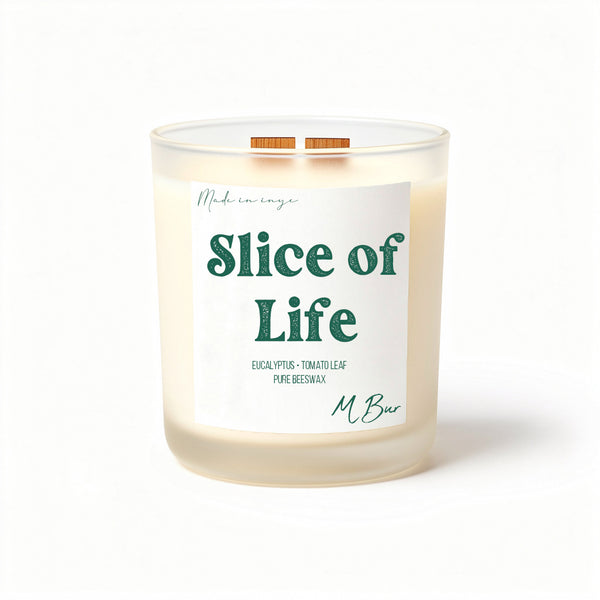
Local is a more honest, more limited claim. It tells you the wax came from beekeepers near where the candle was made, which can mean shorter supply chains, better traceability, and support for nearby apiaries, all real reasons someone might value it. What local does not promise is anything about purity or how the candle burns, since wax sourced down the road can still be blended with paraffin or poorly filtered. Local and pure are two separate questions, and only when a candle is both does the local sourcing translate into a genuinely good clean burning candle.
Reading a label past the buzzwords
When several reassuring words crowd a label, it helps to rank them by how much they actually tell you. Organic without certification says little. Local tells you about sourcing but not purity. The most useful claim by far is a plain statement that the candle is 100% beeswax, ideally with the fragrance listed and noted as phthalate free. That single line speaks directly to what ends up in your air and how the candle burns. The softer words may reflect real values a maker holds, but the plain purity statement is the one to actually shop on.
When the softer labels are worth paying for
None of this means organic and local are worthless, only that they answer different questions than purity does. If supporting nearby beekeepers matters to you, local sourcing is a real and fair reason to choose one candle over another. If a maker holds a genuine organic certification and can show it, that reflects care worth rewarding. The point is simply to know what you are buying and why, paying for sourcing and values with open eyes, while still checking that the candle is plainly pure beeswax underneath. Values and purity are both fine reasons to buy, as long as you are not mistaking one for the other.
Common questions
Is organic beeswax better?
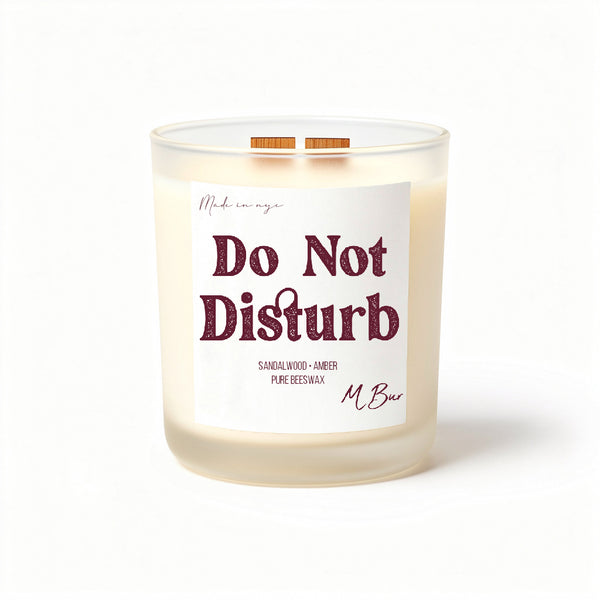
Only if the certification is real, and genuine certified organic beeswax is rare because bees forage so widely. An organic claim with nothing behind it does not tell you much. For a candle, that the wax is pure 100% beeswax matters more than an unverified organic label. The collection states exactly what each candle is.
Does local beeswax burn cleaner?
Not automatically. Local tells you where the wax came from, which can mean better traceability, but it still has to be pure beeswax to burn cleanly. Local and pure together is a good sign.
What label should I actually look for?
The clearest one is 100% beeswax, ideally with the fragrance and ingredients listed. That tells you the candle is not cut with cheaper wax, which is the thing that most affects how it burns.
The bottom line
Organic and local can signal real values, but organic is hard to verify and local does not guarantee a clean burn. The label worth trusting is a plain statement of 100% beeswax with the ingredients listed.

