

Is Beeswax Flammable? How a Beeswax Candle Catches and Burns Steady
It is a sensible thing to wonder about anything you set on fire in your home. Beeswax is the fuel in a beeswax candle, so in that sense it burns, but a block of beeswax is not the easily ignited material people sometimes picture. Like any candle, it is the wick and the melted wax vapor that actually carry the flame, and beeswax does this slowly and steadily. Here is how a beeswax candle really burns, and what that means for safety. We make 100% beeswax candles, and the full collection is here as you read.
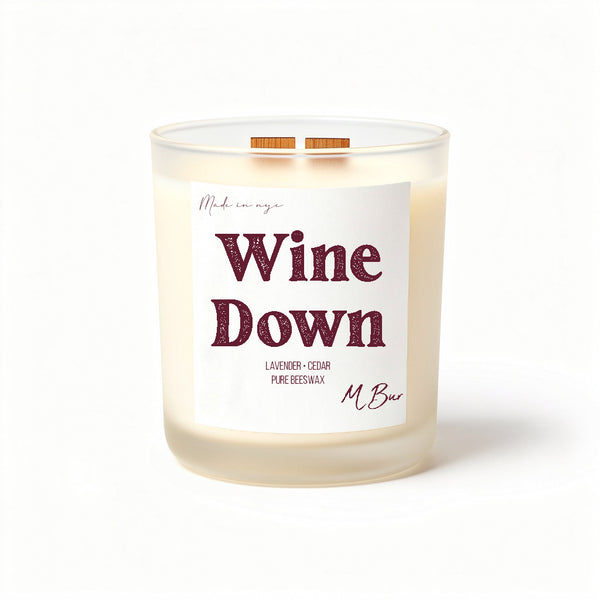
How a candle actually burns
A candle does not burn the way a log does. The flame melts a small pool of wax, the wick draws that liquid up, and the heat turns it to vapor, which is what burns. The solid wax itself just sits there feeding the wick. So when people ask if beeswax is flammable, the honest answer is that it is a fuel, but a solid beeswax candle will not suddenly catch fire on its own. It needs a wick and a flame to do its job.
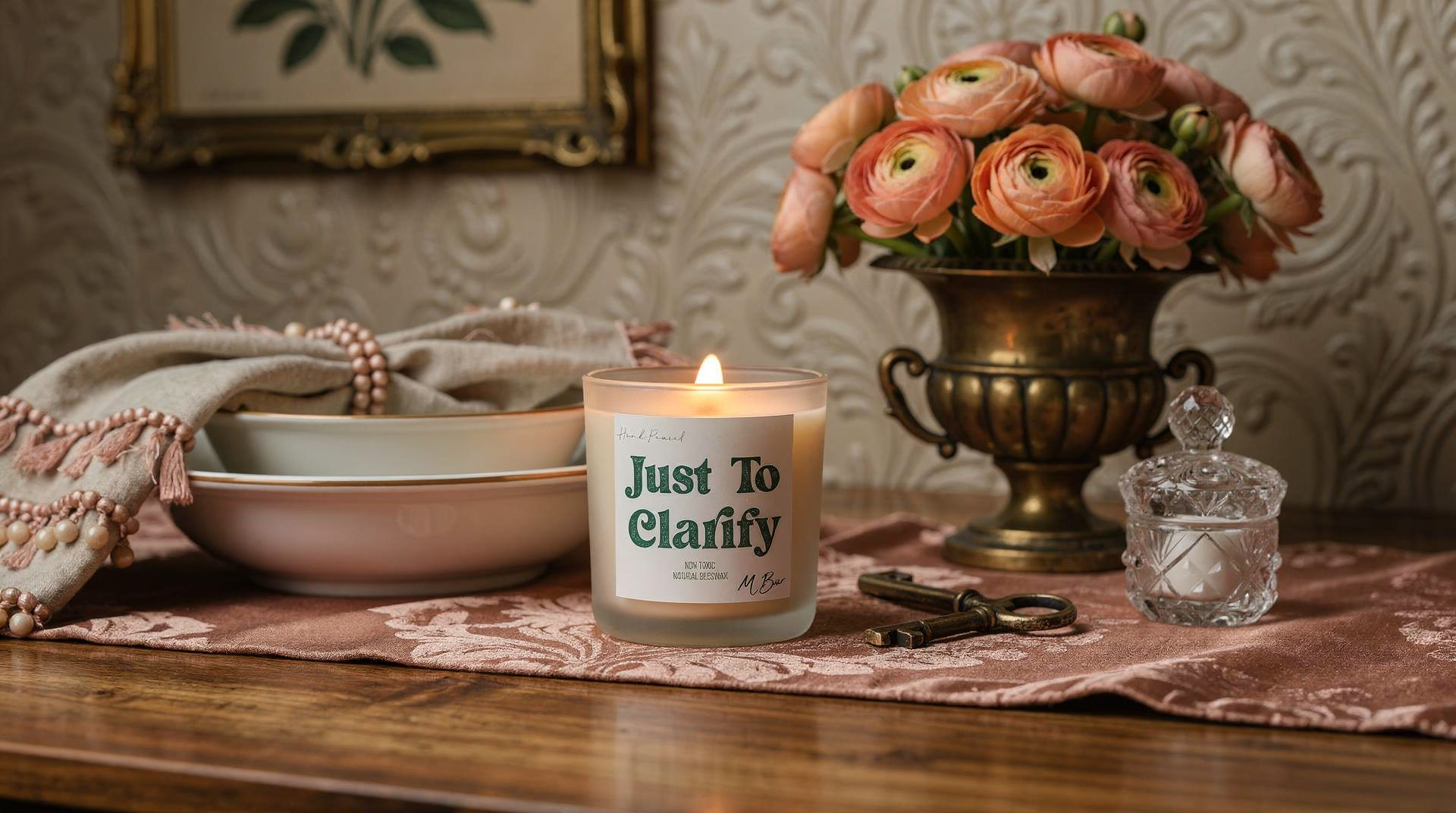
Why beeswax burns steady
Beeswax has the highest melting point of the common candle waxes, around 145 degrees Fahrenheit, so it gives up its fuel slowly and the flame stays calm and even. There is less of the flaring and sputtering you get from a softer wax burning too fast. Paired with an untreated wooden wick, which burns wide and cool, a beeswax candle tends to be one of the more composed flames you can put on a table.
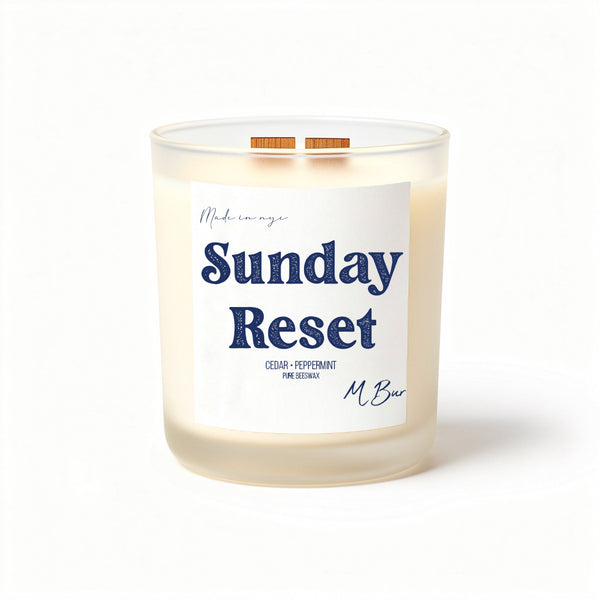
The safety that still applies
None of this means a candle is not a candle. It is an open flame, and the usual rules hold no matter how clean the wax. Keep it away from anything that can catch, like curtains or paper, set it on a stable heat safe surface, keep it out of reach of children and pets, and never leave it burning unattended or while you sleep. Beeswax burns gently, but fire safety is not optional.
A steady, well behaved burn is part of the experience:
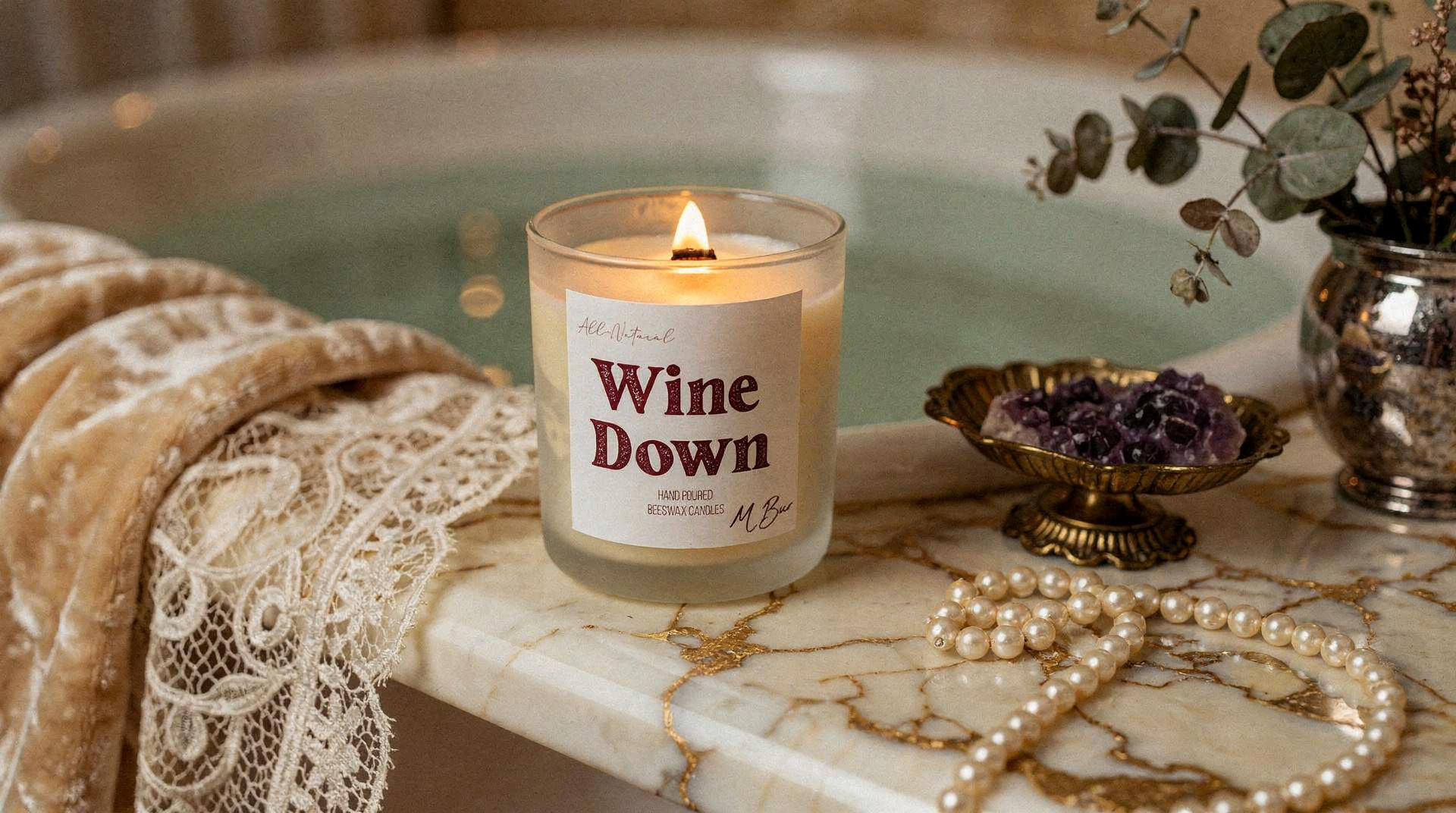
This scent has me in a chokehold. I've tried quite a few scents from them and they all have different vibes. - Tiffany Gordon, Wine Down Candle
Flash point versus everyday burning
To put the flammable question in proper terms, what people are really asking about is something like a flash point, the temperature at which a material's vapors can ignite. Solid beeswax sits well away from that in normal use, which is why a block of it does not catch from a stray spark or sit at risk on a shelf. In a candle, the flame deliberately provides the heat to melt and vaporize a tiny amount of wax at the wick, and only that vapor burns. So beeswax is a fuel by design, but a stable one that needs a wick and a sustained flame to do anything at all, not a material poised to ignite on its own.
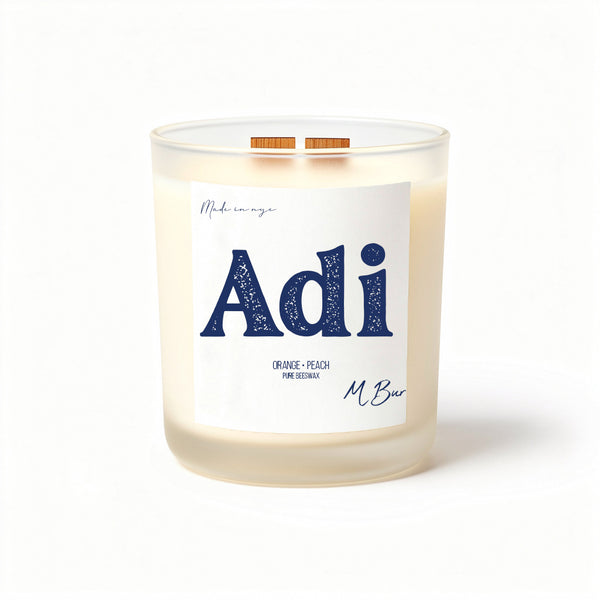
Why beeswax is forgiving to burn
Among waxes, beeswax is one of the more forgiving to have lit in a room. Its high melting point means it gives up fuel slowly, so the flame stays modest and even rather than flaring up the way a faster, softer wax can. It produces very little soot, so there is less smoke in the air. And paired with a wooden wick that burns wide and cool, the whole flame tends to sit calm and well behaved. None of that removes the need for care, but it does mean a beeswax candle is generally a steady, composed flame rather than a temperamental one.
The safety rules that never change
However gentle the wax, a lit candle is an open flame and the basic rules are not optional. Set it on a stable, heat safe surface where it cannot be knocked over. Keep it clear of anything that can catch, like curtains, paper, or bedding. Keep it out of reach of children and pets, and never leave it burning unattended or while you sleep. Put it out if you leave the room for long. Beeswax earns trust by burning cleanly and steadily, but it earns it within these rules, not as an exception to them.
What to do if a candle flares
If a flame ever gets too tall or starts to smoke, that is the candle asking for attention rather than a sign beeswax has turned dangerous. Usually the wick has grown too long or a draft is disturbing the flame. Put the candle out, let it cool, trim the wick back to about a quarter inch, move it away from any moving air, and relight. A steady flame should return. Treating a flare as a simple cue to trim and reposition keeps any candle burning safely and calmly.
Common questions
Is beeswax flammable on its own?
A solid block of beeswax will not easily catch fire by itself. In a candle it acts as fuel, melted by the flame and drawn up the wick to burn as vapor. So it burns in a candle, but it is not the kind of material that ignites at the touch of a spark. As always, treat any candle as an open flame.
Does beeswax burn hotter than other waxes?
The flame is not dramatically hotter, but the wax has a higher melting point, so it burns more slowly and steadily with less sputtering. That even burn is one of the things people like about beeswax.
Are beeswax candles safer than other candles?
They burn cleaner and with very low soot, and the steady flame is easy to manage, which helps. The fire safety basics are the same for every candle, though. Keep it stable, away from anything flammable, and never unattended.
The bottom line
Beeswax is the fuel in a candle, so it burns, but a solid beeswax candle will not spontaneously catch fire, and its high melting point gives a calm, steady flame. Burn it with the same care you would any open flame and it is a clean, well mannered light.
What buyers say:

