

Is Paraffin Wax Toxic? The Chemistry Behind What You're Actually Burning
Is Paraffin Wax Toxic? The Chemistry Behind What You're Actually Burning
Paraffin wax has been the dominant candle material for over 150 years. It's cheap, holds color well, and smells strongly. But here's what most people don't know: paraffin is a petroleum byproduct, a leftover from crude oil refining. When you burn it, you're releasing compounds into your home that chemists have been documenting since the 1990s. The question isn't whether paraffin is toxic. It's whether you know what you're actually inhaling when that candle burns.
What Paraffin Wax Actually Is
Paraffin wax isn't some mysterious chemical soup. It's a real substance with a documented origin. After petroleum refineries extract fuel and other products from crude oil, they're left with a waxy residue. That residue becomes paraffin wax. Manufacturers bleach it, sometimes hydrogenate it, and sell it as candle material because it's abundant and inexpensive. A pound of paraffin costs pennies compared to other wax options.
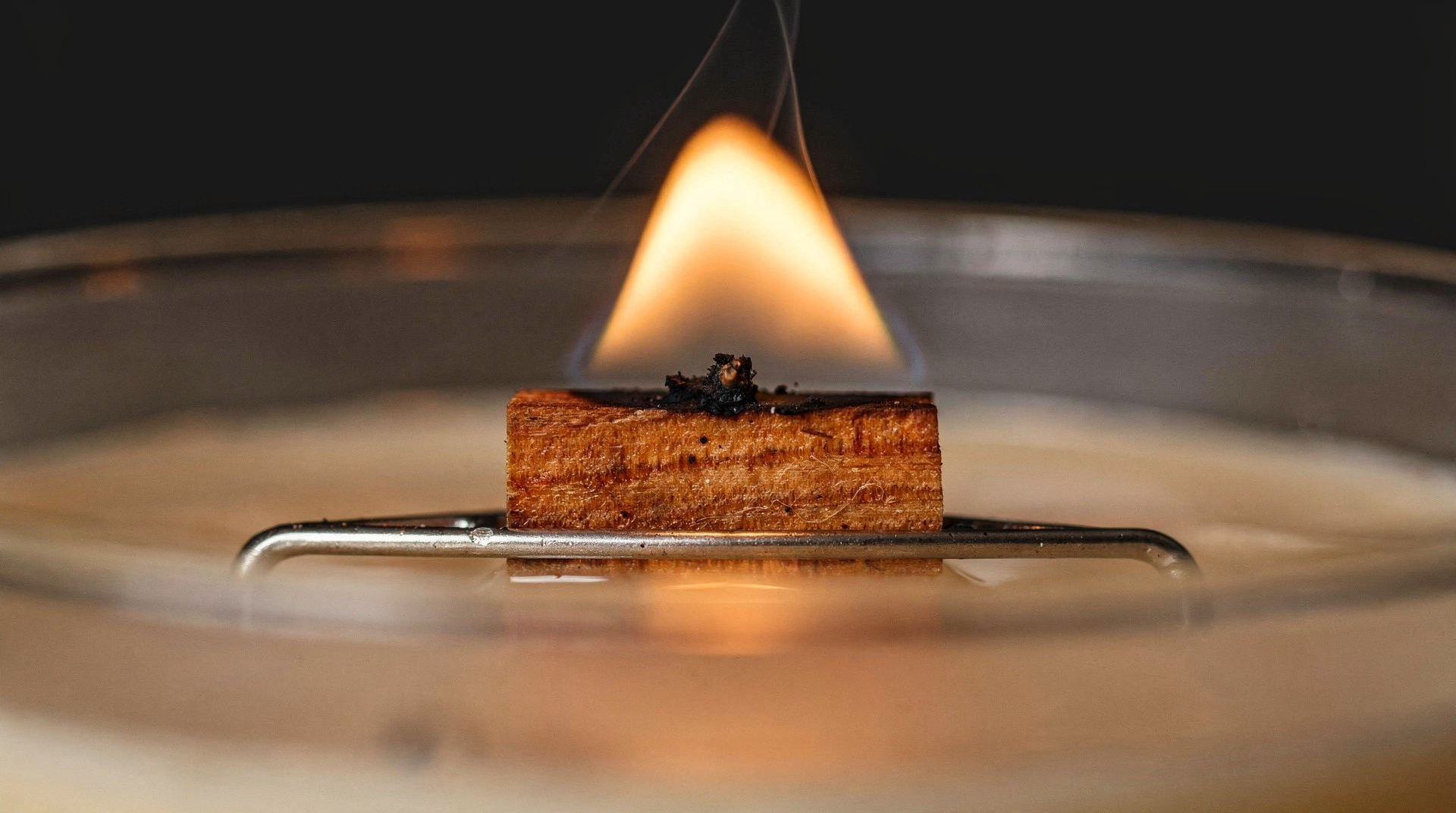
The wax itself is composed of long chain hydrocarbons, typically C20 to C40. When you heat paraffin to its melting point (around 130 to 150 degrees Fahrenheit), it transitions from solid to liquid. When you light a wick in that liquid paraffin, something important happens: the heat causes those hydrocarbons to break apart and vaporize. That's when chemistry becomes your problem.
The Chemical Release: What Happens When You Burn It
Combustion isn't clean when you burn paraffin. The process releases several volatile organic compounds, or VOCs. The ones that matter most are benzene, toluene, and xylene. These aren't small trace amounts. Research published by the South Carolina Department of Health and Environmental Control found that burning paraffin candles releases measurable levels of these compounds into indoor air.
Benzene is classified as a Group 1 carcinogen by the International Agency for Research on Cancer. Toluene exposure has been linked to neurological effects, including headaches and dizziness. Xylene can irritate the respiratory system. These aren't theoretical risks. They're documented, measured, and reproducible.
But there's another culprit that's often overlooked: soot. Paraffin candles produce black soot that coats walls, ceilings, and your lungs. This soot is carbon particles mixed with unburned fuel. A 2009 study from South Carolina found that homes burning paraffin candles regularly had soot deposits on walls and furnishings. That soot isn't just cosmetic. It's fine particulate matter that can lodge deep in your respiratory system.
The Fragrance Problem: Making It Worse
Most paraffin candles are heavily scented. Manufacturers add fragrance oils to mask the petroleum smell. Here's where it gets complicated: many commercial fragrance blends contain phthalates, which are plasticizers that make fragrances stick around longer. Phthalates are endocrine disruptors, meaning they interfere with your hormonal system. The EU banned them in cosmetics. The U.S. restricted them but didn't ban them entirely. They're still common in cheap candle fragrances because they're effective and cheap.
When you burn a scented paraffin candle, you're not just releasing benzene and soot. You're also releasing phthalate laden fragrance into your breathing space. The heat amplifies the release. Some studies have documented that heating phthalate containing fragrances increases their volatilization, meaning more of the chemical enters the air.
Who's Most Affected
If you're burning paraffin candles in a large, well ventilated space and only occasionally, your risk is lower. But certain people face higher risk. People with asthma or chronic obstructive pulmonary disease are sensitive to indoor air quality. Soot and VOCs can trigger attacks. People with migraines report that scented paraffin candles commonly trigger headaches, likely due to toluene exposure. Pregnant women and children have developing respiratory and neurological systems that are more vulnerable to these compounds.
One user reported exactly this: "I absolutely love these candles! I instantly notice the difference in the air quality, in comparison to the Bath and Body Works scented candles. I love Bath and Body's candles but I acknowledge that it caused a slight headache and other minor respiratory discomfort." That's toluene at work. Different wax, different result.
The Myth of "Unscented" Paraffin
Some manufacturers market unscented paraffin candles as a cleaner option. Don't be fooled. Unscented paraffin still releases benzene and produces soot when burned. You're just not adding fragrance chemicals on top of the problem. You've removed one layer of toxicity but left the foundation intact.
Real Data on Indoor Air Quality
The EPA's Indoor Air Quality program has documented that indoor air can be 2 to 5 times more polluted than outdoor air. Burning paraffin candles regularly is one measurable contributor. A study by researchers at the University of Colorado Boulder found that heated paraffin candles released significantly higher levels of volatile organic compounds than other wax types. The researchers specifically tested scented candles and found that the combination of paraffin and fragrance chemicals created compounded air pollution.
Here's what matters: these aren't small laboratory findings. These are reproducible, peer reviewed results. The compounds are real. The doses are measurable. The health implications are documented.
The Better Alternative: Why Beeswax Exists
Beeswax has been used as a light source for over 5,000 years. Ancient Romans used it. Medieval churches burned it because it produced less smoke than tallow. There's a reason it persisted: when beeswax burns, it produces fewer harmful emissions. Beeswax is a naturally occurring polymer that doesn't come from petroleum. It has a higher melting point than paraffin, which means it burns slower and more completely. That complete combustion matters. It means fewer unburned hydrocarbons are released into your air.
When beeswax burns, it actually releases negative ions. These ions can bind to airborne particles and help remove them from breathing space. Some researchers have documented that beeswax candles purify air more effectively than paraffin candles. It's not magic. It's chemistry working in your favor instead of against it.
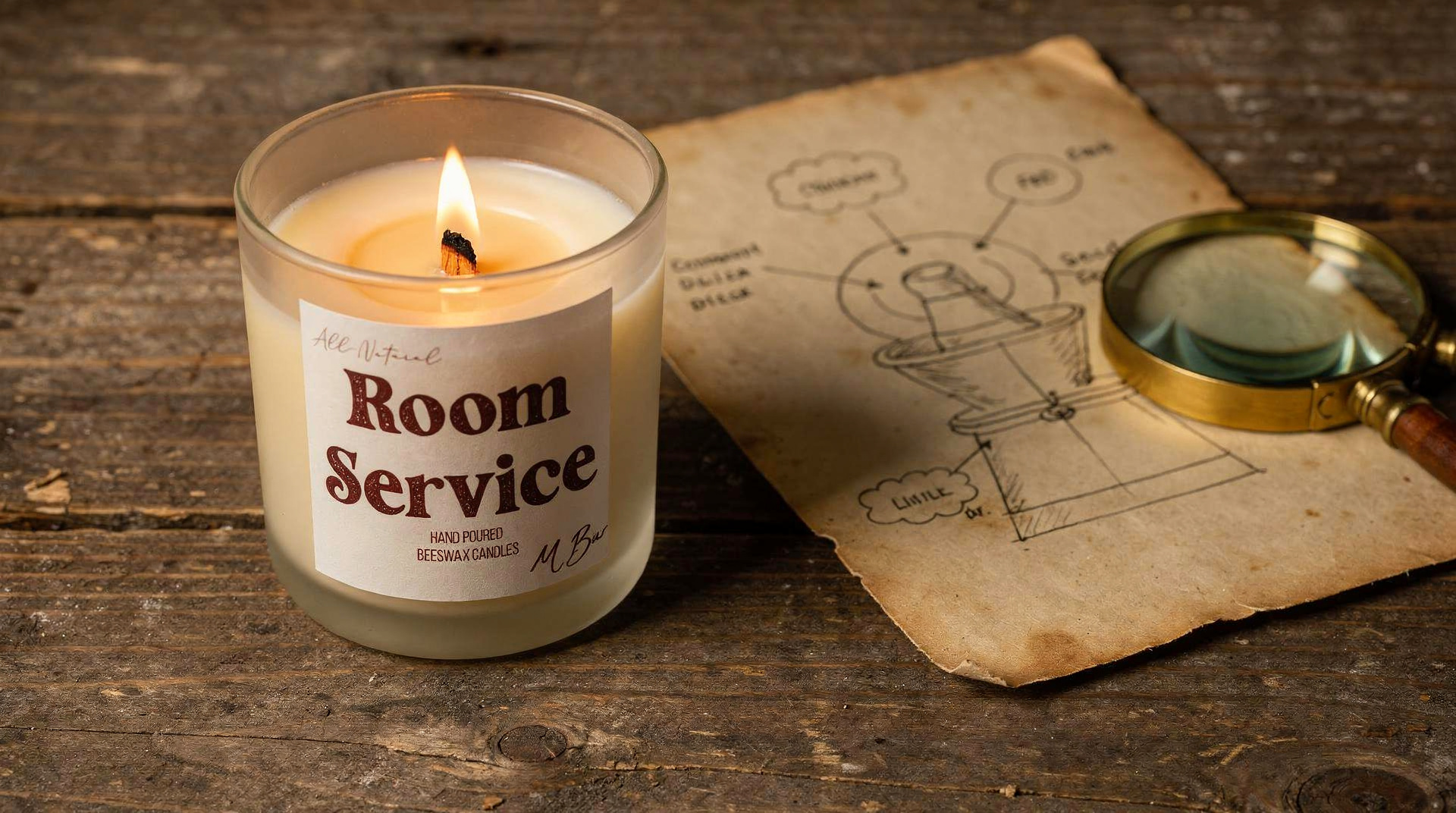
The trade off is cost. Beeswax candles are more expensive than paraffin because beeswax is a natural product with limited supply. It's a byproduct of honey production, which means supply is directly tied to beekeeping. That limitation drives up price. But what you're buying is chemical safety. A pure beeswax candle like Room Service burns for up to 80 hours and produces no soot, no toxic fragrance, and no VOCs beyond the pleasant natural scent.
What About Soy Candles
Soy wax sits in the middle. It's plant based, which sounds great until you learn that most soy wax is blended with paraffin. Pure soy candles exist, but they're rare. When they're pure, soy burns cleaner than paraffin and slower than it would otherwise. However, soy candles still rely on the same fragrance oils as paraffin candles. If that fragrance contains phthalates or other toxic compounds, you're still breathing them. Soy is better than paraffin, but it's not a solution by itself.
How to Protect Yourself If You Use Paraffin
The reality is that paraffin candles are everywhere. They're in hotels, offices, and friends' homes. You can't avoid them entirely. But you can reduce exposure. First, ventilate. Open a window when burning any candle, especially paraffin ones. Second, trim your wick to a quarter inch. A longer wick produces more soot and more incomplete combustion of unburned fuel. Third, don't burn paraffin candles in small, enclosed spaces like bathrooms or bedrooms. Fourth, never sleep with a candle burning. Prolonged exposure in a sealed room is the worst case scenario for accumulating benzene and soot.
Fifth and most important: switch to better alternatives. Beeswax candles with wooden wicks eliminate almost every risk factor. No soot. No petroleum byproducts. No harmful fragrance chemicals if you choose phthalate free scents. The upfront cost is higher, but you're buying actual safety, not just the illusion of it.
Frequently Asked Questions
How much paraffin exposure is dangerous?
There's no established safe threshold for chronic paraffin candle exposure because the research is still emerging. However, the compounds released (benzene, toluene, xylene) are documented toxins at any level. The EPA recommends minimizing exposure to known carcinogens. This means paraffin candles aren't recommended for regular use, especially not in bedrooms or small spaces.
Can you get sick from burning paraffin candles?
Yes. Many people report headaches, dizziness, and respiratory irritation from paraffin candles, especially scented ones. If you're experiencing these symptoms when burning candles, switch to a cleaner wax like beeswax. The symptoms usually disappear within days.
Is one paraffin candle harmful?
Burning a single paraffin candle won't cause acute poisoning. But it does release measurable toxins into your air. Chronic exposure is the real concern. Burning paraffin candles regularly, day after day, accumulates these compounds in your home and lungs.
Why do candle makers still use paraffin if it's toxic?
Cost and marketing. Paraffin is cheap. It holds dyes and fragrances easily. Manufacturers can sell it for $10 to $15 per candle while spending less than $1 on materials. Beeswax costs more upfront, which limits profit margins. Most manufacturers prioritize profit over your air quality.
Does beeswax really purify air?
Beeswax releases negative ions when burned, which can bind to airborne pollutants and help remove them. This has been documented in peer reviewed research. However, it's not a replacement for proper ventilation or air filtration. It's an additional benefit, not a cure all.
The Bottom Line
Paraffin wax is toxic. It releases benzene, toluene, and xylene into your air. It produces soot that deposits on surfaces and in your lungs. When combined with chemical fragrances containing phthalates, the problem compounds. This isn't controversial in chemistry circles. It's documented fact. The controversy exists only in marketing, where the candle industry prefers not to acknowledge these realities.
You have better options. Beeswax candles burn cleaner, last longer, and don't fill your home with petroleum byproducts. They cost more upfront because they're actually made from real materials instead of industrial waste. But what you're buying is the ability to breathe safely in your own home. That's worth the price difference.
Shop the full MBur beeswax candle collection — 100% beeswax, phthalate free fragrance, wooden wicks
Related reading: