

Is a Pricier Candle Worth It If It Smells the Same? An Honest Take
You sniff two candles, one twice the price of the other, and they smell about the same. So why pay more? It is a fair question, and the honest answer is that scent on first sniff is only one part of what you are buying, and often not the part that separates a good candle from a cheap one. What you cannot smell, the wax, the burn time, and what goes into your air, is usually where the real difference lies. Here is an honest breakdown. We make 100% beeswax candles, and the full collection is here as you read.
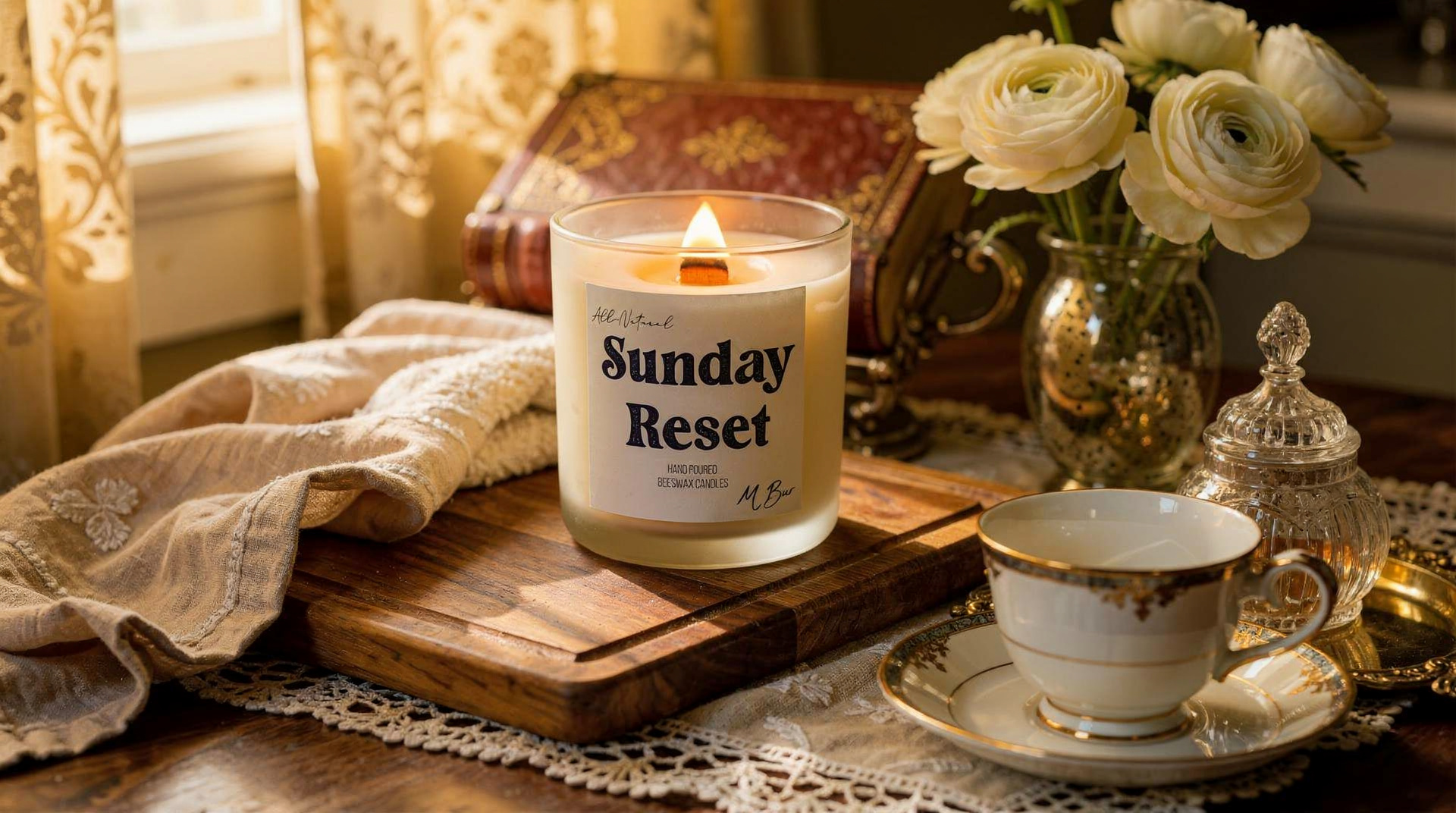
Scent on a shelf is not the whole product
A quick sniff tells you what a candle smells like cold, unlit, on a shelf, which is genuinely only a fraction of the experience. It does not tell you how the scent throws when burned, how it holds up over hours, or how clean the burn is. Two candles can smell similar cold and behave completely differently once lit, one filling a room evenly for hours, the other fading fast or smoking. So judging by a shelf sniff alone misses most of what actually matters. The cheaper candle might smell the same and still be the worse buy.
What you are actually paying for
The real differences between a cheap candle and a better one are usually the things you cannot smell in the store. The wax matters, since a clean wax like beeswax burns cleaner and longer than cheap paraffin. The burn time matters, since a denser, higher-quality candle lasts far longer. The fragrance quality and safety matter, since a phthalate-free disclosed fragrance is different from a cheap conventional one, even if they smell alike cold. And the wick matters for an even burn. Those are what a higher price often reflects, not just the scent.
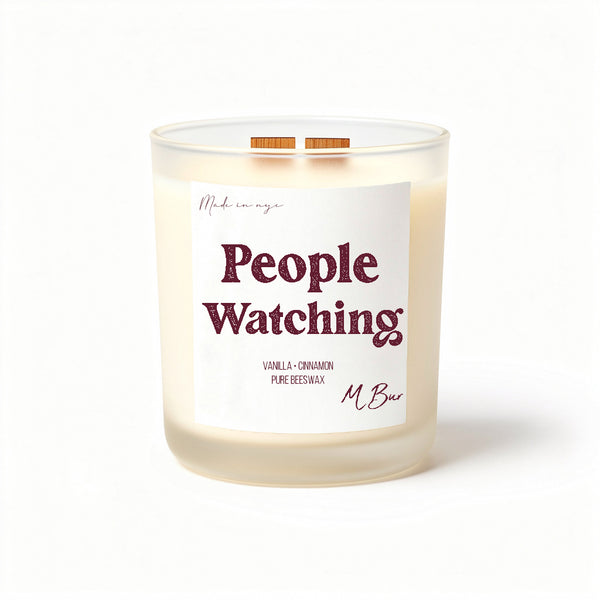
The cost-per-hour that changes everything
Here is the calculation that reframes the whole question. A candle's real cost is not the sticker price, it is the price divided by how many hours it burns. A cheaper candle that burns fast can cost more per hour than a pricier one that lasts, so the bargain candle is not always the cheaper candle. Beeswax makes this vivid, since it has the highest melting point of the common waxes and burns slowly, so a beeswax candle delivers far more hours than a soft, fast-burning cheap one. Measured by cost per hour, the pricier candle is often the better value, even at the same scent.
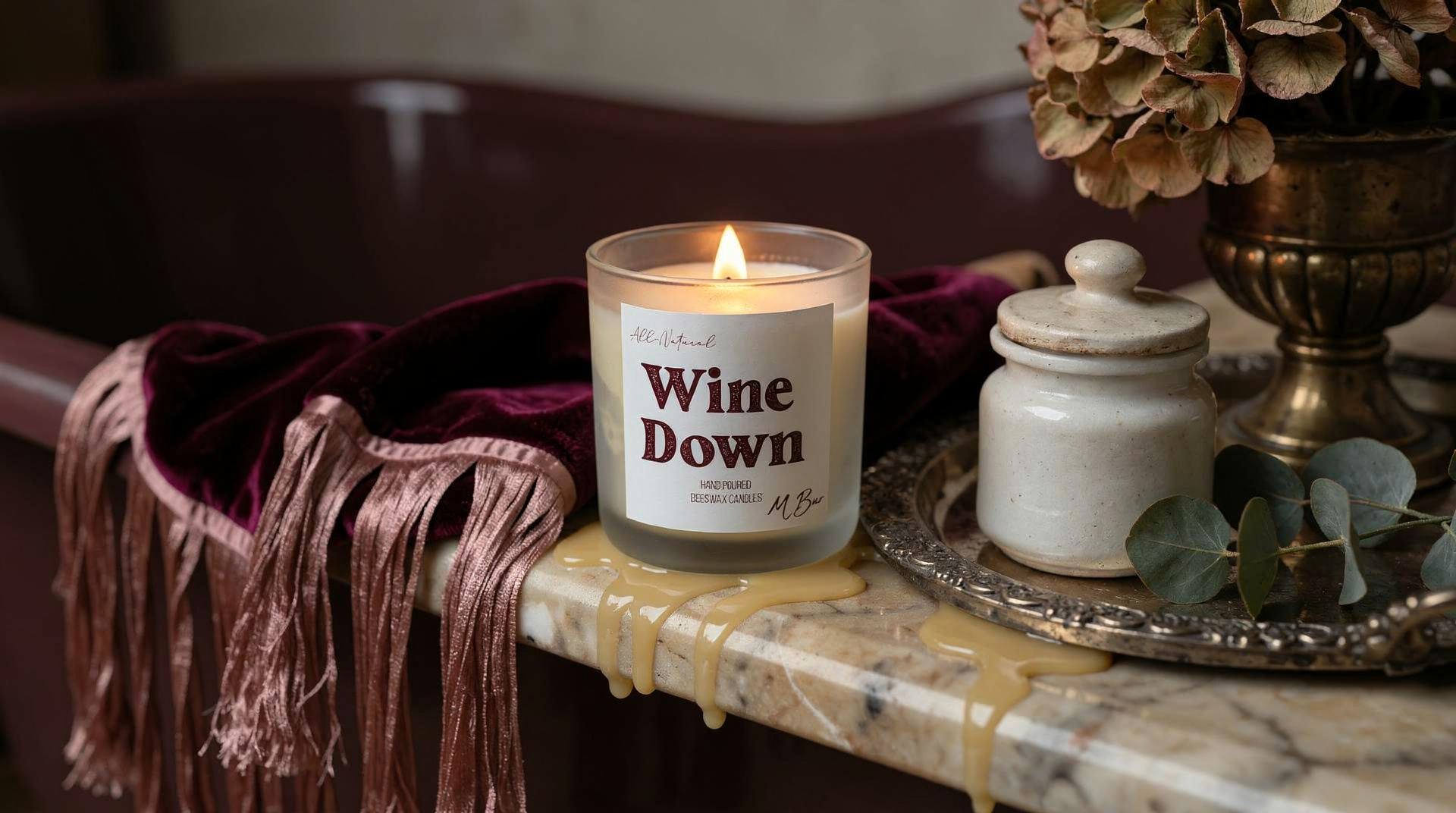
What is in your air is worth paying for
Two candles that smell identical cold can put very different things into your air when burned. A cheap paraffin candle with an undisclosed fragrance adds more soot and an unknown fragrance load, while a clean beeswax candle with a phthalate-free fragrance burns cleaner and tells you what is inside. That difference does not show up in a shelf sniff, but it shows up in the air of the rooms you live in. For a lot of people, paying a bit more for a cleaner candle they burn often is worth it precisely because of what they are not breathing.
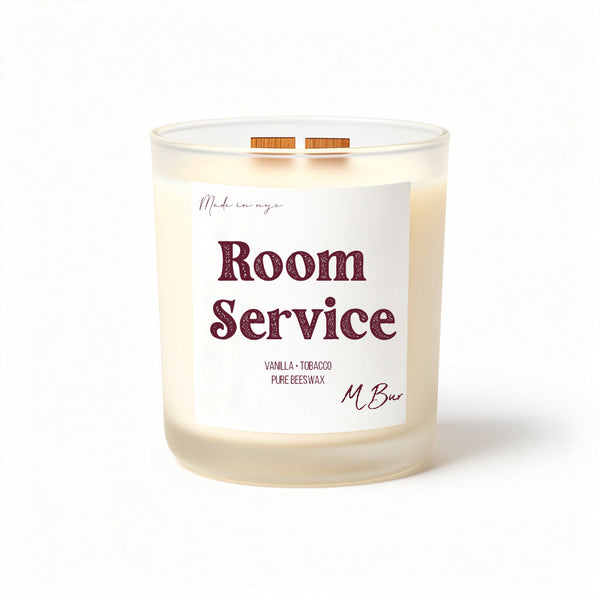
When the cheaper candle is fine
To be fair, the pricier candle is not always worth it, and it is worth saying so. If you want a candle for occasional decoration you will rarely burn, or the scent is genuinely all you care about for a one-off, a cheaper candle can be perfectly fine. Price does not automatically equal quality either, since a costly candle can still be a paraffin blend with a fancy label, which is why you check the wax and fragrance rather than the price tag. The point is not that expensive is always better, it is that scent alone does not tell you which is.
How to judge value properly
Putting it together, judge a candle on more than a shelf sniff. Check the wax, favoring clean options like 100% beeswax. Check the stated burn time and work out the rough cost per hour. Check that the fragrance is phthalate-free and disclosed. And treat the scent as one factor among several, not the whole decision. Do that, and you will often find that a candle costing a bit more is the better value once you account for how long it lasts and how cleanly it burns, even when a cheaper one smells much the same.
| What you smell | What you do not smell |
|---|---|
| Cold scent on the shelf | How it throws when burned |
| First impression | Burn time and cost per hour |
| The fragrance | The wax and what it adds to your air |
| Similar between two candles | Often where the real difference is |
The long, honest burn is where value shows:
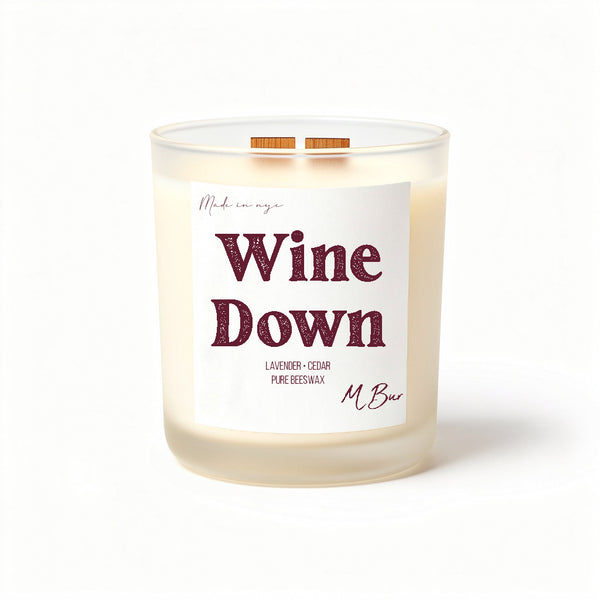
Candle burned slowly and was exactly the amount of hours the company said. Well worth it. - Portia D., verified buyer
Common questions
Is a more expensive candle worth it if it smells the same?
Often yes, because scent on a shelf is only part of the product. A pricier candle frequently burns longer, cleaner, and with a better fragrance and wick, differences you cannot smell cold but that show up when burned. Measured by cost per hour and what it adds to your air, the pricier candle is often the better value. See clean, long-burning options in the collection.
What makes an expensive candle better than a cheap one?
Usually the things you cannot smell in the store: a cleaner wax like beeswax, a longer burn time, a phthalate-free disclosed fragrance, and a wick that burns evenly. Two candles can smell alike cold and burn completely differently. That said, price alone does not guarantee quality, so check the wax and fragrance rather than the price tag.
How do I know if a candle is worth the price?
Look past the scent. Check the wax, favoring clean options like 100% beeswax, work out the rough cost per hour from the stated burn time, and confirm the fragrance is phthalate-free and disclosed. A candle that lasts longer and burns cleaner can be better value even at a higher price, while a costly paraffin candle may not be worth it.
The bottom line
Whether a pricier candle is worth it comes down to what you cannot smell on a shelf: the wax, the burn time, the fragrance quality, and what it puts into your air. Measured by cost per hour and cleanliness, a more expensive candle is often the better value, even at the same scent, though price alone is no guarantee, so judge by the wax and fragrance rather than the tag.

