

Hypoallergenic Candles: What Allergy Sufferers Should Look for Before They Buy
Anyone with allergies learns to read a room by its air, and a candle can change that air fast. If a scented candle has ever left you sneezing, stuffy, or with a tight head, the question makes sense: are candles bad for allergies, and is there a version you can actually live with? The honest answer is that candles do not cause allergies, but the wrong one can set off symptoms you already have. A clean, low fragrance beeswax candle is a different experience from a heavy paraffin one. Here is what to look for. We make 100% beeswax candles, and the full collection is here as you read.
Why candles trigger allergy symptoms
An allergy or a sensitivity means your system already overreacts to certain things in the air. A candle can add to the load in two main ways. Soot, the fine particulate that paraffin produces more of, gives irritated airways one more thing to react to. Fragrance is the bigger one, because scent is among the more common triggers for sensitive people, and a heavy or undisclosed fragrance is the usual offender.
So a candle does not give you an allergy. It can, if it is sooty or strongly fragranced, make an existing one flare. That distinction is the whole key to choosing well.
What hypoallergenic actually means
You will see beeswax called naturally hypoallergenic, and it is worth being precise about that word. Hypoallergenic means less likely to cause a reaction, not incapable of causing one. Beeswax earns the description because it is a single clean ingredient that burns with very little soot and carries no added dyes or undisclosed chemicals. That is a genuinely lower irritant starting point than paraffin, but no candle can promise zero reaction for everyone.
One honest caveat: beeswax is a bee product. If you have a known allergy to bee products or severe pollen allergies, treat a beeswax candle with the same care you would any new exposure, and introduce it to the room slowly the first time. For most people this is a non issue, but it is worth saying.
What to look for if you have allergies
The checklist is short. Choose 100% beeswax over paraffin to cut the soot. Go light on fragrance, or unscented, since scent is the more common trigger. Make sure the scent is clearly listed so nothing is a surprise, and ventilate the room while you burn. A candle chosen this way is far less likely to irritate than a heavy, undisclosed paraffin one.
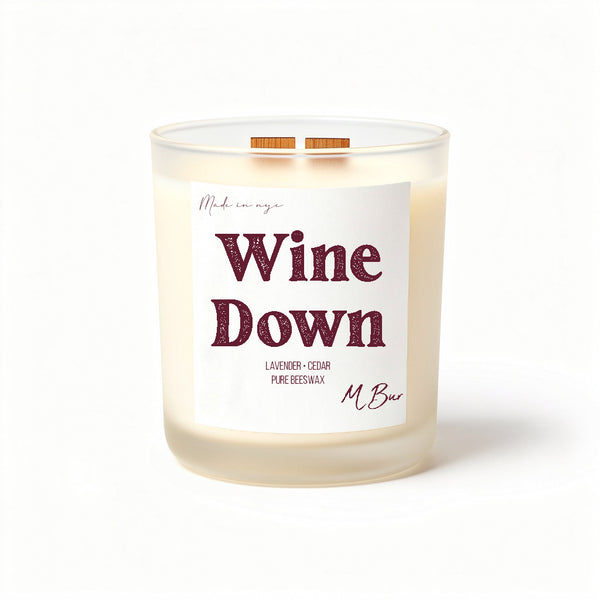
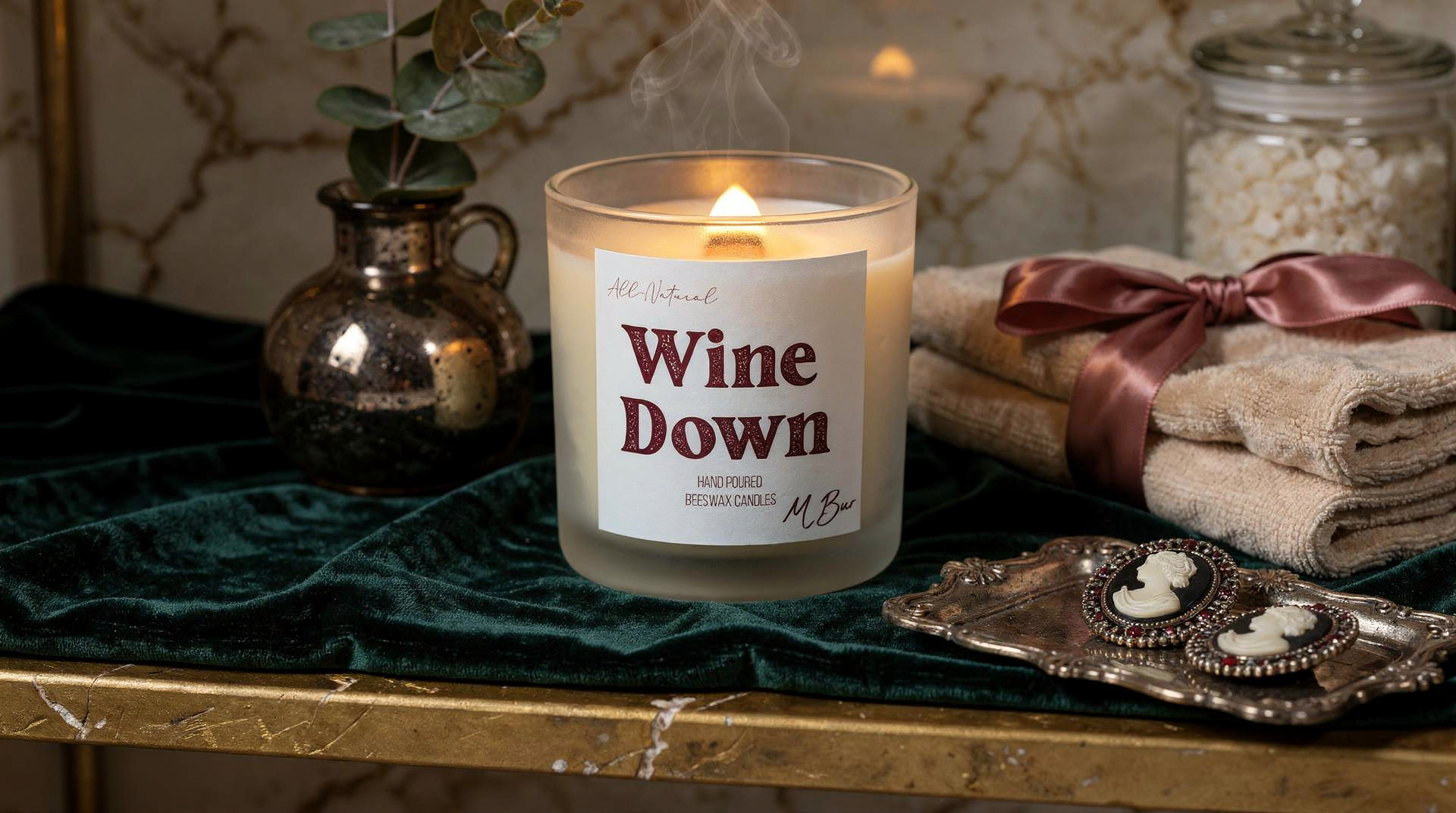
For sensitive noses, the lighter MBur scents tend to be the easy starting point, and plenty of allergy prone customers land on Wine Down for exactly that reason, since it is soft and clean rather than loud. On a bad allergy day, unscented is the safest choice of all. The collection lists every note in full.
Candles for allergy sufferers, compared
| Factor | Heavy paraffin candle | Clean beeswax candle |
|---|---|---|
| Soot | More particulate | Very little |
| Fragrance | Often heavy, undisclosed | Light or none, clearly listed |
| Dyes and additives | Common | None |
| Effect on existing allergies | More likely to flare | Less likely to irritate |
| Control on a bad day | Little | Switch to unscented |
One thing worth saying plainly: if you have serious allergies, asthma, or a known fragrance sensitivity, your doctor or allergist is the right person to guide what is safe for you, and a candle choice does not replace that. A cleaner candle can lower the irritation in a room, but it is not a treatment for the allergy itself.
Sensitive customers tend to describe the difference the same way. As one put it:
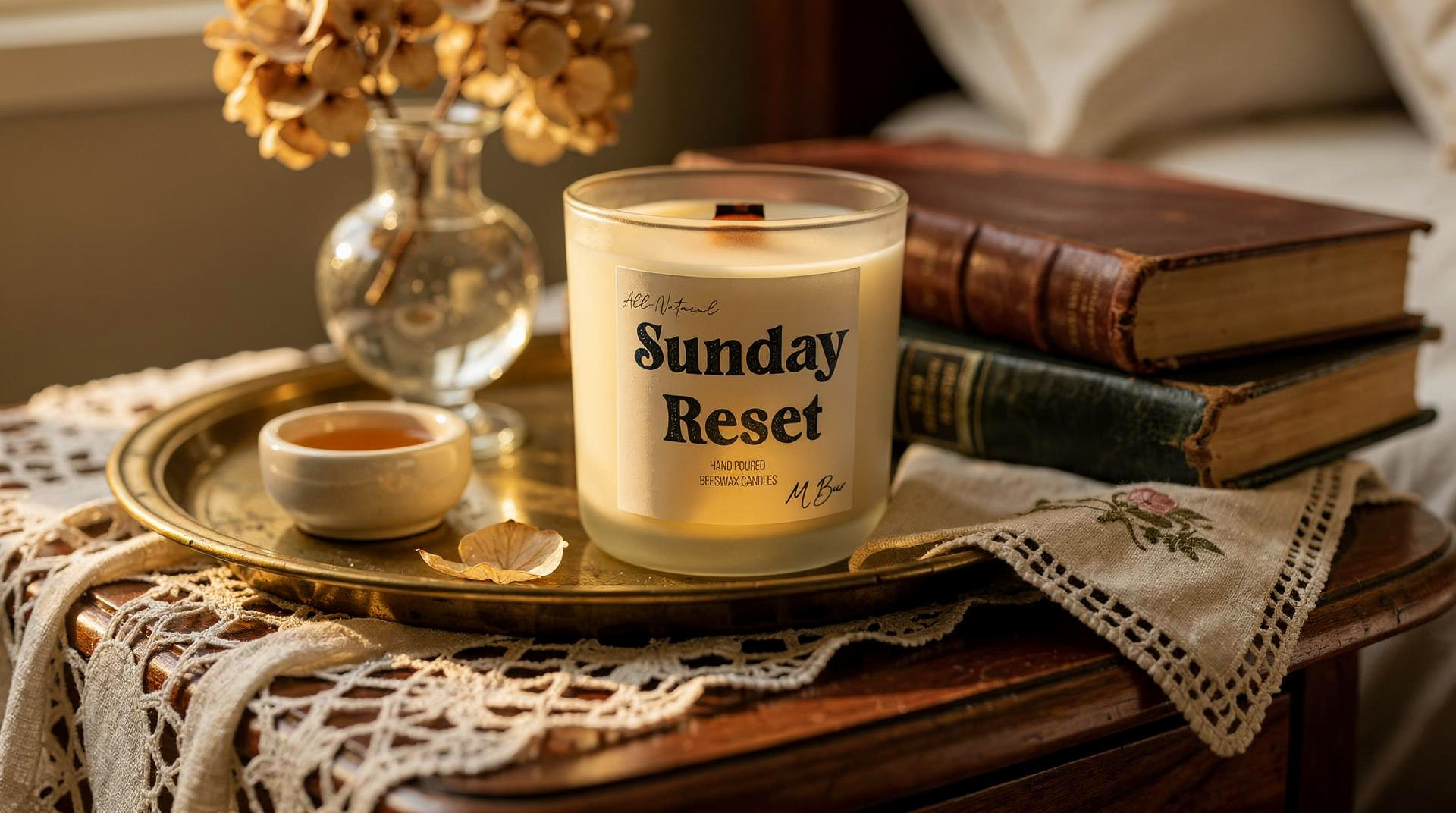
The scent is so light and clean, not overpowering at all, which is exactly what I look for. A lot of other candles tend to give me headaches, but this one was different. - Nicole D., Sunday Reset Candle
So, are candles bad for allergies?
Not by themselves, but a sooty or heavily fragranced one can make existing allergies flare. The fix is a clean, lightly scented or unscented 100% beeswax candle, burned in a ventilated room. It will not cure anything, and no candle is reaction free for absolutely everyone, but it is a far lower irritant than the paraffin candle that probably set you sneezing in the first place. Choose carefully and candlelight stays on the table.
Browse the full MBur beeswax collection, 100% beeswax with clearly listed scents and unscented options for sensitive days.
Common questions
Can scented candles trigger allergies?
They can trigger symptoms in someone who already has allergies or a fragrance sensitivity, usually through soot or a heavy undisclosed fragrance. They do not create an allergy you did not have. Choosing a clean beeswax candle with a light, clearly listed scent, or unscented, lowers the chance of a flare. The collection shows what is in each one.
Are beeswax candles hypoallergenic?
Beeswax is often called hypoallergenic because it is a single clean ingredient, burns with little soot, and has no added dyes or undisclosed chemicals, which makes it less likely to trigger a reaction than paraffin. That said, hypoallergenic means lower risk, not zero, and beeswax is a bee product, so anyone with a bee or pollen allergy should be cautious. For most sensitive people it is a noticeably gentler option.
What candles are best for allergy sufferers?
An unscented or very lightly scented 100% beeswax candle is the most cautious choice, since it keeps soot low and fragrance minimal. If you want a gentle scent, the lighter MBur options like Wine Down are popular with sensitive noses. On a high pollen day, default to unscented and good ventilation.
The bottom line
Candles will not give you allergies, but the heavy sooty ones can stir up the ones you have. Reach for clean beeswax, keep the scent light or skip it, ventilate, and let a rough day decide whether you burn anything scented. For the allergies themselves, your allergist beats any candle label.
What buyers say:

