

Are Scented Candles Bad for Sinuses? What Congestion-Prone People Should Know
If your sinuses act up, you become unusually aware of the air in a room, and a strong candle is one of the first things you notice. The fair question is whether candles make congestion worse or whether you can still enjoy them. The honest answer is that a candle will not fix your sinuses, and a heavy, sooty one can irritate them, but a clean and lightly scented candle is usually no trouble at all. Here is what actually bothers sensitive sinuses, and how to keep candles around without the headache. We make 100% beeswax candles, and the full collection is here as you read.
What actually bothers sinuses
When your sinuses are inflamed, the tissue reacts more readily to anything irritating in the air. Two things in a candle tend to be the culprits. The first is soot, the fine particulate a paraffin candle gives off more of. The second is fragrance, especially a heavy or undisclosed one, which can feel sharp to an already irritated nose.
Neither of these is unique to sinus sufferers, but you feel them sooner and more strongly than someone whose sinuses are calm. That is why the fix comes down to reducing irritants rather than giving up candles entirely.
The eucalyptus question
A lot of people reach for eucalyptus or mint scents when they are stuffy, because that cool, sharp note feels clearing. It is worth being honest about what that is. A candle is not a decongestant, and the scent will not drain your sinuses the way a steam bowl or saline rinse might. What some people genuinely enjoy is the sensory feeling of a eucalyptus or peppermint scent when they are congested, which is a comfort thing rather than a medical one. If you like it, enjoy it for what it is, and do not expect it to do more.
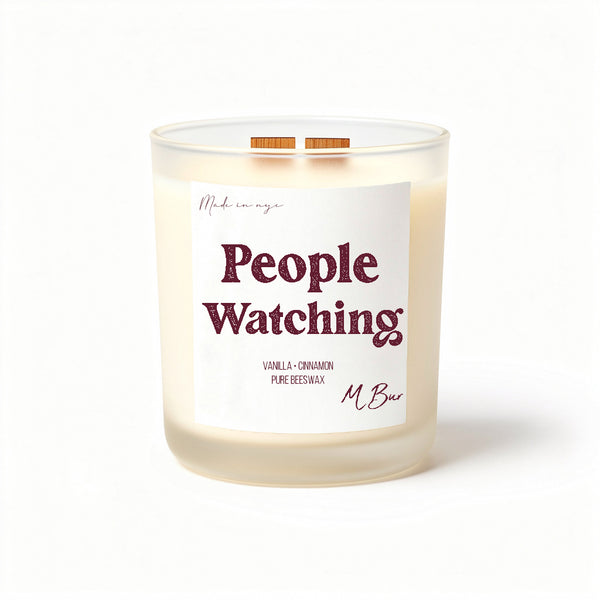
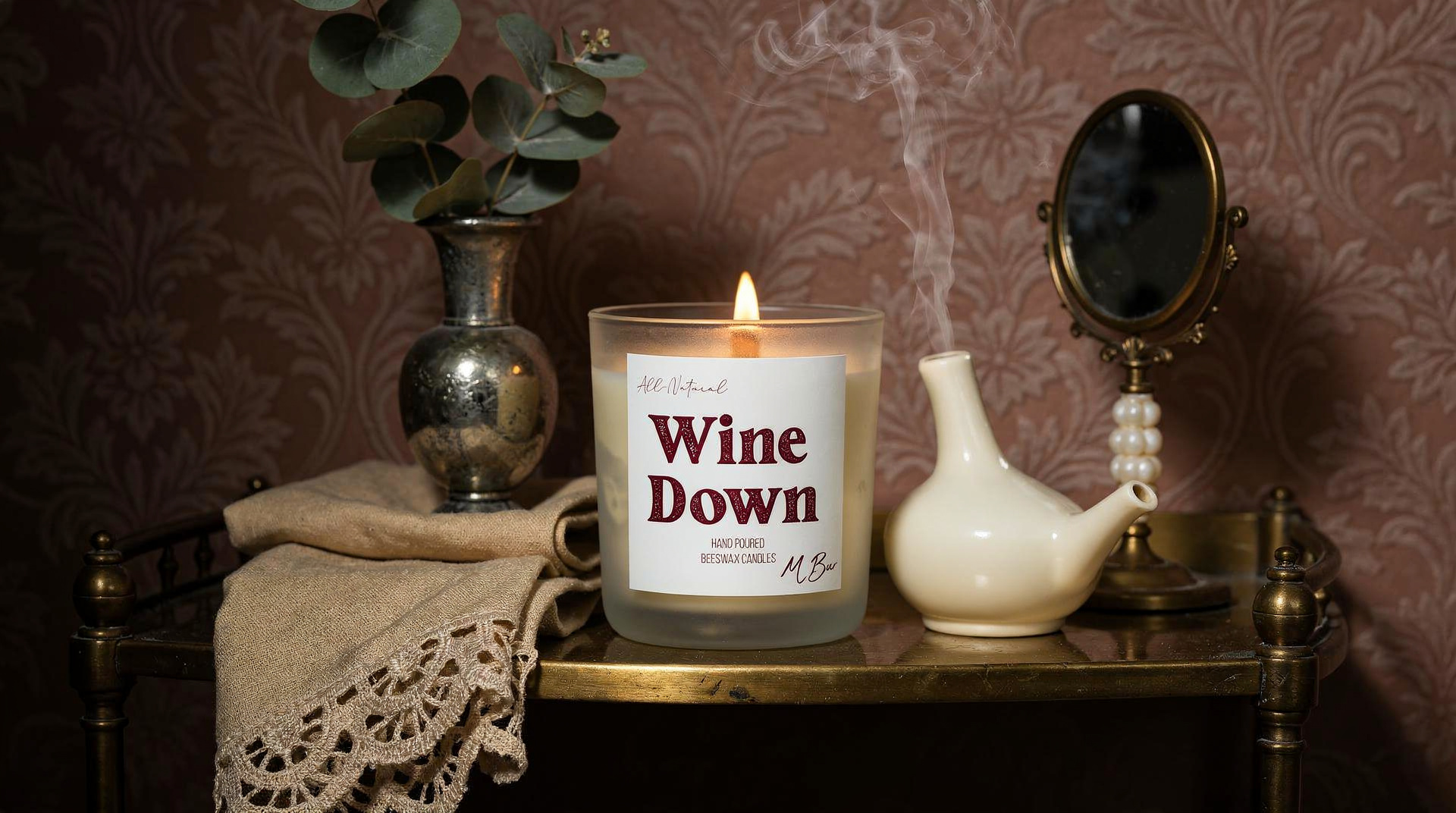
How to keep candles with sensitive sinuses
The approach is simple once you know what irritates. Choose 100% beeswax over paraffin so there is far less soot in the air. Keep the scent light, or go unscented if even mild fragrance bothers you on a bad day. Ventilate the room, and trim the wick so the flame burns clean rather than smoking. A clean candle treated this way is much less likely to irritate sensitive sinuses than a heavy paraffin one in a closed room.
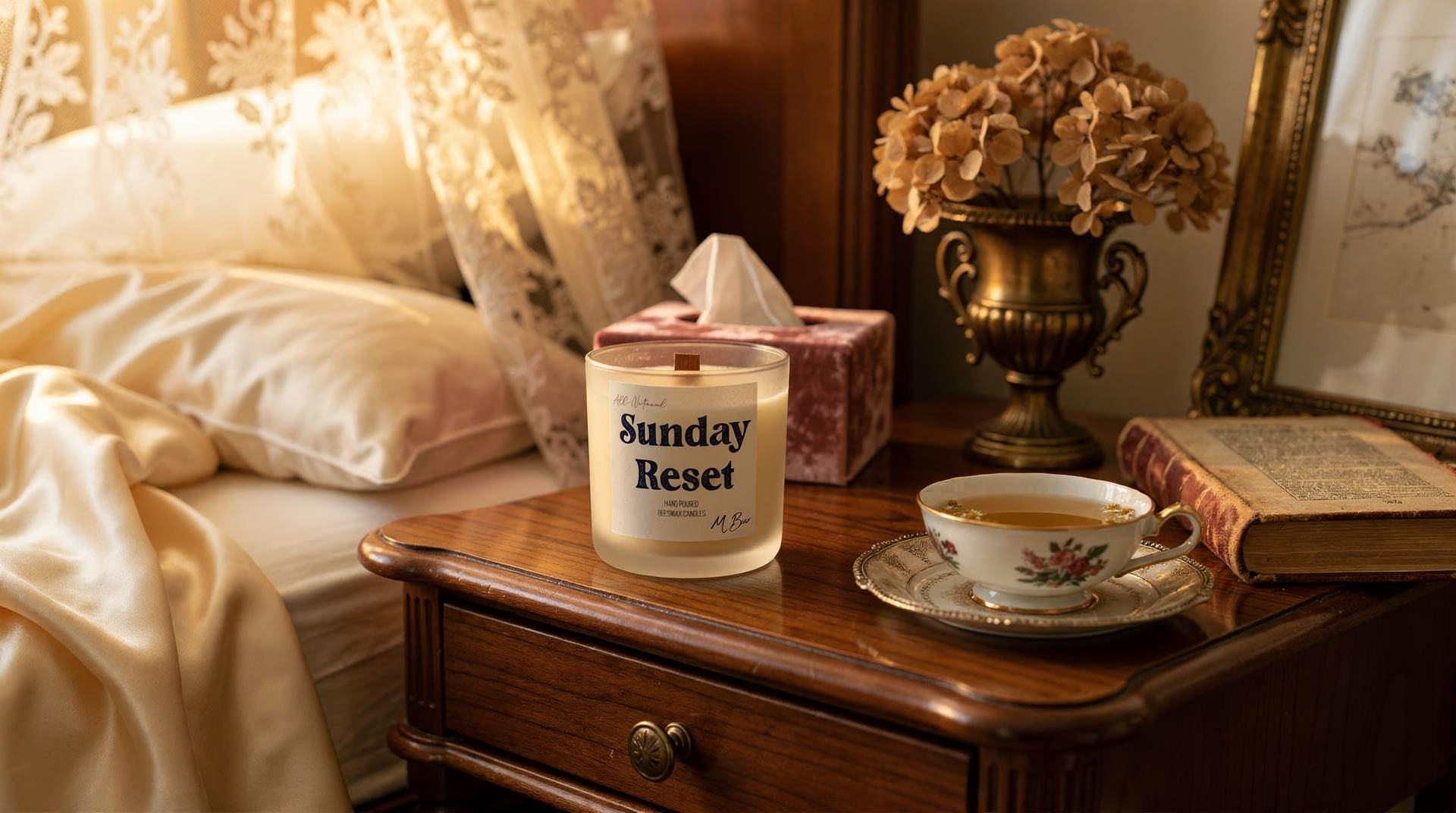
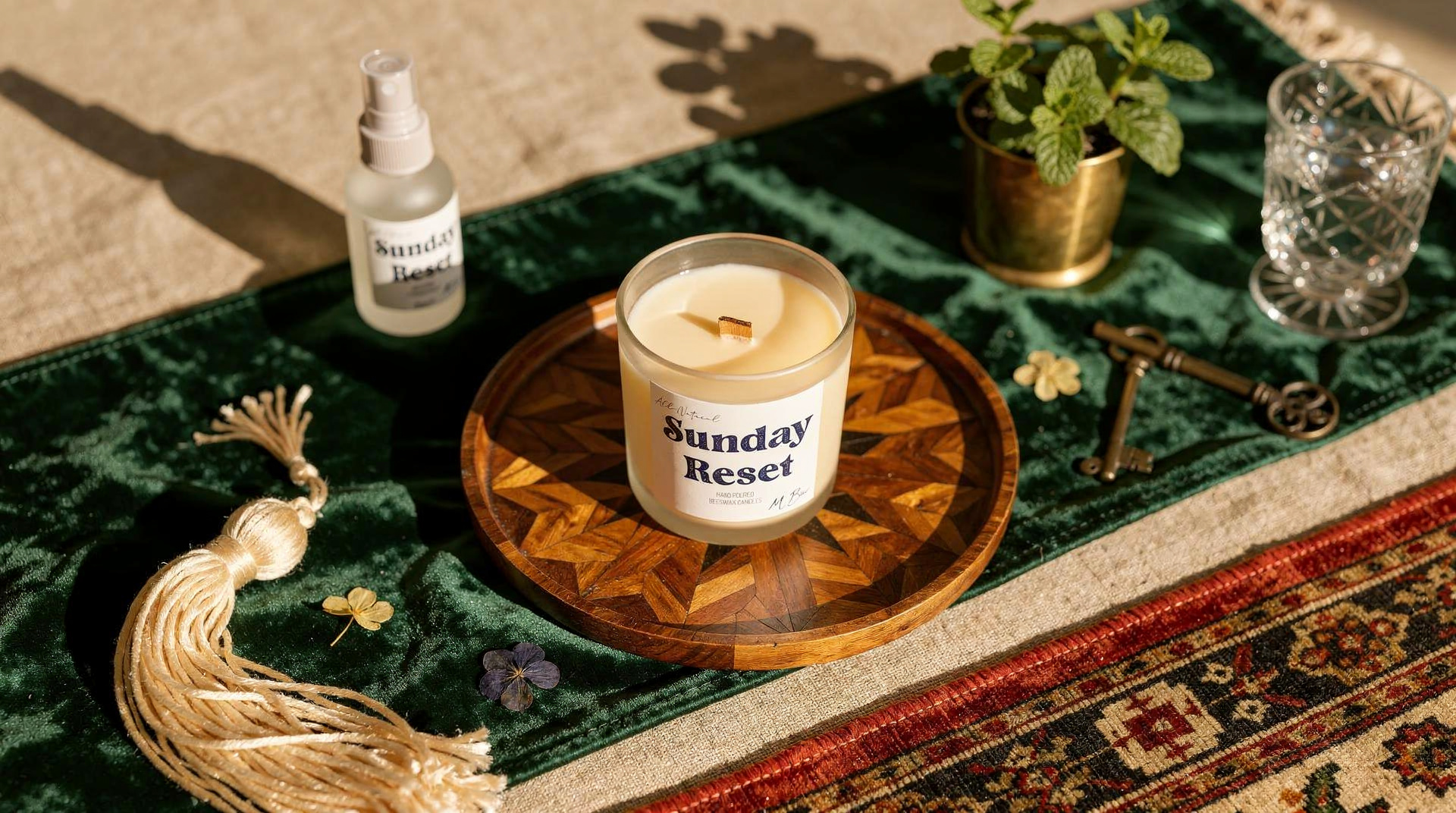
If you do want scent and enjoy that clearing feel, Sunday Reset leans on eucalyptus and peppermint for exactly that sensory note, while staying a clean beeswax candle. On a rough sinus day, unscented is always the safest call. The collection lists every scent in full, so nothing catches you off guard.
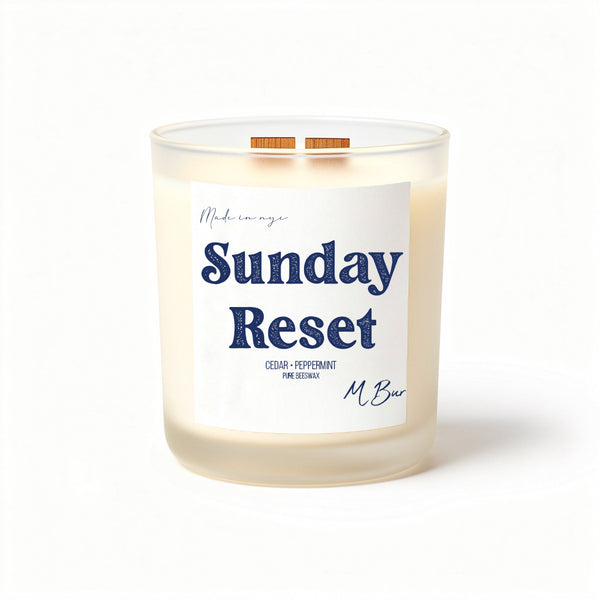
Candles for sensitive sinuses, compared
| Factor | Heavy paraffin candle | Clean beeswax candle |
|---|---|---|
| Soot | More particulate | Very little |
| Fragrance | Often heavy, undisclosed | Light or none, clearly listed |
| Effect on irritated sinuses | More likely to irritate | Less likely to irritate |
| Control on a bad day | Little | Switch to unscented |
| What you can verify | Very little | The full ingredient list |
One thing worth saying plainly: ongoing sinus problems, frequent congestion, or sinusitis are worth a conversation with your doctor, not a candle decision. A clean candle can be more comfortable to be around, but it is comfort, not treatment, and it will not address whatever is causing the congestion.
People sensitive to scent tend to notice the difference quickly. One buyer put it simply:
I love these candles. No headache or feeling nauseous like the Bath & Body candles with all the extra chemicals. - Jason H., Sunday Reset Candle
So, are candles bad for your sinuses?
Not on their own. A clean, lightly scented or unscented beeswax candle is usually fine even for sensitive sinuses, while a heavy, sooty paraffin one in a closed room is the kind that brings on the pressure and the headache. Choose beeswax, keep the scent light, ventilate, and switch to unscented on the bad days. That is all it takes to keep candlelight without the sinus tax.
Browse the full MBur beeswax collection, 100% beeswax with clearly listed scents and unscented options for sensitive days.
Ventilation makes the difference
One simple thing helps more than people expect, and that is moving air. Even a clean candle puts a little something into the air, and a closed, stuffy room concentrates it, while a bit of fresh air clears it. Cracking a window or running a fan keeps the air moving so nothing builds up around your already sensitive sinuses. It is the same reason a candle feels fine in an open living room but heavier in a small closed bedroom. Pair a clean beeswax candle with a little ventilation and most sinus complaints quietly disappear.
Common questions
Can scented candles cause sinus congestion?
A heavy or sooty candle can irritate already sensitive sinuses and make congestion feel worse, though a clean, lightly scented candle usually does not. The irritants to avoid are paraffin soot and strong undisclosed fragrance. Beeswax with a light, clearly listed scent, or unscented, is the gentler choice. The collection shows what is in each one.
Do eucalyptus candles help with sinuses?
Many people find the eucalyptus or peppermint scent pleasant and feel it helps them breathe a little easier, but a candle is not a decongestant and will not drain your sinuses. Treat it as a comfort rather than a remedy. If you enjoy that note, Sunday Reset has it in a clean beeswax base.
What candles are best if I have sinus issues?
An unscented or very lightly scented 100% beeswax candle is the most comfortable choice, since it keeps soot low and fragrance minimal. Beeswax burns far cleaner than paraffin, which matters most when your sinuses are already irritated. On a bad day, default to unscented and good ventilation.
The bottom line
Candles are not inherently bad for your sinuses, but the heavy sooty ones can irritate them. Switch to clean beeswax, keep the scent light or skip it, ventilate, and let a rough day decide whether you burn anything scented at all. For the congestion itself, your doctor is the right call, not the candle aisle.
What buyers say:

