

How to Safely Handle Smelly Oily Rags
A chemical or oily smell from a pile of used cleaning rags is more than unpleasant, since oily and solvent-soaked rags can spontaneously combust. So the priority is drying and storing or disposing of them safely, not just masking the smell.
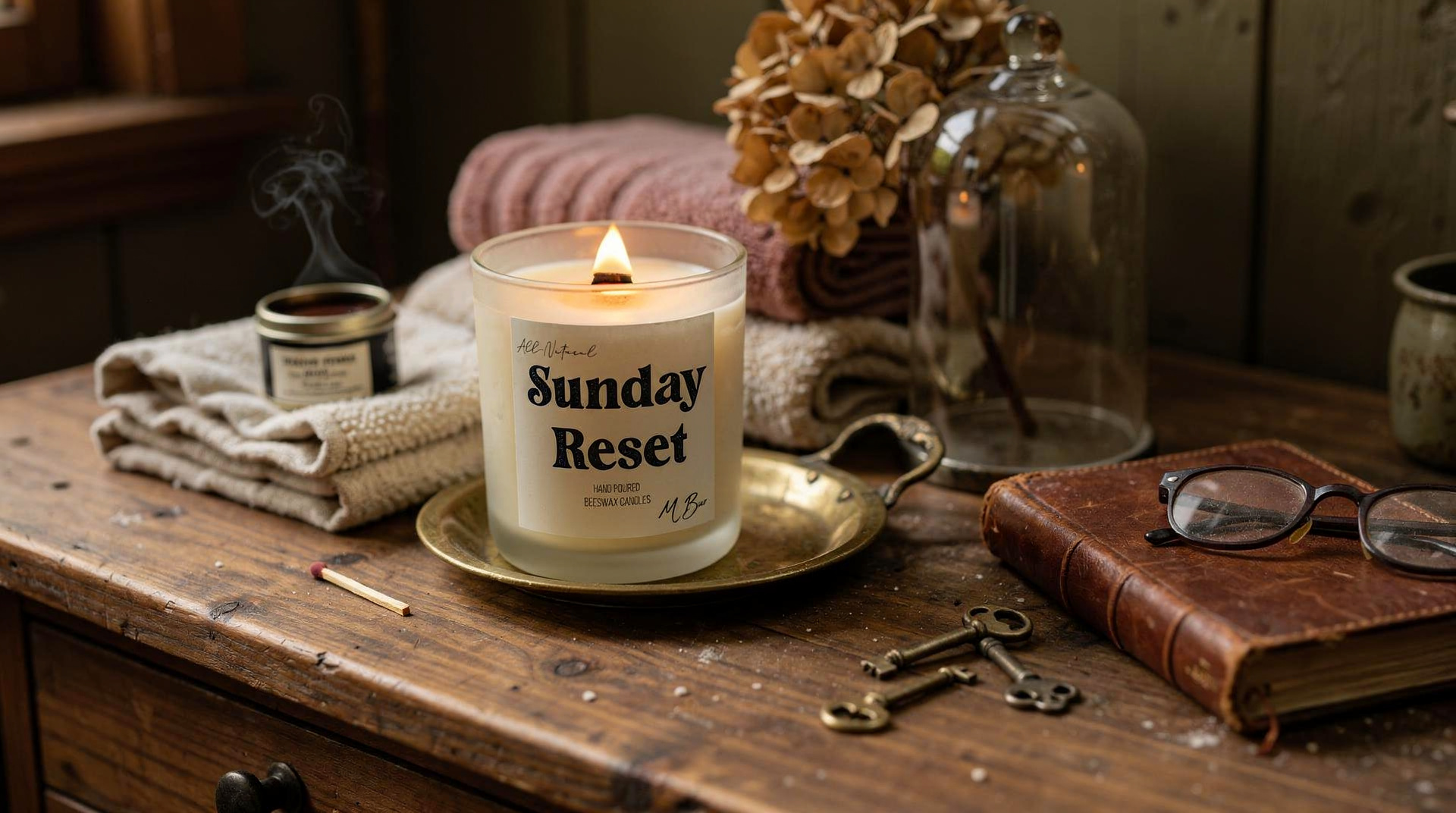
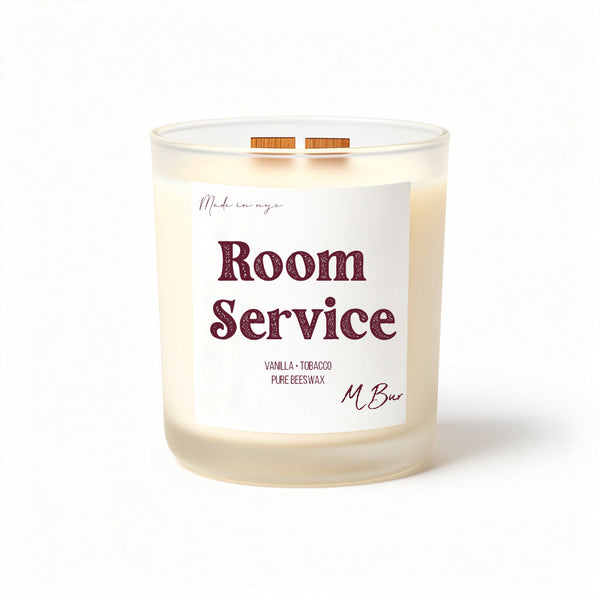
We make small-batch beeswax candles in Far Rockaway, so a room that truly smells clean is our whole focus, and that always starts at the source rather than the scent. Below is where the smell comes from, how to clear it step by step, and how to keep the space fresh afterward, with the full the MBur beeswax candle collection here as you read.
Why oily rags are a fire hazard
Rags soaked in oils, like linseed or cooking oil, or in solvents, stains, or polishes, give off fumes, and as some oils dry they generate heat. Wadded up in a pile, that heat builds with nowhere to escape and can ignite the rags on its own, with no spark.
Fire-safety authorities like the National Fire Protection Association tie hundreds of home fires a year to spontaneously combusting oily rags. A pile of chemical rags is both smelly and a real hazard.

How to handle them safely, step by step
- Never leave oily rags wadded up. Do not ball up oil- or solvent-soaked rags in a pile, bin, or corner, since that is how the heat builds and they can ignite.
- Dry them safely. Lay oily rags flat outside on a non-flammable surface like concrete, weighted down, away from anything flammable, until fully dry and stiff.
- Store them in a proper container. For rags kept between uses, use a listed oily-waste container, a metal can with a self-closing lid, or a sealed metal container with water.
- Dispose of them properly. Fully dried oily rags can often go in the trash once cured, while solvent or chemical-soaked rags may be hazardous waste, so check local rules.
- Wash reusable rags well. Launder reusable cleaning rags in hot water separately and dry them, keeping heavily solvent-soaked rags out of a home washer and dryer.
Keep flame and heat away from oily rags entirely. A candle belongs only in a living area away from any oily or chemical rags, never near them.

Keep it from coming back
Never pile oily rags. Dry them flat and safely, or use a proper oily-waste can, and dispose of them properly.
Do not store chemical rags in living spaces, and keep them away from heat and flame.
Freshen the whole room once the source is gone
With the oily rags handled, the air itself is the last step. A clean candle is the finishing touch here, best lit once the space is already clean. From there it is the fastest way to make the room read fresh rather than merely neutral.
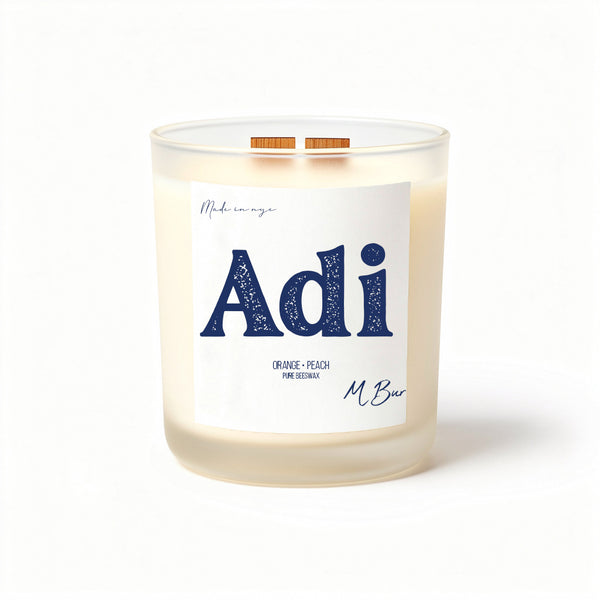
For your home, Adi fits well. It is bright citrus, with lemon, orange, mandarin, and grapefruit, and like every MBur candle it is poured from 100% beeswax with a wooden wick and phthalate-free non-toxic fragrance oils, so freshening the air never means adding soot on top.

Frequently asked questions
Can oily rags really catch fire on their own?
Yes. As some oils dry they generate heat, and wadded-up rags trap it until they can ignite without a spark. This causes hundreds of home fires a year.
How do I store oily rags safely?
Lay them flat outside to dry on a non-flammable surface away from anything flammable, or keep them in a listed metal oily-waste can with a self-closing lid.
How do I dispose of oily or solvent rags?
Fully dried oily rags can often go in the trash, while solvent-soaked rags may be hazardous waste. Check your local disposal rules.
Can I wash oily rags in the washing machine?
Launder lightly soiled reusable rags in hot water separately, but keep heavily oil- or solvent-soaked rags out of a home washer and dryer, where residue is a hazard.
Ready to keep your space smelling clean once the source is handled? Explore the MBur beeswax candle collection and find the scent that fits the room.

