

How to Remove the Smell of Shrimp Paste from Your Home
Shrimp paste clings to a kitchen long after the wok cools. That funk parked in your counters, your sink, and the air itself is not going away with a quick wipe and an open window. Belacan, trassi, and hae ko are fermented on purpose, and that fermentation is exactly why the smell digs in so hard.
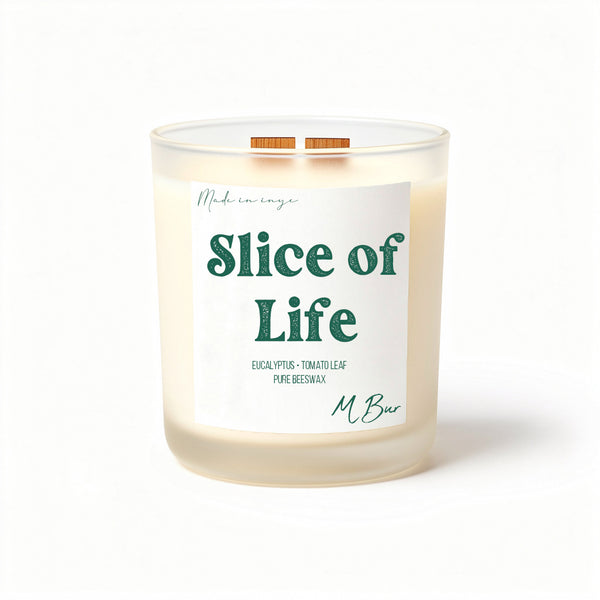
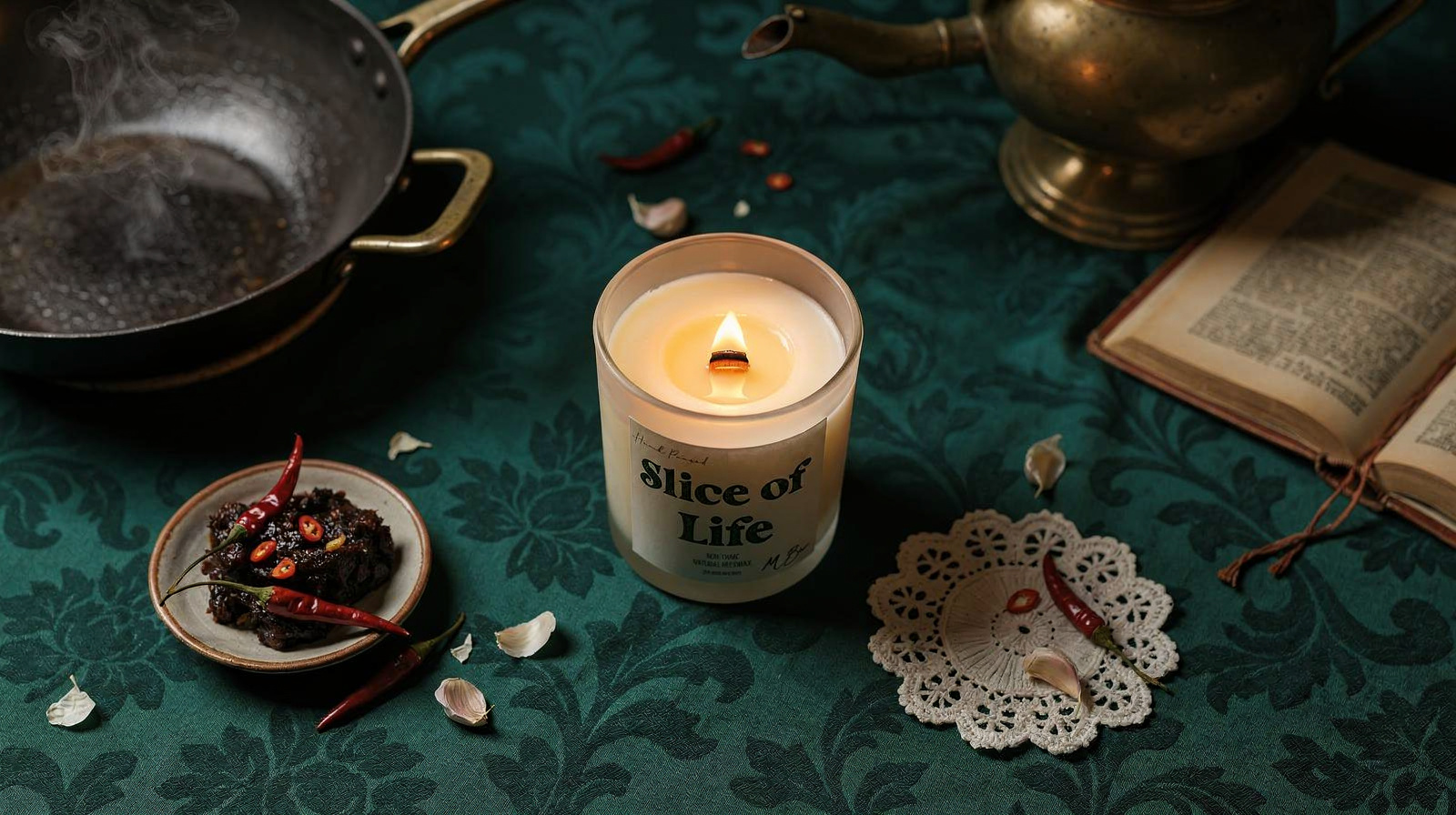
Most people reach for bleach or an air freshener first. Both miss the real target. If you want a kitchen that actually smells clean again, and stays that way, you have to work the source before you let a clean-burning candle like our Slice of Life beeswax candle hold the space fresh. It burns with no paraffin soot and no heavy toxic fragrance, so it keeps a room fresh instead of piling a second smell on top of the first.
Why shrimp paste smell is a different beast
Shrimp paste is crushed shrimp or krill packed with salt and left to ferment. That process is the whole point. It also breaks the seafood down into strong-smelling compounds.
Those compounds are volatile. That means they float off the paste and into your air fast. High-heat cooking sends even more of them airborne.
The smell carries amines and sulfur compounds. Your nose is very good at catching both. Even tiny amounts read as loud.
Here is the part people miss. The paste is oily, and oil holds onto smell. That oil lands on your counters, your utensils, and your skin, and it just sits there.
Why your first cleanup did not work
You probably rinsed everything in cool water and called it done. Cold water seals the oil in place. It traps the smell instead of lifting it.
Dish soap alone will not cut it either. Shrimp paste oil is stubborn. You need heat and an acid working together.
Bleach is the other common miss. Many home cooks find bleach never really cuts the fermented funk. It just adds a sharp chemical note on top of a fishy one.
So the answer is not a stronger cleaner. The answer is hot water, an acid, and going after the exact spots the oil hides.
The order that actually fixes it
Work from the source outward. Ranked from the surfaces you already scrubbed to the one spot almost nobody checks.
1. Hit the tools while they are still warm
Wash your wok, knife, and cutting board right away. Do not let them sit in the sink overnight. That is when the smell soaks in deep.
Use hot water and a grease-cutting soap. Then rub the surface with fresh lemon juice or white vinegar. The acid breaks down the oil the soap leaves behind.
2. Scrub counters with baking soda
Baking soda pulls smells out instead of covering them. Make a loose paste with a little water. Scrub your counters and let it sit a few minutes.
Coarse salt works too for rougher spots. Follow with a vinegar wipe. Wipe it clean and let the surface dry.

3. Get the smell off your hands
Your hands hold the oil too. Rub them with fresh lemon juice, or mix table salt with dish soap and scrub. The acid and grit break down the surface oil that soap slides right past.
4. Bake the smell out of silicone and plastic
This is the step people skip, and it is why the smell keeps coming back. Silicone spatulas and lids are porous. They trap paste oil deep in tiny pores that a normal wash never reaches.
Boil the item in soapy water. Or bake it in the oven at about 250 degrees Fahrenheit for 30 minutes. Keep a window open. Repeat for a second round if the smell is still there.
5. Clear the drain, the spot nobody checks
Rinse water carries paste residue straight into your sink trap. That trap holds it and quietly feeds the smell back into your kitchen for days.
Pour baking soda down the drain. Follow with white vinegar. The foaming reaction lifts trapped grease. Flush it with hot water after a few minutes.
What real customers notice about the difference
Once the source is handled, the air is where you finish the job. A pure beeswax candle is a genuinely different experience from the drugstore stuff that made your head hurt.
"I absolutely love these candles! I instantly notice the difference in the air quality, in comparison to the Bath & Body scented candles. I love Bath & Body's candles but I acknowledge that it caused a slight headache and other minor respiratory discomfort. Awesome products. Totally addicted." Jason H.
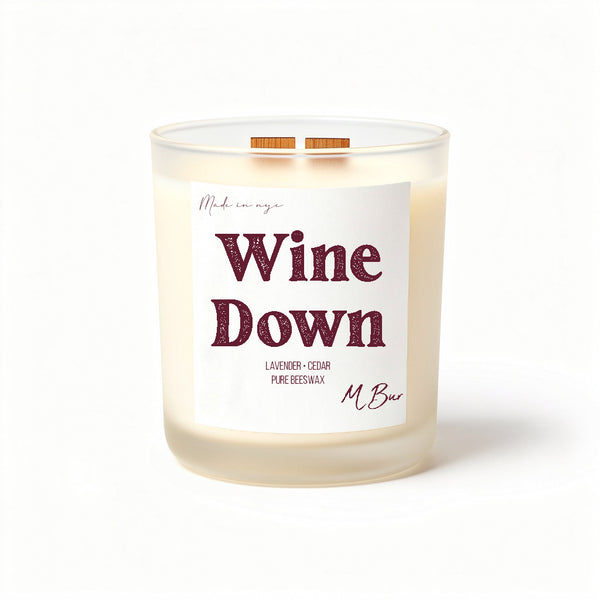
That clean-air difference matters here. A kitchen fights enough odor already. Something like our People Watching beeswax candle leans into warm baking spice, with lemon and orange zest over vanilla, cinnamon, clove, nutmeg, and allspice. It smells like a cake just out of the oven, which is the opposite of low tide. The 40-hour size runs $32, and the 80-hour size is $65.
Clear the air the smart way
Before any candle, move the air. Open two windows across from each other and run your exhaust fan. Cross-ventilation drags the volatile compounds out fast.
Simmer white vinegar in a small pot on the stove. Or boil citrus peels in water. Both neutralize airborne molecules instead of masking them.
You can also set out bowls of coffee grounds or baking soda around the kitchen. They quietly soak up what is left in the air overnight.
Only after the source is dealt with should you light anything. A candle finishes the job. It cannot do the job alone.
The clean-burn checklist for a post-cooking kitchen
Not every candle helps here. Some just add a second smell to fight. Look for these before you light one in a kitchen.
- Single-ingredient wax, so 100% beeswax with no paraffin blend.
- No paraffin soot, which is petroleum residue you do not want near food.
- Non-toxic, phthalate-free fragrance instead of heavy toxic fragrance.
- A wooden wick for an even, clean burn.
- No chemical dyes.
MBur checks every box. Every candle is 100% beeswax, handmade in New York City, with a wooden wick and phthalate-free fragrance. You can browse the full range on the candle collection page.
Frequently asked questions
Why does shrimp paste smell so strong and unpleasant?
It is fermented shrimp or krill packed with salt. That fermentation makes strong volatile compounds, plus amines and sulfur notes your nose catches easily. High heat pushes even more of them into the air. Once the source is clean, a wooden-wick option like our Slice of Life beeswax candle keeps the room smelling fresh with its cool, green mint and eucalyptus.
How do I quickly clear shrimp paste cooking odor from the kitchen?
Open two windows across from each other and run the exhaust fan. Simmer white vinegar or boil citrus peels on the stove to neutralize airborne molecules. Finish with a clean candle from the candle collection once the air has moved.
What removes shrimp paste odor from silicone or plastic?
Boil the item in soapy water, or bake it at about 250 degrees Fahrenheit for 30 minutes with a window open. Both force trapped oil out of the pores. A regular wash cannot reach it.
Does baking soda really help with sink and drain odors?
Yes. Pour baking soda down the drain, then white vinegar. The foaming reaction lifts trapped grease and residue. Flush with hot water after a few minutes.
How do I get the fishy smell off my hands?
Scrub with fresh lemon juice, or mix table salt with dish soap. The acid and grit break down the surface oil that plain soap slides past.
The takeaway
Shrimp paste smell fixes at the source first. Clean tools while warm, scrub surfaces with baking soda and acid, bake out the silicone, and clear the drain before you touch a candle. Then let a clean-burning beeswax candle hold the fresh air in place.
For a kitchen, our People Watching beeswax candle pulls warm baking-spice comfort over your space, and reviewers keep saying MBur candles fill a whole room without the headache other candles give them. Handle the source, then light one and enjoy your kitchen again.
Related reading
- Discover the Secret to Soot-Free Candles: Say Goodbye to Mess and Hello to Clean Burn
- Why Paraffin-Free Candles Are a Must-Have for a Healthier Home
- What Makes a Candle Non-Toxic? How to Spot the Real Thing
- Discover the Benefits of Non-Toxic Candle Fragrance Oils: Enhancing Your Space without Harmful Chemicals

