

How to Remove the Smell of Casu Marzu: A Step-by-Step Guide
The smell of Casu marzu does not leave when the cheese does. It soaks into your cutting board, your dish towel, and the air near where you served it. That sharp, ammonia-like sting can hang around for hours after the plate is cleared. And no, cracking a window rarely fixes it.
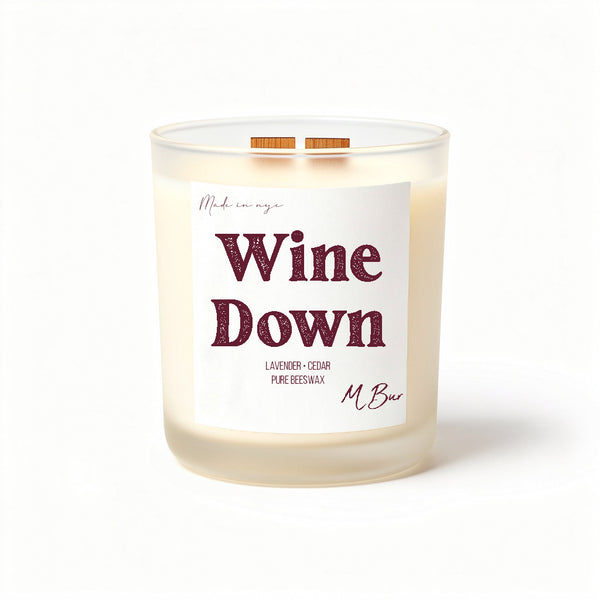
The reason it clings so hard comes down to chemistry. Casu marzu is Sardinian sheep's milk cheese broken down by cheese fly larvae over about three months. That process floods the cheese with volatile fatty acids and sulfur compounds, the same kind of molecules that stick to skin and fabric. Once the source is handled, a clean-burning beeswax candle helps keep the room smelling fresh, since pure beeswax candles burn without paraffin soot or heavy fragrance to fight the leftover odor.
Why the smell hangs on longer than the cheese
Most food smells fade on their own. Casu marzu does not play by those rules. The odor comes from proteins and fats that have already been digested down into small, airborne molecules.
These molecules are fatty acids and sulfur compounds. They love to bond with anything porous. Wood, cloth, plastic, and even your own hands hold onto them.
That is why one wash with soap often is not enough. The smell you notice hours later is not your imagination. It is real residue still off-gassing from surfaces you touched.

The mistake almost everyone makes first
Reaching for a sweet air freshener feels like the obvious move. It is also the one that fails. A floral spray does not touch the fatty acid molecules. It just sits on top of them.
You end up with cheese plus fake flowers. That combination is often worse than the smell alone. The molecules are still there, still working.
Getting rid of Casu marzu odor means breaking down or absorbing the molecules. Masking them does the opposite. So the real fix starts at the source, not in a spray can.
Step 1: Deal with the source right away
Do not let scraps sit out. The longer they linger, the more the smell spreads. Wrap any leftover cheese tight and get it out of the room fast.
If you are storing it, remember that a sealed bag traps the odor but also suffocates the live larvae inside. That matters for safety, since dead larvae mean the cheese has turned. For odor control, double-bag scraps before they hit the bin.
Take the trash outside. Not to the hallway. Outside.
Step 2: Wash hands and utensils with an acid
Plain soap struggles with fatty acids. An acid neutralizer works better. Wash your hands with soap, then rub them with a splash of white vinegar or lemon juice.
Rinse and repeat if the smell lingers. For knives, boards, and plates, soak them in a mix of warm water and vinegar for ten minutes first. Then wash as normal.
Stainless steel is your friend here. Rubbing your hands on a steel spoon under running water can pull sulfur smells off skin.
Step 3: Absorb what is left in the air
Once the source is gone, the room still holds molecules. Absorbing them beats spraying over them. A few cheap tricks do real work.
Set out a bowl of white vinegar and leave it for a few hours. Vinegar neutralizes the odor as it evaporates. Activated charcoal or a bowl of used coffee grounds also pulls volatile compounds out of the air.
Open two windows on opposite sides of the room. Cross-breeze moves air out instead of just stirring it. Give it twenty minutes with a fan running.

"I love these candles. No headache or feeling nauseous like the Bath & Body candles with all the extra chemicals. In addition, I love the package and how carefully everything was wrapped." Jason H.
Step 4: Keep the room fresh once the odor is gone
After the source and the airborne molecules are handled, you want the room to smell good again. This is the last step, not the first. A candle cannot beat active cheese fumes, but it shines once the air is clear.
A bright citrus scent works well here because it reads as clean and fresh. Our Slice of Life candle leans green and cool, with notes of Spearmint, Eucalyptus, Tomato Leaf, Anise, and Mint. That crisp, garden-fresh feel resets a kitchen fast.
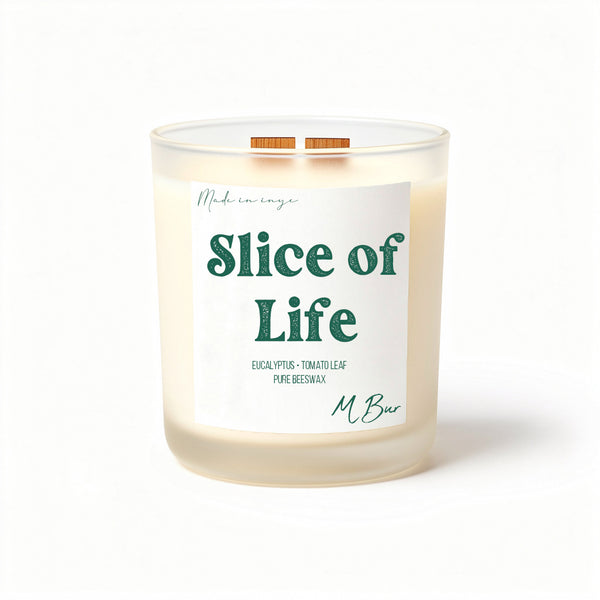
It burns on a wooden wick and 100% beeswax, so there is no paraffin soot and no toxic fragrance adding to the load. Beeswax has the highest melting point of any candle wax, which is why an 80-hour size lasts through many kitchen cleanups. The 40-hour size runs $32, and the 80-hour runs $65.
Step 5: Deep clean porous surfaces
Wood boards and countertops hold smells the longest. Make a paste of baking soda and water. Spread it over the surface and let it sit for fifteen minutes.
Baking soda is a mild base that neutralizes acidic odor molecules. Wipe it off, then rinse with vinegar water. For fabric, run napkins and towels through a wash with a half cup of vinegar added.
If a smell survives all of this, the surface likely absorbed too deep. Repeat the baking soda step once more before giving up on it.
Why beeswax finishes the job better than the rest
Not every candle helps a freshly cleaned room. Paraffin candles are made from petroleum waste. When they burn, they release soot and unstable compounds that add to indoor air, the opposite of what you want.
Soy is a step up, but it is often blended with paraffin and can carry toxic fragrances loaded with phthalates. Beeswax is a single ingredient, made as a byproduct of honey production, with no chemical processing. It burns clean.
| Wax type | Source | Burn quality | Best for a cleaned kitchen? |
|---|---|---|---|
| Paraffin | Petroleum waste | Soot, unstable compounds | No |
| Soy | Soybean oil, often blended | Cleaner, but may use toxic fragrance | Sometimes |
| MBur beeswax | Byproduct of honey production | Clean burn, no soot, phthalate-free | Yes |
Frequently asked questions
Can you fully remove the smell of Casu marzu before eating it?
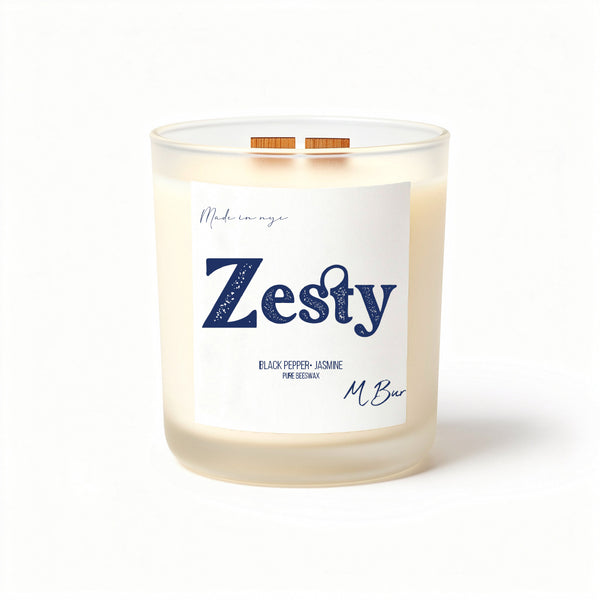
No. The pungent, ammonia-like odor is a core trait of the cheese's advanced breakdown. Stripping it would destroy what makes the cheese itself. You can control how far it spreads in your space, then reset the room afterward with a clean scent like our Zesty candle, which opens bright and cool.
Why does Casu marzu smell so strong in the first place?
Cheese fly larvae digest the fats and proteins in the pecorino base over about three months. That leaves behind volatile fatty acids and sulfur compounds, which are the molecules your nose picks up. They are small and airborne, so they travel and cling easily.
Do air fresheners work on cheese odor?
Sweet or floral sprays only mask the smell. They sit on top of the fatty acid molecules without breaking them down. Absorb the odor with vinegar or charcoal first, then keep the room fresh with a clean-burning candle from our beeswax candle collection.
What if the smell survives every step?
Porous surfaces like wood can absorb odor deep down. Repeat the baking soda paste step and give it more sitting time. If a cheap plastic board still reeks, it may be cheaper to replace it than to keep fighting it.
The takeaway
Getting rid of Casu marzu smell works in an order. Handle the source, neutralize the molecules with acid and absorbers, deep clean porous surfaces, then reset the air with a clean scent. Skipping to the candle first just traps you with cheese and fake flowers.
Once your kitchen is actually clean, the crisp, green Slice of Life candle keeps it smelling fresh with a wooden wick and 100% beeswax. Readers who switch to MBur keep saying the same thing, like Jason H., who noticed the difference in air quality right away.
Ready to freshen your space the clean way? Shop the Slice of Life beeswax candle and reset your kitchen air for good.
Related reading

