

How to Remove the Smell of Cauliflower From Your Kitchen
The smell of cooked cauliflower can hang in your kitchen for hours, and it clings to curtains, dish towels, and the couch two rooms over. You wipe the counters. You open a window. It still lingers. That sulfur cloud is not stubborn by accident. It comes from a real chemical reaction, and once you know what starts it, you can stop it before it ever fills the room.
Most people reach for an air freshener and hope the problem goes away. It does not. Those sprays sit on top of the smell for a few minutes, then fade and leave the sulfur right where it was. A better plan starts at the pot and finishes with clean air, which is where our pure beeswax candles earn their spot: they burn without paraffin soot or heavy toxic fragrance, so after you fix the source, they keep the room smelling fresh instead of masking it.

Why cauliflower smells the way it does
Cauliflower belongs to the Brassica family, the same group as broccoli and cabbage. These vegetables carry sulfur-based compounds inside their cells. One of the big ones is a mouthful called S-methyl-L-cysteine sulfoxide.
When you heat cauliflower, the cell walls break down. That releases enzymes. The enzymes turn those sulfur precursors into gas. The main offenders are volatile sulfur molecules like dimethyl trisulfide and hydrogen sulfide. Both smell strongly of rotten egg.
Here is the part that matters most. The gas is a real, floating, physical thing in your air. It is not a stain on the surface. That means you cannot scrub it away, and you cannot cover it with a spray. You have to stop making it, then pull it out of the room.
The mistake that makes it ten times worse
Boiling is the villain here. When you boil cauliflower, and especially when you boil it too long, you break down far more cell walls than you need to. Every extra minute past fork-tender releases more sulfur gas into the steam.
Overcooking is the single biggest driver of the smell. A soft, mushy floret has given up almost all of its sulfur to the air. A firm, toothsome one has held most of it in.
So the first fix costs you nothing. Change how you cook it.
"I love these candles. No headache or feeling nauseous like the Bath & Body candles with all the extra chemicals. In addition, I love the package and how carefully everything was wrapped." Jason H.
Roasting, steaming, or a quick saute keeps the gas trapped in the vegetable instead of sending it up in a cloud. High-heat roasting is your best friend. Steam only until a fork slides in with a little resistance, then stop.
Stop the smell at the pot
If you do cook cauliflower in water, you can fight the sulfur while it cooks. Acid helps neutralize the airborne alkaline sulfur compounds before they spread.
Add about one tablespoon of white vinegar or lemon juice straight to the cooking water. This simple move cuts down the gas that escapes. Keep a lid on the pot too, since an open pot lets steam and smell fill the whole kitchen fast.
Do not let the hot water sit and cool in an open pot after you drain it. That warm, uncovered water keeps releasing gas for a long time. Drain, cover, and deal with it quickly.

The stovetop deodorizer trick
Chefs use this one all the time. Combine about one cup of water with three tablespoons of vinegar in a small saucepan. Let it simmer while you cook. The acidic steam neutralizes the sulfur in the air around it.
You can also drop citrus peels or a cinnamon stick into the simmering water. It adds a fresh top note while the vinegar does the real work.
Pull the bad air out, do not just push it around
Ventilation is where most people go wrong. A range hood only helps if it vents to the outside. Many microwave hood fans just push air through a basic filter and blow it right back into the room. That does almost nothing for sulfur gas.
If your hood vents outdoors, run it on high before you start cooking, not after. You want to catch the molecules while they rise. If it does not vent outside, set up a box fan in an open window and point it out. That reverse fan pulls stale air out of the room.
Cross-breeze matters. Open a window on the other side of the kitchen so fresh air has a path in while the stale air leaves.
Absorb what is left floating
Once cooking is done, some sulfur molecules are still in the air. You can trap them instead of masking them. Bowls of baking soda, unbrewed coffee grounds, or activated charcoal all grab floating odor molecules and hold them.
Set a bowl near the stove while you cook and leave it out for an hour after. For a full breakdown of damp and airborne odor issues in the home, the EPA guide to moisture and indoor air is a solid starting point.
Now keep the room smelling good
After the source is handled and the air is moving, this is where a clean candle finishes the job. A beeswax candle does not fight the smell with a stronger chemical smell. It simply burns clean and leaves a real scent in a room that is now actually fresh.
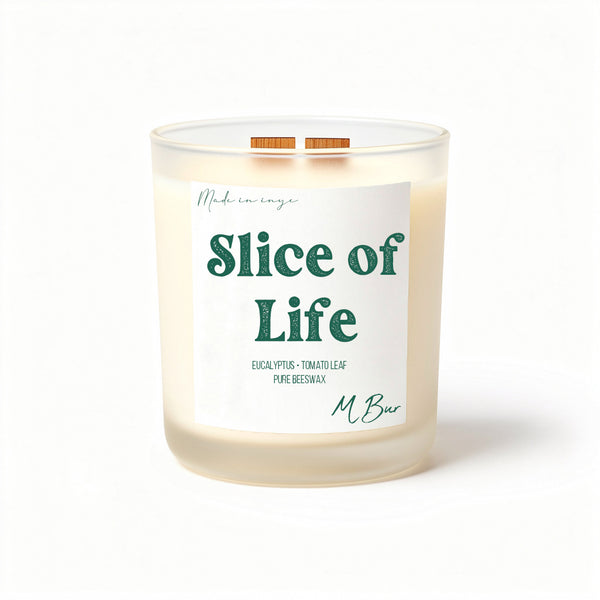
Because cauliflower lives in kitchen and cooking territory, a warm, food-friendly scent fits best. Our Slice of Life candle leans crisp and green with notes of Spearmint, Eucalyptus, Tomato Leaf, Anise, and Mint. That cool, clean lift works beautifully in a kitchen after cooking. The 40 hour size runs $32, and the 80 hour size is $65.
If you want something cozier and more baked, the People Watching candle carries Lemon, Orange, Vanilla, Cinnamon, Clove, Nutmeg, and Allspice. It smells like a citrus cake just out of the oven, which turns a post-dinner kitchen into somewhere you want to linger.
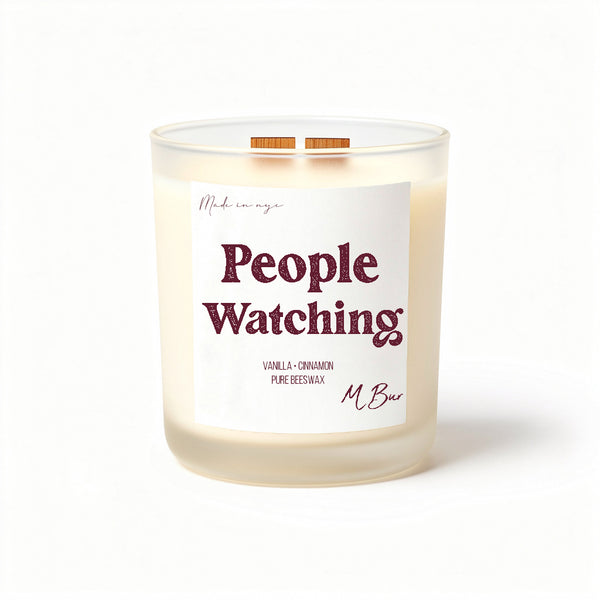
Both use 100% beeswax, a single wax with no blend. Both have wooden wicks that crackle softly. Both use non-toxic, phthalate-free fragrance and no chemical dyes, so they will not stack a heavy chemical cloud on top of the sulfur you just cleared out.
Do not forget the fridge
Leftover cauliflower keeps making gas in the refrigerator. Stored uncovered or left overnight, it concentrates that degradation smell in a small closed box.
Always store cooked cauliflower in a sealed container. If the smell has already set in, wipe the interior with a vinegar solution or a little vanilla extract. Then leave an open plate of coffee grounds or baking soda inside to soak up the rest.
Frequently asked questions
Why does cauliflower smell so bad when you cook it?
Cooking breaks down sulfur-containing compounds called glucosinolates inside the vegetable. That releases volatile gases like dimethyl trisulfide, which produce that strong rotten-egg sulfur smell. Once the smell is gone, a clean-burning candle from the beeswax candle collection keeps the air fresh without heavy chemicals.
How can I stop cauliflower from stinking up the kitchen while it cooks?
Roast or steam it instead of boiling, and only cook it until fork-tender. If you do boil it, add about one tablespoon of vinegar or lemon juice to the water and keep a lid on the pot.
Does overcooking cauliflower make the smell worse?
Yes. The longer the heat runs, the more cell walls break down and the more sulfur gas escapes. Pull it off the heat as soon as it is toothsome.
How do I clear a lingering cauliflower smell from the house?
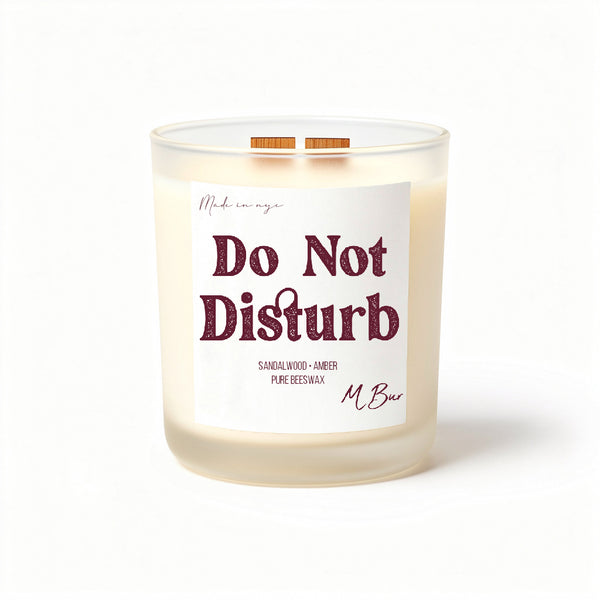
Simmer water with vinegar or citrus peels, and run a hood fan that vents outdoors. Once the air is clean, a wooden-wick option like the Do Not Disturb candle with Bergamot and pear notes keeps the room smelling calm and fresh.
How do I remove cauliflower odor from the refrigerator?
Wipe the interior with a vinegar solution or a little vanilla extract, then leave an open plate of coffee grounds or baking soda inside to absorb what is left. Store all leftovers sealed.
The takeaway
The cauliflower smell is sulfur gas, so you beat it by making less of it and moving it out, not by spraying over it. Cook it fast, add a little acid, vent to the outside, and absorb the rest. Then let a clean candle keep the room fresh.
For a kitchen, our crisp and green Slice of Life candle is the easy pick, with the 40 hour size at $32. MBur candles are handmade in New York City from 100% beeswax, and reviewers keep saying the same thing: no headaches, and the scent fills a whole room. As Jason H. put it, "I instantly notice the difference in the air quality."
Shop the Slice of Life beeswax candle and keep your kitchen smelling fresh.
Related reading
- Discover the Secret to Soot-Free Candles: Say Goodbye to Mess and Hello to Clean Burn
- Discover the Benefits of Non-Toxic Candle Fragrance Oils: Enhancing Your Space without Harmful Chemicals
- Why Paraffin-Free Candles Are a Must-Have for a Healthier Home
- What Makes a Candle Non-Toxic? How to Spot the Real Thing

