

How to Remove the Smell of Canned Tuna from Your Home
The tuna smell that hangs around after lunch is not stuck to your kitchen because you did a bad job cleaning. It is stuck because the odor is a gas, and that gas is alkaline. Spraying air freshener over it does nothing to the chemistry. You are just putting a scent on top of a scent.
That gas has a name: trimethylamine, or TMA. It forms when the compounds inside the fish break down and float into your air. Once you know what it is, you know how to kill it. And once the source is gone for good, a clean-burning candle like one of MBur's pure beeswax candles can keep the room smelling fresh instead of layering perfume over old fish.
Most guides tell you to open a window and light something scented. That works for about ten minutes. Then the smell comes right back, because nobody touched the actual cause.

Why canned tuna smells so much worse than fresh fish
Saltwater fish carry a compound called trimethylamine oxide, or TMAO. It helps them balance fluid in the ocean. When the fish is caught and starts to break down, bacteria and enzymes turn that TMAO into TMA. TMA is the gas your nose picks up.
Canned tuna gets a head start on this process. The fish is cooked before it is sealed and stored. That extra step can raise the level of the smelly compounds compared to a fresh cut. So the can you open at lunch already has a strong load of odor waiting to escape.
Here is the part that matters. TMA is alkaline. That single fact tells you exactly how to beat it.
The trick nobody uses: neutralize the odor, do not cover it
An alkaline gas has a chemical opposite. Acid. When you add an acid to TMA, the two react. The gas turns into a salt that cannot float into the air. The smell drops almost the moment the acid hits it.
This is why chefs squeeze lemon over tuna before mixing it into anything. The citric acid lowers the pH and binds the amines into a form that stays put. Cooks who make tuna all day swear by it, and the science backs them up.
So the fix is simple. Reach for something acidic before you reach for anything scented.
"I love these candles. No headache or feeling nauseous like the Bath & Body candles with all the extra chemicals. In addition, I love the package and how carefully everything was wrapped." Jason H.
That review is a good reminder of the order of operations. Fix the source first. Then a clean candle keeps the air pleasant without dumping heavy oils back into a room you just cleared.
Step by step: getting the smell out for good
1. Hit the tuna with fresh lemon right away
Squeeze one whole lemon over a standard drained can of tuna. Do this before you mix it into salad or anything else. Use a fresh lemon, not the bottled stuff. Bottled juice is weaker on active acid and often leaves a sticky film.
White vinegar works too if you have no lemon. The goal is the same. Get acid onto the source fast.
2. Ventilate and contain the kitchen
Open a window. Run the range hood fan. Give the heavy fish air a way out of the house.
Then close interior doors. This keeps the odor from drifting into your living room, where it settles into couch cushions and curtains. Fish compounds love to soak into fabric, and fabric holds smell far longer than a hard counter.

3. Deal with the can and the trash
An open can in your indoor trash keeps off-gassing for hours. Rinse the empty can with hot water and soap. Better yet, take it straight to an outdoor bin.
Leaving that can in the kitchen pail is one of the most common mistakes. You clean everything else, then the trash quietly re-scents the room all afternoon.
4. Absorb what is left in the air
Set out a bowl of distilled white vinegar on the counter overnight. It pulls lingering odor compounds out of the ambient air. Baking soda or a small bowl of ground coffee does similar work.
Wash any dishes and utensils in hot soapy water immediately. Do not let tuna oils sit and dry on a plate.
5. Then, and only then, light a candle
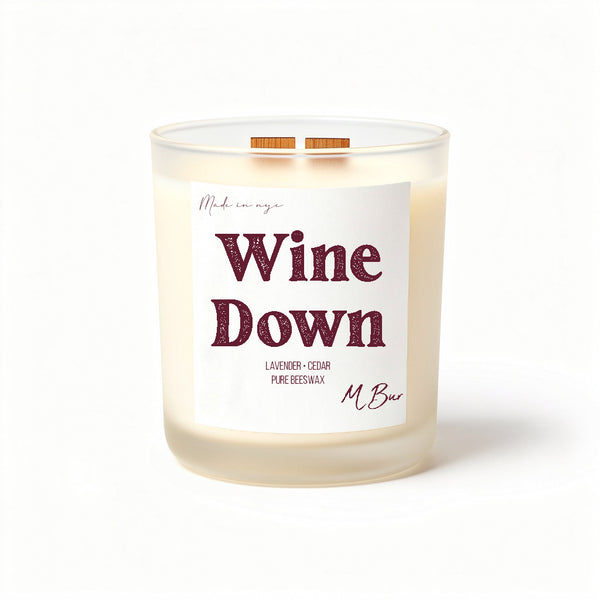
Once the source is gone and the air is clear, a candle keeps the room smelling good. This is where a pure beeswax candle earns its place. It burns with no paraffin soot and no toxic fragrance, so it will not add its own chemical layer to a space you just worked to clean.
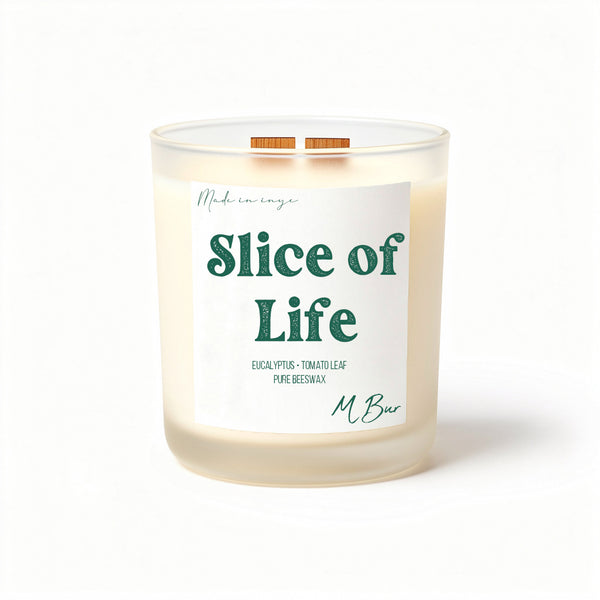
For a bright, clean finish, the Slice of Life candle leans green and fresh, with notes of Spearmint, Eucalyptus, Tomato Leaf, Anise, and Mint. It reads like a just-scrubbed kitchen rather than a floral cover-up. The 40-hour size runs $32, and the 80-hour size is $65.
Why a scented candle alone cannot fix a fish smell
A candle does not neutralize TMA. It cannot lower the pH of a gas floating around your kitchen. All a scented candle does on its own is add a smell you like on top of a smell you hate.
That is why the vinegar and lemon steps come first. They remove the odor at its chemical root. The candle comes last, to hold a fresh scent in a room that is already clean.
Cheap paraffin candles make this worse. They throw soot and heavy oils into the air, which is the opposite of what you want after clearing a strong smell. A single-ingredient beeswax candle keeps things clean.

What MBur brings to a freshly cleaned room
MBur candles are 100% beeswax, made in New York City by hand. Beeswax is the oldest candle material on earth, dating back thousands of years. It has the highest melting point of any candle wax, which is why the 80-hour size lasts so long.
The wooden wick gives a soft crackle and an even burn. There are no chemical dyes and no phthalates in the fragrance. Beeswax is also naturally hypoallergenic, which matters if strong smells already bother you.
"Absolutely obsessed with M Bur Candle Co my roommate and I own 6/8 of the scents! They smell up a WHOLE room during the burn & even a while after blowing them out. I won't buy other candles anymore, they're just that good." Paige
That is the effect you want. A scent that fills the space you cleared, not one that fights with old fish.
Frequently asked questions
Why does canned tuna have such a strong, lingering smell?
Canned tuna releases volatile amine compounds like trimethylamine when the can opens and the fish meets air. These compounds go airborne fast and hit your nose hard. The cooking-then-sealing process for canned tuna tends to raise the load of these compounds. Clear the source first, then let one of MBur's clean-burning beeswax candles keep the room fresh.
How can I get the canned tuna smell out of my kitchen air?
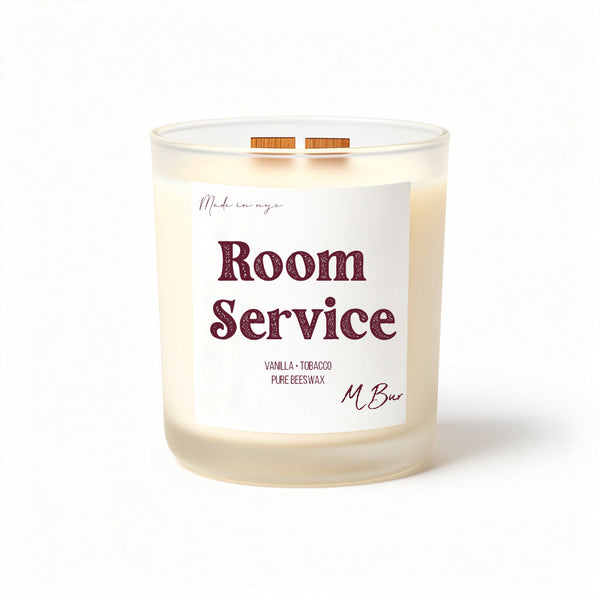
Set an open bowl of distilled white vinegar on the counter overnight. It absorbs and neutralizes the alkaline odor compounds floating in the room. Baking soda or ground coffee works too. After the air clears, the fresh, green Slice of Life candle holds a clean scent without masking.
How do I remove tuna smell from plastic containers?
Soak the container overnight in water mixed with baking soda. You can also wipe it down with undiluted white vinegar to draw out trapped odor. Plastic holds fish smell longer than glass, so give it extra time.
How do I get fish smells off my hands?
Rub your hands against a stainless steel spoon under cold running water. The steel binds the fish oils. Scrubbing with used coffee grounds works as a backup.
Should a candle replace cleaning?
No. A candle keeps a clean room smelling good, but it cannot neutralize TMA gas on its own. Do the acid and vinegar steps first, then reach for a candle from the MBur collection.
The takeaway
Tuna smell lingers because it is an alkaline gas, and acid is what breaks it down. Squeeze fresh lemon on the source, ventilate, ditch the can, and let vinegar absorb the rest. Once the air is clear, a pure beeswax candle keeps it that way.
For a fresh, green finish after a kitchen cleanup, the Slice of Life candle is the pick, with the 40-hour size at $32. MBur candles are loved by hundreds of customers for filling a room without headaches or heavy chemicals.
Clear the smell, then keep your kitchen fresh with the Slice of Life beeswax candle.
Related reading
- Discover the Secret to Soot-Free Candles: Say Goodbye to Mess and Hello to Clean Burn
- Why Paraffin-Free Candles Are a Must-Have for a Healthier Home
- What Makes a Candle Non-Toxic? How to Spot the Real Thing
- Discover the Benefits of Non-Toxic Candle Fragrance Oils: Enhancing Your Space without Harmful Chemicals

