

How to Handle Droppings in Attic Insulation
A foul, ammonia-like or musty smell from the attic, worse in summer heat, often comes from bat or rodent droppings soaked into the insulation. This is a health issue as much as a smell, and it has to be handled carefully.
We make small-batch beeswax candles in Far Rockaway, so a room that truly smells clean is our whole focus, and that always starts at the source rather than the scent. Below is where the smell comes from, how to clear it step by step, and how to keep the space fresh afterward, with the full the MBur beeswax candle collection here as you read.
Why this is more than a smell
Droppings in insulation give off a strong smell that bakes stronger in summer heat. More importantly, rodent droppings can carry hantavirus, and bat droppings can carry the fungus that causes histoplasmosis, both spread by breathing in disturbed dust.
The contaminated insulation usually cannot be cleaned and needs removal, and disturbing it without precautions is a real health risk. This is a job to approach carefully, and often to hand to a pro.
How to handle it safely, step by step
- Do not disturb it dry. Do not sweep, vacuum, or stir up dry droppings, since that puts particles and spores into the air you breathe.
- Know when to call a pro. The CDC's histoplasmosis guidance says large amounts of bird or bat droppings should be removed by professionals who specialize in hazardous waste. For a significant infestation or guano accumulation, hire one.
- For small amounts, protect yourself. Wear gloves and an N95 mask, ventilate, and lightly mist the material with water or disinfectant to keep dust down before removing it.
- Remove contaminated insulation. Soiled insulation usually has to be bagged and replaced rather than cleaned, so double-bag it, dispose of it per local rules, and disinfect the area.
- Seal the entry and exclude the animals. Find how they got in and seal it, doing bat exclusion legally and outside maternity season, then replace the insulation. A wildlife pro can help.
When in doubt, bring in a professional. Large accumulations of droppings are a hazardous-waste job, and getting it wrong risks breathing in what you are trying to remove.
Keep it from coming back
Keep animals out by sealing gaps and screening vents, and address infestations early.
Do not let droppings accumulate, since that is when the health risk and the smell grow.
Freshen the whole room once the source is gone
With the soiled insulation handled, the air itself is the last step. A clean candle is the finishing touch here, best lit once the space is already clean. From there it is the fastest way to make the room read fresh rather than merely neutral.
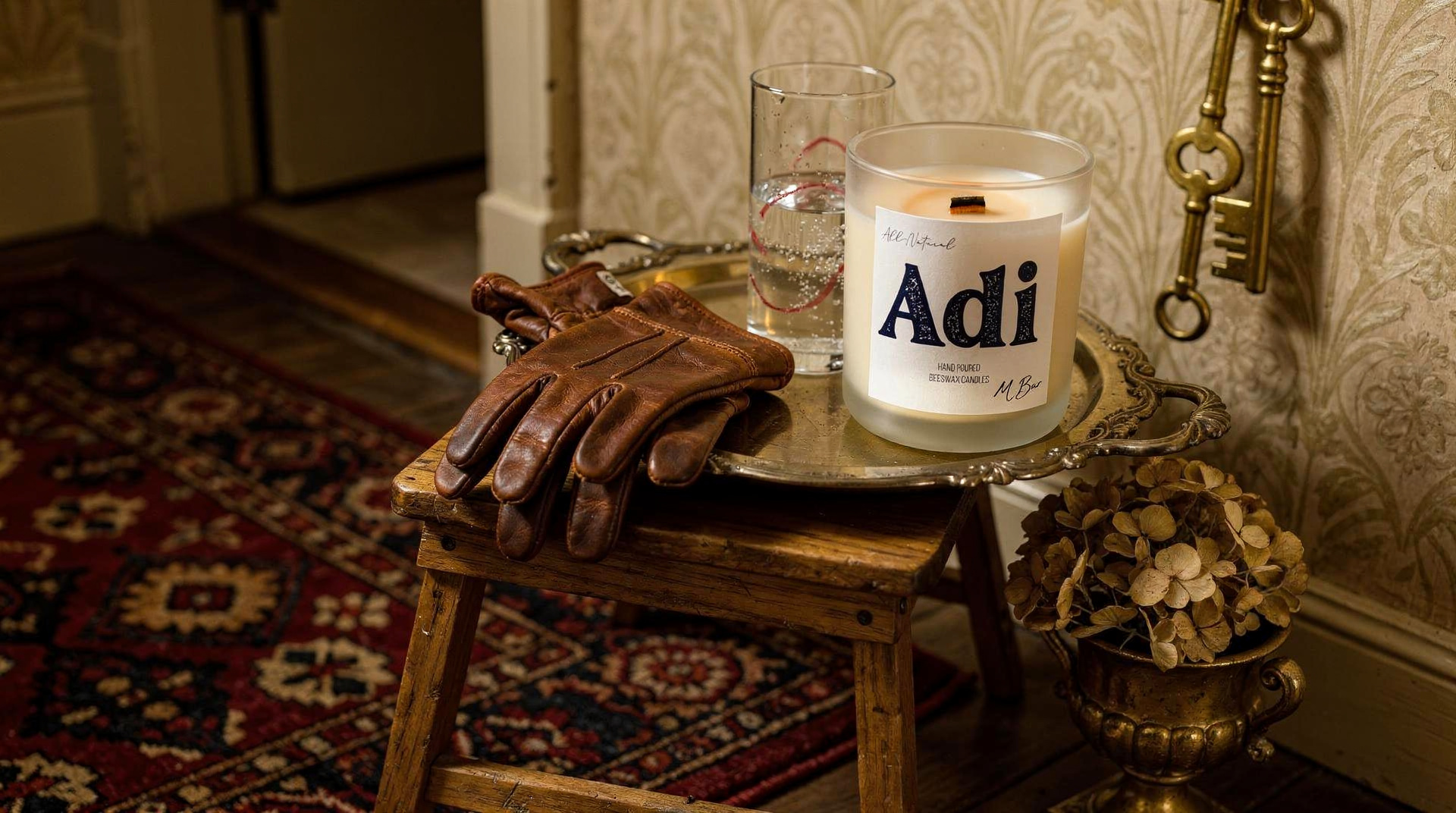
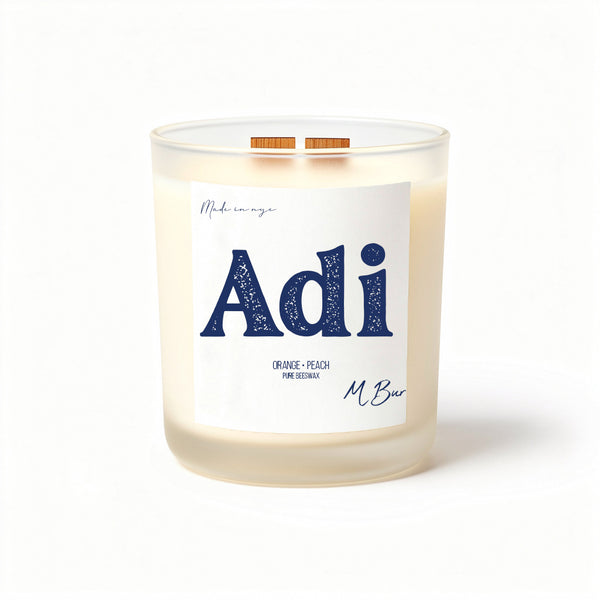
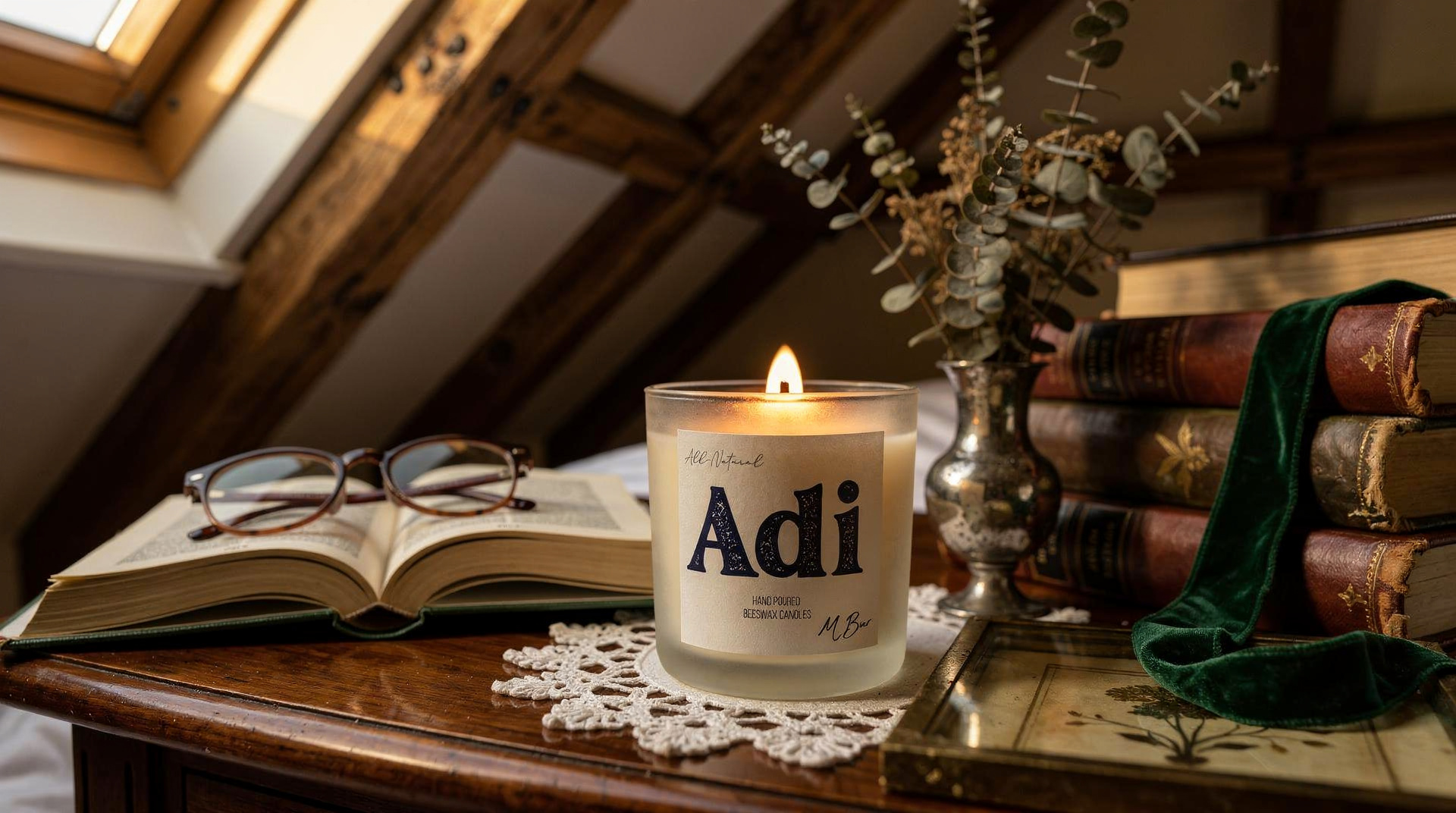
For your home, Adi fits well. It is bright citrus, with lemon, orange, mandarin, and grapefruit, and like every MBur candle it is poured from 100% beeswax with a wooden wick and phthalate-free non-toxic fragrance oils, so freshening the air never means adding soot on top.
Frequently asked questions
Why does my attic smell in summer?
Bat or rodent droppings in the insulation give off a strong smell that intensifies in heat. It is a health issue, so handle it carefully or hire a pro.
Is it safe to clean up animal droppings myself?
Small amounts, with gloves, an N95 mask, ventilation, and wetting the material first. The CDC says large accumulations of bird or bat droppings should be removed by professionals.
Can I just cover the smell?
No. The soiled insulation is the source and a health hazard, so it has to be removed and the entry points sealed. Covering the smell leaves the risk in place.
Why can't the insulation just be cleaned?
Insulation is porous and holds the droppings and odor, so contaminated insulation is bagged and replaced rather than cleaned.
Ready to keep your space smelling clean once the source is handled? Explore the MBur beeswax candle collection and find the scent that fits the room.

