

How to Get the Fish Smell Out After an Oyster and Caviar Night
The smell after an oyster and caviar night is not in your head, and it is not going away on its own. That faint marine funk clinging to your kitchen, your hands, and the trash can the next morning has a name: trimethylamine, or TMA. It is the alkaline compound that leaks out of marine proteins as they break down, and it binds stubbornly to oils, porous countertops, and skin. Masking it does nothing. You have to neutralize it.
Good news: this is very fixable, and most of what you need is already in your kitchen. Below is exactly why the smell sticks around and how to get rid of it for good. Once the air is actually clean, a properly made candle can keep it that way, and I will get to why the right kind of candle matters at the end. If you want to skip ahead, our full beeswax candle collection is where I would point you.

Why oysters and caviar smell so much the morning after
Here is the part most people get wrong. They assume raw seafood leaves no smell because nothing was cooked. No sizzling pan, no aerosolized oil, no problem. Except the problem is quieter and slower.
Oyster liquor, caviar residue, and discarded shells keep breaking down after your guests leave. As those proteins degrade, they release TMA, which is exactly the compound your nose reads as fishy. Leave the shells in an indoor trash can overnight and anaerobic breakdown kicks in, which is a polite way of saying it gets worse in the dark while you sleep.
TMA is alkaline. That single fact is the key to everything that follows, because it tells you the smell is not a grease problem you can scrub away. It is a chemistry problem you solve with acid.
Step one: get the source out of the house
Before you touch a cleaning spray, deal with the actual source. Empty caviar tins, oyster shells, and any leftover scraps go straight to an outdoor bin, not the kitchen trash. This is the single most impactful thing you can do, and it is the step people skip most often.
If shells sat in an indoor can overnight, take the whole bag out, rinse the bin with hot water and baking soda, and let it dry. The primary smell factory lives in that trash, so removing it does most of the work before you have cleaned a single surface.
Step two: neutralize surfaces with acid, not heat
Counters, cutting boards, and serving platters that touched raw seafood are holding TMA in their pores and grooves. Since the odor is alkaline, you fight it with acid.
A coarse salt and lemon juice scrub works beautifully on cutting boards. The salt mechanically lifts trapped oils out of the grain while the lemon lowers the pH and binds the odor molecules. For counters, a wipe down with white vinegar does the same job chemically.
One important warning: skip the hot water on fresh protein spills. Rinsing seafood residue with hot water can actually cook the organic matter onto the surface, setting the odor deeper. Cold water first, then your acid wash.

Step three: get the smell off your hands
Regular soap and warm water fail here, and now you know why. Soap cuts grease but does not neutralize the volatile amines trapped in your skin pores, and warm water can volatilize those molecules straight into the air before you rinse them.
Two options actually work. Rub your hands against a piece of stainless steel, your sink or faucet works fine, under cold running water. The metal triggers a redox reaction that neutralizes the sulfur and amine compounds. If that sounds like kitchen witchcraft, the alternative is simpler: rub fresh lemon juice or a little white vinegar over your hands, then rinse cold. Same acid neutralizes alkaline principle at work.
Step four: clear the air in the room
Now for the ambient smell hanging in the dining room. The fastest fix is the simmer method. Combine 1/4 cup of white vinegar with 2 cups of water in an open saucepan and let it simmer on the stove. The acid disperses into the air and neutralizes the airborne alkaline molecules instead of covering them up. Citrus slices or a few spices in the water make it smell pleasant while it works.
Open your windows for cross ventilation while you do this, and run the exhaust hood if you have one. For stubborn cases, leaving open bowls of baking soda around the dining and kitchen areas overnight passively traps residual volatile compounds. If you invested in one, an air purifier with an activated carbon filter is very good at pulling lingering seafood VOCs out of open plan spaces.
"I absolutely love these candles! I instantly notice the difference in the air quality, in comparison to the Bath & Body scented candles. I love Bath & Body's candles but I acknowledge that it caused a slight headache and other minor respiratory discomfort. Awesome products. Totally addicted."
Jason H.
Which brings me to the mistake almost everyone makes at this stage.
Why lighting a candle first does not work (and how to use one correctly)
If your instinct after an oyster night is to grab a candle and call it done, I understand the impulse. But burning a candle over a live fish smell only masks the alkaline amines temporarily. The moment the flame goes out, the smell walks right back in, because nothing was neutralized. You just added a second scent on top of the first.
The correct sequence is: source out, surfaces neutralized, air simmered clean, and then you light a candle to keep the room smelling good and to set the mood for the rest of the evening. At that point a candle is doing what it is actually good at, holding a pleasant scent in a room that is already clean.
Here is where the type of candle matters more than people realize. A lot of candles are made with paraffin, which is a petroleum byproduct that releases soot and VOCs of its own when it burns. Layering paraffin fumes over a seafood smell in a room you are trying to clean up is counterproductive. Many of those candles also use toxic fragrances containing phthalates, which is exactly the kind of thing that gives sensitive noses headaches.
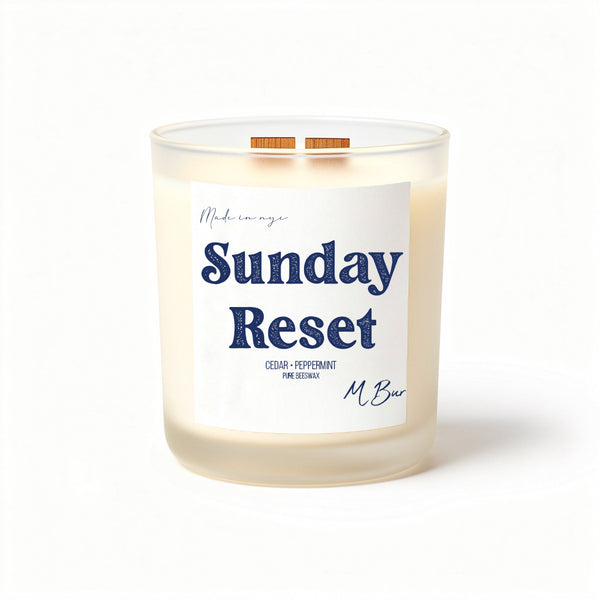
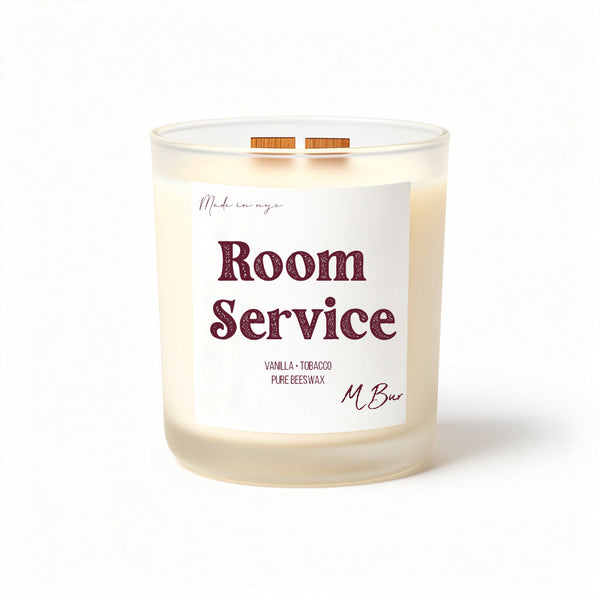
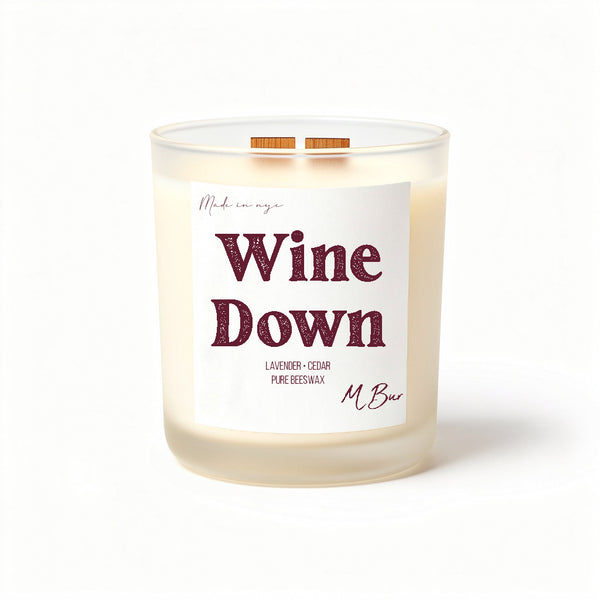
This is the whole reason MBur candles are made from 100% beeswax with wooden wicks and phthalate free fragrance. Beeswax burns cleaner than paraffin or soy, leaves no black soot on your walls, and has the longest burn time of any candle wax because of its high melting point. For an entertaining night, I would reach for Room Service, our bestseller, which has that engineered luxury hotel lobby thing going on with notes of saffron, white tea leaves, purple peonies, orchid, tobacco, vanilla, almond milk, and tonka bean. It is the scent you want holding the room once the seafood is gone. If you would rather wind the evening down after the cleanup, Wine Down leans calm and clean with lavender, chamomile, sage, rosemary, camphor, cedar, and sandalwood.

A quick checklist for next time
Save yourself the morning after scramble with a little prep. Have lemons, white vinegar, and baking soda on hand before guests arrive. Keep an outdoor bin accessible for shells. Rinse anything that touched raw seafood in cold water immediately, not after everyone leaves.
Do all of that, and the actual cleanup takes ten minutes instead of a lingering three day funk.
Frequently asked questions
Why does seafood leave such a strong, lingering smell?
The odor comes from trimethylamine, or TMA, a volatile alkaline compound released as marine proteins and fats degrade or are exposed to air. Because it binds to oils and porous surfaces, it hangs around until you neutralize it with acid rather than mask it. Once the smell is gone, a clean burning option from our beeswax candle collection keeps the room pleasant.
How do you get caviar and oyster smells off your hands?
Rub your hands with fresh lemon juice or a little white vinegar, then rinse under cold water. You can also rub your hands against a stainless steel sink or faucet under cold water, which triggers a reaction that neutralizes the amine compounds. Skip warm water, since it releases the odor molecules into the air first.
What is the fastest way to clear a fishy smell from the indoor air?
Simmer 1/4 cup of white vinegar in 2 cups of water in an open saucepan. The acid disperses into the air and neutralizes the alkaline odor molecules. Open windows for cross ventilation while it works, then light a clean candle like Room Service once the air is genuinely fresh.
Does taking out the trash immediately help?
Absolutely. Empty shells, tins, and scraps sitting in an indoor bin overnight are the main source of the worsening smell, thanks to anaerobic breakdown. Move them to an outdoor bin the same night, then rinse the indoor can with hot water and baking soda.
Can baking soda absorb residual party odors overnight?
Yes. Leaving open bowls of baking soda around the dining and kitchen areas passively traps and absorbs lingering volatile compounds while you sleep. Fresh coffee grounds or activated charcoal work the same way inside a fridge that caught the smell.
The takeaway
Seafood odor is an alkaline chemistry problem, so neutralize it with acid, remove the source fast, and clear the air before you reach for anything scented. Once the room is actually clean, a 100% beeswax candle keeps it fresh without adding soot or headache inducing fumes to the mix. For entertaining nights, I would start with Room Service, and you can find it alongside our other eleven scents in the full beeswax candle collection.
With over 50 reviews and readers who say they instantly notice the difference in air quality, MBur candles are the clean burning finish to a night that started with oysters. Browse the collection and pick the scent that fits your table.
- Discover the Secret to Soot Free Candles: Say Goodbye to Mess and Hello to Clean Burn
- Discover the Benefits of Non Toxic Candle Fragrance Oils: Enhancing Your Space without Harmful Chemicals
- Candles and Cocktails: Perfect Pairings for a Cozy Night In
- The Ultimate Guide to Choosing the Perfect Scented Candles for Every Mood

