

How to Get Rid of Refrigerator Smell That Won't Go Away: A Step by Step Guide
You cleaned the fridge. Twice. Tossed the suspicious leftovers, wiped every shelf, stuck a box of baking soda in the back. And when you opened the door this morning, the smell was still there, thick and sour, like it had settled into the walls of the appliance itself.
Persistent refrigerator odor is one of those household problems that makes you question your own competence. You did the obvious things. Why is it still happening? The answer is almost always the same: the smell is not coming from where you think it is. Forgotten spills seep into crevices you never see. Bacteria colonize rubber gaskets. A drip pan you did not know existed sits underneath the unit collecting stagnant water for months.
This guide walks through every step of actually eliminating a fridge smell that refuses to leave, from the hidden sources most people miss to the deodorizing methods that work far better than that baking soda box. And once your kitchen air is finally clean, we will talk about keeping it that way, including why something like a beeswax candle with clean fragrance can make the space feel fresh without adding chemicals to the room you store your food in.
Why Your Fridge Still Smells After Cleaning
Most people clean the obvious surfaces: shelves, drawers, the interior walls. That handles maybe 40% of what causes persistent odor. The rest comes from places you probably have not touched.
The drip pan. Every refrigerator has one, usually at the bottom behind a kick plate or accessible from the back. It collects condensation from the defrost cycle, and over time that moisture mixes with dust, food particles, and bacteria. The result is a shallow pool of genuinely foul liquid that you would never notice unless you went looking for it.
The defrost drain. This small channel carries water from the freezer compartment down to the drip pan. It clogs easily with food debris and mildew, and when it does, moisture backs up and breeds bacteria inside the unit.
Door gaskets. Those rubber seals around the door have folds and grooves that trap crumbs, liquid, and mold. They stay damp. They stay warm relative to the interior. They are a perfect environment for the kind of microbial growth that produces that musty, rotten smell.
Plastic shelves and drawers. Plastic is porous at a microscopic level. Spills from raw meat, spoiled fruit, or old dairy can soak into the material and resist surface cleaning. If a shelf still smells after a thorough wash, the odor molecules may be trapped inside the plastic itself.

Step by Step: The Deep Clean That Actually Works
Routine wiping will not fix a persistent smell. You need to go deeper. Set aside about an hour and follow this sequence.
Step 1: Empty and Unplug
Remove everything. All food, all shelves, all drawers, all bins. Unplug the refrigerator. This is important because you need access to every surface, and you need the unit to warm up enough for frozen spills to soften.
Step 2: Soak Removable Parts
Fill your sink or bathtub with hot water and a few drops of dish detergent. Submerge shelves and drawers and let them soak for 15 to 20 minutes. Scrub with a non abrasive sponge, rinse thoroughly, and set them aside to air dry completely. Putting them back while still damp encourages new mold growth.
Step 3: Sanitize the Interior
Mix one tablespoon of unscented liquid chlorine bleach into one gallon of warm water. Wipe down all interior walls, the ceiling, and the floor of the fridge compartment. For a non bleach alternative, use equal parts white vinegar and warm water. Follow up by wiping surfaces with a paste of baking soda and water to neutralize any remaining acidic odor compounds.
The USDA Food Safety and Inspection Service recommends this bleach to water ratio specifically for sanitizing refrigerators after spoilage events.
Step 4: Clean the Door Gaskets
Use a soft toothbrush dipped in warm soapy water or a vinegar and water solution. Gently pull back the folds of the rubber seal and scrub inside the grooves where crumbs and mold hide. Do not use bleach on rubber gaskets. Bleach degrades the material over time, causing cracks that trap even more bacteria.
Step 5: Find and Clean the Drip Pan
Check your owner's manual or search your model number online to locate it. Most drip pans slide out from behind the bottom front panel. Remove it, dump the contents, wash it with hot soapy water, sanitize with the bleach solution, and dry it completely before replacing.
Step 6: Clear the Defrost Drain
The drain opening is usually at the back of the fridge compartment near the bottom. Use a pipe cleaner or a cotton swab to gently clear any debris. Flush with a small amount of warm water mixed with baking soda to kill bacteria in the channel.
Step 7: Air It Out
Leave the doors open for at least 15 to 20 minutes. For severe odors, especially from spoiled meat or a prolonged power outage, leave it open for several hours or even a full day. Air circulation does more than any product you can put inside.

Deodorizing Methods That Actually Work (and the Ones That Don't)
Once the deep clean is done, you want to neutralize any residual odor molecules floating around inside the unit. This is where most advice gets it wrong.
Baking Soda: Overrated
That open box in the back of the fridge is mostly a ritual. Baking soda can neutralize some acidic odor compounds, but only when it has direct contact with them. A small box tucked behind the milk in a packed fridge has almost no airflow reaching it. If you insist on using baking soda, pour it into a wide, shallow dish to maximize surface area. Replace it every 30 days. But for serious odors, it is not enough on its own.
Activated Charcoal: The Better Option
Activated charcoal has a vastly larger surface area than baking soda and adsorbs a wider range of odor molecules. You can find it at aquarium supply stores or online. Place several trays of it in the empty, running fridge for two to three days. According to Penn State Extension's research on refrigerator odor elimination, activated charcoal is one of the most effective neutralizers for stubborn smells.
Fresh Coffee Grounds: Surprisingly Effective
Spread dry, unused coffee grounds on a baking sheet and place it in the fridge for two to three days. The grounds absorb odor molecules aggressively. The trade off is that your fridge may smell faintly of coffee for a day or two afterward, which most people consider an upgrade.
Citrus: Short Term Only
Lemon or orange slices placed on a dish inside the fridge provide a pleasant scent, but they mask rather than neutralize. They also need to be replaced weekly before they become an odor source themselves.
Keeping Your Kitchen Smelling Clean After the Fix
Once the fridge itself is handled, you might notice your kitchen still carries a stale quality. Persistent refrigerator odor has a way of seeping into the surrounding air, settling into towels and curtains and just hanging around.
This is where people reach for air fresheners or plug ins, which is trading one chemical problem for another. Most conventional air fresheners use toxic fragrance formulations that contain phthalates and other compounds you probably do not want circulating in the room where you prepare food.
A cleaner option: open a window for cross ventilation, and if you want the space to smell intentionally good, light a candle made with ingredients you can actually identify. Beeswax candles burn without the black soot that paraffin candles leave on your walls and ceilings, and when they use non toxic, phthalate free fragrance, you get scent without the chemical residue.
"I absolutely love these candles! I instantly notice the difference in the air quality, in comparison to the Bath & Body scented candles. I love Bath & Body's candles but I acknowledge that it caused a slight headache and other minor respiratory discomfort. Awesome products. Totally addicted." Jason H., verified MBur customer
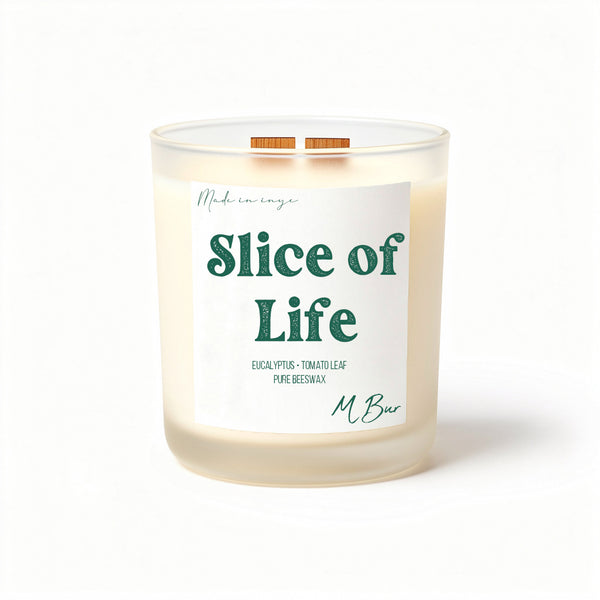
Slice of Life is a good match for the kitchen specifically. Its notes of spearmint, eucalyptus, tomato leaf, anise, and mint read as green and herbal, the kind of scent that makes a kitchen smell alive rather than perfumed. The wooden wick crackles quietly while it burns, and beeswax has the longest burn time of any candle wax, so the 80 hour size at $65 lasts for months of occasional use.

Preventing the Smell from Coming Back
Deep cleaning fixes the immediate problem. These habits prevent it from returning.
Store food in airtight containers. Uncovered leftovers release odor molecules constantly. Glass containers with tight lids are better than plastic, which absorbs smells over time.
Separate ethylene producers from sensitive produce. Apples, bananas, and avocados release ethylene gas that accelerates decay in broccoli, lettuce, and berries. Keep them in different drawers.
Deep clean every two to three months. You do not need to do the full unplug routine every time, but pulling out shelves, wiping gaskets, and checking the drip pan on a regular schedule prevents buildup.
Check your temperature settings. Your fridge should be at or below 40°F (4°C) and your freezer at 0°F ( negative 18°C). A fridge running even a few degrees warm accelerates bacterial growth and food spoilage.
Replace the activated charcoal. If you keep a tray in the fridge as ongoing maintenance, swap it out every 30 to 60 days.
Frequently Asked Questions
Why does my fridge still smell after I cleaned it?
The odor is almost certainly coming from a source you did not reach. The drip pan underneath the unit, the defrost drain, and the folds of the rubber door gaskets are the three most common culprits. Follow the deep clean steps above to address all of them. Once the air is truly clean, browsing our full beeswax candle collection is a good way to keep your kitchen smelling intentional rather than sterile.
Does baking soda actually work for fridge odors?
It helps with mild, surface level smells, but it is not effective against deep set odors from bacterial growth or spoilage that has soaked into plastic. Activated charcoal is a stronger option for serious cases. Pour baking soda into a wide, shallow dish if you use it, because the standard box with the tab popped open barely exposes any surface area to the air.
Can I use bleach to clean my entire fridge?
You can use a diluted bleach solution (one tablespoon per gallon of water) on hard interior surfaces and removable shelves. But never use bleach on the rubber door gaskets. It degrades the rubber, causing cracks that trap more bacteria and make the problem worse long term. Warm soapy water or a vinegar solution is safer for seals.
How do I get rid of the smell in my kitchen after fixing the fridge?
Open windows for cross ventilation first. Avoid conventional air fresheners that use toxic fragrance oils. A beeswax candle with phthalate free fragrance, like Slice of Life with its fresh herbal notes, cleans up the room's scent without adding chemicals to the air near your food.
How often should I deep clean my refrigerator?
Every two to three months for a full deep clean. Between those sessions, wipe up spills immediately, check the gaskets monthly, and replace any deodorizer (baking soda or charcoal) every 30 to 60 days.
The Short Version
A persistent fridge smell is almost never about what is on the shelves. It is about what is hiding in the drip pan, the defrost drain, and the gasket folds. Deep clean those three spots, deodorize with activated charcoal for two to three days, and the odor will finally break. For keeping the kitchen air genuinely fresh afterward, skip the chemical air fresheners and reach for something clean burning instead.
MBur's beeswax candles are made with 100% pure beeswax, wooden wicks, and non toxic, phthalate free fragrance. No soot on your walls, no headache from your candle, and the longest burn time of any wax on the market. Browse the full collection here and find the scent that fits your kitchen.
Related reading
- What Makes a Candle Non Toxic? How to Spot the Real Thing
- Discover the Secret to Soot Free Candles: Say Goodbye to Mess and Hello to Clean Burn
- Why Paraffin Free Candles Are a Must Have for a Healthier Home
- Discover the Benefits of Non Toxic Candle Fragrance Oils: Enhancing Your Space without Harmful Chemicals

