

How to Get Rid of a Dead Rodent Smell in Walls
A strong, sickly-sweet rotting smell coming from a wall, ceiling, or vent usually means a mouse or rat has died inside. There is no masking it. The carcass has to be removed, and it needs to be done safely, since rodents carry disease.
We make small-batch beeswax candles in Far Rockaway, so a room that truly smells clean is our whole focus, and that always starts at the source rather than the scent. Below is where the smell comes from, how to clear it step by step, and how to keep the space fresh afterward, with the full the MBur beeswax candle collection here as you read.
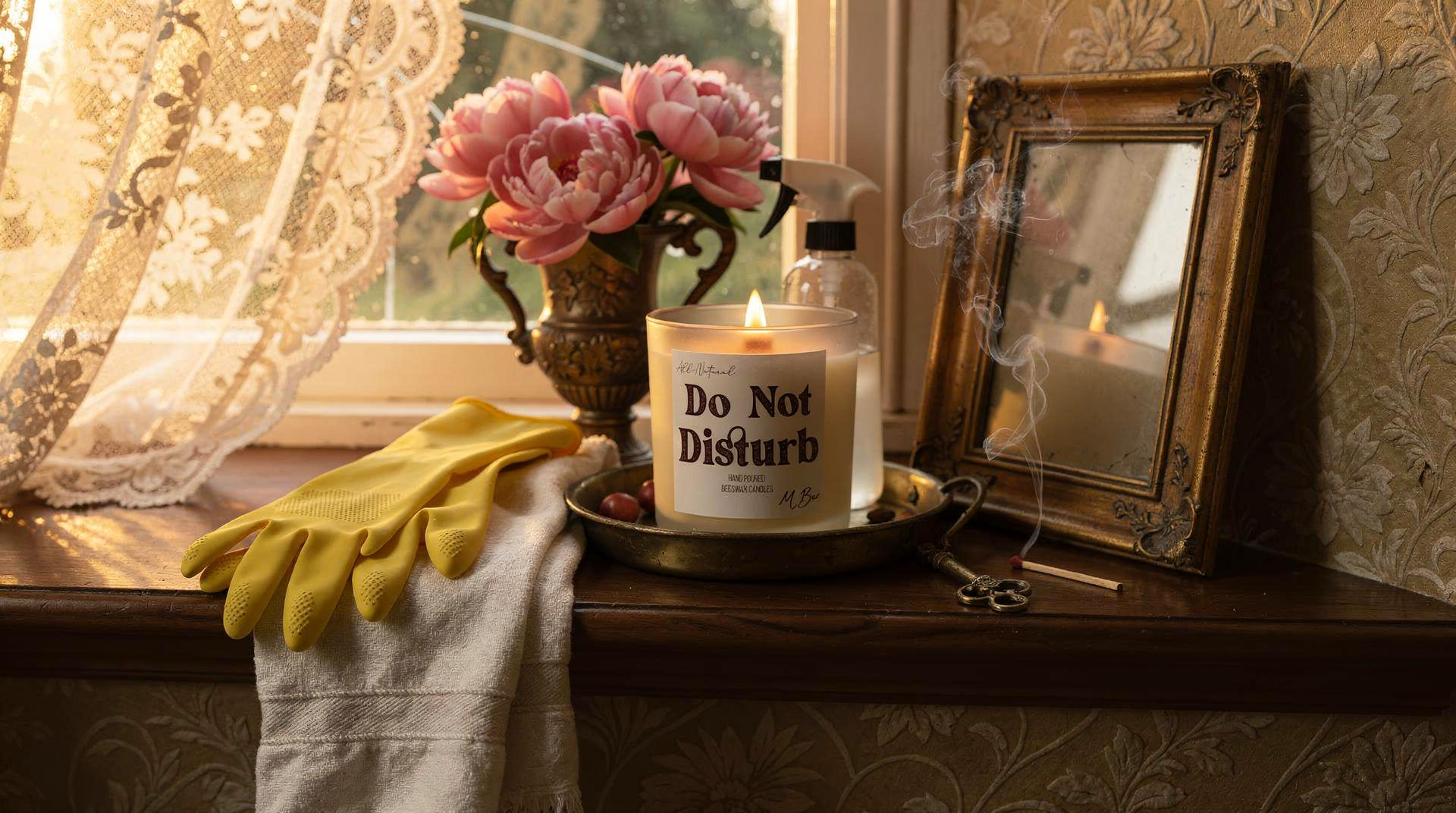
Why you cannot just cover the smell
A dead rodent decomposes over days to weeks, and the smell is intense and often in a hard-to-reach spot inside a wall or duct. An air freshener only covers it while the carcass keeps rotting.
It also matters how you handle it, since rodents and their droppings can carry diseases like hantavirus that spread when you stir up dust. So this is a remove-it-safely job, not a mask-it one.
How to handle it safely, step by step
- Ventilate and protect yourself. Open windows to air out the space, and wear rubber or plastic gloves. The CDC's guidance on cleaning up after rodents warns against stirring up dust from rodents and droppings, so do not dry-sweep or vacuum.
- Locate the source. Follow the smell to where it is strongest. Flies or a stain can help, and you may need to remove a vent cover or, for inside a wall, cut a small access hole.
- Remove and double-bag it. With gloves on, place the rodent and any nesting material in a sealed plastic bag, then a second bag, and dispose of it per local rules.
- Disinfect the area. Spray the spot and nearby surfaces with a disinfectant or bleach-and-water solution, let it soak, then wipe with paper towels and bag those too.
- Call a pro when needed. If it is inside a wall you cannot reach or in the HVAC ducts, the CDC recommends a professional, since ducts spread contamination.
Once the carcass is out, the residual smell fades with time and air. Ventilate, set out odor absorbers like baking soda or charcoal, and let it clear. A candle then freshens the living space while the last of the smell dissipates, once the source is gone.
Keep it from coming back
Seal entry points to keep rodents out, and set traps to catch any that get in.
Address an infestation early, and never ignore a rotting smell in a wall or vent.
Freshen the whole room once the source is gone
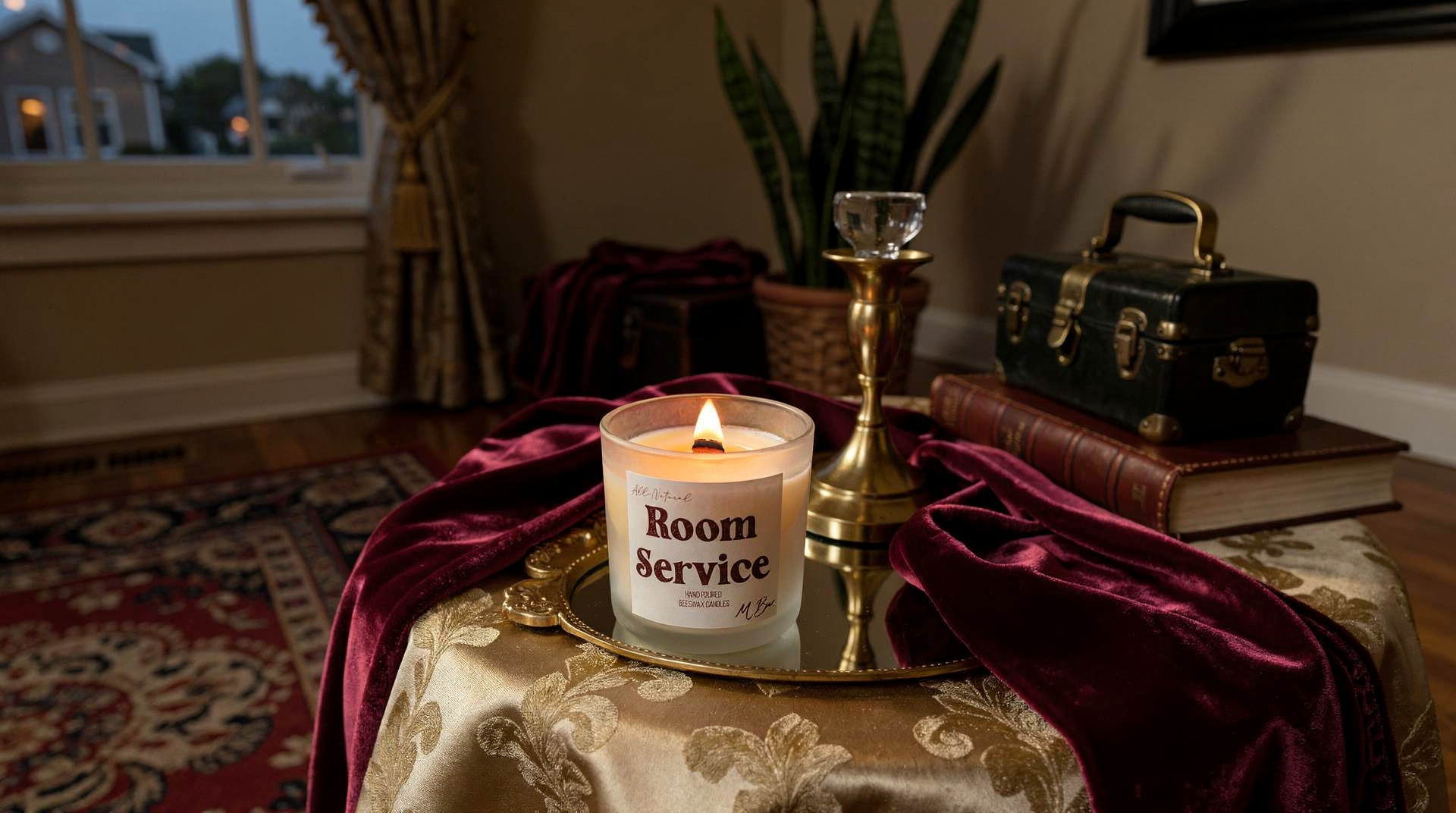
With the dead rodent handled, the air itself is the last step. A clean candle is the finishing touch here, best lit once the space is already clean. From there it is the fastest way to make the room read fresh rather than merely neutral.
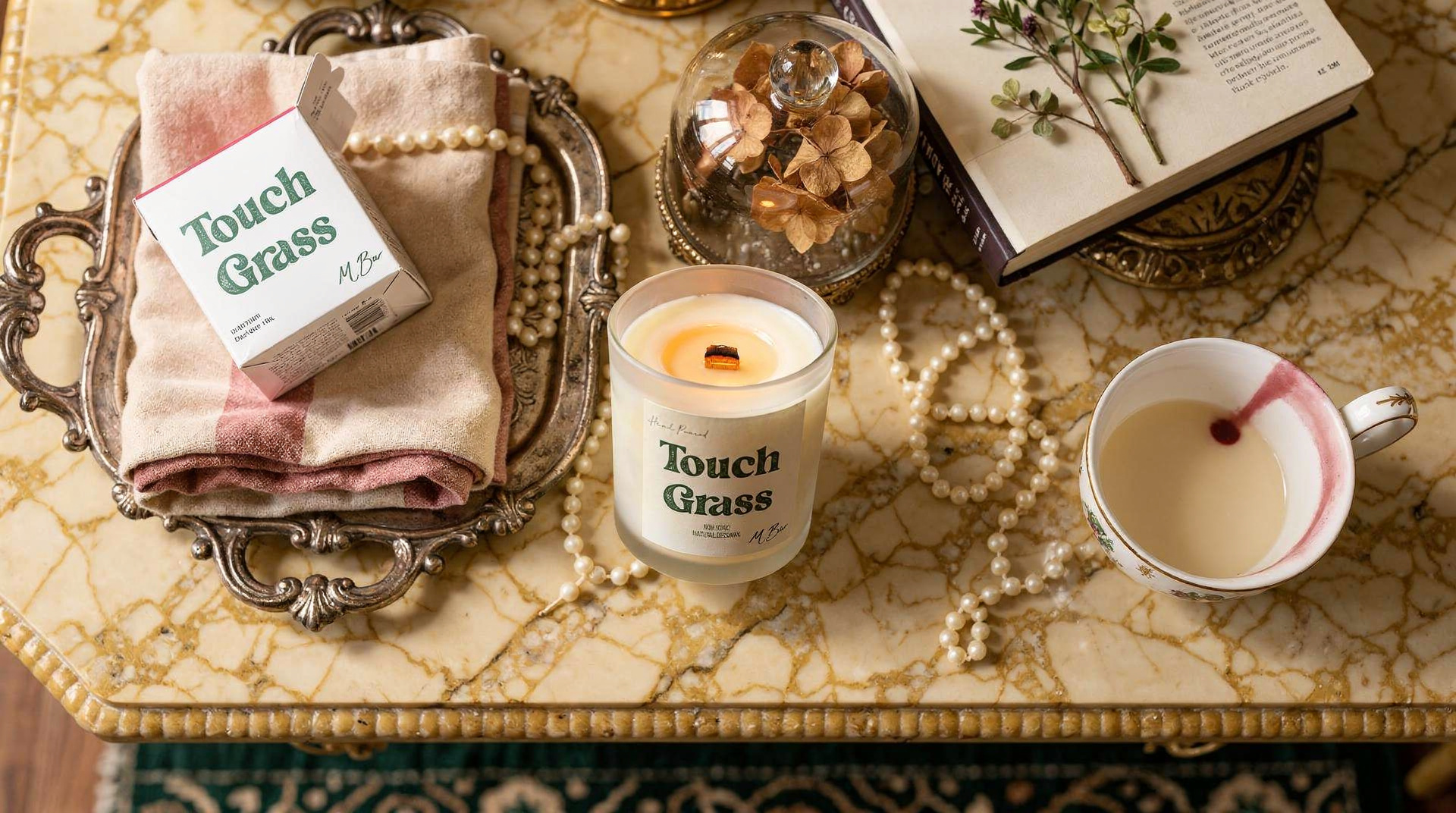
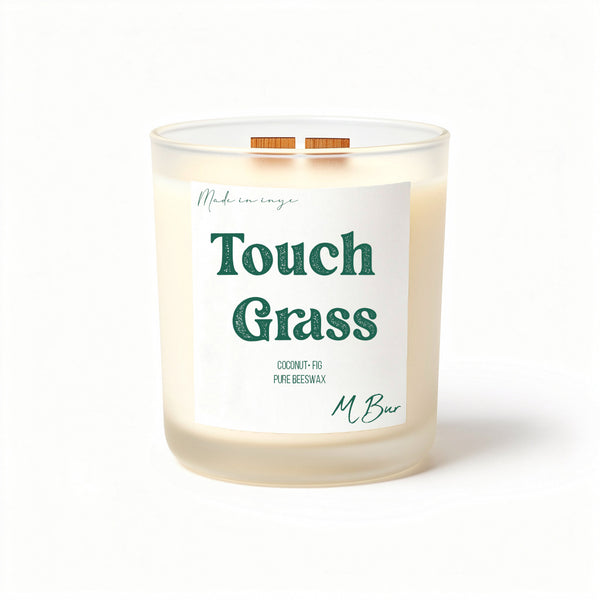
For your home, Touch Grass fits well. It is earthy and green, with fig, black currant, and cedarwood, and like every MBur candle it is poured from 100% beeswax with a wooden wick and phthalate-free non-toxic fragrance oils, so freshening the air never means adding soot on top.
Frequently asked questions
How do I get rid of a dead rodent smell in the wall?
The carcass has to be removed. Ventilate, wear gloves, locate and double-bag it, and disinfect the area. Call a pro if it is inside a wall or the ducts.
Is a dead rodent a health risk?
Rodents and their droppings can carry diseases like hantavirus, spread by breathing in disturbed dust, so the CDC advises against sweeping or vacuuming and recommends wet cleaning with disinfectant.
How long does the smell last?
It lingers until the carcass is removed and can take days to fully clear after that. Ventilation and odor absorbers speed it up.
When should I call a professional?
If the rodent is inside a wall you cannot access or in the HVAC ductwork, since ducts can spread contamination through the home.
Ready to keep your space smelling clean once the source is handled? Explore the MBur beeswax candle collection and find the scent that fits the room.

