

How to Deal With the Smell of Art Solvents
Strong solvent smells from art supplies like turpentine, oil paints, and adhesives are fumes off-gassing, and beyond the smell, these are flammable and not good to breathe. So the priority is ventilation and safe storage, not masking. Seal them up, ventilate, and store and dispose of them safely.
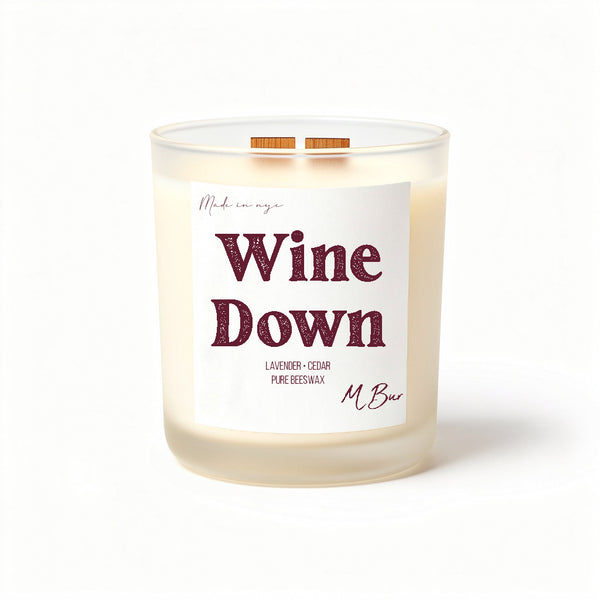
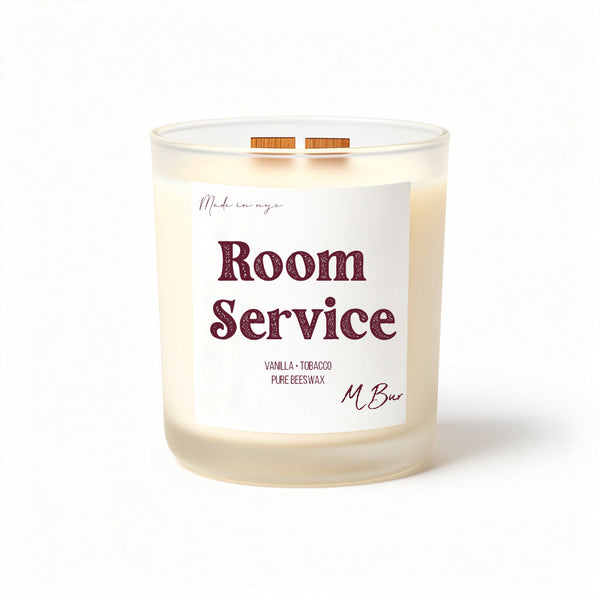
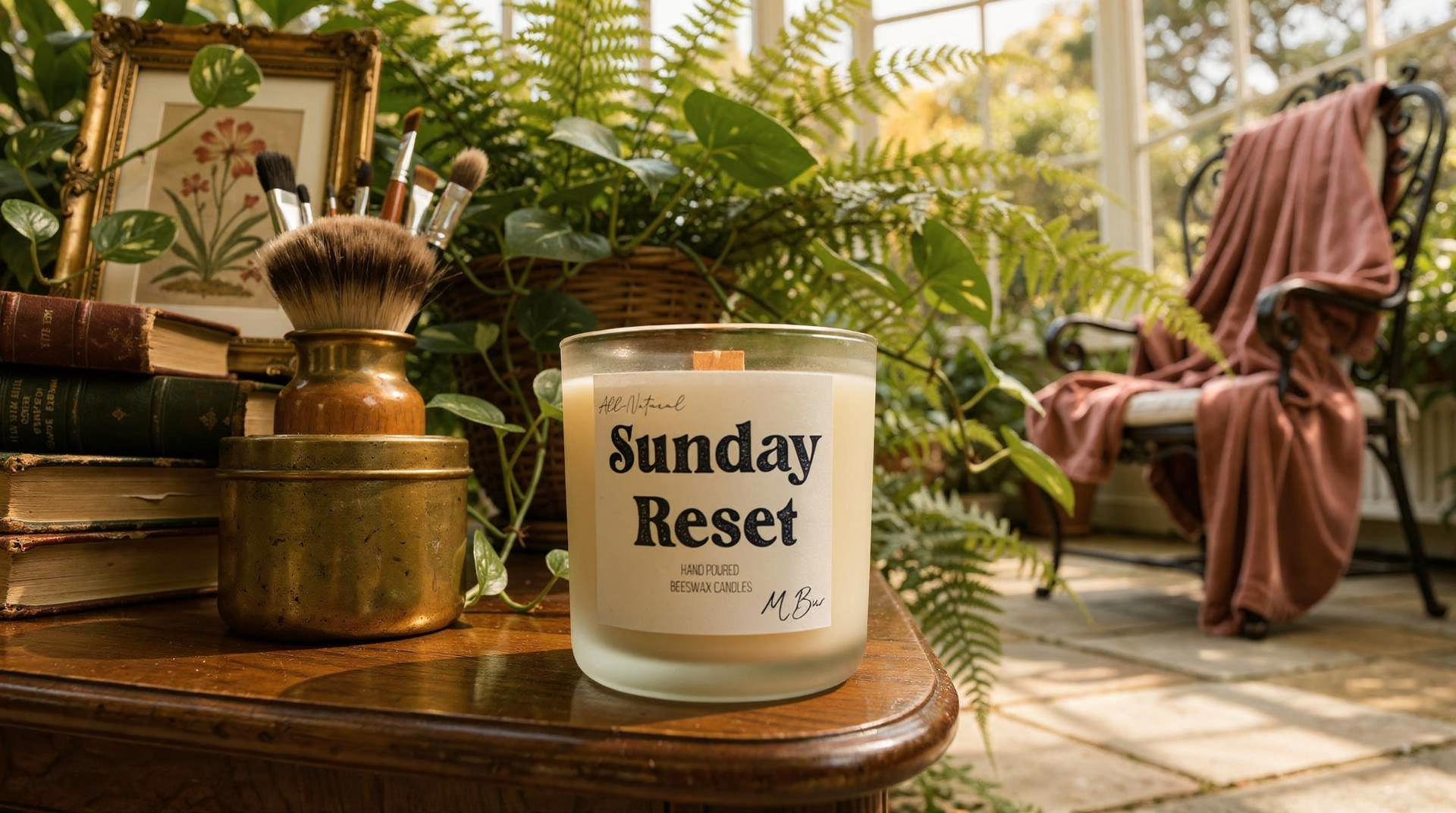
We make small-batch beeswax candles in Far Rockaway, so a room that truly smells clean is our whole focus, and that always starts at the source rather than the scent. Below is where the smell comes from, how to clear it step by step, and how to keep the space fresh afterward, with the full the MBur beeswax candle collection here as you read.
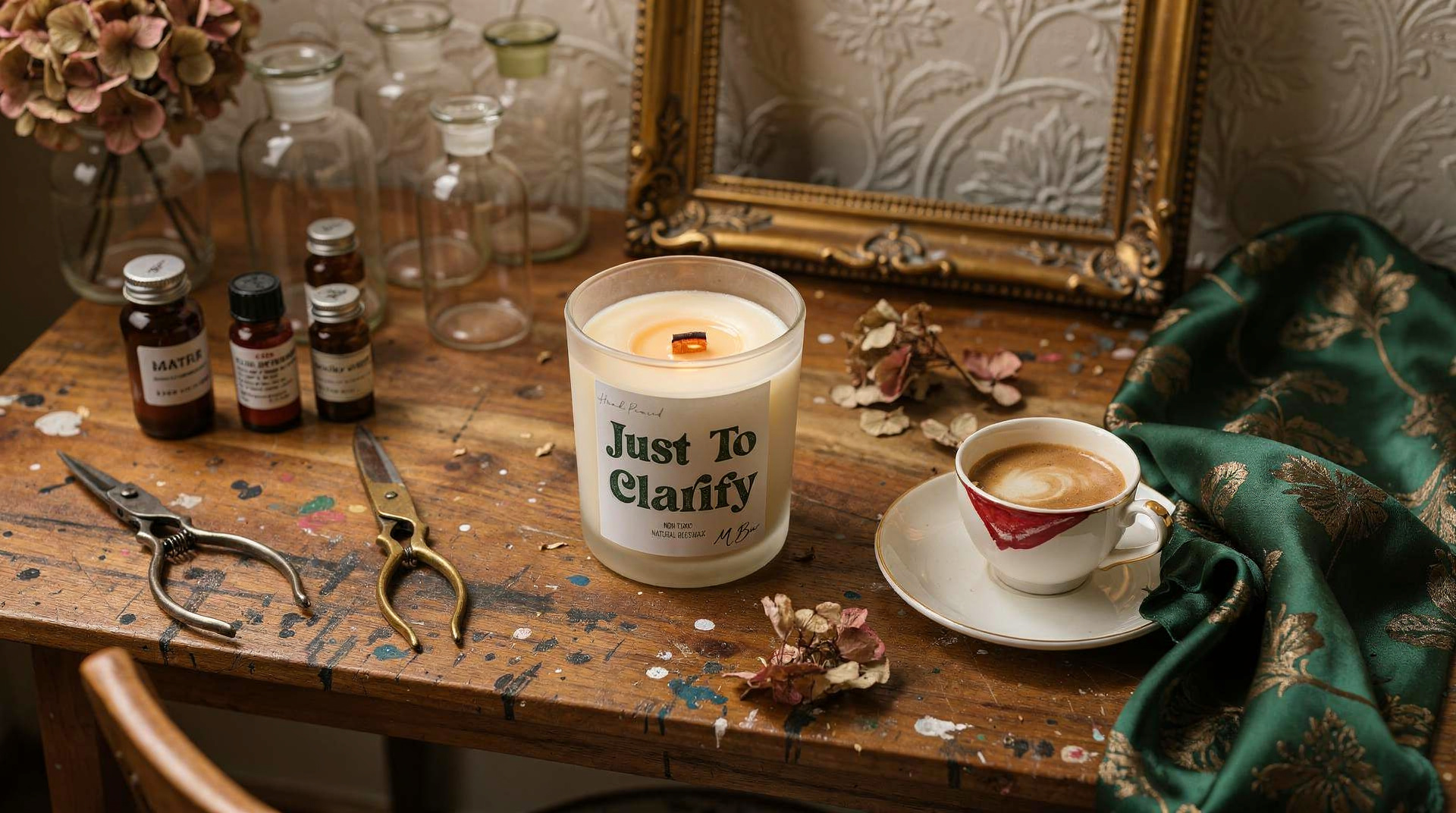
Why art solvents are more than a smell
Solvents like turpentine, mineral spirits, and many adhesives release strong, flammable vapors, and the smell is those vapors in the air. Breathing them in a closed room is not good for you.
The vapors, and solvent-soaked rags, are also a fire hazard. An open or leaky container keeps refilling the room, so sealing and ventilating is the real fix.
How to handle it safely, step by step
- Ventilate the workspace. Work with windows open and airflow, or a fan venting out, which is the main way to handle solvent fumes.
- Seal containers tightly. Keep solvents, oil paints, and adhesives in tightly closed containers when not in use, since an open container off-gasses constantly, and wipe drips off the outside.
- Handle solvent-soaked rags safely. Rags soaked in oil paint or solvent can spontaneously combust, so do not ball them up in the trash. Lay them flat to dry outside away from anything flammable, or store them in a sealed metal container with water, then dispose per local rules.
- Store solvents properly. Keep them sealed and upright in a cool, ventilated spot away from heat and flame, not near a furnace or water heater.
- Dispose as hazardous waste. Do not pour solvents down the drain or in the regular trash. Take them to a household hazardous-waste facility.
Never bring an open flame near solvents or their vapors. Ventilation and sealed containers handle the smell, and a candle only belongs in an adjacent, well-ventilated space, well away from the supplies.

Keep it from coming back
Work ventilated, keep everything sealed between uses, and handle rags safely.
Store solvents away from heat and flame, and dispose of them as hazardous waste.
Freshen the whole room once the source is gone
With the solvent fumes handled, the air itself is the last step. A clean candle is the finishing touch here, best lit once the space is already clean. From there it is the fastest way to make the room read fresh rather than merely neutral.
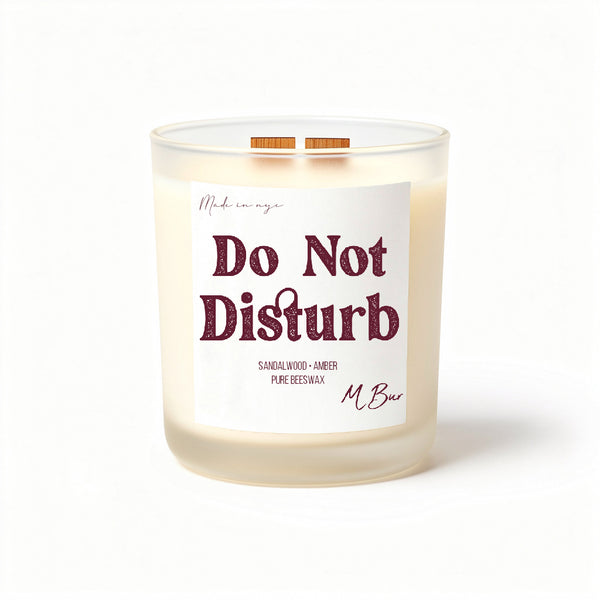
For your home, Do Not Disturb fits well. It is soft and warm, with pear, bergamot, jasmine, and sandalwood, and like every MBur candle it is poured from 100% beeswax with a wooden wick and phthalate-free non-toxic fragrance oils, so freshening the air never means adding soot on top.
Frequently asked questions
How do I get rid of the solvent smell from art supplies?
Ventilate the workspace, seal the containers tightly, and store solvents properly. The smell clears with airflow once the sources are sealed.
Are art solvent fumes dangerous?
They are flammable and not good to breathe in a closed room, so ventilation and sealed storage matter. Keep them away from heat and open flame.
How do I dispose of turpentine or paint thinner?
As household hazardous waste, at a local facility. Never pour it down the drain or put it in the regular trash.
Why are solvent-soaked rags a hazard?
They can spontaneously combust. Dry them flat outside away from anything flammable, or store them in a sealed metal container with water until disposal.
Ready to keep your space smelling clean once the source is handled? Explore the MBur beeswax candle collection and find the scent that fits the room.

