

How to Choose a Safe Candle for Your Baby's Room: A Buying Guide
That "beeswax" candle you grabbed for the nursery? Check the fine print. In a lot of jars, "beeswax" means a small percentage blended into a base that is mostly paraffin, and no law forces a brand to tell you the ratio on the front label. Parents shopping for a candle for baby spaces get tripped up here constantly, because the words that sound safest ("natural," "soy blend," "essential oil") are the ones doing the most quiet lifting.
So before you spend a dime, let's sort out what actually matters. This guide breaks down the decision by criteria: wax, wick, how the scent is sourced, size, and price per hour. If you want to skip ahead and see clean options, you can browse our full beeswax candle collection, but read the wick section first. It's the part most guides skip.
One thing up top, because it's the most important rule and everyone buries it: you should not burn an open flame inside the room where a baby sleeps. Fire and air quality both make that a no. The move is to burn a clean candle in a well ventilated adjacent room and let the scent drift. Everything below assumes you're choosing a candle for the home a baby lives in, not for the crib side table.

Criteria 1: Wax type
This is where most of the risk hides. Paraffin is a petroleum byproduct, and when it burns it can release compounds like benzene, toluene, and formaldehyde into the air. Newborns breathe faster than adults and have developing respiratory systems, so they take in more air pollutants relative to their size. That's the whole reason wax matters more for a baby's home than for yours.
The cleanest options are 100% pure beeswax, unblended 100% soy, or coconut wax. The trap is the word "blend." A soy blend is frequently soy cut with paraffin to save money, and the label rarely says how much. If a brand won't tell you the wax is single ingredient, treat it as a blend.
Beeswax has a few things going for it here. It burns the longest of any candle wax because it has the highest melting point, it produces very little soot, and it's a byproduct of honey production, so buying it supports beekeeping. It's also naturally hypoallergenic, which matters if anyone in the house has sensitive airways.
Criteria 2: Wick type
Here's the part people forget. The wick can undo a clean wax. Older or imported candles sometimes use metal core wicks, and a lead core is exactly what you don't want vaporizing near a child. Lead core wicks are banned in the U.S., but they still turn up in cheap imported candles, so it's worth knowing they exist.
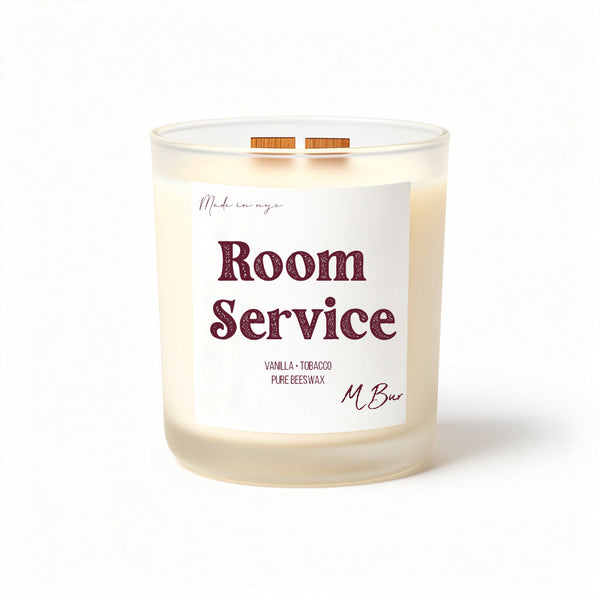
Your safe choices are unbleached cotton or an untreated wooden wick. Both burn clean when they're made without chemical binders. Wooden wicks have a nice side effect: they crackle softly and burn evenly, which is why we use them. If a listing won't name the wick material, that silence is your answer.

Criteria 3: How the scent is sourced
Fragrance is the most abused word on a candle label. "Fragrance" can legally stand in for a long list of undisclosed chemicals, including phthalates and parabens. Those are the compounds most likely to irritate a sensitive child's airways, and they're the reason a lot of parents notice headaches or stuffiness after burning conventional candles.
What you want is a candle scented with non toxic, phthalate free fragrance oils or pure essential oils, from a brand that will tell you which. Note that essential oils aren't automatically gentle either. They still emit compounds and strong aromas, so the goal is a light, clean throw rather than a scent that fills the house in ten minutes.
This connects to a common complaint about clean candles: the scent is softer than what you get from mainstream brands. That's usually the tradeoff for dropping the harsh boosters, and for a home with an infant, softer is the point.
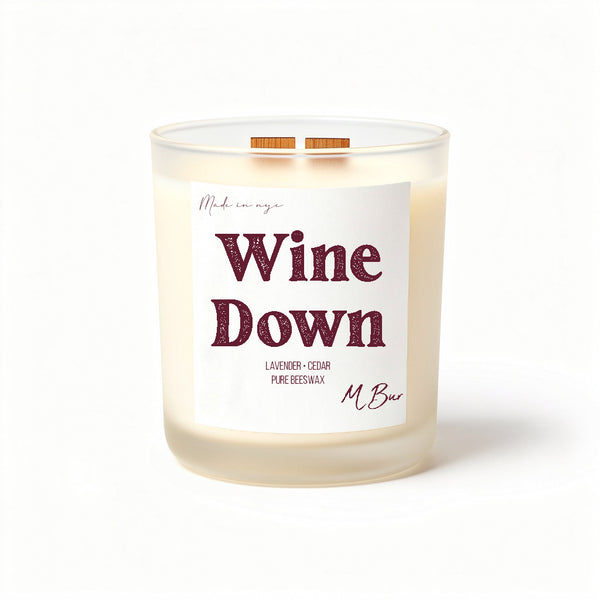
"Absolutely loved the Wine Down candle! The scent is so light and clean, not overpowering at all, which is exactly what I look for. A lot of other candles tend to give me headaches, but this one was a total game changer. I was able to enjoy the calming aroma without any discomfort." Nicole D.
That review comes up a lot in different words. Our Wine Down candle (lavender, chamomile, sage, rosemary, camphor, cedar, sandalwood) tends to be the one sensitive nose parents reach for in the evening, because it reads as soft and green rather than loud. It comes in a 40 hour size at $32 up to an 80 hour size at $65.
Criteria 4: Size and price per hour
Don't judge a candle by sticker price. Judge it by cost per hour of burn, because that's what you're actually buying. A cheap candle that tunnels and dies in fifteen hours costs more per hour than a pricier one that burns clean for eighty.
Beeswax wins this math because of that high melting point. Our candles run from a 20 hour size at $20 up to an 80 hour size at $65. Run the numbers and the 80 hour size lands well under a dollar an hour, which beats most clean candles in the roughly $18 to $35 category once you account for their shorter burns.
For a baby's home, a slightly larger candle burned in a ventilated room a few times a week goes a long way, and you refill the space less often.
How MBur compares to other clean brands
To be fair, we're not the only brand doing this well, and you should shop around. Fontana Candle Co. was the first to earn MADE SAFE certification and sticks to beeswax, coconut oil, and wood wicks, usually around $20 to $30. Natural Sloth uses beeswax and organic coconut oil scented with pure essential oils. P.F. Candle Co. makes widely available soy candles with phthalate free fragrance, typically around $24 to $26. All reasonable picks depending on what you value.
Where MBur differs: we use single ingredient 100% beeswax rather than a coconut or soy base, wooden wicks, phthalate free fragrance, no chemical dyes, and everything is handmade in New York City. The 80 hour burn is the longest of any wax, which is the practical edge for a home you're lighting candles in regularly.

Quick reference checklist
Before you buy any candle for a home with a baby, confirm all of these:
- Wax: 100% beeswax, unblended 100% soy, or coconut wax. No unnamed "blend."
- Wick: unbleached cotton or untreated wooden wick. Never a metal core.
- Fragrance: phthalate free fragrance oils or pure essential oils, disclosed by the brand.
- Dyes: none.
- Transparency: the brand tells you the wax purity, wick material, and fragrance type without you having to email them.
- Burn location: a ventilated room next to the nursery, never inside the sleeping room.
MBur checks every box on that list, which is why our full beeswax candle collection is a safe starting point if you'd rather not audit a label yourself.
Practical tips for burning near a baby
A clean candle is less likely to irritate sensitive airways, but how you burn it matters too. Keep the room well ventilated. Trim the wick to about a quarter inch before each burn to cut down on soot. Let the first burn go long enough that the wax pools all the way to the edges, which prevents tunneling and gives you the full life of the candle.
Burn in an adjacent room, let the scent settle, then air the space out before the baby is back in it. And if your child has a diagnosed respiratory condition like asthma, follow your pediatrician's guidance first. No candle is a substitute for that.
For the fire side of things, the U.S. Fire Administration's candle safety guidelines are worth a two minute read: keep flames away from anything that can catch, never leave a candle burning unattended, and always extinguish before you leave a room.
FAQ
Is it safe to burn scented candles in a baby's nursery?
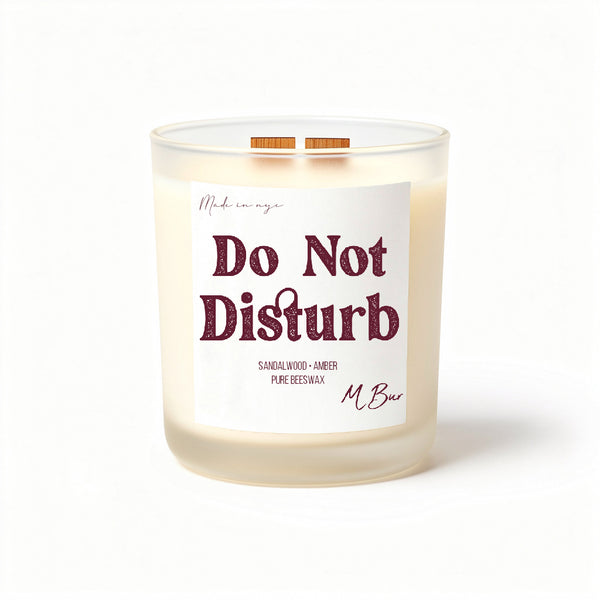
Burning an open flame directly in the room where a baby sleeps is generally discouraged, both for fire safety and because soot and fragrance can bother developing airways. Burn a clean candle in a ventilated adjacent room instead. Something soft like our Do Not Disturb candle works well for evening wind down in the room next door.
What type of wax is safest for a baby's room?
100% pure beeswax, unblended soy, or coconut wax, because they avoid the petroleum byproducts released when paraffin burns. If you want the cleanest and longest burning option, the beeswax candles in our collection are all single ingredient wax.
Can candle smoke harm a newborn?
Soot and smoke carry fine particulate matter that adds to indoor air pollution and can bother sensitive lungs. A clean burning beeswax candle with a trimmed wick produces very little soot, which is a big reason parents lean toward it over paraffin.
Are wooden wicks safer than cotton wicks?
Both are safe when they're untreated and free of chemical binders. Unbleached cotton and clean wooden wicks are the two to look for. Our wooden wick candles also happen to crackle and burn evenly, which you can see across the full collection.
The bottom line
Choosing a candle for a home with a baby comes down to five checks: single ingredient wax, a clean wick, disclosed phthalate free fragrance, no dyes, and burning it in a ventilated room rather than the nursery itself. Nail those and you keep the scent you love without the compounds a small body reacts to. If you want a candle that clears every box, start with our 100% beeswax collection, rated across 57 reviews by parents and sensitive nose buyers who stopped getting headaches when they switched.
Browse the full beeswax candle collection here.
Related reading

