

How to Burn a Candle for the First Time (So You Don't Ruin It in the First Hour)
The wax down the middle of your candle burns into a deep well while a thick ring of unused wax clings to the sides, and the whole thing quits on you weeks early. That is tunneling, and it almost always traces back to one moment: the very first time you lit it.
Here is the frustrating part. You did not do anything obviously wrong. You lit it, enjoyed it for half an hour, blew it out. But candle wax has a memory, and that first short burn taught it a bad habit it will repeat until the candle is dead. Before we fix your technique, browse our full beeswax candle collection if you want a wax that is more forgiving to begin with, and keep reading, because the first burn is where every candle lives or dies.
Why the First Burn Matters More Than Any Other
Wax remembers. When you light a candle, the flame melts a pool of liquid wax that spreads outward from the wick. Wherever that pool stops on the first burn becomes the boundary the candle returns to every single time after.
If you snuff it out before the melt pool reaches the edge of the container, you have set a narrow boundary. Every future burn stays inside that ring, digging a tunnel straight down while the outer wax sits there untouched. All that wax, and all the fragrance trapped in it, is wasted.
Candle people call the leftover wall a "memory ring." Once it forms, it is stubborn. You can sometimes rescue a lightly tunneled candle with foil, but reversing it fully is a pain. Getting the first burn right the first time is far easier than repairing a bad one.

The First Burn Ritual, Step by Step
None of this is complicated. It just takes a little patience up front.
1. Trim the wick before you light it
Even on a brand new candle, trim the wick to about a quarter inch, roughly the length of a grain of rice. A long wick throws a big, unstable flame that smokes and leaves soot on the glass. This applies before every burn, not only the first.
2. Pick a draft free spot
Keep the candle away from open windows, vents, ceiling fans, and the path of an air conditioner. Moving air pushes the flame to one side, which melts the wax unevenly and starts a lopsided pool. A still corner of the room gives you a clean, even burn.
3. Let the melt pool reach the edge
This is the whole ballgame. Leave the candle lit until the top layer of wax has liquefied completely, from the wick all the way out to the edge of the vessel. The rule of thumb is about one hour of burn time for every inch of the candle's diameter, which usually means two to four hours on that first light.
Yes, that is a real commitment. Set a timer, put on a show, do the dishes. Whatever you do, do not blow it out at the 30 minute mark just to catch a quick whiff. That single shortcut is what starts the tunnel.
4. Stop at four hours
Once the pool is edge to edge, you are done building the foundation. Never burn a candle longer than four hours at a stretch. Past that point the wick builds up carbon, the flame gets larger and smokier, and the container overheats. Snuff it, let it cool at least a couple of hours, and relight later.
5. Snuff, don't blow
Blowing sends hot wax spattering and puts up a plume of smoke that hangs in the room. A snuffer, or dipping the wick into the melted wax and straightening it back up, kills the flame cleanly and preps the wick for next time.

Why Beeswax Makes This Easier
Some waxes fight you on the first burn. Beeswax is a friendlier partner, and the reason comes down to what it is made of. Pure beeswax is a single ingredient wax with the highest melting point of any candle material, which is exactly why our candles run up to 80 hours of burn time. More wax to work with means more room for a proper melt pool.
It burns clean, too. No paraffin means no petroleum soot streaking your walls and glass, and no toxic fragrances loaded with phthalates. Our candles use only phthalate free fragrance and a wooden wick that crackles softly and spreads heat evenly across the surface, which helps that first pool reach the edge without drama.
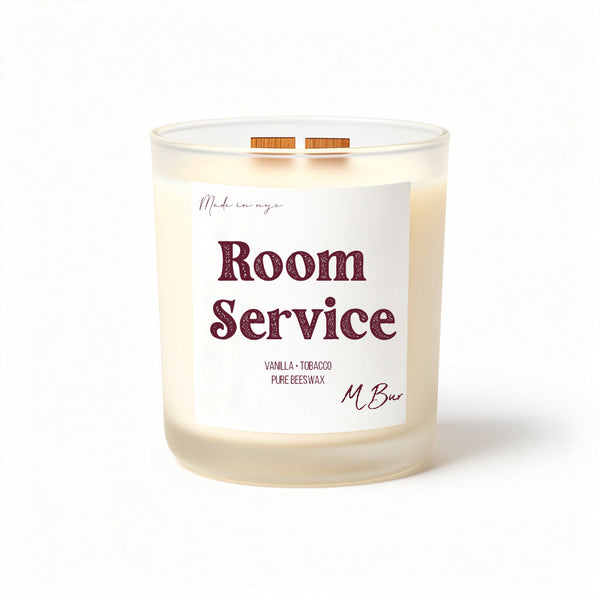
If you want a scent that fills a room and forgives a slightly imperfect first burn, Room Service is our bestseller for a reason. Its notes of saffron, white tea leaves, purple peonies, orchid, tobacco, vanilla, almond milk, and tonka bean read like a five star hotel lobby. One reviewer put it plainly:
"I must say I was apprehensive at first. The size. And I couldn't smell much from the Room Service candle. Once I lit it, however, I fell in love! My only criticism is the size. I could definitely deal with another few ounces, but either way I'm reordering!" Breann B.
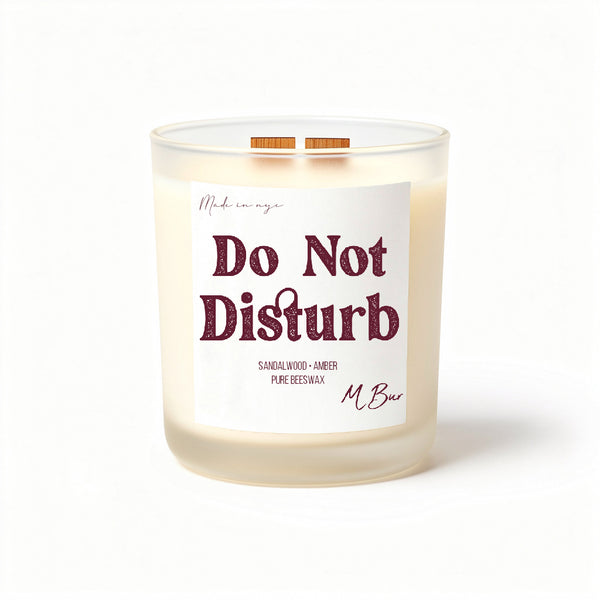
That story is common. You burn it right, the pool opens up, the fragrance blooms, and suddenly you understand what all the fuss is about. If bedtime is your candle window instead, Do Not Disturb leans soft and calming with bergamot and pear, and its slow beeswax burn gives you plenty of time to hit that edge to edge pool before you snuff it for the night.

Frequently Asked Questions
How long should I burn my candle the first time?
Burn it about one hour for every inch of the candle's diameter, which usually lands between two and four hours, until the entire top layer of wax is liquid from edge to edge. With a high melting point wax like the ones in our beeswax collection, this pays off with a longer, cleaner overall burn.
What is a candle memory ring?
It is the wall of leftover wax that forms when the first burn stops before the pool reaches the edge. The wax remembers that boundary and tunnels straight down on every future burn. Getting the first light right avoids it entirely.
Should I trim the wick before the very first burn?
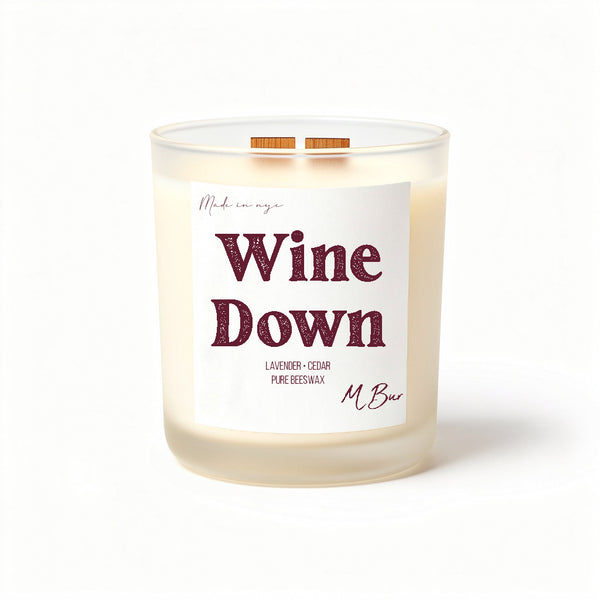
Yes. Trim to a quarter inch before every burn, including the first, to keep the flame stable and cut down on soot and smoke. A wooden wick, like the ones on our Wine Down candle, trims easily and burns evenly across the surface.
Can I fix a candle that already tunneled?
Minor tunneling can sometimes be salvaged by wrapping foil around the top to trap heat and remelt the outer wax. Serious tunneling is very hard to reverse, which is why the first burn matters so much. When in doubt, start fresh from the collection.
How long is it safe to burn a candle continuously?
Never more than four hours at a time. Beyond that the wick builds carbon and the container overheats. For general fire safety guidance, the National Fire Protection Association is a solid resource.
The Takeaway
The first burn is the one that sets the rules for the rest of the candle's life. Trim the wick, find a still spot, and let that pool spread all the way to the edge before you snuff it. Do that once and every burn after it gets easier.
Start with a beeswax candle that gives you the room and the burn time to do it right. Our candles start at $32 for the 40 hour size and run up to $65 for the 80 hour, they are handmade in New York City, and hundreds of reviewers keep coming back. Ready to light one the right way? Explore our full beeswax candle collection.
Related reading

