

How Long Does a Candle Burn? Sizes, Waxes, and Real Burn Times
Beeswax has been used as a light source for over 5,000 years, making it the oldest candle material on Earth. And yet, most people buying candles in 2025 have no idea that the wax inside determines how many hours they actually get. Two candles can sit side by side on a shelf, weigh the same amount, cost the same price, and deliver wildly different burn times based on a single variable: what they are made of.
This post breaks down exactly how long candles burn based on wax type, size, wick style, and the care habits that either extend or sabotage your burn time. If you have ever watched a candle tunnel down the center after three uses and wondered where your money went, the answer is probably here. And if you want to skip ahead and see what an 80 hour beeswax candle actually looks like, browse MBur's full beeswax candle collection.
The Industry Rule of Thumb (and Why It Is Only Half the Story)
The standard benchmark candle makers use is 5 to 9 hours of burn time per ounce of wax. That is a huge range, and the reason it is so wide comes down to three things: the wax itself, the wick, and the vessel shape.
A paraffin candle at the low end of that range burns through wax quickly because paraffin has a lower melting point. It liquefies faster, feeds the flame faster, and is gone sooner. A dense natural wax like beeswax sits at the high end because its melting point is significantly higher, around 144°F to 149°F. The wax resists melting, which means the flame draws fuel more slowly and the candle lasts longer.
So when a candle label says "40 hours," that number is not a guarantee. It is an estimate based on ideal conditions. Your actual burn time depends on how you treat the candle once you bring it home.

How Wax Type Changes Everything
Wax is the fuel. Different fuels burn at different rates. This is basic combustion chemistry, and it matters more than any other factor on this list.
Paraffin Wax
Paraffin is a petroleum byproduct. It is the cheapest wax to produce, which is why it dominates the mass market. It has the lowest melting point of the common candle waxes, which means it liquefies quickly and burns through faster. Paraffin candles also release compounds like benzene, toluene, and formaldehyde when burned. Research has shown these are not substances most people want circulating in their living room.
Burn time per ounce: roughly 5 to 7 hours for a standard jar candle.
Soy Wax
Soy burns cooler and slower than paraffin, typically lasting 30% to 50% longer by weight. It is a real improvement. The catch is that many "soy" candles on the market are actually soy blends, meaning the label says soy but the jar contains a percentage of paraffin. If the label does not say "100% soy," assume it is blended.
Burn time per ounce: roughly 6 to 8 hours.
Beeswax
Beeswax is the densest natural candle wax and has the highest melting point. That density is why beeswax candles consistently outlast soy and paraffin. The wax simply takes longer to melt, so the flame draws fuel at a slower rate. Beeswax is also a single ingredient, a natural byproduct of honey production, with no chemical processing required.
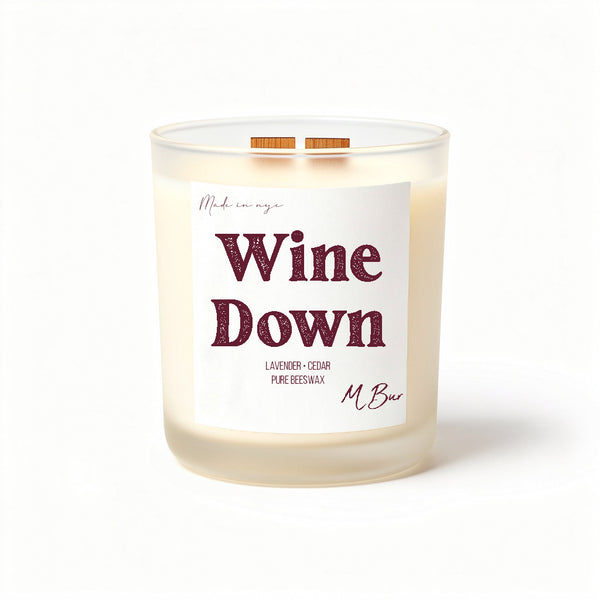
Burn time per ounce: roughly 7 to 9 hours.
For context, MBur's largest candle size delivers up to 80 hours of burn time from pure beeswax. That is not marketing spin. It is what happens when you use the densest wax available and pair it with a properly sized wick.
Quick Comparison
| Wax Type | Melting Point | Burn Time per Oz | Common Concerns |
|---|---|---|---|
| Paraffin | Low (~130°F) | 5 to 7 hrs | Petroleum byproduct, releases VOCs |
| Soy | Medium (~120°F to 135°F) | 6 to 8 hrs | Often blended with paraffin |
| Beeswax | Highest (~144°F to 149°F) | 7 to 9 hrs | Higher upfront cost, longest burn |
Size Matters: What to Expect by Candle Size
Wax type sets the rate. Size sets the total. A bigger candle has more fuel, so it burns longer in absolute terms, but the per session experience changes too.
General estimates based on industry data:
- Tea lights (0.5 oz): 4 to 6 hours total. One session, done.
- Small candles (2 to 4 oz): 1 to 2 hour sessions, roughly 15 to 25 total hours depending on wax.
- Standard jar candles (7 to 10 oz): 2 to 3 hour sessions, roughly 35 to 45 total hours.
- Large candles (14+ oz): 3 to 4 hour sessions, 80 to 150+ total hours for single wick jars.
These ranges assume you are following basic care practices. Skip those practices and you can easily lose 20% to 30% of your total burn time to tunneling, mushrooming, and uneven wax consumption.

The Wick Factor (More Important Than You Think)
The wick is the engine of the candle. It draws liquid wax up through capillary action and feeds it to the flame. If the wick is too small for the vessel, the flame cannot generate enough heat to melt wax to the edges, and you get tunneling. If the wick is too large, it pulls wax too fast, burns hot, produces soot, and eats through your candle in a fraction of the advertised time.
Wooden wicks burn differently than cotton wicks. They tend to create a wider, lower flame that distributes heat more evenly across the wax surface. This is one reason MBur uses wooden wicks in every candle. The crackling sound is a bonus. The real function is a more consistent melt pool and a steadier burn rate, which translates directly to longer burn times.
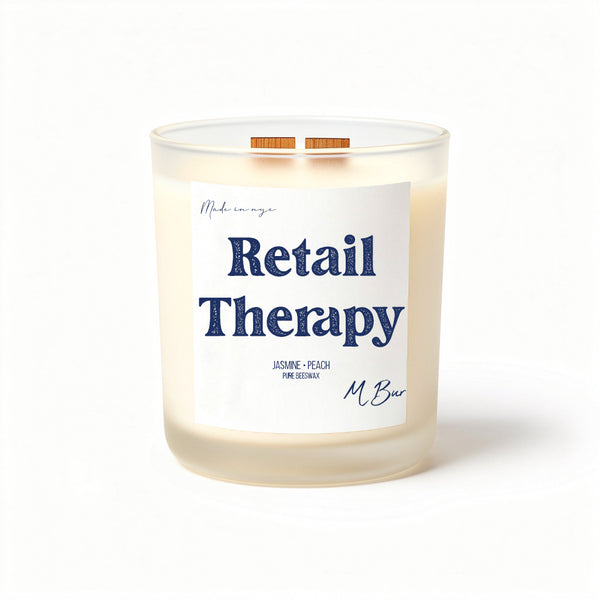
"From the packaging to the burn of the candle, everything was top notch! Candle burned slowly and was exactly the amount of hours the company said it would burn. I was able to enjoy it for days even though it was the smaller size." Portia Darby, verified MBur customer
Portia's experience with the Retail Therapy beeswax candle is a good example of what happens when wax density and wick sizing are dialed in correctly. The burn time matches the estimate because the engineering behind it is sound.
Five Habits That Kill Your Burn Time
You can buy the best candle on the market and still waste a third of it through bad habits. These are the most common mistakes.
1. Skipping the First Burn Rule
The first time you light a candle, you need to let it burn until the melt pool reaches the edges of the container. This typically takes 1 to 3 hours depending on the diameter. If you blow it out after 30 minutes, the wax develops a "memory ring" and will tunnel down the center every time after that. All that wax clinging to the sides of the jar? Wasted.
2. Burning Longer Than 4 Hours
More is not better. Sessions longer than 4 hours cause the wick to mushroom (carbon buildup at the tip), which creates an oversized flame, excessive soot, and can overheat the vessel. The National Candle Association recommends capping sessions at 4 hours.
3. Ignoring Wick Trimming
Trim the wick to about a quarter inch before every single lighting. A long wick creates a tall, flickering flame that burns through wax too fast and deposits soot on your walls and ceiling. This applies to cotton wicks and wooden wicks alike. With wooden wicks, you can snap off the charred tip with your fingers once the wax has cooled.
4. Placing Candles in Drafts
A candle next to an open window, a fan, or an air conditioning vent will burn unevenly. The draft pushes the flame to one side, melting wax faster on that side and leaving the other side untouched. Move the candle to a still spot and you will get a much more even burn.
5. Blowing It Out Instead of Snuffing
Blowing out a candle sends a burst of air across the melt pool, which can push the wick off center and create smoke. A candle snuffer or a wick dipper (which dunks the wick into the wax and then straightens it) gives you a cleaner extinguish and a better relight next time.

Why Beeswax Outlasts Everything Else
Beeswax's advantage comes down to physics. It is denser than soy or paraffin, so there is more fuel packed into the same volume. And its high melting point means the flame has to work harder to liquify the wax, which slows the whole process down.
There is also the question of what you are breathing. Paraffin releases volatile organic compounds. Many soy candles use toxic fragrance oils containing phthalates and parabens. Beeswax paired with non toxic, phthalate free fragrance and a wooden wick gives you the longest burn time AND the cleanest air quality. Those two things do not usually come together in the candle market.
MBur's candles are 100% beeswax (single ingredient, not a blend), with wooden wicks and phthalate free fragrance. The 20 hour size starts at $20 and the 80 hour size is $65. When you calculate the cost per hour, beeswax often comes out cheaper than a paraffin candle that burns through in half the time.
FAQ
How long should I burn my candle the first time?
Long enough for the melt pool to reach the edges of the container. For most candles, that is 1 to 3 hours depending on the diameter. This prevents tunneling and sets the wax memory for every future session. MBur's beeswax candles with wooden wicks typically achieve a full melt pool within 2 hours.
Does the type of wax really change how long a candle lasts?
Dramatically. Beeswax has the highest melting point of any common candle wax, which means it burns the slowest. Soy is a step up from paraffin, but beeswax consistently outlasts both. The difference between a paraffin candle and a beeswax candle of the same weight can be several hours.
Does freezing a candle make it last longer?
No. This is one of the most persistent candle myths. Freezing does not meaningfully extend burn time, and it can crack the wax or damage the container. Proper wick trimming and session length management will do far more for your burn time than any freezer trick.
Why does my candle tunnel even when I burn it for a long time?
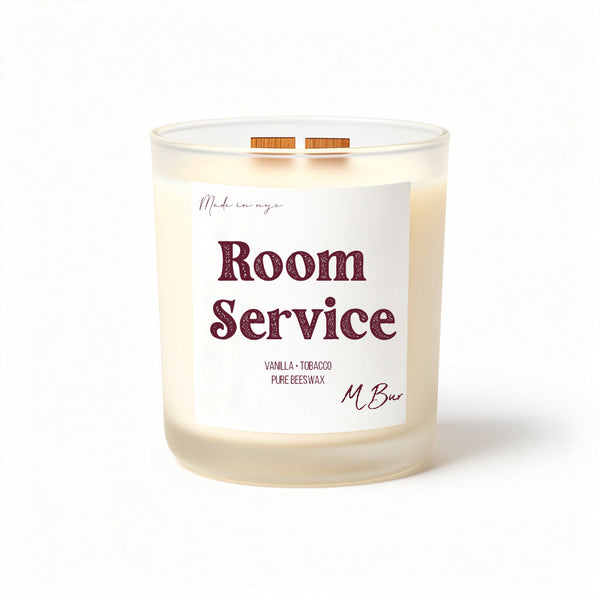
If tunneling started during your first few burns, the wax has already developed a memory ring. But ongoing tunneling can also be caused by a wick that is too small for the vessel diameter, or by burning in a drafty location. A well made candle with a properly sized wick, like the Room Service beeswax candle, should reach a full melt pool within each session if you give it enough time.
Is it safe to burn a candle for more than 4 hours?
Most manufacturers and safety organizations say no. After 4 hours, the wick can mushroom, the vessel can overheat, and the fragrance can start to degrade. Trim the wick, relight, and start a fresh session instead.
The Bottom Line
Burn time is not random. It is determined by wax density, wick sizing, vessel shape, and how you care for the candle between sessions. Beeswax wins on burn time because of its density and melting point. Wooden wicks win on consistency because of how they distribute heat. And proper care (first burn, wick trimming, session limits) can be the difference between getting every hour you paid for and losing a third of it to tunneling.
If you want the longest burn time from the cleanest wax, start with MBur's pure beeswax candle collection. The 20 hour size is $20, the 80 hour size is $65, and every candle is handmade in New York with wooden wicks and phthalate free fragrance.
"I absolutely love these candles! I instantly notice the difference in the air quality, in comparison to the Bath & Body scented candles. Awesome products. Totally addicted." Jason H., verified MBur customer
Related reading

